REVIEW · NAIROBI
Nairobi: Guided Coffee Farm Tour with Tastings
Book on GetYourGuide →Operated by Kienyeji Afrika Adventures · Bookable on GetYourGuide
Coffee starts here, then ends in your cup. You’ll get a guided look at how coffee grows and turns into something you can taste, plus a hands-on smell-and-taste session that helps you read flavors. I like the way the experience connects Kenya’s coffee origins to real farm work, and I also like the extra touches like a quick Swahili language lesson, bottled water, and snack. The main consideration: it’s active—plan for walking on uneven farm ground and come with comfortable shoes.
On the drive, you’ll spend time with your guide, and the day doesn’t feel like a shuttle to a photo stop. Guides (like Patrick Solomon, who leads many of the pickups) often add Nairobi context while you’re heading to the farm, so you get more than just coffee facts. Still, if you’re expecting a long sit-down meal, note that food isn’t included—you’ll get a snack, not a full meal.
This tour runs about 3 hours and is built for people who enjoy learning with their senses. You’ll meet farmers, see coffee varieties and growing methods, then do a guided tasting that’s meant to make your next café order make more sense.
In This Review
- Quick Hits (What You’ll Remember)
- Entering the Coffee Farm Day: Pickup, Timing, and First Impressions
- Nairobi Coffee Context: Why the Story Matters Before You Walk Rows
- Arriving at the Plantation: Farm Walk, Varieties, and Farmer Conversation
- From Growing to Harvesting: Understanding the Work Behind the Cup
- The Liquor Room Smell Games: Learning Coffee Flavors Before You Taste
- Coffee Tasting Session: Your First Real Flavor “Reading”
- Snack and Wrap-Up: Leaving with a Cup, Not Just Photos
- Value for Money: Is $27 a Good Deal?
- Who This Tour Fits Best (and Who Should Skip)
- Practical Tips So You Enjoy Every Step
- Should You Book This Nairobi Coffee Farm Tour?
Quick Hits (What You’ll Remember)
- African coffee origins, explained on the farm with clear links to Kenya’s growing culture
- Variety viewing: you’ll learn how different coffee types perform and why farmers choose what they choose
- Farmer interaction that turns coffee from a product into real work you can picture
- Smell games in the liquor room to help you identify flavor cues before you taste
- Hot coffee plus a snack so the learning ends with something you actually enjoy
- Smooth Nairobi pickup/drop-off in a small-group setup (private or small groups available)
Entering the Coffee Farm Day: Pickup, Timing, and First Impressions
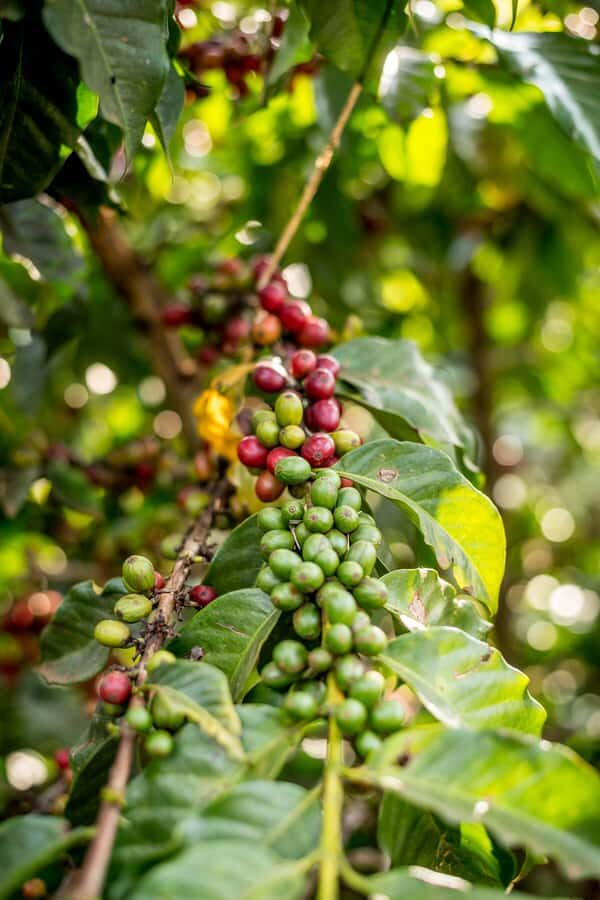
Your day starts in Nairobi with pickup from your hotel (or from the airport taxi area). You’ll want to be ready at the lobby about 15 minutes before pick-up time, so the schedule stays easy. The tour runs 3 hours, so it moves at a friendly pace—long enough to learn the process, not so long that you feel trapped.
I like the “taught on the way, then taught on the farm” structure. Your guide can share Nairobi context while you travel, so coffee fits into the bigger story of where you are. In some cases, guides have added optional sight stops during transfers (like the United Nations headquarters and nearby embassies), depending on time and flow, which can make the day feel more personal.
You’ll also get small comforts that make a short tour better: bottled water, free Wi‑Fi, and a complimentary snack later. That matters because coffee days can feel long when you’re thirsty or hungry.
You can also read our reviews of more guided tours in Nairobi



Nairobi Coffee Context: Why the Story Matters Before You Walk Rows
This tour doesn’t treat coffee as a mystery bean. It starts with the idea that coffee was discovered in East Africa, and then it connects that origin story to how farms in Kenya grow and prepare coffee today. That makes the farm walk more meaningful, because you’re not just looking at plants—you’re learning a timeline.
You’ll spend time with a professional English-speaking guide, and many participants remember guides like Patrick Solomon for being easy to talk with and willing to answer questions. That conversational style helps when you’re trying to picture how a cherry becomes a cup, not just memorize steps.
One more nice detail: you get a basic Swahili language lesson. It’s not a school session, but those tiny phrases give you confidence when you’re interacting with farmers and staff.
Arriving at the Plantation: Farm Walk, Varieties, and Farmer Conversation
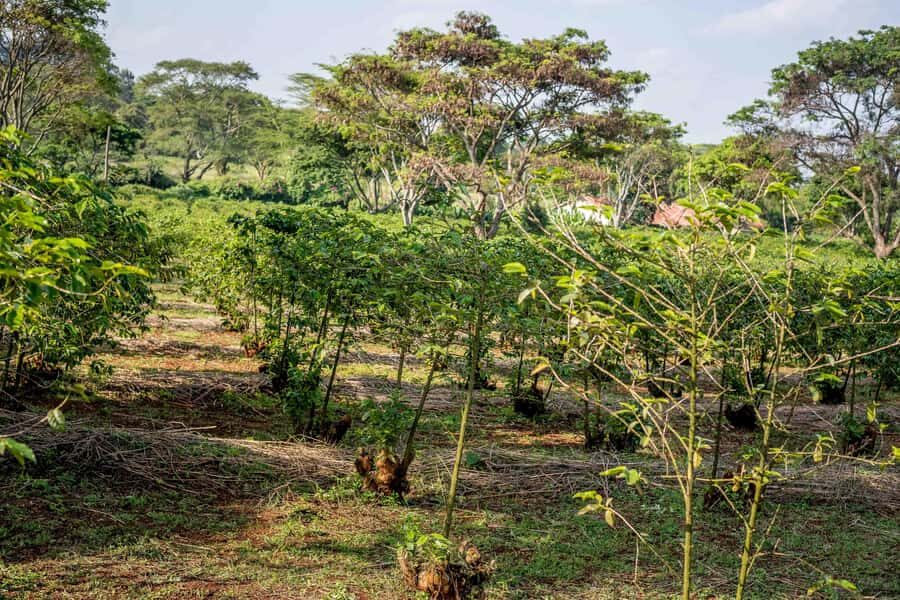
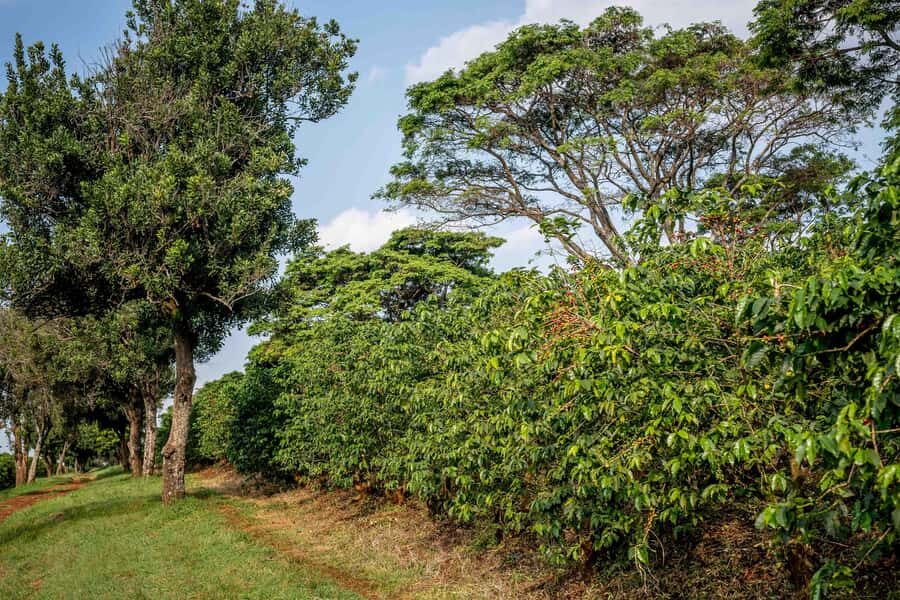
Once you arrive, the tour shifts from story to hands-on observation. You’ll see coffee plants, learn about different coffee varieties, and hear the pros and cons of those choices. This is one of the best parts because you can visually understand that coffee farming isn’t copy-paste agriculture—it’s decision-making.
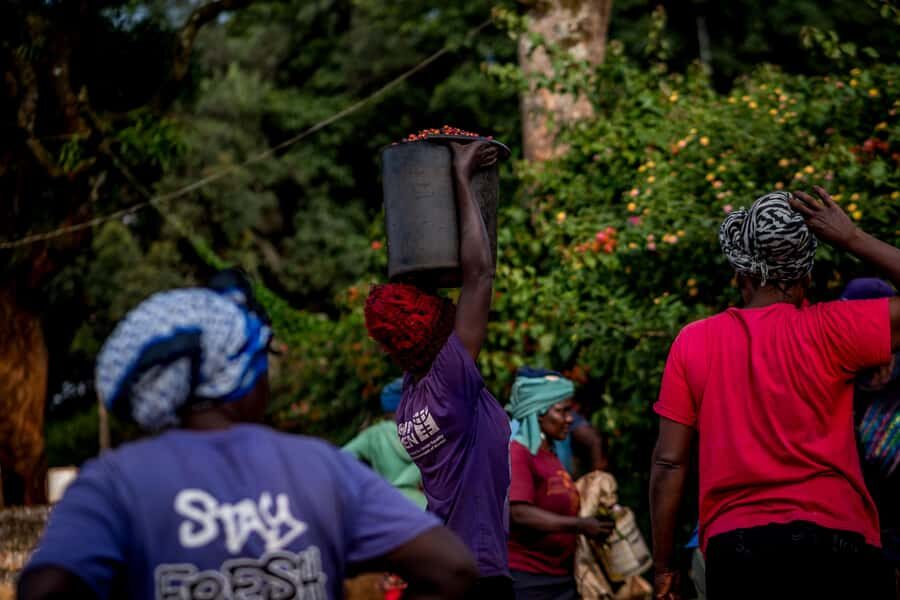
Then comes the farmer side of the experience. You’ll interact with farmers and learn about farming techniques that go beyond generic “coffee grows here” info. The goal is to help you understand why farmers do things a certain way—because small choices affect drying, roasting potential, and ultimately flavor.
You’ll also walk around the farm, so your body is part of the learning. Bring comfortable shoes, and use a hat if needed. If you’ve only traveled with sandals and flip-flops, this is the day to change that.
Potential drawback to plan around: it’s not suitable for everyone. The experience notes limits for people over 95 years, people over 209 lbs (95 kg), and hearing-impaired guests. Also, it’s not a bar day—alcohol and drugs are not allowed.
From Growing to Harvesting: Understanding the Work Behind the Cup
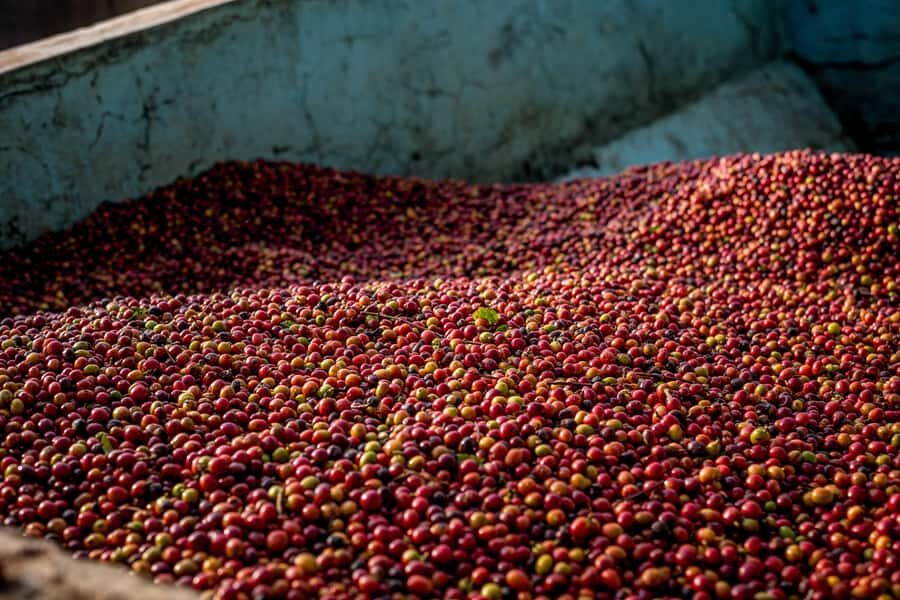
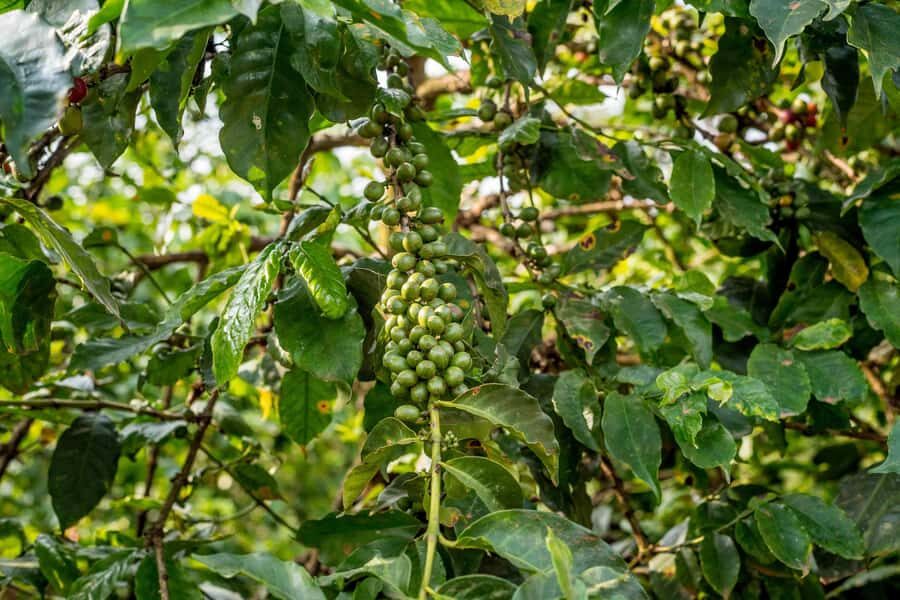
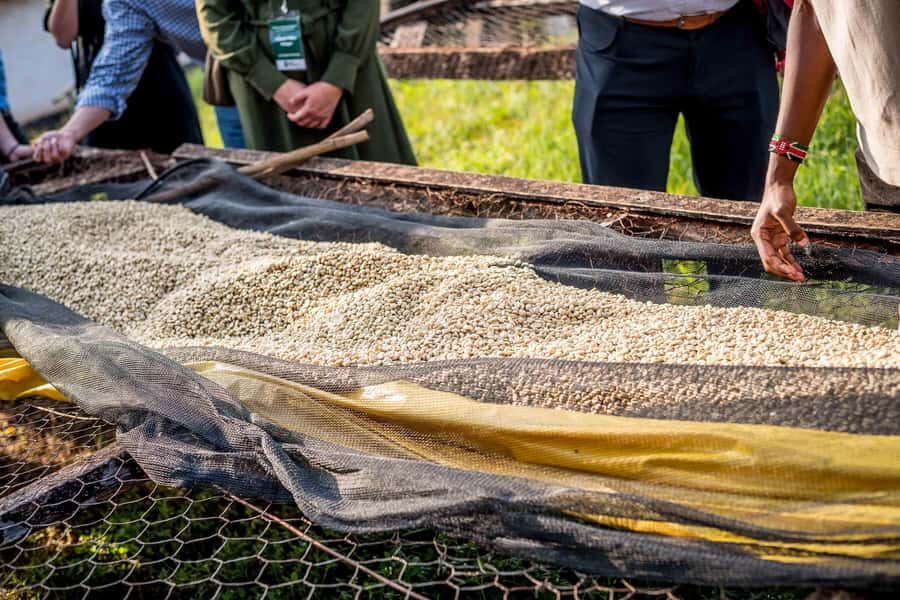
After the variety part, you move into coffee farming technicalities—how coffee is grown and how harvesting works. The tour aims to explain the full chain: from plant growth to harvesting coffee cherries and what happens after.
The key takeaway here is effort. When you see cherries and understand what “picking at the right time” means, coffee shifts from a quick purchase to a production process with lots of human decisions. This is where many people start to appreciate why two cafés can serve drinks that look similar but taste different.
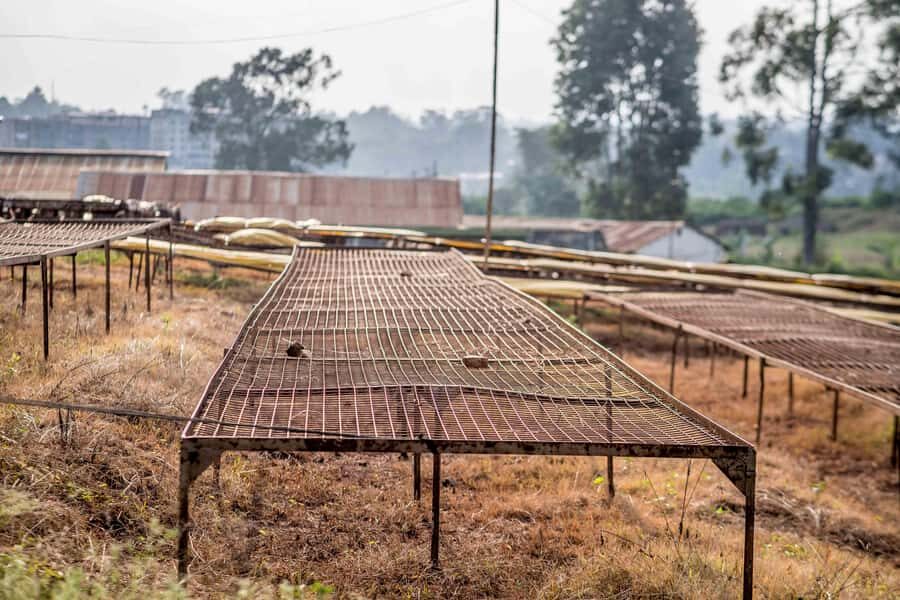
Your guide should walk you through how cherries are handled so you can connect the dots to the tasting later. Even if you’re not a coffee nerd, you’ll be able to follow the logic: farming choices lead to different raw beans, which lead to different cup characteristics.
The Liquor Room Smell Games: Learning Coffee Flavors Before You Taste
This part is fun, and it’s also useful. You’ll head to the liquor room, where you’ll participate in a smell the coffee games session. The point isn’t to make you guess wildly—it’s training your senses so you can distinguish flavor cues more confidently.
You’ll learn to identify differences in coffee aromas and flavors, then you’ll practice that skill before the tasting flight. That sequencing helps because your palate is warmed up. It also makes the tasting feel less intimidating. If you’ve never done coffee testing before, the tour is built to get you started without drama.
If you’re the type who likes games and hands-on learning, this is the segment that turns the morning from “information” into something you can actually remember.
A few more Nairobi tours and experiences worth a look



Coffee Tasting Session: Your First Real Flavor “Reading”
After the smell games, it’s time for coffee tasting. You’ll taste different types of coffee and learn how to describe what you’re sensing. The tour frames this as coffee testing, and you’ll get guidance so you’re not just drinking brown liquid and hoping for the best.
The big value is learning the vocabulary and structure behind flavor. You don’t need to be a barista to benefit—you just need the simple method: notice aroma, taste, and how flavors change. Once you know that pattern, you’ll order coffee differently the next time you’re out.
When the tasting session wraps up, you can enjoy a hot cup of coffee of your choice. That choice matters because it gives you control at the end of the learning loop.
Snack and Wrap-Up: Leaving with a Cup, Not Just Photos
Your hot cup comes with a complimentary snack, and the tour stays focused on finishing strong. You’re not rushed to the next stop, but you also don’t sit forever. It’s a good finish for a 3-hour experience.
After that, you’ll be dropped off back at your hotel residence. This matters in Nairobi, where timing and traffic can turn a simple day into a logistics puzzle. The included pickup/drop-off keeps the day smooth.
Also, the tour includes Kenyan merchandise giveaways and there’s a chance to win merchandise when you book. It’s small, but it adds that “you participated” feeling.
Value for Money: Is $27 a Good Deal?
The headline price is $27 per person for a 3-hour guided coffee farm experience with tastings, hotel pickup/drop-off, a guide, and a hot drink plus snack. For Nairobi, that’s a solid value if you want more than a quick farm photo stop.
But here’s the one pricing detail you should check before you go: the farm entry fee may be included depending on the option you select. If you select no entry-fee option, the farm entry fee is listed as $30 for adults and $15 for children over 7, payable by cash or card. So your real cost could be about $27 plus the entry fee, depending on what you choose.
What you get tends to justify the price either way:
- pickup/drop-off so you’re not organizing transport
- a guided farm walk with farming and processing explanations
- coffee tasting plus hot coffee and snack
- small but helpful extras like bottled water, Wi‑Fi, Swahili basics, and merchandise giveaways
If you love coffee, the tasting and sensory training are usually the “worth it” factor. If you only want scenery, you might find the walking and structured learning a bit much.
Who This Tour Fits Best (and Who Should Skip)
This is a great fit if you:
- like coffee and want to understand how your cup gets made
- enjoy hands-on learning like smelling and tasting games
- want an easy Nairobi day with English guidance and hotel pickup
- travel solo or in small groups and want a smooth, guided experience
It may not be the best choice if you:
- want a long meal or a full food experience (food isn’t included; you’ll get a snack)
- prefer mostly seated, low-walking activities
- have concerns related to the stated limits (age/weight/hearing)
Practical Tips So You Enjoy Every Step
A few things make this tour easier and more pleasant:
- Wear comfortable shoes. Farm paths are not city sidewalks.
- Bring a hat if you sunburn easily.
- Plan your expectations: this is sensory training and farm learning, not a coffee bar crawl.
- If you have dietary needs, ask ahead. The data only mentions a snack, and no food is listed as included.
If you’re curious about Nairobi while you’re there, ask your guide for context on what you’re seeing during transfers. Guides have a knack for linking everyday city landmarks to history and culture, which makes the drive feel like part of the experience.
Should You Book This Nairobi Coffee Farm Tour?
Book it if you want a short day that teaches the coffee process with real farm interaction and a tasting that makes you more confident ordering coffee afterward. The combination of farm walk + variety learning + smell games + tasting is exactly the kind of structured experience that usually pays off.
Think twice if entry-fee cost surprises you or if you dislike active walking. Also, if you need accommodations beyond what’s supported by the stated limitations, it’s better to look for a different activity.
If coffee is your thing, this is one of the more practical ways to understand where your cup comes from—without turning your day into a complicated itinerary.