REVIEW · NAIROBI
Day Tour To Kiambethu Tea Farm in Limuru
Book on Viator →Operated by Perfect Safaris · Bookable on Viator
A tea farm day can feel worlds away. At Kiambethu Farm in Limuru, you’ll learn how Kenya’s tea is grown and made for export, then shift gears into an indigenous forest walk where colobus monkeys and birds can be the highlight.
I love that it mixes hands-on sights with actual context. You’re not just looking at tea plants; you’re hearing how the farm works, how tea is processed, and how local plants are used the traditional way. I also like that the day is built for comfort, with round-trip hotel/residency pickup, lunch, and drinks all included.
One possible drawback to plan for: it’s a full day, about 8 hours, and the pickup is early enough (around 9:45am from central Nairobi) that you’ll want to start the day with energy, not a slow morning.
In This Review
- Why Kiambethu Tea Farm Feels Like a Real Day Out
- Getting There: Nairobi Pickup to Limuru Without the Stress
- First Stop at Kiambethu Farm: Tea Fields, Coffee or Tea, and the Process
- What to watch for
- Walking the Indigenous Forest With a Local Guide
- A small consideration
- Verandah Views Before Lunch: Ngong Hills and a Pre-Meal Reset
- Lunch and Drinks: Where the Value Really Shows
- What you can expect from the meal
- Price and What You’re Actually Getting for $115
- Who This Day Trip Suits Best
- Tips to Get the Most From Your Visit
- Should You Book the Kiambethu Tea Farm Day Tour From Nairobi?
- FAQ
- How long is the Kiambethu Tea Farm day tour?
- What time does pickup happen in Nairobi?
- Is round-trip transport included?
- What does the tour include for meals?
- Is there a guided component at Kiambethu?
- Can I see wildlife during the forest walk?
- Is this tour private?
- Do I need to pay admission fees?
- Is tipping required?
- What’s the cancellation policy?
- Is the tour suitable for most people?
Why Kiambethu Tea Farm Feels Like a Real Day Out
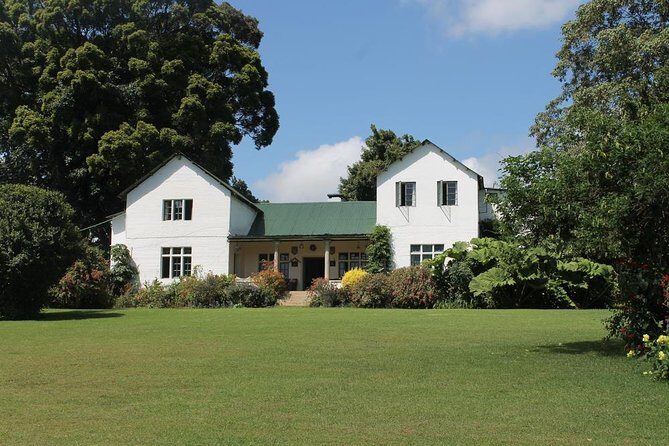
This isn’t a drive-by photo stop. The point of the day is to get out of Nairobi’s traffic-and-noise bubble and spend time in Limuru’s cooler air, with tea fields stretching out and hills in view. You’ll move at a relaxed pace: tea talk, a guided walk through native forest, garden time for birds and flowers, and a proper farm lunch.
The best part is the variety. You get plantation and production information, then you get a nature guide who points out plants you’d normally miss. One moment you’re learning about tea; the next you’re watching colobus monkeys close up (they’re not the only stars, but they’re often hard to ignore).
And because it’s private for your group, you’re not stuck waiting your turn while the guide bounces between strangers’ questions. That matters on a subject like tea production, where it’s easy to get lost in the steps.
Getting There: Nairobi Pickup to Limuru Without the Stress
Your day starts with pickup in Nairobi CBD (the tour start is listed for 9:30am, with pickup happening around 9:45am). From there, you’ll drive out toward Limuru and arrive around 11am. That timing is helpful: you reach the farm before your brain turns into mush, and you still have plenty of daylight for the garden and forest portions.
The transfer is part of what you’re paying for. You avoid figuring out transport, navigating roads, and timing your own return. In practice, this kind of day trip works best when your biggest decision is what to wear and what to photograph, not how to get there.
Also, expect the drive to come with conversation. In the accounts you can read between the lines, the drivers tend to keep things lively with local history and practical pointers about the White Highlands area you’re passing through. You may even meet a guide with a playful nickname like Santa (as one driver described it, with the extra teasing name attached).
A few more Nairobi tours and experiences worth a look

First Stop at Kiambethu Farm: Tea Fields, Coffee or Tea, and the Process
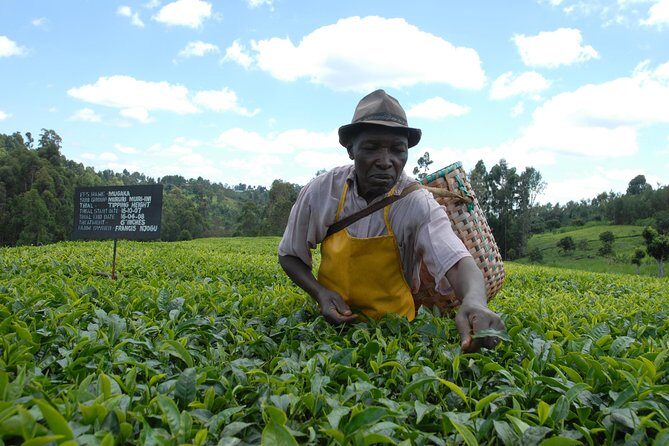
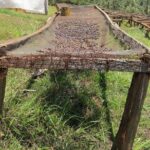
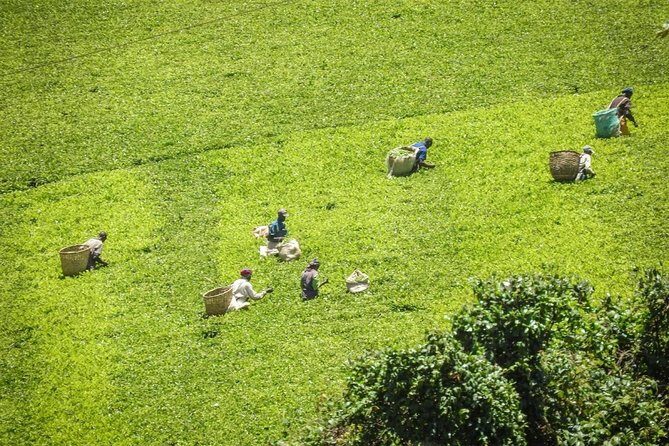
When you arrive around 11am, you’ll settle in with a cup of tea or coffee. This is more than a welcome drink. It sets the tone: you get an informal explanation of the farm and the process of making tea, then you have the chance to see tea plants in the field.
This is the part I’d call the foundation. Kenya’s tea is one of the country’s top export crops, but it’s easy to think of it as a single product you buy in a shop. On the farm, you start seeing it as a living system: where the bushes grow, what gets harvested, and how the idea of tea as a drink connects back to cultivation and processing.
If you care about food and agriculture, this portion pays off later. After the forest walk and the lunch, you’ll be able to connect what you’re seeing with why tea farming matters beyond the cup.
What to watch for
- Tea plants as you walk through the field area
- Explanations of the tea-making process while you’re still fresh and attentive
- The overall feel of the property, with views out toward the Ngong Hills later in the day
Walking the Indigenous Forest With a Local Guide
After the tea talk, you’ll head into an indigenous forest section with a resident Kenyan guide. This is where the day turns from agriculture to ecology.
The guide identifies plants and explains how they’re traditionally used. That traditional-use angle matters because it makes the walk feel grounded in real life, not just a nature lecture. You’re looking at plants, yes, but also learning how locals have understood them over time.
And then there’s wildlife. Colobus monkeys are often seen very close to the path. You don’t need a pair of binoculars the size of a suitcase to appreciate them, and the surprise factor is real. One minute you’re listening, the next you’re looking up.
You’ll also wander through gardens where birds and flowers add a second layer to the experience. Even if you’re not a serious bird person, it’s a pleasant reset from constant city motion. The air feels cleaner, too, and that alone can make the whole day feel like a vacation inside your vacation.
A small consideration
This section involves walking. It’s not described as extreme, but it is a forest walk, so wear shoes you’re comfortable in on uneven ground. If you’re someone who hates walking, you might find this the hardest part of the day.




Verandah Views Before Lunch: Ngong Hills and a Pre-Meal Reset
Before lunch, you’ll return to the house for a pre-lunch drink on the verandah. The big payoff here is the view: you’re looking across the tea fields toward the Ngong Hills.
This pause is useful. It gives you time to cool down, take photos without rushing, and let your body stop bracing for movement. The day flows better after this break, because the meal is next and you’ll actually enjoy it instead of eating while your legs are still in the work mode.
If you’re traveling with someone who likes scenery but gets bored by long explanations, this verandah stop helps balance the day. Even if you skip every other detail, you still get a calm moment with wide views.
Lunch and Drinks: Where the Value Really Shows

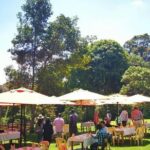
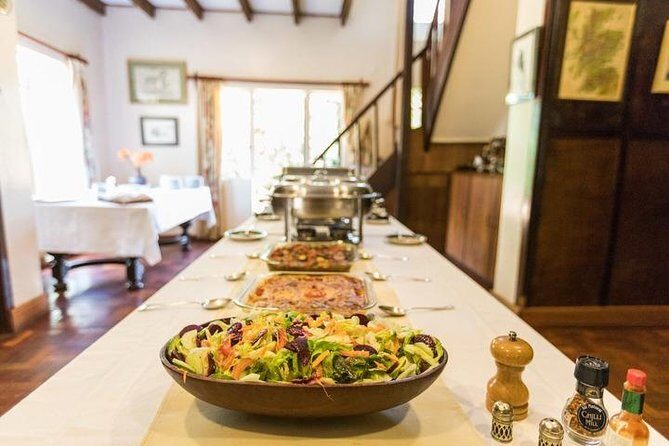
Lunch is included, along with drinks at the farm. This is not just a boxed meal situation. From the way the day is described, it’s a home-cooked farm lunch, and some parts of the food are grown in the garden.
That garden-to-plate detail is one of the most satisfying “value” points in the whole tour. You’re paying for a full day and a lot of included items, but you also get a meal that feels connected to the place you’re visiting. In one account, people specifically noted the food was excellent and that it felt like many ingredients came from the property.
Another practical reason lunch matters: it keeps you from having to plan where to eat in a rural area. When you’re on a day trip from Nairobi, eating logistics can become a stress trap. Here, the meal is part of the schedule, so you can relax.
What you can expect from the meal
- A farm lunch included in the price
- Drinks during your time on-site
- A setting that feels like a garden home rather than a cafeteria
Price and What You’re Actually Getting for $115
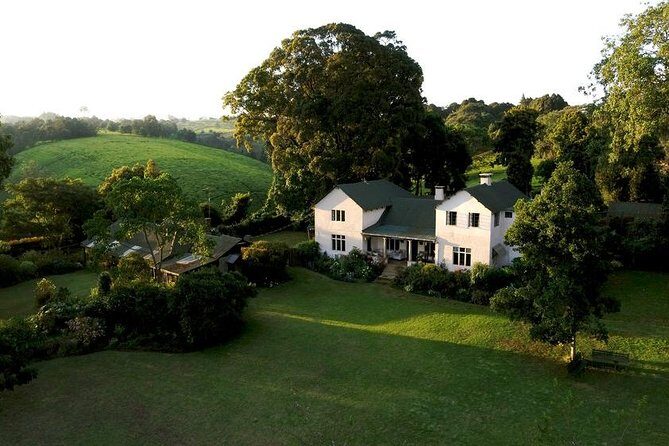
The price is $115 per person, and it’s typically booked about 40 days in advance. Private tours can cost more than group ones, so it’s fair to ask what you’re buying.
Here’s the practical checklist of what’s included:
- Round-trip pickup and drop-off within Nairobi CBD
- All transport and all fees
- Lunch
- Drinks at the farm
- Admission and guided experiences (tea farm time plus guided forest walk)
- Assistance at any point
- Airport pickup is also listed as included
When you break it down, you’re paying for three things that are hard to do cheaply on your own: transportation from Nairobi, access/fees, and guided time that turns tea fields into a real learning experience. If you’ve ever tried to DIY a tea plantation day trip, you know the hidden costs add up fast: a driver for hours, entrance or farm handling, and the time you spend figuring it out instead of enjoying it.
One more thing: the reviews’ overall rating is very high (5 stars across many entries). While ratings aren’t everything, the pattern is consistent: beautiful gardens, good food, and guides who make the day enjoyable.
Who This Day Trip Suits Best
This tour makes the most sense if you want a Nairobi break that still feels intentional. It’s great for:
- People who like tea, coffee, and food production stories
- Anyone who enjoys nature walks with a guide who points out plants
- Bird and wildlife fans who like seeing animals in their natural habitat (or close to it)
- Travelers who want an easy day with pickup and meal handled
It’s also a strong fit for couples or small groups because it’s private for your group. That privacy can mean more personalized pacing, more Q&A, and fewer awkward moments while you wait for someone else to catch up.
If you’re purely chasing a fast checklist of attractions, this might feel slower than you expect. But if you want a day that feels restful and meaningful, it hits the mark.
Tips to Get the Most From Your Visit
You’ll enjoy the day more if you plan for comfort and attention. Here are a few practical pointers based on what you’ll actually do:
- Wear comfortable shoes for the indigenous forest walk.
- Bring a light layer for shade and cooler air in the hills area.
- Have your phone ready, but don’t forget you’ll get a verandah view and a garden wildlife moment—so bring something you can hold steady.
- If you like asking questions, this tour is friendly for it. The tea and forest portions are structured around explanations, so your questions won’t feel random.
Also, if you’re the type who gets distracted easily, start the day focused. The tea-process explanation happens earlier, while you’re arriving fresh. It sets up your whole day.
Should You Book the Kiambethu Tea Farm Day Tour From Nairobi?
I’d book it if you want a real break from the city that doesn’t sacrifice comfort or context. The combination of tea-field learning, an indigenous forest guided walk, and a farm lunch with drinks is a solid package for $115, especially because pickup/drop-off and fees are covered.
Skip it only if you strongly dislike walking, or if you’re looking for a purely urban-style sightseeing day with lots of high-energy attractions. This is a calm, hands-on, nature-and-agriculture day trip.
If you want tea that comes with a story, gardens that come with birds, and monkeys that can surprise you up close, Kiambethu is one of those days you’ll remember for the way it slows you down.
FAQ
How long is the Kiambethu Tea Farm day tour?
The tour runs for about 8 hours.
What time does pickup happen in Nairobi?
Pickup is arranged within Nairobi CBD and the tour starts around 9:30am, with pickup typically at about 9:45am.
Is round-trip transport included?
Yes. Pickup and drop-off to your hotel or residency within Nairobi CBD is included, along with all transport.
What does the tour include for meals?
Lunch is included, and drinks are provided at the farm.
Is there a guided component at Kiambethu?
Yes. You get an informal tea-farm explanation with tea or coffee, and you also take a walk in the indigenous forest with a resident Kenyan guide who identifies plants and shares traditional uses.
Can I see wildlife during the forest walk?
You can look out for colobus monkeys close up, and there are also birds and flowers in the gardens.
Is this tour private?
Yes. Only your group participates.
Do I need to pay admission fees?
All fees are included.
Is tipping required?
Tips are optional.
What’s the cancellation policy?
You can cancel for a full refund up to 24 hours in advance of the experience start time. If you cancel within 24 hours, the amount paid is not refunded.
Is the tour suitable for most people?
Most travelers can participate.