REVIEW · NAIROBI
Rent A Local
Book on GetYourGuide →Operated by Nairobi Experience · Bookable on GetYourGuide
Nairobi feels personal with a local guide. This 5-hour Rent a Local experience pairs you with a local (many bookings mention Musa) to shape a custom day that blends markets, scenic stops, and culture in a small group.
What I really like is the human time built into the schedule. You’re not just watching from the sidewalk—you’re eating street food and swapping stories with people who live Nairobi every day, plus you get a real personalized itinerary based on what you care about (food, history, community life, and more).
One caution: in a tour this length, you have to accept trade-offs. Some major sights may require extra budgeting for entrance fees, and transport from your accommodation isn’t included, so you’ll want a clear plan for the pickup.
In This Review
- Key things to know before you go
- Why this Nairobi “Rent a Local” approach works so well
- Your 5 hours in Nairobi: what the day feels like
- 1) Meet at Nairobi and get your plan set quickly
- 2) Walking time, scenic views, and “on the way” stops
- 3) Arts & crafts market stop plus local snack time
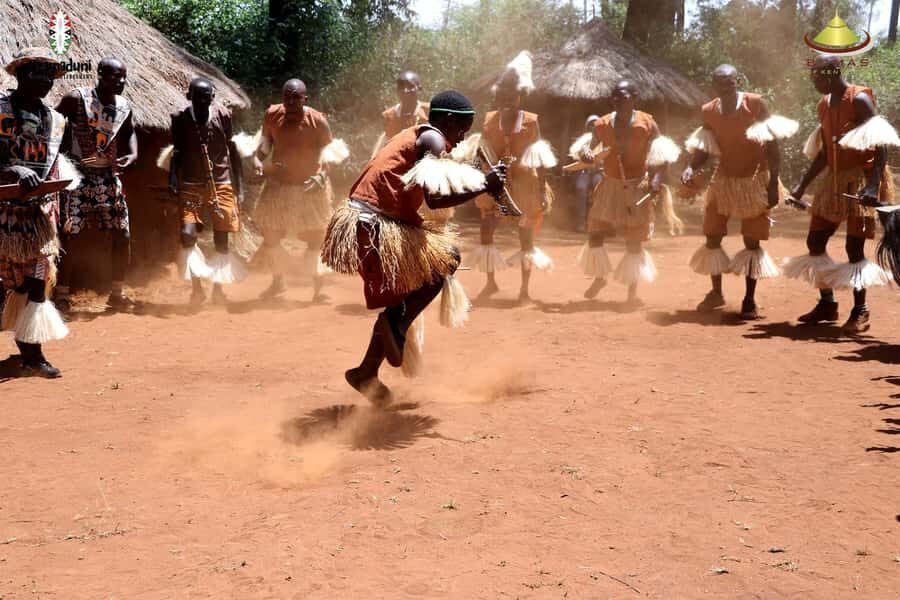
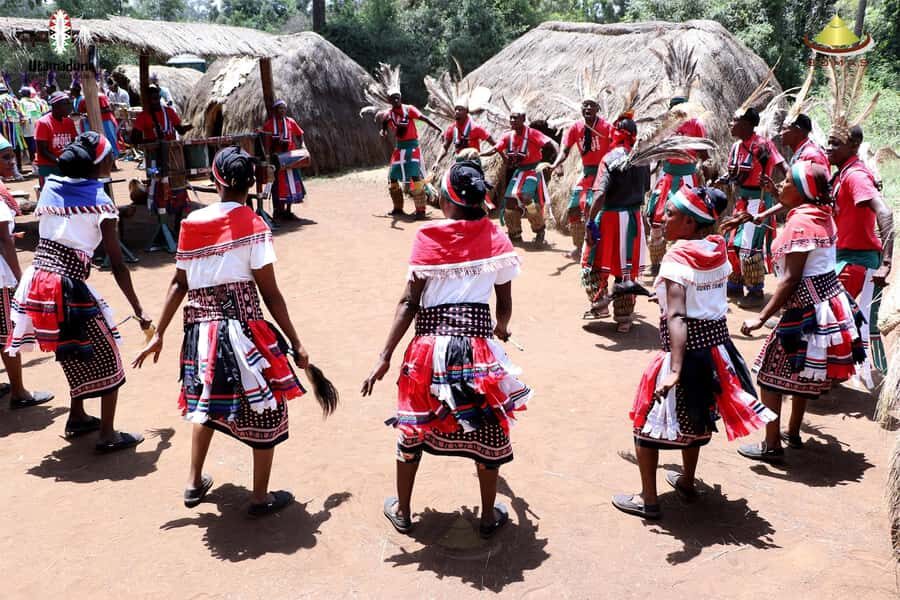
- 4) A cultural centerpiece: traditional dance show (2 hours)
- 5) End back in Nairobi
- Karen Blixen Museum, Nairobi National Park, and the “choose-your-mood” value
- Street food and local snacks: how to eat well without overthinking it
- Kibera and community conversations: what you gain and how to stay respectful
- Group size and pacing: who this tour suits best
- Price and value: what $47 is really buying
- Guide quality: what Musa’s reviews tell you about the experience
- Should you book Rent a Local in Nairobi?
- FAQ
- FAQ
- How long is the Rent a Local experience?
- What is the group size?
- Are the tours guided in English?
- What’s included in the tour?
- Is food included?
- Are entrance fees included?
- Do I get transportation from my accommodation?
Key things to know before you go

- Musa gets consistently praised for punctual, attentive service, including help that went way beyond a typical sightseeing day (including searching for a specific family grave).
- Small group (up to 5 participants) means more chances to ask questions and less rushing.
- Street food + local snacks are part of the experience, not an afterthought.
- Arts & crafts market time gives you a chance to connect purchases to actual makers and stories.
- A traditional dance show (2 hours) anchors the day with a clear cultural payoff.
Why this Nairobi “Rent a Local” approach works so well

Nairobi can feel big and complicated fast—traffic, neighborhoods with totally different vibes, and a lot of “tourist Nairobi” that doesn’t always show the real rhythm of the city. That’s where this style of tour helps. You’re not buying a generic checklist. You’re renting time with a local guide who can steer the day toward what you actually want.
The other big win is the small group size (limited to 5). In practical terms, that means your guide can adjust as you go. If your group wants more walking, they can plan for it. If you’d rather slow down and spend longer chatting with artisans or stopping for snacks, the day can flex.
And the guide experience matters. In the reviews, Musa is singled out for being punctual and attentive, and even for reaching out and coordinating well before the tour. There’s also a standout story from a traveler using the day to retrace their parents’ history in Kenya—Musa didn’t just translate; he worked to make it happen, including asking locals to help with a cemetery search. That tells me this isn’t a “drive-by and drop you off” kind of guide.
You can also read our reviews of more tours and experiences in Nairobi.



Your 5 hours in Nairobi: what the day feels like
Even though the tour is short—5 hours—it’s packed in a way that doesn’t feel like a sprint. The flow is designed to mix viewpoints, walking time, food breaks, and culture.
Here’s the general rhythm you should expect:
1) Meet at Nairobi and get your plan set quickly
You start with pickup in Nairobi, then you’ll meet your guide and get a day plan that matches your interests. Because it’s customizable, you’re not stuck with a fixed script where you have to pretend you care about every stop.
This is also where your guide can calibrate expectations. If you’re more into street life and food, you’ll likely spend more time around markets and local eateries. If history or landmarks pull you more, the schedule can tilt that way.
2) Walking time, scenic views, and “on the way” stops
The itinerary includes walking and scenic viewing on the way, with aerial view moments mentioned. Translation: you’ll get a few chances to look at Nairobi from angles you’d miss on your own, and you’ll have time to move at a human pace.
The trade-off is simple: with a 5-hour window, you won’t see everything. You’ll see what your guide can fit intelligently—plus the places that fit your interests.
3) Arts & crafts market stop plus local snack time
You’ll also hit an arts & crafts market visit, with street food and local snacks part of the experience. This is one of the best sections for first-time Nairobi visitors, because it does two jobs at once:
- You get sensory context—colors, fabrics, spices, and how people actually shop.
- You learn how to buy without feeling like you’re guessing.
I like this segment because it turns shopping into understanding. Even if you don’t plan to buy much, you’ll learn what locals make and what people value.



4) A cultural centerpiece: traditional dance show (2 hours)
One of the itinerary’s clearest anchors is the traditional dance show lasting 2 hours. That length matters. It’s not a quick performance you glance at and forget. This is the part of the day where the cultural tone gets set.
If you enjoy dance, music, or performance, this section will likely feel like the highlight. If you’re not into shows and would rather keep moving, consider that 2 hours is a real chunk of a 5-hour tour.
5) End back in Nairobi
You’ll wrap up by returning to Nairobi at the end of the experience.
Karen Blixen Museum, Nairobi National Park, and the “choose-your-mood” value

The tour description points to some major Nairobi anchors—places like Karen Blixen Museum and Nairobi National Park—plus neighborhood experiences such as community life in areas like Kibera.
Here’s the practical way to think about it: your guide is building a day that combines Nairobi’s layers. Some stops give you historical context (Karen Blixen Museum), some give you a city-close wildlife angle (Nairobi National Park), and some give you daily-life context through community engagement (like Kibera).
Two things you should keep in mind:
1) Park and museum-style stops can come with extra costs. Entrance fees are not included, so if those are in your plan, budget for that.
2) Time is the boss. On a 5-hour tour, you usually won’t hit every iconic option deeply. What you’ll get instead is a smart mix based on your priorities.
I like this structure because it rewards decision-making. If you’re short on time and want the best “Nairobi picture” possible, you can let your guide steer you to what matters most.
Street food and local snacks: how to eat well without overthinking it
Food is where Nairobi starts to feel real. This experience includes street food, local snacks, and refreshments or water during the tour.
What you should know before you go:
- Additional meals and extra drinks are not included, so you’ll want to plan for yourself after the tour if you’re hungry.
- The goal isn’t fine dining. It’s Kenyan flavors you can access in the flow of the city—exactly the kind of food that’s easier to find (and taste confidently) with a guide.
This is also where the guide’s role becomes more than “tour guiding.” A local guide can help you choose spots that fit your comfort level and help you understand what you’re eating, even if your food vocabulary is still warming up.
For a first Nairobi visit, this is a high-value part of the day. It’s less about scoring a checklist and more about eating in the rhythm of the city.
Kibera and community conversations: what you gain and how to stay respectful

The tour highlights interaction with local communities and artisans, with neighborhoods like Kibera listed as a possible part of the experience. It also mentions meeting storytellers and community leaders and hearing firsthand accounts of daily life and initiatives.
This is important, because a community-focused stop can turn into either:
- a thoughtful exchange that adds context, or
- a snapshot that feels extractive.
A responsible guide approach makes the difference. This tour is built around interaction—not just photography—so you’re more likely to leave with perspective.
Still, use common sense:
- Ask questions, don’t demand answers.
- Follow the guide’s lead on what’s appropriate to film, photograph, or purchase.
- Remember you’re a visitor in someone’s real neighborhood, not a customer buying a show.
If you’re the type of traveler who likes context—how people live, create, and solve problems—this section can be one of the most meaningful parts of your Nairobi day.
Group size and pacing: who this tour suits best
With a group size capped at 5, this tour suits people who want a more personal day rather than a big-bus vibe.
Here’s who I think will get the most from it:
- Solo travelers who want conversation without feeling lost. One review specifically mentions a solo female traveler and praises the guide’s considerate, above-and-beyond attitude.
- Couples or small groups who want a shared experience with room to ask questions.
- People who like flexible travel—the itinerary is personalized to interests, so you’re not locked into a single theme.
It may not be ideal if:
- You want a long, museum-heavy day with lots of formal time inside ticketed attractions.
- You hate the idea of a 2-hour dance show being part of the schedule.
- You plan to rely on the tour to include all transport and entrance costs. Those are partly on you.
Price and value: what $47 is really buying

At $47 per person for 5 hours, this is a budget-friendly way to get a guided, local-leaning day. But the real value isn’t just the price—it’s what you’re getting bundled.
Included highlights:
- A local guide for the whole experience
- A personalized itinerary tied to your interests
- Interaction with local communities and artisans
- Refreshments or water
Not included:
- Additional food or meals beyond what’s provided
- Personal purchases (souvenirs, etc.)
- Entrance fees for where needed
- Transportation to and from your accommodation
So is it a deal? For the right traveler, yes. You’re paying for time with a guide plus planned cultural and food moments. If you’re also paying extra entrance fees and using your own transport, the total can rise—but you’ll still likely come out ahead versus paying for multiple separate guided services.
My practical suggestion: before you book, decide which “optional” big-ticket stops you care about most (for example, a museum or park). Then budget entrance fees accordingly. That keeps the day from turning into surprise math.
Guide quality: what Musa’s reviews tell you about the experience

Multiple reviews emphasize Musa’s approach: punctual, attentive, and genuinely willing to adapt. One reviewer wrote that Musa was excellent before arrival and throughout the service. Another praised him as warm and helpful.
The most telling review, to me, is the one where the traveler had an unusual goal: retracing their parents’ history, including searching an overgrown cemetery. Musa worked with locals who joined in the search for a specific grave. That’s not typical tour-guide behavior. It’s effort, patience, and initiative.
So if you’re worried you’ll get a cookie-cutter version of Nairobi, the reviews suggest you’re more likely to get something personal and respectful.
And for a solo traveler, that matters even more. The review that calls out Musa’s care for a solo female traveler hints at the tone you can expect: polite, present, and focused on making the day work for you.
Should you book Rent a Local in Nairobi?

I’d book this if you want Nairobi through people, not posters. The combination of street food + market time + cultural performance + community conversation, all guided in a small group, makes the day feel human.
I’d think twice if:
- You want only ticketed attractions and don’t care much about food, markets, or dance.
- You don’t want to handle transport logistics or entrance fees separately.
- Your interests are very specific but you’re unwilling to let a guide shape a flexible route.
If you’re coming to Nairobi for the first time and you want a guided day that actually explains what you’re seeing—this is a strong fit.
FAQ
FAQ
How long is the Rent a Local experience?
It lasts 5 hours.
What is the group size?
It’s a small group, limited to 5 participants.
Are the tours guided in English?
Yes, the tour guide provides service in English.
What’s included in the tour?
You get a personalized itinerary, a local guide, interaction with local communities and artisans, and refreshments or water during the tour.
Is food included?
The experience includes street food and local snacks, but it does not include additional meals beyond what’s provided during the tour.
Are entrance fees included?
No. Entrance fees are not included.
Do I get transportation from my accommodation?
No. Transportation to and from your accommodation is not included.