REVIEW · NAIROBI
Private Day Trip to Kiambethu Tea Farm in Limuru from Nairobi
Book on Viator →Operated by PERFECT WILDERNESS TOURS AND SAFARIS · Bookable on Viator
Kiambethu is the kind of day trip that feels like a reset button. You leave busy Nairobi, ride into Limuru’s tea country, and spend the morning learning how Kenya’s tea is grown and processed—then you eat well and sip freshly brewed tea with Ngong Hills in view.
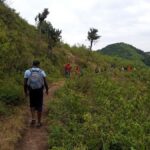
What I like most is the mix of tea education and wildlife-friendly walking. You get guided time through the plantation and gardens, plus a short nature walk where your guide points out plants and you keep an eye out for Colobus monkeys.
One thing to consider: you’re in highland tea country at 7,200 feet (2,195 meters), so if you’re sensitive to altitude or cool mornings, plan a light layer and take it slow on the walk.
In This Review
- Key points to know before you go
- Why Kiambethu Makes Sense for a Nairobi Day Trip
- Getting There: Private Pickup to Limuru and Tea-Country Altitude
- Tea Farm Arrival: First Tea, Quick Orientation, Then a Walk
- The Plantation Tour and the Indigenous Forest Nature Walk
- Verandah Views and Tea Tasting: What You Should Pay Attention To
- 3-Course Farm Lunch with Fresh Produce and Great Views
- Price and Value: What $141 Buys You (and What It Doesn’t)
- Who This Tour Fits Best (And Who Might Want a Different Day)
- Should You Book Kiambethu? My Honest Take
- FAQ
- What time does the Kiambethu tour start?
- How long is the experience?
- What’s included in the price?
- Are alcoholic drinks included?
- Can you accommodate dietary requirements?
- Is it easy to cancel if plans change?
Key points to know before you go
- Private transport from Nairobi CBD with hotel pickup and drop-off
- Kiambethu’s tea heritage from 1910, still operated by the same family
- Walking tour + indigenous forest stroll with plant spotting and stories
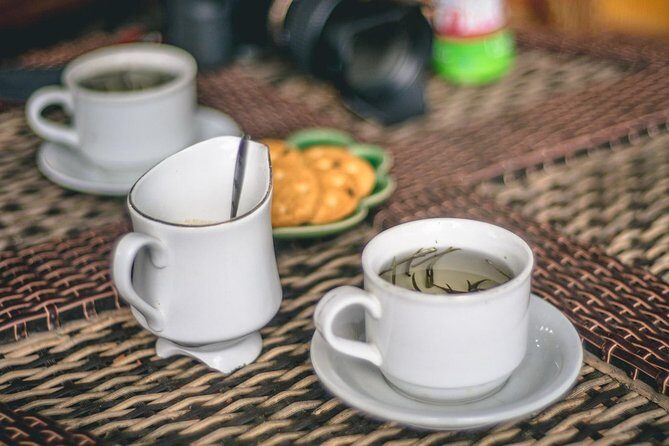
- Tea tasting with fresh brewing on the farmhouse verandah
- 3-course farm lunch plus drinks overlooking the tea fields and Ngong Hills
- Wildlife chances for birds and Colobus monkeys
Why Kiambethu Makes Sense for a Nairobi Day Trip
If you’ve ever passed tea estates on the way out of Nairobi and wondered what actually happens to those leaves, this is your answer. Kiambethu Tea Farm goes back to 1910, and the experience is built around seeing tea as an ongoing farm system—not just a photo stop.
The best part is pacing. You’re not hustled through a “museum tour” vibe. Instead, you walk, you listen, you sip, and you eat. That flow matters because tea farming is seasonal and hands-on, so the day feels clearer once you’ve been out among the plants and talked through how processing works.
For me, the standout value is that you’re paying for more than admission. You’re buying a whole morning learning session, a proper lunch, and round-trip comfort with pickup/drop-off arranged from Nairobi.
You can also read our reviews of more private tours in Nairobi


Getting There: Private Pickup to Limuru and Tea-Country Altitude
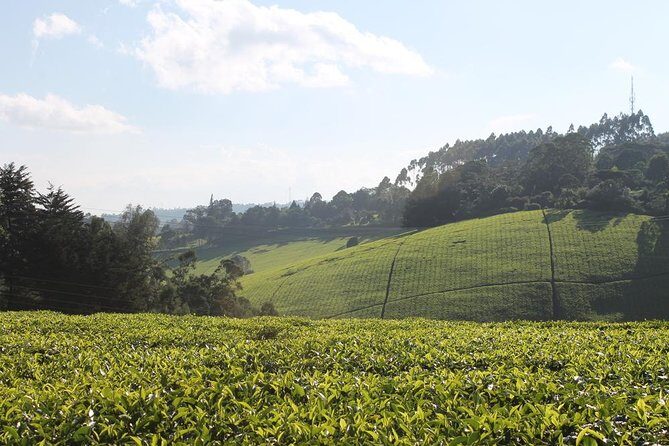
Your day starts with pickup from your place in Nairobi CBD around 9:45am. Then you ride in a private vehicle toward Limuru, where the farm sits at about 7,200 feet (2,195 meters). The drive is often described as scenic, and you’ll also appreciate having a safe, calm ride when Nairobi traffic is doing what it does.
This matters for practical reasons. First, tea estates are farther from the city than most people expect. Second, the altitude can bring cooler air than you’d guess from Nairobi’s weather—especially if you’re out early. I’d pack a light jacket or long sleeves so you’re comfortable during the walk.
Also, bring a simple mindset: this is a countryside day. You’ll get out of the city, not just out of a street corner.
Tea Farm Arrival: First Tea, Quick Orientation, Then a Walk
When you arrive around 11am, you start with a hot drink—tea or coffee—and an informal intro to the history of the farm and how tea is made. It’s a nice setup because it gives you the “big picture” before you start moving through the fields.
Then you transition into field time. On arrival, the day is designed to feel active but not strenuous. You’ll see tea plants growing and get a better sense of how rows, harvest timing, and processing connect.
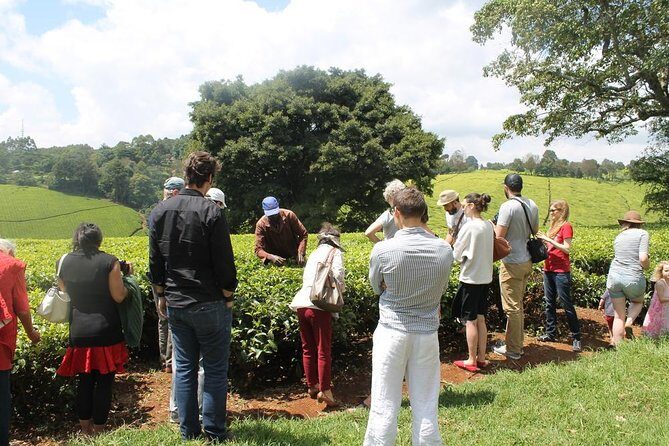
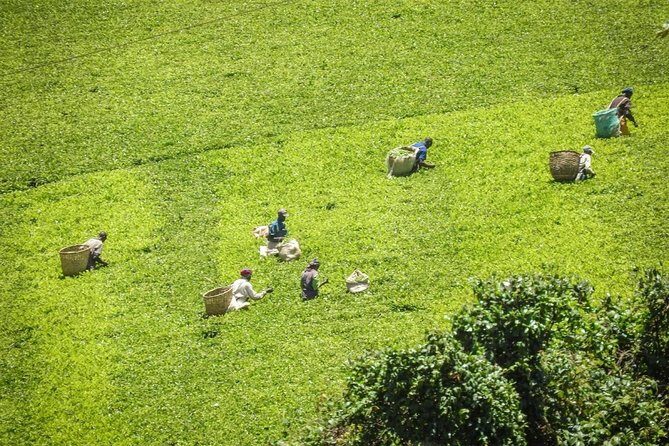
From there, you’ll head into a walking tour of the plantation. Guides help you connect what you’re seeing—like leaf growth and harvest practices—to what you’ll later taste.
The Plantation Tour and the Indigenous Forest Nature Walk
This part of the day is where the farm stops feeling like a product and starts feeling like a living place.
You’ll walk through tea areas while an expert guide explains how tea leaves are grown, picked, and processed. You’ll also get the story of Kiambethu’s founding by AB McDonell in 1910, and the fact it’s still run by the same family gives the day a sense of continuity. When a farm has operated for over a century, you can actually hear how methods and knowledge have been passed along.
Then comes the short shift into the indigenous forest. This isn’t just “pretty trees.” Your guide identifies plants and shares how they’re traditionally used. That’s useful because it adds context for why this region’s environment matters to the people living around it—not just to tourists.
Wildlife chances are part of the experience. You may spot Colobus monkeys and a lot of birds around the gardens. The Colobus sightings won’t be guaranteed, but it’s the kind of place where a careful eye pays off. Even on days with no monkeys, the bird life and garden variety usually keep you entertained.
If you want photos, go easy early on. Your guide’s explanations land better when you’re not spending the first hour trying to frame everything.
Verandah Views and Tea Tasting: What You Should Pay Attention To
After the walking segments, you head back to the farmhouse. This is where the day slows down on purpose.
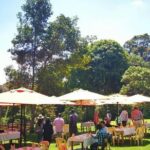
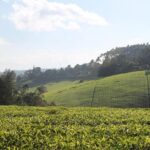
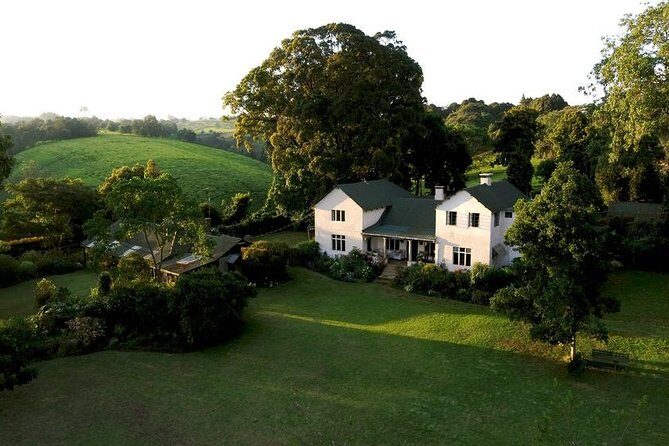
You’ll pause for a pre-lunch drink on the verandah, with sweeping views across tea fields to the Ngong Hills. That scenery isn’t just background. It helps you understand the scale—tea estates roll out over hills, and the farm is shaped by the terrain.
Then comes tea tasting. You get to sample freshly brewed Kenyan tea, guided so you’re not just guessing what you should notice. Pay attention to aroma and how the flavor develops as the tea cools slightly. Freshly brewed tea can taste brighter and more immediate than what you get from a packet or from tea bags steeped at home.
Also, it’s worth asking questions here. Guides like Fiona are often the kind of people who answer with real examples, not vague tourist talk. In the past, staff have been described as warm and accommodating, and that friendly tone makes the tasting more enjoyable.
A few more Nairobi tours and experiences worth a look


3-Course Farm Lunch with Fresh Produce and Great Views
Lunch is a serious part of this tour. You’ll enjoy a 3-course buffet lunch served after the tasting and farmhouse break. The key detail for your planning: it’s described as made with produce fresh from the farm, and it’s served with the views out over the tea fields.
Buffet style usually works well for mixed groups because you can adjust to what you actually feel like eating after a morning walk. You’ll also have drinks at the farm and bottled water included, which helps keep the day comfortable.
Alcohol isn’t included, so if you want that, you’ll need to plan around it. This is a lunch where you should focus on the food and the setting rather than turning it into a long party.
Dietary needs: you’re asked to advise any dietary requirements when booking. If you have restrictions, don’t wait—send details ahead of time so the team can prepare.
Price and Value: What $141 Buys You (and What It Doesn’t)
At $141 per person, this isn’t the cheapest day trip option from Nairobi. But it can be good value because the price includes several things that add up fast if you try to DIY:
- Hotel pickup and drop-off within Nairobi CBD
- Round-trip transport by private vehicle
- A local English-speaking guide
- Lunch (3 courses) plus drinks at the farm
- Bottled water and an admission ticket included in the experience
You’re basically paying for a full service day: getting there comfortably, having someone explain what you’re seeing, and getting fed without extra planning. That’s especially valuable if you want tea country without the hassle of arranging transport, negotiating timing, or finding a guide once you’re already out of town.
The main “what you should watch” item is alcohol. It’s not included, so factor that in if you’re a drink-with-lunch person.
There’s also mention of group discounts. If you’re traveling with friends or family, it can make sense to book together so you squeeze more value out of the private setup.
Who This Tour Fits Best (And Who Might Want a Different Day)
This is a great match if you want:
- A calm, low-stress nature break from Nairobi
- Real learning about how tea farming works, not just a quick walk-and-leave
- A day that mixes scenery, food, and guided explanation
- A chance—however not guaranteed—to see birds and possibly Colobus monkeys
It’s also a smart choice for first-time visitors to Nairobi who want an easy “Kenya beyond the city” day without switching into safari mode.
You might consider a different option if:
- You expect a full tea factory walkthrough, because the emphasis here is on the plantation experience, forest walk, tasting, and the farmhouse setting.
- You’re hoping for lots of indoor exhibits—this day is built around being outside.
Should You Book Kiambethu? My Honest Take
Book it if you want a day that’s genuinely different from Nairobi traffic and office routines, but still structured and comfortable. I like that it combines tea learning, a guided walking tour, and a proper lunch in a beautiful working farm setting.
I’d book sooner rather than later if your travel dates are fixed, since the tour is often booked around 47 days in advance on average. And if you’re altitude-sensitive, plan for a slower pace and bring a warm layer for the morning.
If you’re in Kenya for the first time and you love food, nature, or craft/process stories, this is one of those rare day trips that ends with you holding a cup of tea and actually understanding what you’re drinking.
FAQ
What time does the Kiambethu tour start?
Pickup is within Nairobi CBD around 9:45am, and you typically arrive at the farm around 11am.
How long is the experience?
The tour runs for about 6 hours overall (approximately). The farm portion is listed as 4 hours with admission included.
What’s included in the price?
It includes hotel pickup and drop-off within Nairobi CBD, lunch, drinks at the farm, bottled water, a local English-speaking guide, and an admission ticket.
Are alcoholic drinks included?
No. Alcoholic drinks are not included.
Can you accommodate dietary requirements?
Yes. You should advise any specific dietary requirements at the time of booking.
Is it easy to cancel if plans change?
Yes. You can cancel for a full refund up to 24 hours before the experience’s start time.