REVIEW · NAIROBI
Nairobi Coffee Farm and Factory Tour
Book on Viator →Operated by Safari Port · Bookable on Viator
Coffee and Africa in one smooth half-day plan. You’ll head out just beyond Nairobi to Fairview Coffee Estate for a farm-to-cup look at how coffee becomes a cup. The best part is that it’s not just a quick stop; it’s a real walk through the working steps of coffee production, with plenty of time to ask questions.
I especially liked the farm-to-cup flow—growing, harvesting, drying/processing, and roasting all get explained in plain language. I also loved the free coffee and snacks, since tasting is where the lessons start to stick (and you can compare what different grades/roasts taste like).
One thing to plan for: the listing says the admission ticket isn’t included, and at least some visitors report an extra farm fee (often around $30). If you’re watching your budget, factor that in before you go.
In This Review
- Key things to know before you book
- Getting to Fairview Coffee Estate: the Nairobi country break
- The working farm walk: what happens before coffee reaches your cup
- Inside the factory side: grading and roasting you can actually picture
- The tasting: comparing Kenyan coffee grades with free samples
- Timing that fits a half-day: how long to plan for
- Price and value: what $98.50 gets you, and what might cost extra
- Private experience and guides: why it feels personal
- Where you might want to adjust expectations
- Who should book this Nairobi coffee farm tour
- Should you book the Nairobi Coffee Farm and Factory Tour?
- FAQ
- Where does the tour take place?
- How long is the Nairobi Coffee Farm and Factory Tour?
- Is hotel pickup and drop-off included?
- Is coffee tasting included?
- Are admission tickets included in the price?
- Can I buy coffee at the farm?
- Is the tour private?
- Do I get a mobile ticket?
- What’s the cancellation window?
Key things to know before you book
- Fairview Coffee Estate is about 20 minutes from Nairobi’s city center, so you get countryside time without losing a whole day.
- Hotel pickup and drop-off keep logistics easy, especially if you’re staying in town.
- Free coffee and snacks make this feel like more than a viewing tour.
- Private experience for your group (not a cattle-car group scramble) means you can move at a comfortable pace.
- Coffee grading and roasting are part of what you’ll see, not just the plantation view.
- Packaged farm coffee for sale is available, but it’s optional and extra.
Getting to Fairview Coffee Estate: the Nairobi country break
This is one of those Nairobi-area tours that works because the travel time is short. You’re based in Nairobi, then you’re out at Fairview Coffee Estate in roughly 20 minutes from the city center. That matters: you get fresh air and a true farm setting without spending your morning staring at traffic.
On the way, the tone usually shifts from city to coffee. Expect conversation about how coffee fits Kenya’s economy, plus a high-level overview of what you’ll see once you reach the estate. It’s a nice setup, because when you arrive, you’re not just looking at trees—you’re trying to place each step in the journey.
And yes, the experience is designed to be easy logistically: round-trip transfers from your Nairobi hotel are included. If you’re traveling with limited time, or you’d rather not negotiate transport, that’s a big value point.
A few more Nairobi tours and experiences worth a look

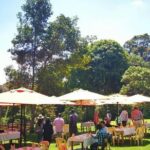
The working farm walk: what happens before coffee reaches your cup
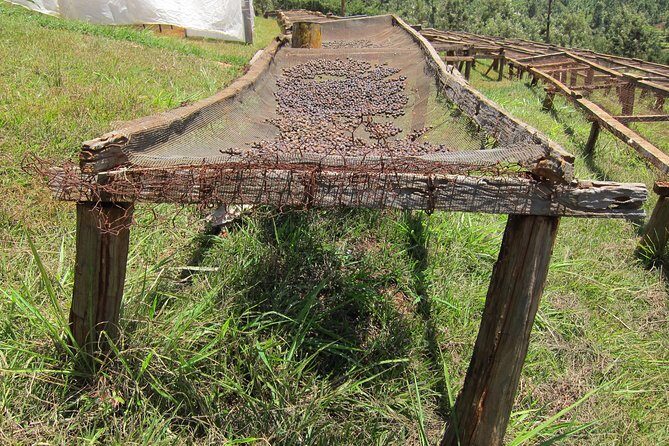
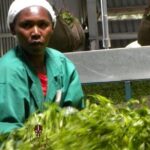
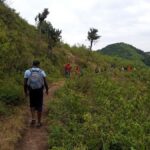
Once you’re at the estate, the tour focuses on the full production story. You’ll walk around the coffee area and see coffee plants in different parts of the process, then you’ll get explanations that connect what you see to what happens next.
From what you can expect on-site, the core focus is the chain of work that turns coffee cherries into roasted coffee beans. That usually includes:
- harvesting and sorting ideas (coffee doesn’t just get picked and then roasted)
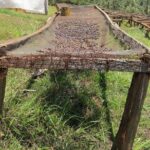
- drying and processing steps (where timing matters for flavor)
- grading coffee (so you understand why two bags can taste so different)
- roasting (where aroma changes fast and dramatically)
One reason this tour is worth your time is that it doesn’t treat coffee like magic. It frames coffee as labor, decisions, and quality control. You’ll hear how different stages can affect taste, and you’ll start noticing that the final cup is the result of many earlier steps.
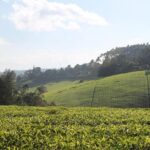
The plantation setting also helps. Even if you’re not a coffee superfan, the walk gives you something visual and memorable: rows of coffee plants, the working pace of a real estate, and the practical layout of how coffee moves through processing.
Inside the factory side: grading and roasting you can actually picture
A lot of coffee tours stop at tasting. This one aims to connect the walk with what happens at the factory level. You’ll learn about coffee grades and then see how those grades connect to processing and roasting.
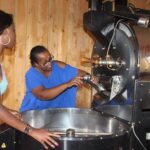
Roasting is especially important to understand because it’s where coffee shifts from “raw ingredient” to “the flavor you know.” In a setting like Fairview, the process is explained in a way that keeps you oriented: you learn what’s happening and why someone would roast one batch differently from another.
If you care about coffee flavor, this part is the payoff. You can taste, sure—but roasting and grading give you a framework to make sense of what you’re tasting. The tour helps you connect terms you might see on coffee labels to real steps on a working estate.
The tasting: comparing Kenyan coffee grades with free samples
The free tasting is where the tour clicks. You’ll have the chance to sample freshly brewed Kenyan coffee, along with additional tastings that help you compare differences.
Based on the types of tasting people describe, you should be prepared for more than one cup. Many visitors talk about tasting several coffee grades (some mention up to four). The format is usually straightforward: you taste, then you’re told what to pay attention to—often things like roast level and how the grade changes the profile.
This is also a smart moment to ask questions. If you want to understand whether you prefer a lighter roast for acidity or a darker roast for deeper, heavier flavors, tasting is the place to test that theory. Your guide can translate the production talk into what you’re experiencing in the cup.
And since snacks are included, it’s a more comfortable stop. You’re not just drinking coffee on an empty stomach, and it keeps the tour from feeling like a rushed demo.
Timing that fits a half-day: how long to plan for
The tour is listed at about 2 to 3 hours. At the same time, the estate portion is described as a longer block on the schedule, and multiple people describe it as a half-day activity. In real life, that means you should plan for a morning or early afternoon window, not a tight hour-by-hour slot.
Here’s what helps you plan well:
- Hotel pickup means you should set aside buffer time before the tour starts.
- The walk through the estate takes time, especially if you like to ask questions.
- The tasting portion is part of the experience, not an afterthought.
If you’re pairing this with other Nairobi plans, I’d build in breathing room. You’ll come back smelling like coffee (in a good way), and you’ll likely want a relaxed gap afterward rather than rushing into another activity right away.
A few more Nairobi tours and experiences worth a look



Price and value: what $98.50 gets you, and what might cost extra
At $98.50 per person, this tour is priced for people who want guided structure and easy transport—not DIY coffee shopping. The key value is that you get hotel pickup and drop-off, plus coffee and snacks, plus all fees and taxes per the included details.
But here’s the part you should take seriously: the info also says the admission ticket isn’t included. Some visitors specifically mention an additional farm fee (often cited as $30). That means the real all-in cost could be higher than the headline price, depending on how fees are collected.
My practical advice: treat the listed price as the baseline, then budget for the likely admission/farm entry fee once you confirm the final total. This keeps you from getting surprised on the day, especially if you’re traveling with a set daily budget.
If you can handle a possible extra entry fee, you’re getting a lot for your time:
- transport that removes Nairobi logistics stress
- guided explanation of production steps
- free tastings and snacks
- a private setup for your group
In other words, it’s paying for convenience and guided context, not just for a photo-op.
Private experience and guides: why it feels personal
Even though this is a short trip, the experience is built around your group. It’s described as private for you and your party, which usually means you’re not stuck listening to an overlapping stream of questions from strangers. That changes the vibe in a good way.
You’ll also notice a pattern in how guides run the show. In visitor feedback, names like Elvis, Moses, Tim, James, Alex, Ann, Obed, and Michael come up, and the common theme is clear explanations plus a friendly, sometimes humorous tone. You tend to get both facts and energy, which makes it easier to stay engaged during the production walk.
The driver side also matters. Some visitors specifically call out safety and smooth communication. With transfers included, you don’t have to manage route planning or deal with uncertainty about timing, which is a real comfort in any city.
Where you might want to adjust expectations
This tour is a good fit if you like coffee and you enjoy learning through doing. Still, it’s worth setting expectations so you don’t feel mismatched.
Consider skipping or choosing a different format if:
- you only want a quick taste and photos (this is more about understanding the process)
- you’re not interested in roasting and grading (the tour spends time here, not just in the field)
- you’re very price-sensitive and want absolutely no add-ons (there’s a chance of an extra admission/farm fee)
Also remember: roasted coffee flavor is subjective. Your preferences matter more than any “best” answer. The tasting is the chance to figure out what you personally like.
Who should book this Nairobi coffee farm tour
This is ideal for:
- coffee enthusiasts who want a production story, not just a tasting flight
- first-time visitors to Nairobi who want a quick, real-country break
- travelers who prefer guided context and simple logistics over DIY planning
It also works well for groups who want a calm shared activity—something structured but not stiff.
If you’re traveling with non-coffee people, it can still work, because it’s partly about farming, quality control, and how an export is made. The setting gives you a different side of Kenya than you’ll see in the city.
Should you book the Nairobi Coffee Farm and Factory Tour?
I think you should book if you want a short trip with real structure: pickup, a guided walk through the production steps, and free tasting that helps you connect process to flavor. Fairview Coffee Estate is close enough to Nairobi to keep your day sane, and the private setup makes it feel less rushed.
Just do one thing before you go: confirm the final total cost, because the admission ticket isn’t included and an extra farm fee has been mentioned by visitors. Once you’re clear on that, this is a strong value way to spend a half-day in the Nairobi area—especially if your coffee habit is more than just a morning reflex.
FAQ
Where does the tour take place?
The tour takes place at a coffee estate just outside Nairobi, at Fairview Coffee Estate.
How long is the Nairobi Coffee Farm and Factory Tour?
It runs about 2 to 3 hours (approx.), with the estate visit described as a longer stop.
Is hotel pickup and drop-off included?
Yes. Hotel pickup and drop-off are included.
Is coffee tasting included?
Yes. Coffee and snacks are included, and you’ll get the chance to taste freshly brewed Kenyan coffee.
Are admission tickets included in the price?
The admission ticket is listed as not included, so you may need to pay an additional farm admission fee.
Can I buy coffee at the farm?
Packaged farm coffee for sale is available, but it is not included in the tour price.
Is the tour private?
Yes. It’s a private experience for just your group.
Do I get a mobile ticket?
Yes. A mobile ticket is provided.
What’s the cancellation window?
Free cancellation is offered up to 24 hours in advance for a full refund.