REVIEW · NAIROBI
Nairobi: Beads Factory Tour with Pickup & Coffee
Book on GetYourGuide →Operated by Kienyeji Afrika Adventures · Bookable on GetYourGuide
Clay beads turn into real stories in Nairobi. This 3-hour visit to the Kazuri Beads Factory is part craft class, part cultural welcome, and it starts with African songs and dances from the women who work there. You’ll also get a hot cup of Kenyan coffee or tea as you settle in and get your bearings, with an English-speaking guide (often Patrick or Violet in the real-world experience) who explains what you’re seeing and why the beads matter.
I especially like two things: first, the step-by-step jewelry-making format, which works even if you’ve never made anything before; second, the fact that you end up with a tangible souvenir you made yourself, not just a photo. One possible drawback to think about: jewelry materials aren’t included, so your final total may rise a bit depending on what you choose to take home.
In This Review
- Key highlights you’ll feel right away
- Kazuri clay beads: why this craft makes such a memorable souvenir
- Hotel pickup and the trip about 10 km out of downtown
- The welcome: songs, dances, and a warm start to the workshop
- The workshop portion: what you’re doing in those 3 hours
- Making your own piece: beginner-friendly tips that actually help
- Coffee or tea break: small comfort, good timing
- Factory shop time: browsing with context (and how to shop smart)
- Guides and the Nairobi context: why the human touch matters
- Value for money: is $27 a fair deal?
- Practical do’s and don’ts (so your visit stays smooth)
- Who should book this, and who should skip it
- Should you book this Nairobi beads factory tour?
- FAQ
- How long is the Kazuri Beads Factory tour?
- Do I get hotel pickup and drop-off?
- What happens when I arrive at the factory?
- Can beginners join the jewelry-making workshop?
- Is the jewelry materials cost included?
- Is there an English-speaking guide?
- Are coffee or tea included?
- Is the tour suitable for everyone?
Key highlights you’ll feel right away
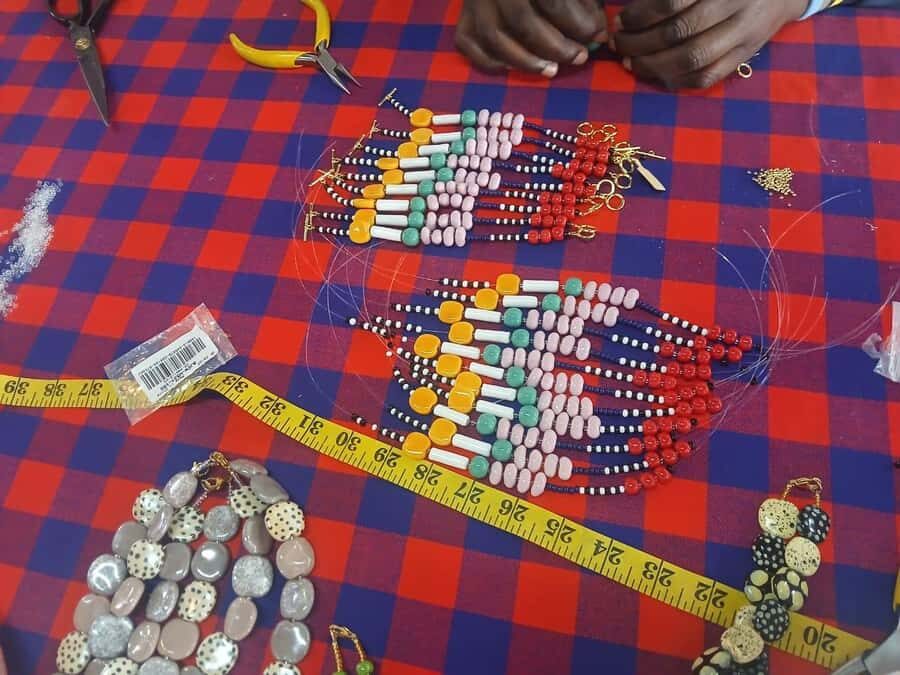
- Clay bead jewelry workshop designed for beginners with guided, hands-on instruction
- Songs and dances welcome that sets a warm, human tone before you even start crafting
- Hot Kenyan coffee or tea included, timed nicely for the start of your session
- Factory shop time to browse and buy handmade pieces after you make your own
- Convenient hotel pickup-and-drop-off to keep the day simple in Nairobi
Kazuri clay beads: why this craft makes such a memorable souvenir
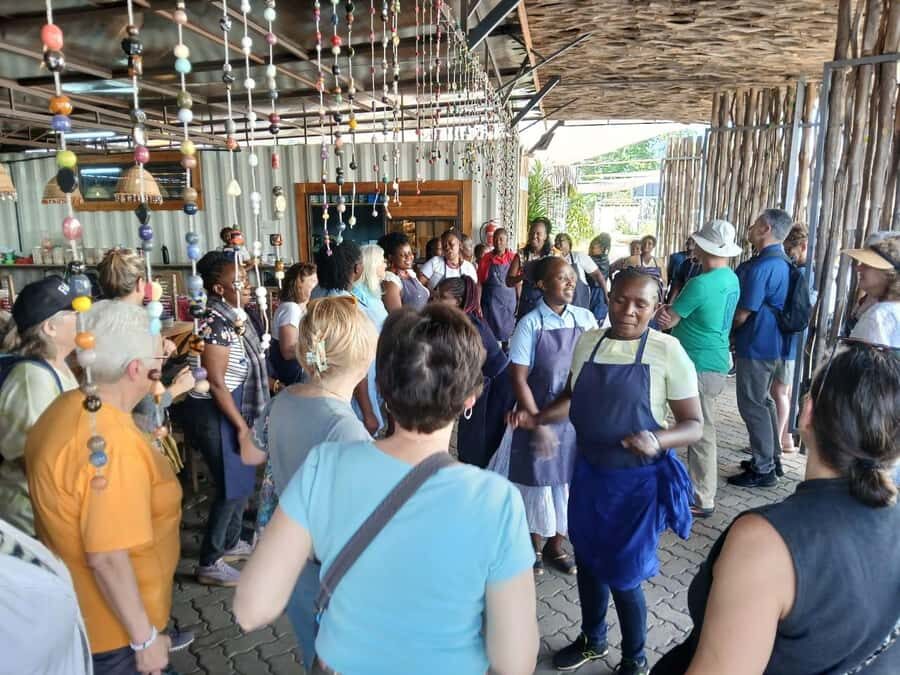
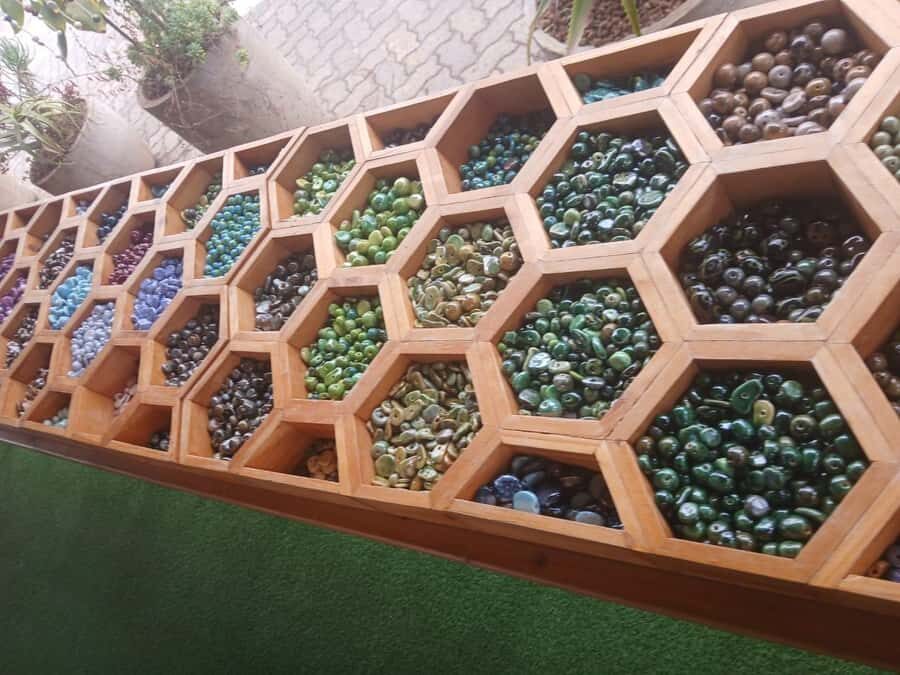
The point of this tour isn’t just to watch jewelry being made. You’re learning a process that turns simple materials into small works of art, using the same clay-bead techniques the factory is known for. If you’ve been to markets where everything blurs together, this feels different: you get context first, then you shop with intention.
Kazuri-style clay beads also tend to photograph well, but that’s not the real win. The better value is that you can connect the style you like with the effort behind it. You’ll also have a clearer sense of what you’re buying, because you see the shape, finish, and care that go into each piece.
A few more Nairobi tours and experiences worth a look


Hotel pickup and the trip about 10 km out of downtown
The experience starts with pickup from your accommodation in Nairobi. Plan to be ready at the hotel lobby about 10 minutes early. Your guide will contact you about an hour before pickup via WhatsApp or email, so you can confirm details without chasing anyone around.
The factory is roughly 10 kilometers from Nairobi’s central business district. In plain terms: it’s close enough to fit comfortably into a short outing, but far enough that the drive gives you a shift in scenery. One small practical advantage: a good guide helps you use that time well. In real experiences, Patrick in particular has been noted for sharing extra context on Nairobi during the ride and staying patient when traffic changes the pace.
The welcome: songs, dances, and a warm start to the workshop

Before you touch any beads, you’re greeted with traditional African songs and dances from the women at the factory. This matters more than it sounds. It sets the tone, and it reminds you you’re entering a working space, not a staged showroom.
You’ll likely notice how quickly the energy changes the moment you arrive. People talk, sing, and move with confidence, and that creates a relaxed atmosphere for the rest of your visit. If you’re visiting Nairobi and you want something culturally grounded without committing to a full-day tour, this opening is a smart fit.
The workshop portion: what you’re doing in those 3 hours
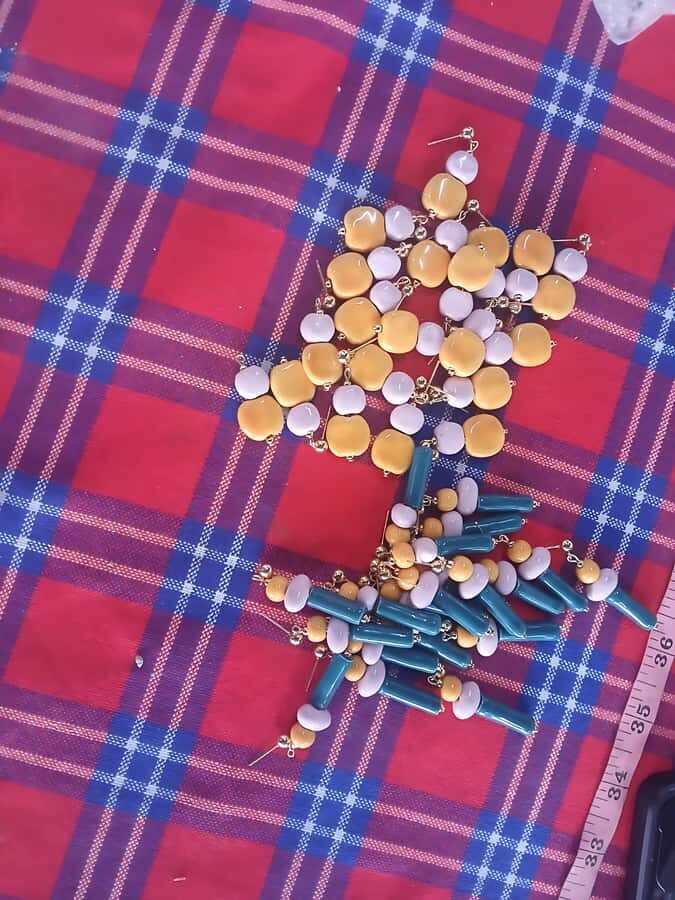
Here’s how the time typically flows: you arrive, get the welcome, enjoy your hot drink, then you move into the crafting part with step-by-step guidance. No prior experience is needed, and that’s a big deal. It means you’re not left staring at tools wondering where to begin.
Your job is to create your own jewelry piece using clay beads. You follow instructions in a guided way, not just a one-time explanation. That keeps the session from feeling chaotic, especially if you’re traveling solo or you’re the type who likes a clear process.
A key point about costs: jewelry materials aren’t included. So even though the tour includes instruction, you should expect that the beads or components you make (and/or take home) may be something you pay for separately. I’d treat the $27 as the workshop-and-guidance price, and budget a little extra for the final piece you’ll keep.
Making your own piece: beginner-friendly tips that actually help
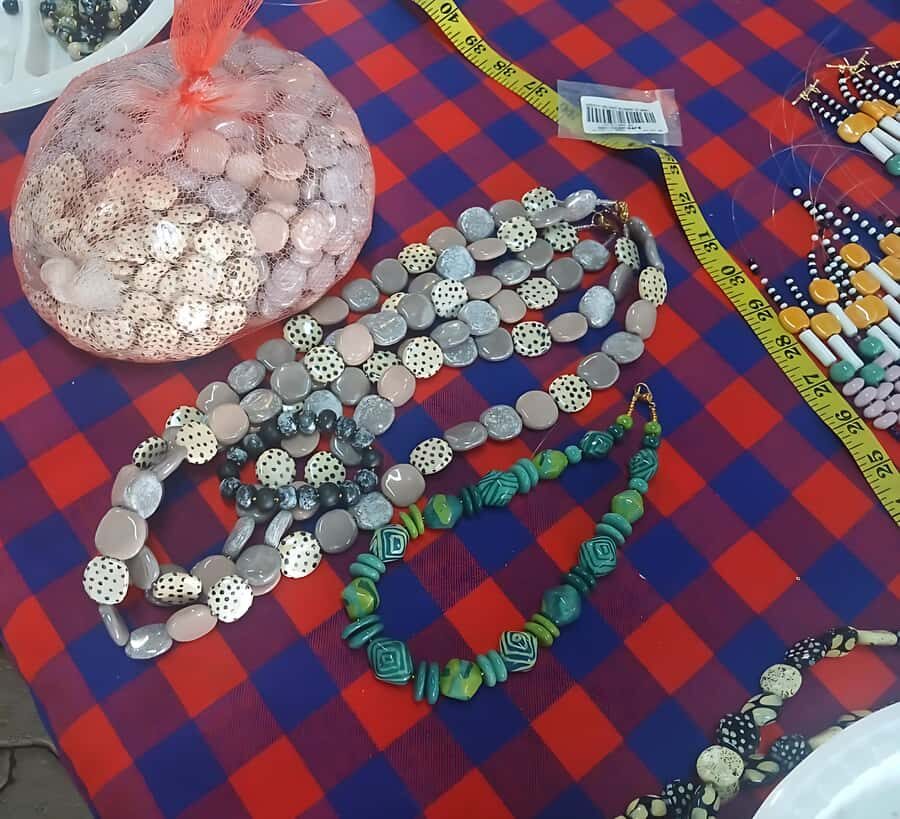
Because this is built for beginners, you can show up with zero craft experience and still end up with something you’re proud to wear. The best way to get good results in a short session is to listen closely during the first steps and move at the pace the instructor sets.
A few practical tips:
- Focus on your first design choice. If you’re overwhelmed, pick a simple pattern at the start.
- Take your time with alignment. Small straightening moments make a bracelet or earring look “finished.”
- Ask questions early. If you’re unsure about how something should sit or connect, ask before you’ve already committed to a layout.
- Don’t rush the fun part: shaping and selecting beads is half the reward.
In real experiences, guides have been praised for patience and for keeping things moving without making people feel rushed. That’s exactly what you want during a short craft class, particularly if the schedule shifts from traffic or timing.






Coffee or tea break: small comfort, good timing
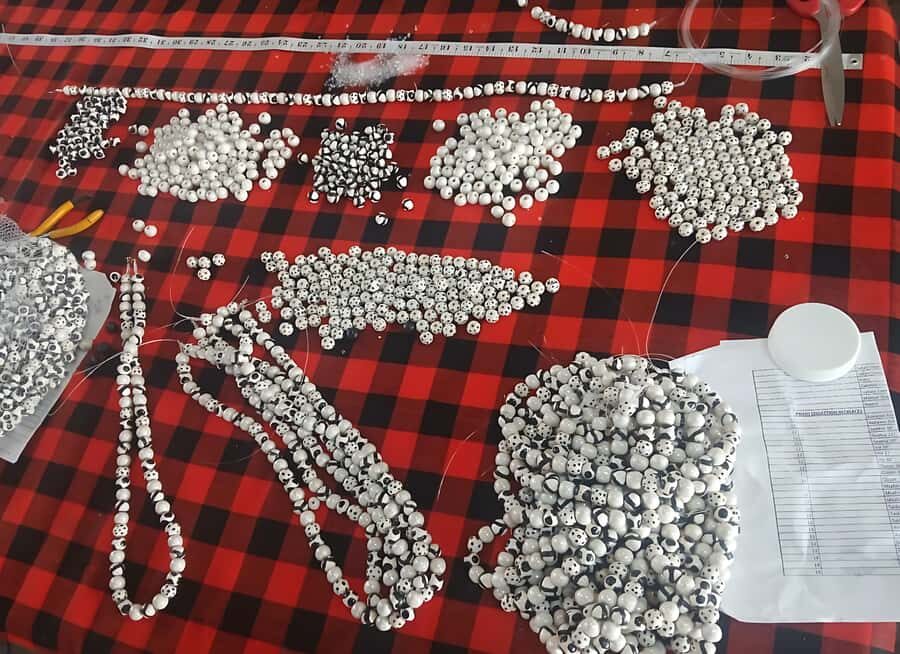
A complimentary hot cup of Kenyan coffee or tea is included as part of the experience. It’s not just a perk. It’s a reset point at the start, when you’ve traveled to get there and you’re meeting people in a new setting.
It also makes the tour feel less like a transaction. You’re treated like a person with time to settle in, not a checklist item. If you’re sensitive to Nairobi’s pace and want a moment of warmth before concentrating on fine-motor work, this helps.
Factory shop time: browsing with context (and how to shop smart)
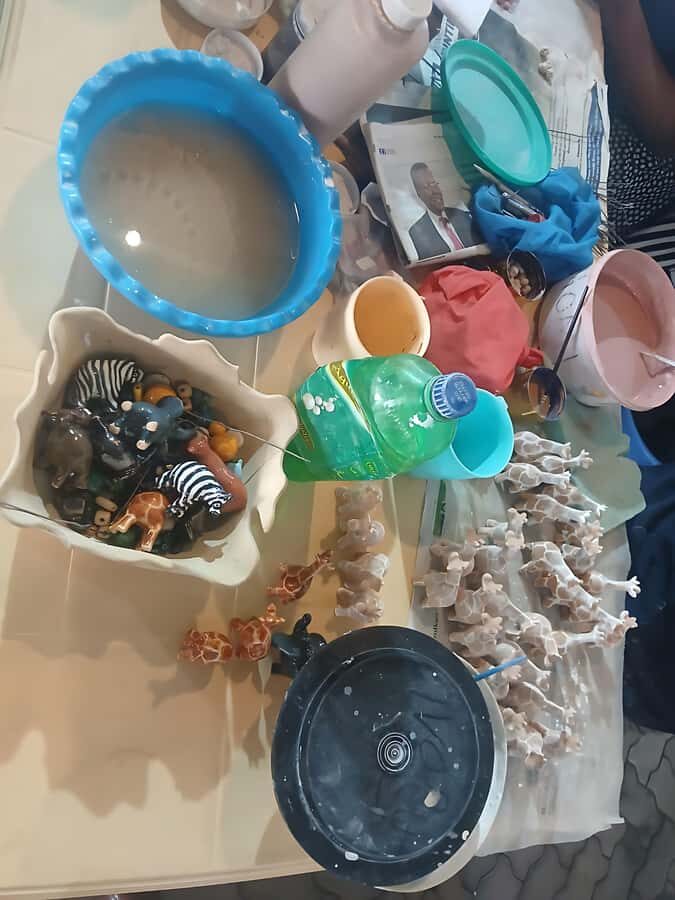
After you make your piece, you’ll have time to explore the factory shop and browse handmade jewelry and other crafts. This is where you can turn your experience into a home collection or gifts for friends.
The big advantage is that you’re shopping after learning. Instead of guessing quality, you can recognize the details that took effort. If you loved a bead color or finish style during your workshop, it’s easier to find matching items in the store.
What to do when you’re shopping:
- Compare what you made with what you see in the store. If you like the design direction, you can buy more confidently.
- Don’t feel pressured to buy immediately. Browse first; then return to the pieces that stay in your mind.
- If you’re gifting, think about weight and wearability. Small differences in design can matter once they’re in someone’s daily routine.
If you’re the type who normally avoids touristy shopping, this section can be a pleasant exception because you’ve already built a connection to the craft.
Guides and the Nairobi context: why the human touch matters
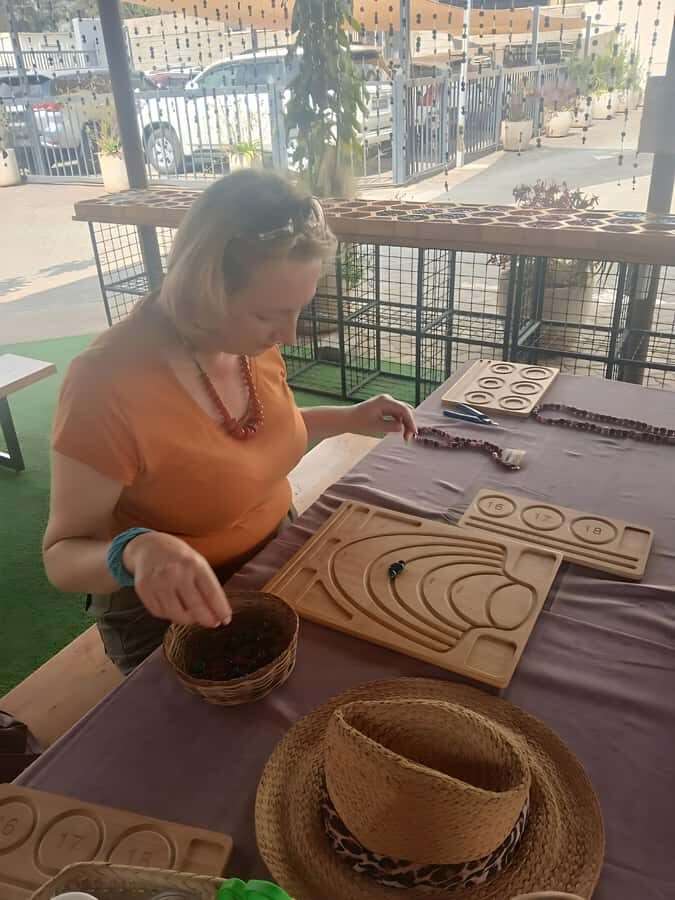
One of the strongest themes from real experiences is how guides add meaning. Patrick has been described as friendly, patient, and very good at sharing Nairobi context and the significance of the beads. Violet has also been praised as sweet and helpful, even in ways that extend beyond the workshop, like steering someone toward a local restaurant for real Kenyan food afterward.
So even though this is primarily a craft activity, you’re not stuck with silence between steps. A good guide helps you understand what you’re seeing, and that makes your souvenir feel more personal.
Value for money: is $27 a fair deal?
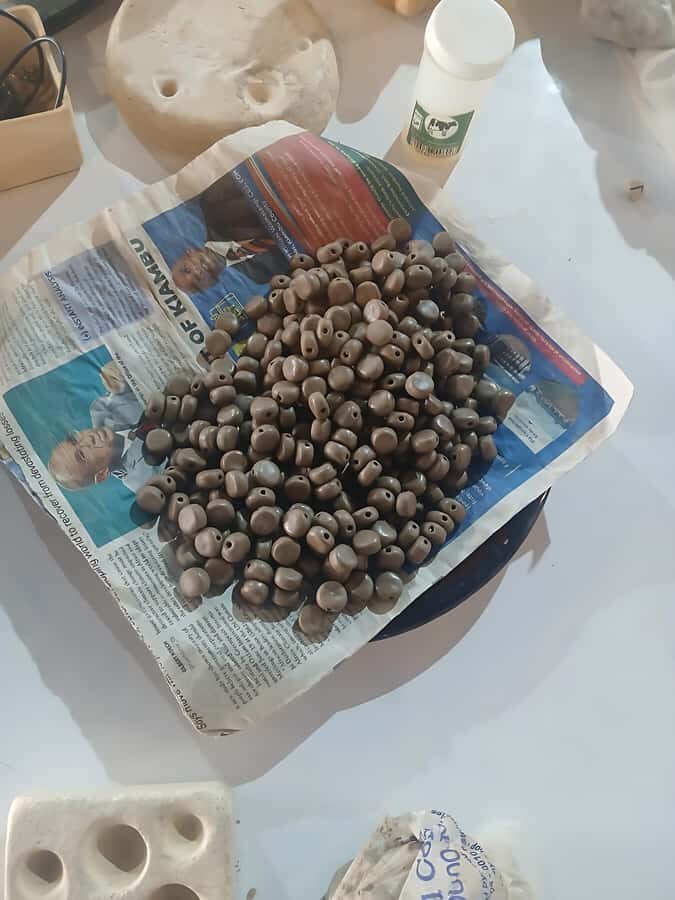
At $27 per person for about 3 hours, the value is strongest if you care about hands-on learning and want a cultural welcome that isn’t just a drive-by stop. The included pieces you’re paying for are:
- Workshop and step-by-step instruction
- African songs and dances welcome
- Hot Kenyan coffee or tea
- Pickup and drop-off
- Time in the factory shop
The one cost to watch is that jewelry materials aren’t included, so your final spending depends on what you choose to make and buy. If you go in expecting a small extra spend for your take-home piece, you’re unlikely to feel surprised.
In other words: you’re not paying $27 for a bag of souvenirs. You’re paying for instruction, experience, and access to the shop with a story behind it.
Practical do’s and don’ts (so your visit stays smooth)
This tour has straightforward rules. Intoxication, vaping, alcohol and drugs, and nudity aren’t allowed. Even if that seems obvious, it matters because it helps keep the workshop environment respectful and comfortable for everyone.
Also, keep your body comfort in mind. The experience isn’t suitable for people over 220 lbs (100 kg). And it’s noted as not suitable for hearing-impaired people. If you rely on lip reading or captions, you’ll want to consider that before booking.
Who should book this, and who should skip it
This is a great match if you:
- Want a short Nairobi activity that still feels hands-on
- Like crafts and want something you can wear or gift
- Prefer guided instruction over browsing markets with zero context
- Travel solo and want a welcoming social atmosphere
You might want to skip or look for another option if:
- You need an accessibility setup beyond what’s stated for hearing-impaired visitors
- You’re looking for a tour where all materials are fully included with no extra spending
- You don’t enjoy hands-on work at all (because you will be making something during the session)
If you’re unsure, think of it as part workshop, part cultural welcome, part shopping time—built into a tight 3-hour window.
Should you book this Nairobi beads factory tour?
I’d book it if you want a meaningful souvenir plus a real cultural welcome, and you’re okay with the idea that you’ll likely spend a bit more for the jewelry materials you take home. The price feels fair for the mix of instruction, singing and dancing, and hotel pickup-and-drop-off—especially if you’re staying in Nairobi and want something easy to fit into a half-day plan.
If you’d rather only watch, or if you’re very sensitive to extra craft spending, then you might feel constrained. But for most people—especially beginners—the guided format makes it an enjoyable way to spend a few hours in Nairobi.
FAQ
How long is the Kazuri Beads Factory tour?
The experience lasts about 3 hours.
Do I get hotel pickup and drop-off?
Yes. Pickup and drop-off are included. You should wait in the hotel lobby about 10 minutes before pickup.
What happens when I arrive at the factory?
You’re welcomed by the women at the factory with African songs and dances, then you settle in with a complimentary hot cup of Kenyan coffee or tea.
Can beginners join the jewelry-making workshop?
Yes. No experience is needed, and you’ll get step-by-step instruction.
Is the jewelry materials cost included?
No. Jewelry materials are not included, so you may need to pay for what you make or purchase.
Is there an English-speaking guide?
Yes. The live tour guide is in English.
Are coffee or tea included?
Yes. You get a complimentary hot cup of Kenyan coffee or tea.
Is the tour suitable for everyone?
It isn’t suitable for people over 220 lbs (100 kg) and it’s not suitable for hearing-impaired people. Intoxication, vaping, alcohol and drugs, and nudity are not allowed.