REVIEW · NAIROBI
Mt Longonot National park Day Hike
Book on GetYourGuide →Operated by MICHOORE TOURS & TRAVEL · Bookable on GetYourGuide
Mt Longonot’s crater rim feels like a front-row seat to Kenya’s Great Rift Valley. I love that the hike is short on paper (about half a day to the rim) but still delivers big volcano views, plus the trip is built around a private, English-speaking guide who helps you read the terrain as you go. The main drawback to plan for: the first stretch can feel stiff—especially for the first 3 kilometers—so you’ll want to bring a pole and pace yourself.
I also like the practical setup: pickup in Nairobi, bottled water, and a climbing stick included, so you’re not scrambling before you hike. And since the crater rim climb can take anywhere from about 45 minutes to 2 hours depending on your speed, you can usually find a rhythm that feels doable without turning it into a race. Just remember the entrance fee to the park is not included, so your final cost depends on your residency status.
In This Review
- Key things that make this Mt Longonot hike worth it
- Nairobi drive to the Great Rift Valley: start early, aim for clear air
- Mt Longonot National Park HQ to the crater rim: a 4.1 km climb with a “stiff start”
- Crater rim circuit: the Rift Valley view is the payoff
- Pace control: half-day hiking, full-day logistics
- Expert guides and drivers: names you might see and why it matters
- Tickets, park fees, and the real cost of this crater hike
- Timing and conditions: heat, space, and traffic can change the whole day
- What to bring (and the no-plastic-bottles rule)
- Optional add-on: Lake Naivasha if your day includes more than the crater
- Who this Mt Longonot day hike suits best
- Should you book this Mt Longonot hike?
- FAQ
- How long does the hike to the Mt Longonot crater rim take?
- How much of the day is spent hiking?
- Is pickup and drop-off in Nairobi included?
- Is the guide English-speaking?
- Do I need to pay entrance fees separately?
- Is lunch included?
- What is included for the hike?
- Are plastic bottles allowed?
- What’s the group setup?
Key things that make this Mt Longonot hike worth it
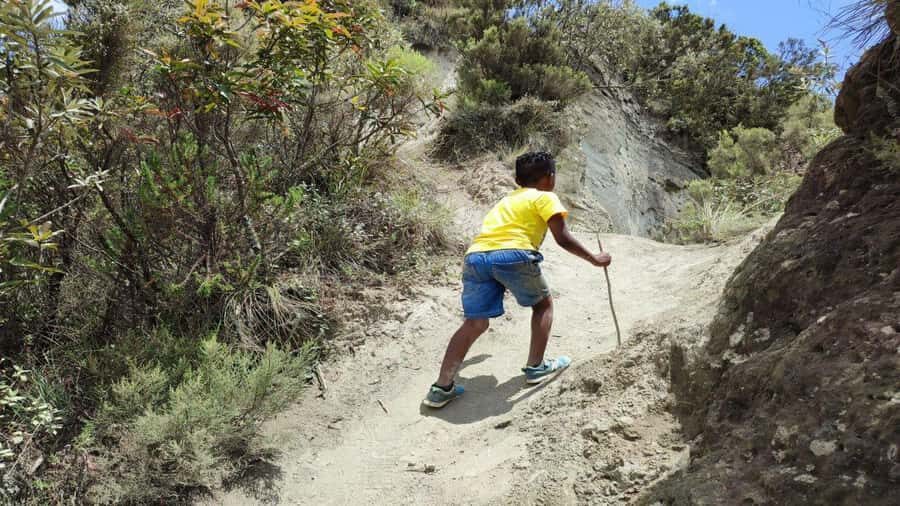
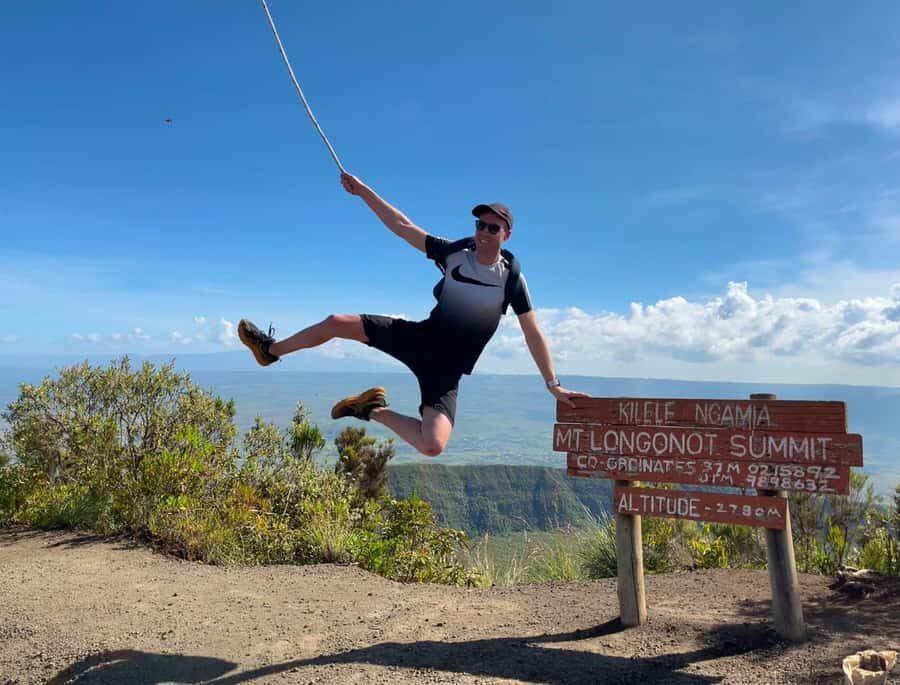
- Crater rim views of the Great Rift Valley up to about 1,470 meters (4,820 ft)
- A guide-led circuit around the crater, so you’re not hiking blind
- Private vehicle pickup and drop-off in Nairobi, which matters with traffic and timing
- Stiff early climb support, with a walking stick provided and hiking-pole advice from guides
- Easy rhythm control, since the rim climb time varies (45 minutes to 2 hours) with stamina
Nairobi drive to the Great Rift Valley: start early, aim for clear air
The day begins in Nairobi with pickup and a private vehicle. You’ll pass by the Rift Valley area along the way, which is a nice warm-up because you get your first sense of the scale of this region before you start climbing.
The drive time can be affected by Nairobi traffic, and that’s not a small detail. If you can handle it, I’d try to start early so you lose less time sitting in traffic and you hike under kinder conditions. One of the most consistent tips from guides and drivers is that leaving early helps you both with congestion and with heat.
Once you’re near Mt Longonot National Park, the vibe shifts fast: fewer city distractions, more wide-open terrain, and the feeling that you’re heading toward something volcanic and active-looking even when it’s quiet.
You can also read our reviews of more hiking tours in Nairobi


Mt Longonot National Park HQ to the crater rim: a 4.1 km climb with a “stiff start”
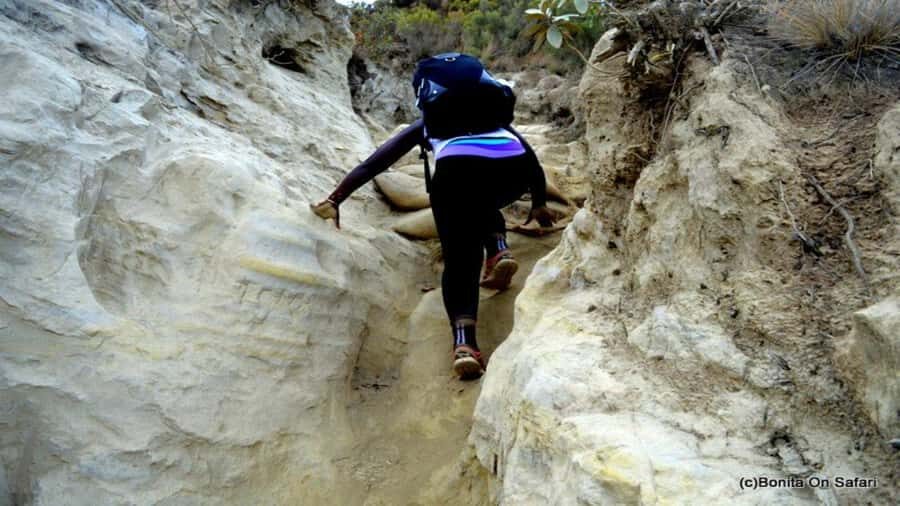
From the park HQ, the hike to the crater rim covers roughly 4.1 kilometers. What matters most for planning isn’t just distance—it’s how it feels. The first 3 kilometers can be noticeably stiff, so you’ll benefit from a steady pace instead of sprint-starting and paying for it later.
It can take anywhere from about 45 minutes to 2 hours to reach the rim, depending on speed and stamina. That range is huge, and it’s actually helpful: it means the trip can work for more people than you’d expect, as long as you’re honest about your hiking level.
Here’s how I’d think about the climb:
- You’re gaining altitude quickly enough to feel it, but it’s still short enough to stay manageable.
- The early stiffness means your legs might feel “locked in” at first, then loosen up as you settle into your rhythm.
- A walking stick is included, and bringing a hiking pole (or using the provided stick well) can make the uphill and downhill feel more controlled.
If you’re someone who hates turning every outing into a leg workout, focus on small wins: take breaks before you feel rushed, and keep your effort steady rather than high.
Crater rim circuit: the Rift Valley view is the payoff
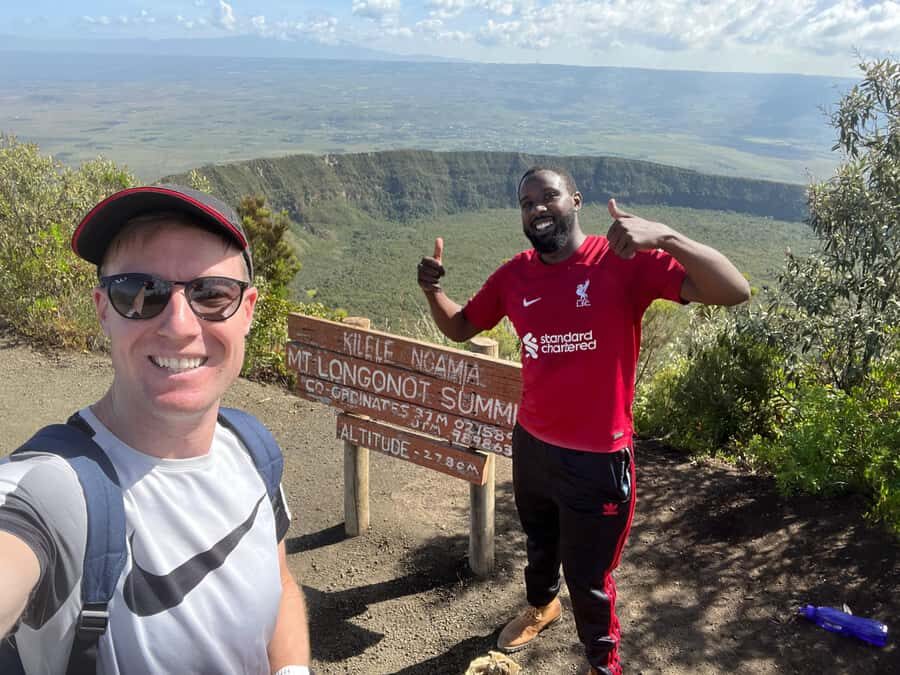
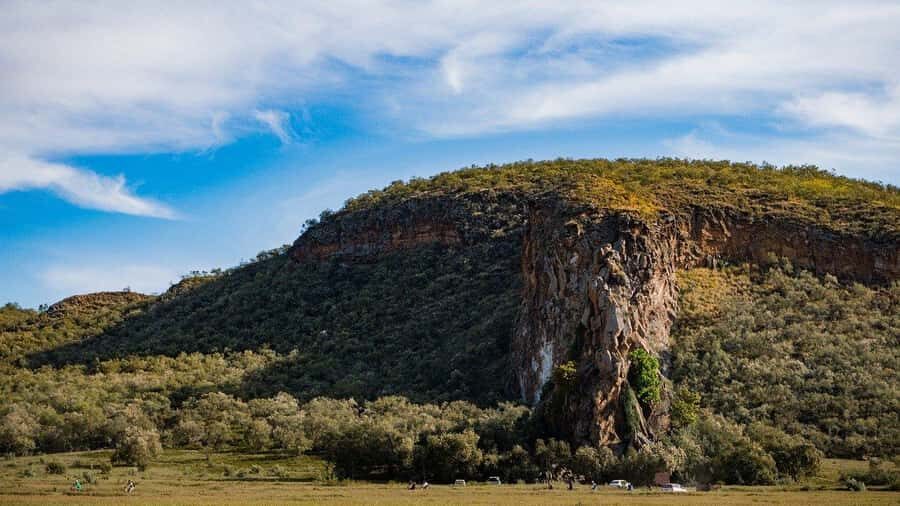
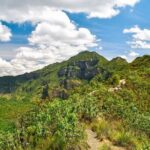
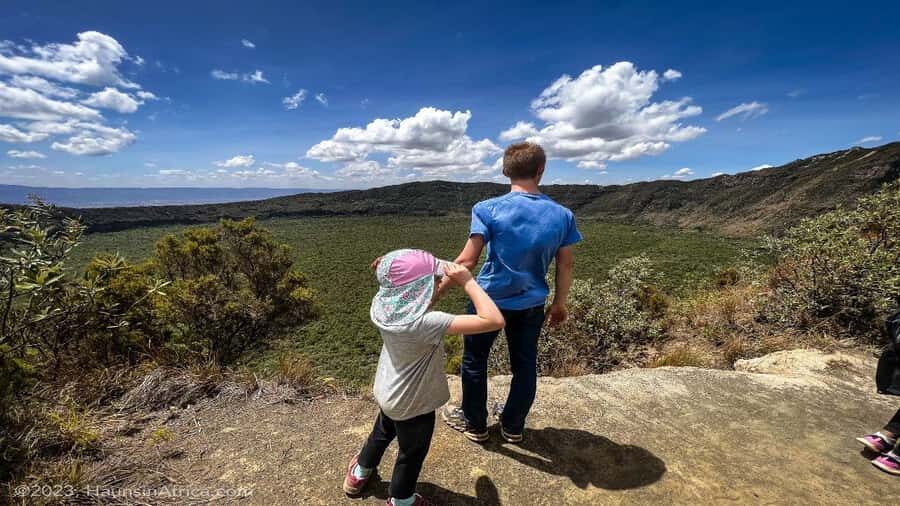
Reaching the crater rim is the point of no return—in a good way. Once you’re there, you get the panoramic “wow” that people remember: views across the Great Rift Valley that can reach about 1,470 meters (4,820 ft). You may also get an early look at Mt Longonot from a distance during the approach, which adds to that gradual reveal.
The crater rim portion is also where an expert guide earns their pay. A good guide doesn’t just point out what’s in front of you; they help you understand what you’re looking at—like the way the crater shape frames the valley, or how different slopes and surfaces change as you walk around the rim.
This is especially valuable if you’re hiking solo or you’re not confident reading terrain. A guide-led circuit helps you:
- stay oriented so you don’t feel “lost” on a viewpoint trail
- understand where the best angles are for stopping and catching your breath
- walk smarter around trickier sections, instead of guessing
Pace control: half-day hiking, full-day logistics
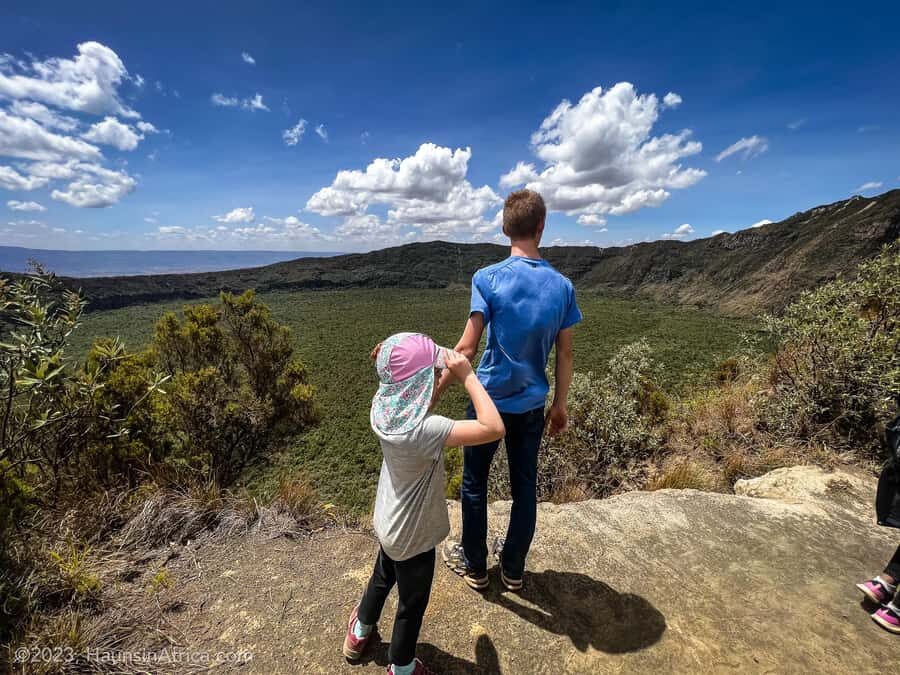
Even though the rim hike feels like half a day, the total trip is listed at around 7 hours. That’s because the day includes driving time from Nairobi, time at the park HQ, and enough buffer for a comfortable climb.
One of the best parts of this tour style is that it’s private group and you can set your own pace. When you’re climbing a volcano rim, pace isn’t just comfort—it affects how much you can enjoy the views instead of focusing only on surviving the steps.
A few practical pace tips:
- If you’re unsure, aim for a pace that lets you talk normally. If you can’t, slow down.
- If you’re doing this for photos, plan for short stops. Don’t stop so long that you cool down hard before the downhill.
- Expect the down portion to feel different from the up. Many hikers prefer a pole for this reason because it helps control your knees.
And yes, the “chill hike but tough enough” description makes sense in real life terms: it’s not an all-out endurance challenge, but it’s not a casual stroll either.
Expert guides and drivers: names you might see and why it matters
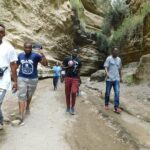
This experience is built around a professional English-speaking guide/driver in a private vehicle. That combination matters more than people think. On a volcano hike, communication helps with timing, shoe choice, and deciding when to stop. A driver who understands the route also helps keep the day from turning chaotic if traffic shifts.
From past experiences, guides you could encounter include Steven, Alex, Peter, Joshua—and drivers like Dennis. One standout example is Steven, who’s described as local and having climbed the mountain 500+ times, which usually means better route judgment and fewer surprises on the terrain.
I also like that some guides are flexible. There are examples of people asking to change the plan (even more than once), and the day still worked. That flexibility is what keeps a “structured hike” from feeling rigid.
If you care about safety and clarity, private guiding does a lot of the heavy lifting: you get local context, practical advice, and someone who knows how to handle the trickier parts without turning it into a stressful expedition.





Tickets, park fees, and the real cost of this crater hike
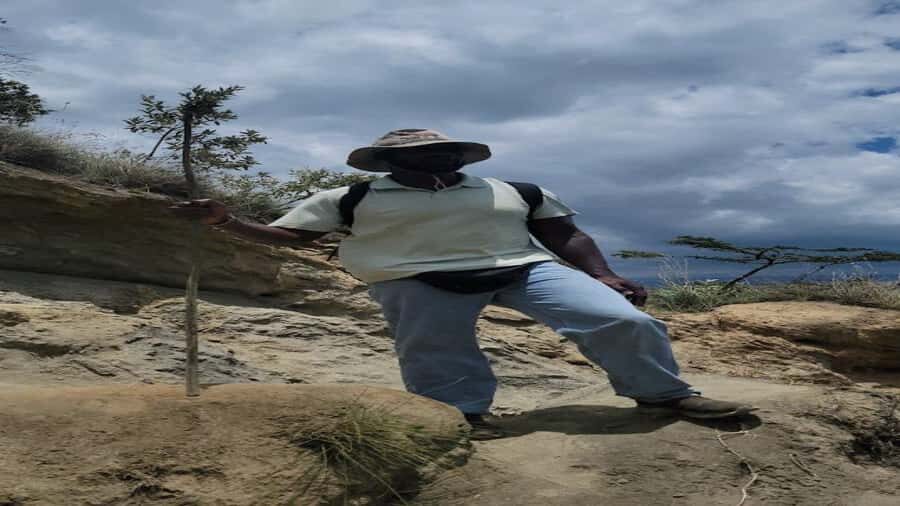
The price is listed at about $86 per person, and it includes pickup and drop-off within Nairobi, transport in a private vehicle, an English-speaking guide/driver, bottled water, and a climbing stick.
But entrance fees to Mt Longonot are not included. Based on the provided fee schedule, you should expect:
- Non-resident: USD 50
- African resident: USD 20
- East Africa citizen: KES 500
Lunch and drinks aren’t included either, though the driver can take you to a restaurant. You’ll probably want to budget for food and drinks, plus any extra water if needed.
So is it good value? For me, it depends on what you’d do otherwise:
- If you’re comparing it to hiring a guide and sorting transport on your own, this price can be efficient because the logistics are packaged and you get an English guide.
- If you were planning to go completely independent, the added cost may feel steep—but you’d still pay for transport and you’d miss out on crater knowledge.
Also, the inclusion of bottled water and the walking stick is not nothing. On a hike like this, those small extras prevent common pre-hike hassles.
Timing and conditions: heat, space, and traffic can change the whole day
Timing is one of the biggest “silent” factors with Mt Longonot. You’re outside, you’re climbing, and Nairobi traffic can shift your schedule.
Two practical patterns show up in how guides recommend the day:
- Going earlier helps reduce traffic and heat exposure.
- Weekdays can feel quieter, which can make the climb more comfortable if you prefer space and fewer stops.
If you’re flexible, I’d treat morning as a strategy, not just convenience.
If you’re traveling in hotter months, consider that you might feel the early stiff sections more strongly. In that case, your best tool is pacing: slow enough to keep your breathing under control and take short breaks before you’re exhausted.
What to bring (and the no-plastic-bottles rule)
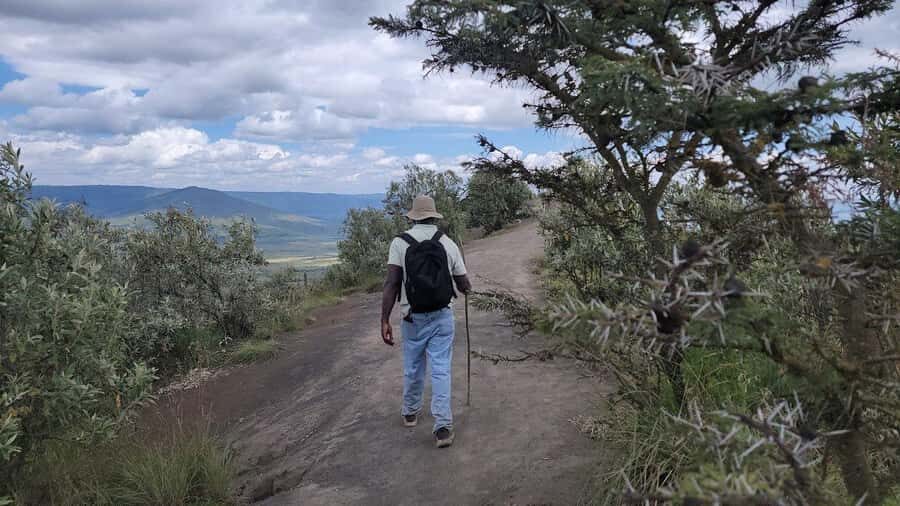
You’ll want to arrive ready for a real footpath, not just a viewpoint. Here’s what you can rely on and what you should still plan:
- Included: bottled water, and a climbing stick
- You should bring: your own comfortable hiking footwear and, ideally, a hiking pole for added stability
One rule to pay attention to: plastic bottles are not allowed. Since bottled water is included, you’ll likely be fine using what’s provided. If you prefer bringing your own, plan for a non-plastic option (or keep it simple and rely on the water already included).
In general, for a crater rim hike, your pack should stay light. You’re walking uphill and around uneven volcanic terrain, so heavy bags get annoying quickly.
Optional add-on: Lake Naivasha if your day includes more than the crater
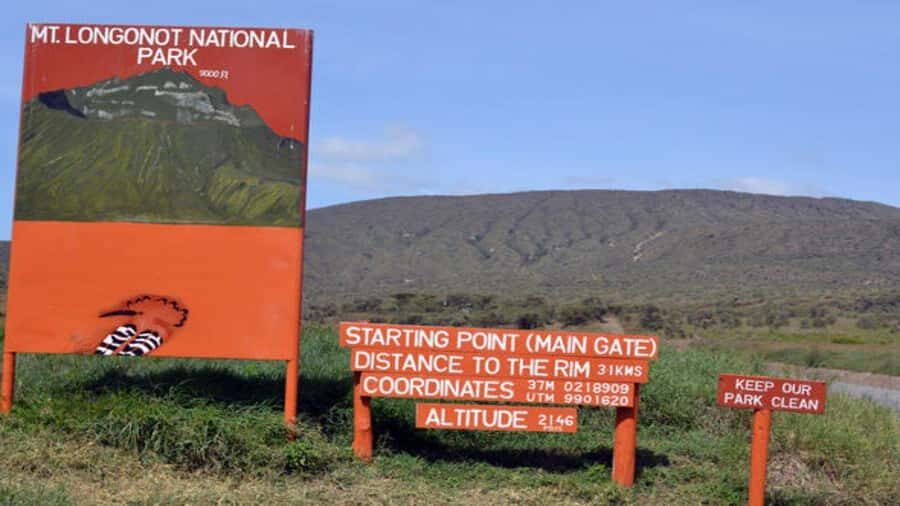
This tour description also points to an extended Great Rift Valley experience that can include Lake Naivasha, plus the option of a wildlife cruise on the lake. Whether you get this portion depends on how the day is set up for your specific booking.
If Lake Naivasha is part of your plan, that’s a nice contrast: after volcanic views from the crater rim, you get a calmer setting where wildlife and scenery can feel very different from the hike.
If you want maximum variety in one day, this combination makes sense. If you only care about the hike, you can still keep the focus on Mt Longonot and treat Naivasha as a bonus rather than the main event.
Who this Mt Longonot day hike suits best
This hike fits best if you want:
- big Great Rift Valley views without a multi-day trek
- a guided circuit so you can understand what you’re seeing
- private transport and a driver who can manage timing around Nairobi traffic
- a pace that can be adjusted to you, rather than forcing a group schedule
It’s also a good option if you’re traveling solo. The private setup and professional guide/driver combination helps many people feel more at ease on a day trip that includes both driving and a physical climb.
If you hate any uphill at all, you’ll probably find the early stiffness challenging. But if you can handle a short climb with breaks, you’ll likely appreciate how direct and rewarding it is.
Should you book this Mt Longonot hike?
I’d book it if you want an organized Mt Longonot crater rim day that trades stress for clear guidance. The value is strongest when you factor in private Nairobi pickup/drop-off, a professional English-speaking guide/driver, the walking stick, and the fact that crater knowledge turns a walk into an informed viewpoint experience.
I’d think twice if:
- you’re extremely sensitive to steep or stiff early sections (the first 3 km can feel tough)
- you’re trying to keep costs as low as possible, since park entrance fees are extra
- you prefer totally self-guided travel and don’t care about guide-led interpretation
If you’re deciding between “do it cheap” and “do it well,” this tour leans toward the second option. And if you time it right—early departure, steady pace, and pole support—it can be a memorable, genuinely worth-it Rift Valley day.
FAQ
How long does the hike to the Mt Longonot crater rim take?
The climb to the crater rim is about 4.1 kilometers and typically takes anywhere from about 45 minutes to 2 hours, depending on your speed and stamina.
How much of the day is spent hiking?
The rim hike takes about half a day, though the full trip runs about 7 hours due to pickup, transport, and time at the park.
Is pickup and drop-off in Nairobi included?
Yes. Pickup and drop-off within Nairobi are included.
Is the guide English-speaking?
Yes, the live tour guide is listed as English.
Do I need to pay entrance fees separately?
Yes. Park entrance fees to Mt Longonot are not included in the base price. Fees listed are USD 50 for non-residents, USD 20 for African residents, and KES 500 for East Africa citizens.
Is lunch included?
No. Lunch and drinks are not included, though the driver can take you to a restaurant.
What is included for the hike?
Included items are bottled water and a climbing stick (walking stick).
Are plastic bottles allowed?
No. Plastic bottles are listed as not allowed.
What’s the group setup?
It’s a private group with transport in a private vehicle.