REVIEW · NAIROBI
5 Days Mount Kenya Climbing Via Chogoria Sirimone Route
Book on Viator →Operated by Kentau Safaris · Bookable on Viator
Sunrise on Mount Kenya feels like a movie. This 5-day climb via Chogoria–Sirimone mixes thick bamboo walking, smart altitude pacing, and a pre-dawn summit push to Point Lenana.
I love that safety is built into the trip plan: careful organization, training for guides, top equipment, and a promised 100% success rate approach. I also love the human support system—porters and a tour guide—so you’re not doing everything with your own two hands (or two sore knees). One consideration: you start extremely early, and you’ll need moderate fitness to handle the altitude days.
In This Review
- Key highlights before you lace up
- Entering Mount Kenya through Chogoria: bamboo, mist, and steady footing
- Day 1 to Day 2: Lake Ellis at 3600m and learning your pace
- Day 3’s ridge connection to the normal trail at 4100m
- The 3:00 am summit push to Point Lenana (4985m)
- Day 5: descending to Old Moses camp and heading back to Nairobi
- Support that makes a difference: guides, porters, and included meals
- Price and logistics: does $1,600 feel fair for 5 days?
- Who should book this Mount Kenya climb—and who should think twice
- Practical tips for packing and preparing (based on what’s included)
- Should you book Kentau Safaris for Mount Kenya via Chogoria–Sirimone?
- FAQ
- What time does the trip start?
- What route is this climb?
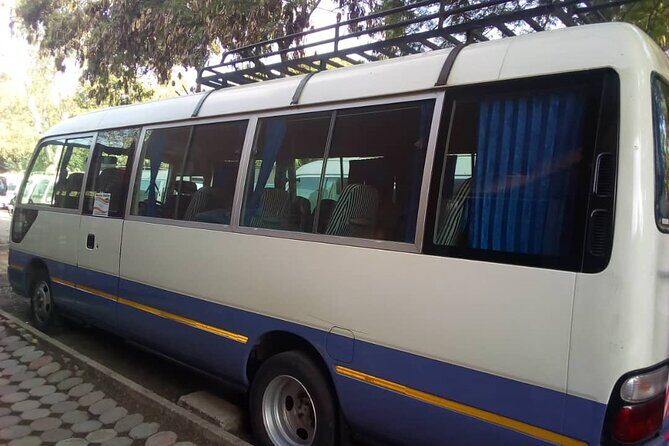
- Do you offer pickup from Nairobi?
- Is park admission included?
- What meals are included?
- Are porters included?
- Do I need my own climbing gear?
- How many people are in the group?
- What fitness level do I need?
- Is there free cancellation?
Key highlights before you lace up
- Chogoria bamboo forest start with a long first walk to the Mt Kenya Bandas area
- Acclimatization stops at Lake Ellis (~3600m) and the Mintos huts zone (~4200m)
- Summit at Point Lenana (4985m) aiming for sunrise after a 3:00 am start
- Porters + guide + full meals included to keep your energy steady across the climb
- Small group size (max 15) for easier pacing and less crowding at camps
Entering Mount Kenya through Chogoria: bamboo, mist, and steady footing
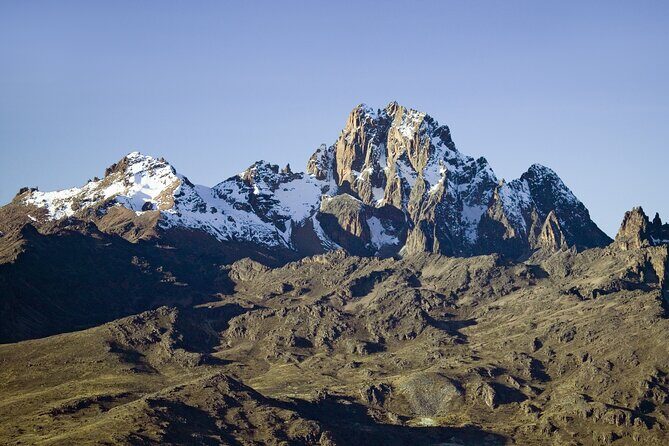
This climb is set up to feel like a real mountain journey, not just a checklist. You’ll start from Nairobi and head toward Chogoria, where the walking begins with a trip into the bamboo forest. That matters more than you might think. Bamboo trails tend to be shaded and humid, which can slow you down at first—but they also help your body settle into a climbing rhythm.
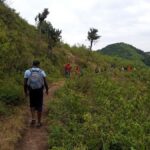
After lunch in Chogoria, you transfer up to the Star point of the bamboo forest. Then it’s about 11 km through thick bamboo to the Mt Kenya Bandas area. That first day is a “get your legs working” stage. Even if you’re excited, try not to sprint it. You’re saving energy for the altitude work that comes next.
And yes, the drive and the start-from-Chogoria feel purposeful. Compared with more abrupt routes, this one gives you time to wake up physically and mentally before you start climbing higher for real.
A few more Nairobi tours and experiences worth a look
Day 1 to Day 2: Lake Ellis at 3600m and learning your pace
On day one, the goal is simple: drive out, lunch, then trek into the bamboo and out toward the Bandas area. Expect about 8 hours of walking time. It’s the kind of day where you’ll notice your breathing and your stride. If you stay smooth, tomorrow’s ascent feels easier.
Day two begins after breakfast with an easier trek marked by scenic views. You’ll head toward Lake Ellis Campsite, where the altitude is about 3600m. This is your first big checkpoint, and it’s there for a reason: you’re not trying to cram altitude all at once.
Along the way, you stop for lunch by a crossing stream. Then you get outlooks over moorland and landmarks like Mugi, Inthanguni, and Giant Billards. Those names aren’t random—they’re part of how you start reading the mountain. You’ll begin to understand where gorges sit, where the moorland opens, and how the ridges shape your route.
That night at Lake Ellis is an acclimatization foundation. You don’t have to feel great to benefit from it. You just need to sleep and recover so your body can handle the next jump.
Day 3’s ridge connection to the normal trail at 4100m
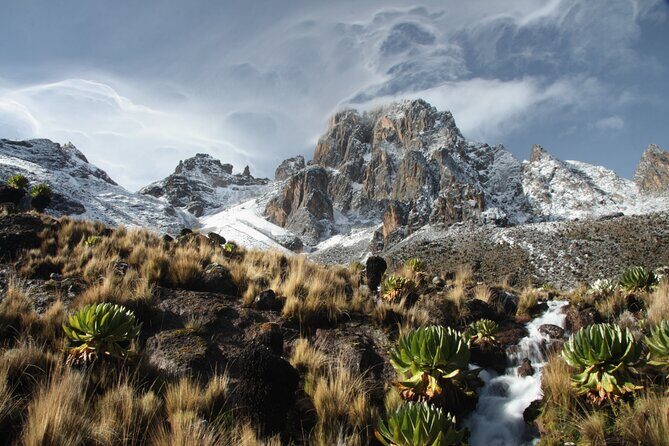
Day three is where the trip starts to feel more like a real mountaineering climb. After breakfast, the first goal is connecting to the normal tourist trail on the Chogoria route at about 4100m. There’s a connection trek of roughly 3 hours up through a mountain ridge. This isn’t a chaos day. It’s structured, and it rewards steady effort.
You’ll stop for lunch at a small crossing stream with panoramic views over gorges and valleys in the northern moorland. Again, these breaks matter. They give you a chance to slow your breathing and take stock of how your legs are reacting to elevation.
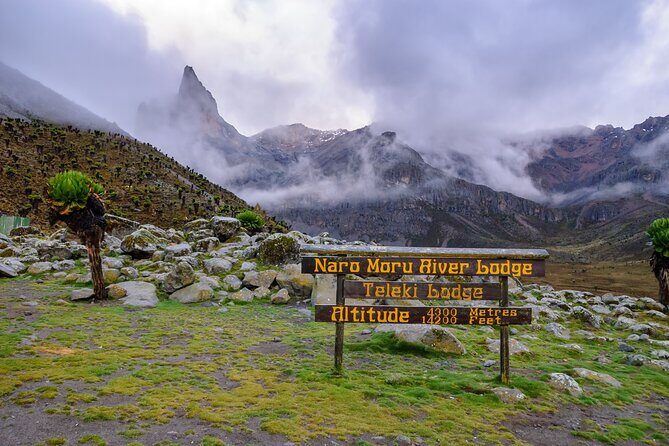
After lunch, you hike about an hour to the Mintos huts area for the night, at around 4200m. That’s a key acclimatization move. You’re getting higher, but you’re not doing a mad dash. Then comes an important instruction: rest early so you can go for an early summit.
If you’ve climbed before, you already know this: the summit day is decided by how well you sleep the night before.
The 3:00 am summit push to Point Lenana (4985m)
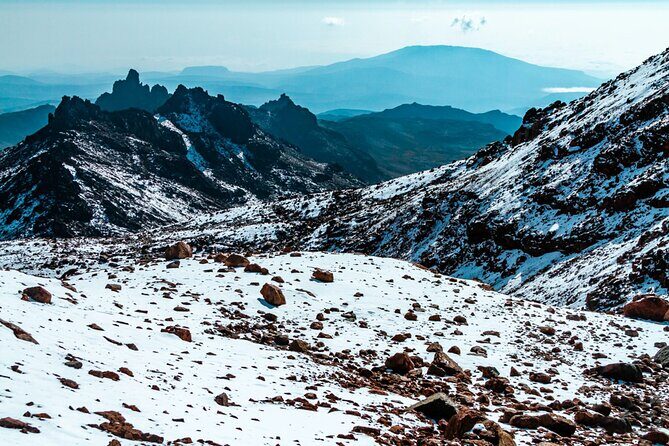
Summit day starts before dawn, around 3:00 am. The hike to Point Lenana (4985m) takes about 4 hours. The plan is tight enough that you’re not meandering through the dark—you’re moving with purpose to catch sunrise from the top.
There’s something quietly dramatic about that timing. Your world becomes head-down focus: footsteps, rhythm, and controlled breathing. You don’t need a perfect pace—you need consistency.
After sunrise, the route turns into descent. You go down gradually toward Shipton camp for breakfast, then continue with a slower, celebratory lap toward Liki North camp around 3900m. The walking time for day four is listed at about 8 hours, but the experience is really two parts: effort up, then recovery down with celebration built in.
That “lap of victory” feeling is real, but don’t let it trick you into walking like you’re on flat ground. Your legs will feel different after the summit effort, and careful descent protects your knees for the final day.
Day 5: descending to Old Moses camp and heading back to Nairobi
Day five starts after breakfast with a descent trek from Liki North to Old Moses camp. It’s about 3 hours of walking. Then you catch transport back to Nairobi.
This last day is shorter on paper, but it’s still a completion day. You’ll feel a mix of satisfaction and physical fatigue. Take advantage of the short duration: hydrate, eat, and keep your steps controlled. Descents feel lighter than climbs, but they can still be tough on the lower legs.
By the end of day five, you’re back in Nairobi—finished with the toughest part of the mountain cycle and ready to shower off the whole experience.

Support that makes a difference: guides, porters, and included meals
One of the strongest parts of this climb is how much the operation handles for you. You’re not just buying a route—you’re buying a working system.
Porters support for the climb means your pack can stay manageable. That’s not a luxury. It’s a practical advantage when altitude days stack up. A lighter load helps you keep your breathing steady and reduces the tug-of-war between comfort and speed.
You also get a tour guide, and the service approach is clearly geared toward safety and smooth execution. The company positions itself as having a very high success rate, and the messaging emphasizes safety planning, equipment, and guide training.
Even in the feedback you can see the emphasis on communication. One standout name that came up was Dominic Mwata, described as responsive and helpful when questions came up early in the process. That kind of responsiveness is worth real money—because clarity before you travel reduces stress later.
And the meals are included: 4 breakfasts, 4 lunches, and 4 dinners. Food timing matters at altitude. You want regular fuel without having to solve logistics mid-climb.
Price and logistics: does $1,600 feel fair for 5 days?
At $1,600 per person for about 5 days, this climb sits in the mid-to-upper range. The question isn’t just whether it’s expensive. It’s whether the price covers the things that actually cost time, labor, and risk on a mountain.
Here’s what you get that supports the value:
- All fees and taxes included
- Porters for the climb
- Tour guide
- Meals: 4 breakfasts, 4 lunches, 4 dinners
- Admission tickets are listed as free for Mount Kenya National Park on the days you enter
What you don’t get (so budget honestly):
- Personal climbing gear
- Tips for guides and porters
Is it still worth it? For many people, yes—because you’re paying for the operation behind the scenes: trained leadership, safety preparation, and the support staff that keeps you moving without carrying everything yourself. A cheap climb can be cheap because it cuts support. This one doesn’t read that way.
Also, the group size is capped at 15 travelers, which usually helps with pacing and reduces the “too many people, too many bottlenecks” feeling.
Who should book this Mount Kenya climb—and who should think twice
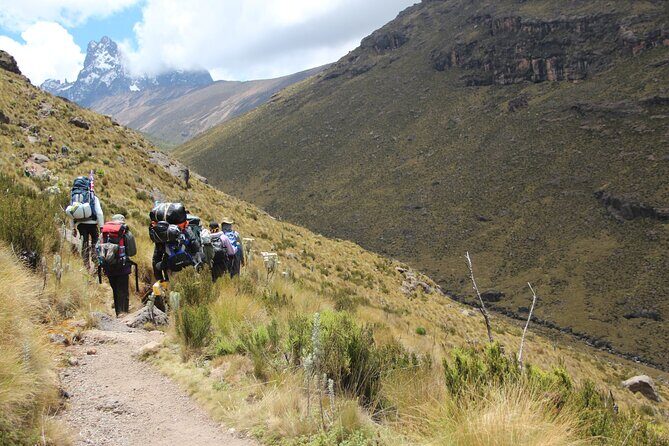
This trip is best for hikers with moderate physical fitness who want a guided, organized climb with clear structure. If you can hike for hours, handle steep-ish walking, and you’re comfortable with altitude progression, you’re in the right zone.
It’s a particularly good fit if you:
- Want an organized Chogoria–Sirimone style climb with acclimatization pauses
- Prefer a route rhythm that helps your legs during the descent phase (the Chogoria-Sirimon choice is often praised for being easier on knees and legs on the way down)
- Appreciate an operation that focuses on safety systems, not just enthusiasm
Think twice if you’re not comfortable with pre-dawn starts or if altitude already makes you feel wiped out on short time frames. This plan hits high points like 4200m on day three and 4985m on summit day—so you need to treat rest and pacing like part of the climbing, not an afterthought.
Practical tips for packing and preparing (based on what’s included)
Since personal climbing gear isn’t included, pack like a grown-up mountain traveler. You’ll want footwear and layers you trust for cold mornings and active afternoons. Even if days are described as gradual and scenic, altitude can surprise you with temperature changes.
Because the trip includes full meals and support, your packing list can stay focused on what you personally carry and wear. Your goal is not to be minimal—it’s to be prepared without dragging a junk bag up the mountain.
Also, be ready for a 3:00 am summit start. That means planning your sleep and wake-up routine. If you’re the type who gets anxious about early mornings, this is where you’ll either nail it—or hate it.
Should you book Kentau Safaris for Mount Kenya via Chogoria–Sirimone?
If you want a guided Mount Kenya climb with a safety-minded approach and real support, I’d consider booking. The combination of porters, included meals, and a clear summit timing plan reduces the usual stress of high-altitude travel.
The most compelling reason to book is the way the climb is paced: Lake Ellis (~3600m), then Mintos (~4200m), then the summit Point Lenana (4985m) with sunrise timing. That structure gives you the best chance to enjoy the mountain instead of just surviving it.
I’d pass only if you’re unwilling to commit to an early summit start or you can’t comfortably manage a multi-day hiking pace with altitude. If that sounds like you, you’ll be happier with a different schedule.
FAQ
What time does the trip start?
The stated start time is 3:00 am, based on the summit-day timing.
What route is this climb?
It’s a 5-day climb of Mount Kenya via the Chogoria–Sirimone route.
Do you offer pickup from Nairobi?
Pickup is offered.
Is park admission included?
Park admission is listed as free, and all fees and taxes are included.
What meals are included?
You get 4 breakfasts, 4 lunches, and 4 dinners.
Are porters included?
Yes. Porters support is included for the climb.
Do I need my own climbing gear?
Yes. Personal climbing gear is not included.
How many people are in the group?
The group has a maximum size of 15 travelers.
What fitness level do I need?
The trip is for travelers with moderate physical fitness.
Is there free cancellation?
Yes. You can cancel for a full refund up to 24 hours before the experience’s start time.