REVIEW · NAIROBI
From Nairobi: David Sheldrick Elephant Orphanage Tour
Book on GetYourGuide →Operated by GRACEPATT SAFARIS · Bookable on GetYourGuide
Baby elephants meet you on their timetable.
This short Nairobi-area tour is interesting because it puts you face-to-face with rescued elephants and ties the cuteness to conservation reality, not just selfies. I especially like the timed milk-feeding moments with keepers at the rope-fenced viewing area, and I like the clear, hands-on explanations about why elephants end up orphaned and how the trust rehabilitates them. One possible drawback: the day can include extra stops (like craft or shopping stops) that chew up time, so you’ll want to be clear about your priorities and keep an eye on the schedule.
You start in Nairobi in the morning, drive out, then spend your main hour in the orphanage area when the youngest elephants come out to greet staff and eat. This is a small-group format (limited to 8), so you typically get a less chaotic viewing experience than bigger buses. Still, with Nairobi traffic and a tight opening window, arriving on time at pickup matters.
In This Review
- Key things to know before you go
- Timing matters: Nairobi pickup and the orphanage feeding window
- The rope-fenced center: what the 11am–12pm visit feels like
- The feeding choreography: younger calves to the 2–3 year olds
- Conservation talk that actually connects to what you see
- Getting there (and back) without losing your schedule
- Price and the real cost of going: $69 plus the unavoidable extras
- Small-group size: why it changes how you see elephants
- Who this tour fits best (and who might want a different plan)
- Tips to make the day smoother
- Should you book the David Sheldrick orphanage tour from Nairobi?
- FAQ
- What time do you get picked up in Nairobi?
- How long is the tour?
- What happens during the visit to David Sheldrick Wildlife Trust?
- Is the Nairobi National park fee included?
- Do I need cash?
- What else can I add during the day?
- How big is the group and what language is the guide?
Key things to know before you go
- Arrive for the feeding window so you’re watching when the youngest elephants trot out from the bush.
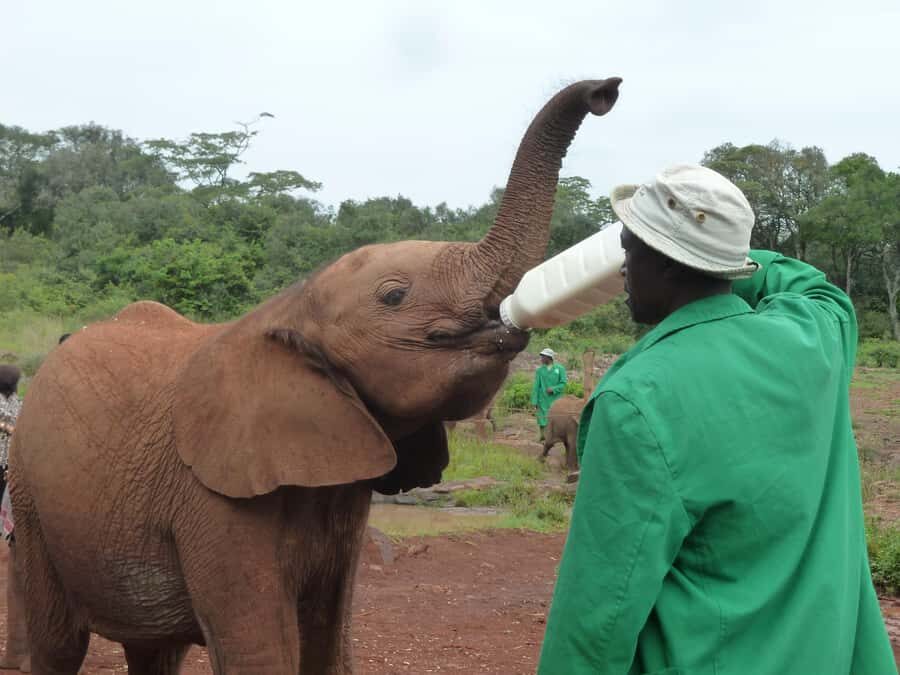
- Milk bottle viewing is the main event: short slurp-and-gargle feeding sessions, then water play and keepers guiding cuddles.
- They explain the backstory of each orphan, including common causes like poaching, falling into wells, and human/wildlife conflict.
- Your trip depends on logistics: some itineraries add craft or shopping stops, which can make you late if you’re on a strict timeline.
- Plan for extra on-the-ground costs: Nairobi National park access and a conservation donation are not included in the base tour price.
Timing matters: Nairobi pickup and the orphanage feeding window
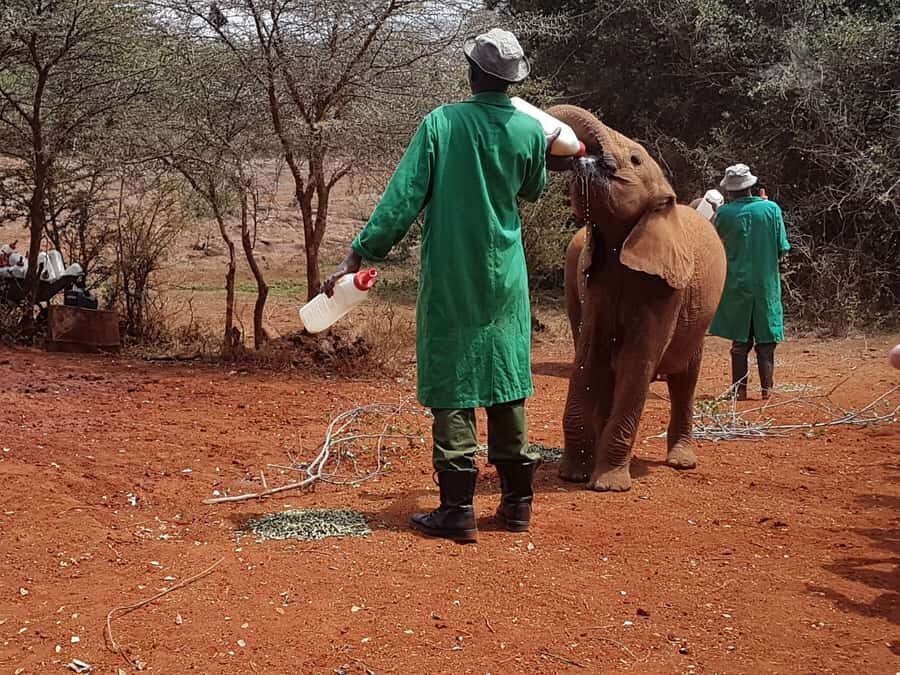
This is the kind of tour where timing is the product. Pickup is from your Nairobi hotel or home at 9:30 AM, and you’re then in the van for about two hours on the drive. That length is important because it builds in room for real Nairobi movement, not just the straight-line distance on a map.
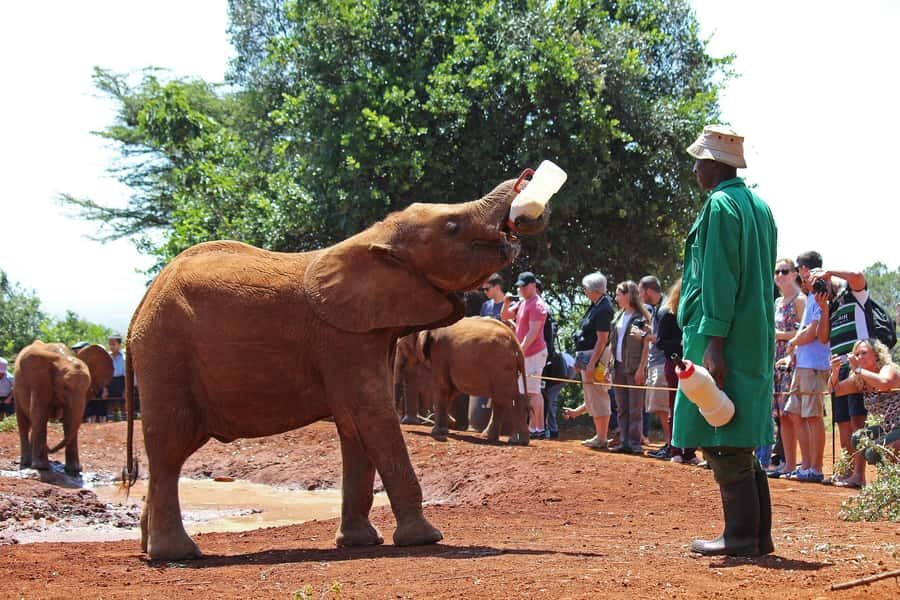
Your walk-through at the David Sheldrick Wildlife Trust is scheduled for roughly 11:00 AM to 12:00 PM, and the experience is centered on when the gates open and when different age groups come out to feed. The youngest elephants typically arrive first, trotting up to greet keepers who stand ready with large bottles of milk. That first wave is the most visually dramatic part of the visit, so getting there on time makes the whole day feel worthwhile.
A practical note: if your priority is the strict orphanage feeding time, you’ll want a guide who keeps the day tight. People have specifically praised guides such as Stephen for navigating entry/payment smoothly and getting to strong viewing positions once the gates opened.
You can also read our reviews of more tours and experiences in Nairobi.



The rope-fenced center: what the 11am–12pm visit feels like
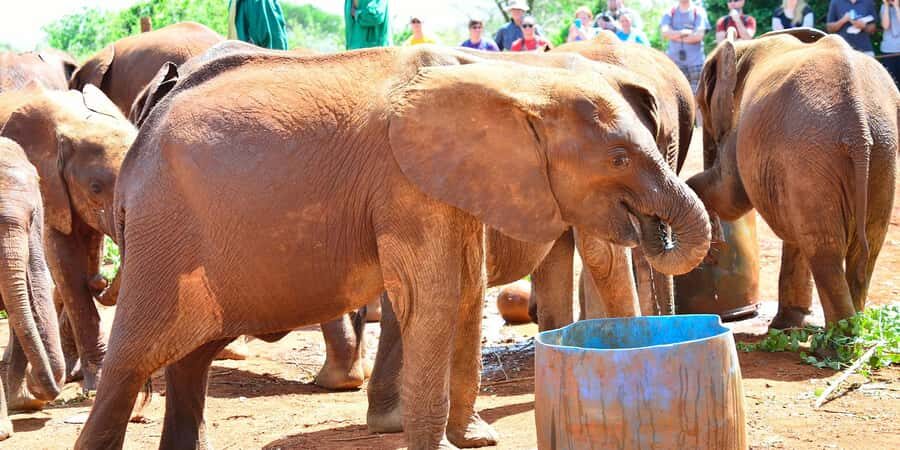
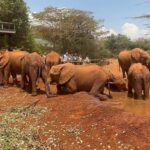
Once you reach the trust’s open-space center (with a rope fence around the viewing area), you shift from drive-mode to watch-mode. The youngest elephants often appear out of the bush quickly, moving in to meet keepers in a way that feels purposeful, not performative.
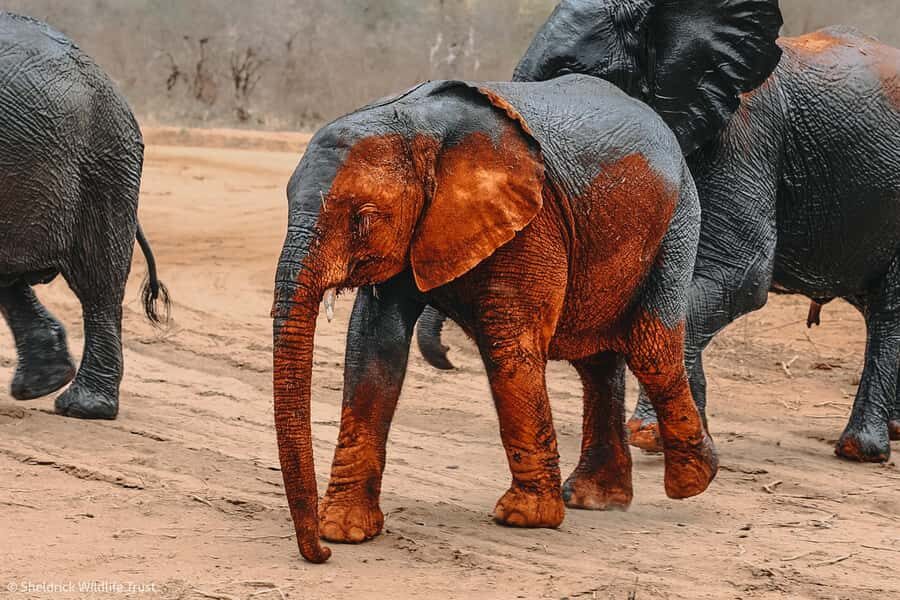
You’ll typically see 10–15 minutes of feeding for the youngest group. Watch the bottles do their thing: the elephants slurp and gargle, then—once they’ve had enough—keepers offer water for play and for those friendly, close-in interactions where you may see the elephants nudge for attention.
This is also where the tour’s value goes beyond “look at animals.” You get a guided explanation of:
- how old the elephants were when they arrived,
- where they were rescued from (when known),
- and what caused them to be orphaned.
The tour information you receive flags some common scenarios, including mother’s poaching, falling into wells, and human/wildlife conflict. That context matters because it changes how you interpret what you’re seeing. You’re not just enjoying cute moments; you’re learning why the rehabilitation program is needed and why the care process is so hands-on.
The feeding choreography: younger calves to the 2–3 year olds
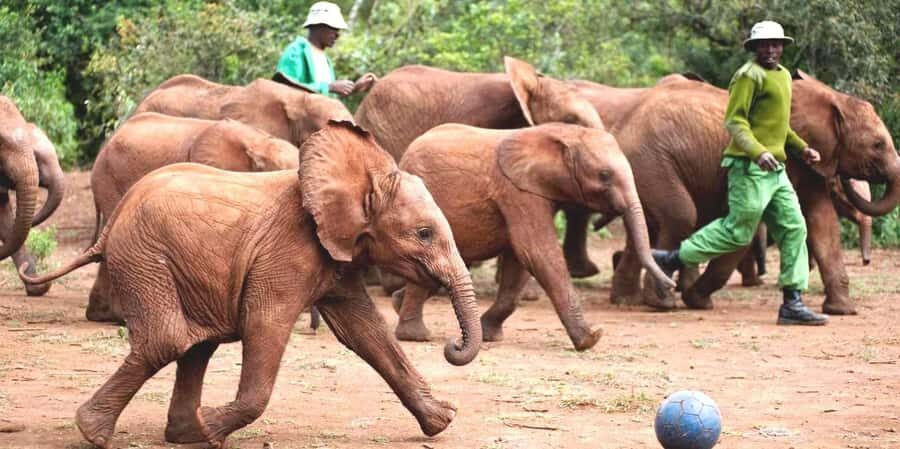
After the youngest group finishes feeding and play, the visit moves to the next group—often around the 2–3 year old elephants. Here’s what’s especially fun (and different): some of them can manage the bottle themselves, while others still get helped by keepers.
You’ll likely notice two things during this section:
- the elephants become more confident with the bottle, and
- the feeding process feels a bit more like daily routine than the “first meeting” vibe of the youngest arrivals.
There’s also a specific kind of behavior that tends to land well with visitors: you may see elephants close their eyes with obvious comfort as they work through several gallons of milk. It’s hard not to smile while you’re watching, but the guide’s explanations help you keep it grounded in care and rehabilitation rather than entertainment.
Conservation talk that actually connects to what you see
The best part of this tour isn’t only that it’s close-up. It’s that the keeper-led explanations connect the elephant’s current behavior to their rescue and rehab path.
As the elephants are introduced, you learn their individual circumstances—again when those details are known—and the tour ties those stories to bigger conservation themes. Poaching doesn’t just remove animals from the wild; it creates orphans that need constant, specialized human care. Wells and other hazards don’t just cause injury; they can strand calves where mothers can’t reach them. And human/wildlife conflict doesn’t just inconvenience people; it can push vulnerable elephants into dangerous situations.
That context is the difference between watching animals and understanding the program. If you’re the type who likes animal encounters with a mission, you’ll probably feel satisfied here.
Getting there (and back) without losing your schedule
Transportation is part of the experience. You’re picked up in Nairobi and returned back to Nairobi, which removes a lot of guesswork. You also get a live English guide, plus a setup that includes handling entry fees and the orphanage ticket.
Still, pay attention to the “small surprises” factor. One common complaint is that the van adds extra stops—like art and craft centers—on the way there or back, which can stretch the day and put you at risk of being even slightly late for the feeding moment. In one case, the timing was said to be exactly one hour at the orphanage, but the group still felt rushed due to delays.
If your schedule is tight, consider asking the driver/guide to prioritize direct travel. People have even reported needing to request fewer stops on the return ride for it to match what they expected.

Price and the real cost of going: $69 plus the unavoidable extras
On paper, the tour price is $69 per person, and the included parts are:
- pickup and drop-off within Nairobi,
- David Sheldrick orphanage entry ticket,
- and the orphanage entry fees.
That sounds straightforward, but here’s the part you shouldn’t ignore. Two additional costs are called out as not included:
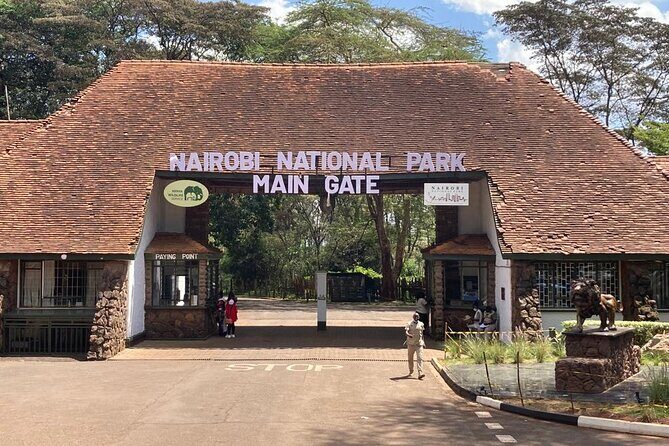
- $85 per person for Nairobi National park access (described as mandatory to access the orphanage area).
- A required conservation donation of $45 USD CASH per person is also expected at the site.
Add those up and the trip gets closer to the “full-day value” category once you factor them in. Then there are extras you can choose:
- Lunch is available to purchase.
- An optional visit to the Giraffe Center is listed at $25 per person.
So is it worth it? For many people, yes—because the logistics are handled, the group is limited, and the main event is time-sensitive. But I’d be honest with you: if you’re trying to do this on a strict budget, the base tour price alone isn’t the whole story.
Small-group size: why it changes how you see elephants
This tour keeps group size limited to 8 participants, which is a practical advantage. Smaller groups usually mean:
- less scrambling for a good rope-fence spot,
- faster movement between explanations,
- and a more manageable pace from guide to guide.
In addition, people have described the experience as very guided and organized, including smooth handling of park access and entry procedures when done by capable guides like Stephen.
If you’re someone who hates being jostled in wildlife viewing areas, this small-group structure is one of the clearest wins.
Who this tour fits best (and who might want a different plan)
You’ll likely love this if:
- you want a one-hour main event that focuses tightly on elephant care,
- you care about conservation education, not just animal spotting,
- you prefer a small group and clear guidance,
- and you’re in Nairobi and don’t want to deal with entry logistics yourself.
You might want a different plan if:
- you’re extremely time-sensitive and dislike added stops,
- you’re budget-restrained after mandatory park access and cash donation,
- or you only want the cheapest possible way to see elephants (because the on-the-ground requirements raise the effective cost).
Tips to make the day smoother
These are the “do this, not that” items that come straight from how the day runs:
- Bring cash for the conservation donation since it’s listed as required in USD cash.
- Budget extra time for the drive and keep your pickup punctual so you don’t miss the best viewing.
- Expect the route to be guided, not purely direct: if shopping/art stops are added, ask for fewer breaks if you’re trying to protect the orphanage window.
- Plan meals around availability: lunch is available to purchase, but it’s not included.
Should you book the David Sheldrick orphanage tour from Nairobi?
I’d book it if you want a compact, guided, education-forward elephant encounter that’s timed to the day’s feeding rhythms. The small group size, the rope-fenced close viewing, and the keeper-led explanations about rescue causes are the reasons this tour earns its strong reputation.
But you should book with your eyes open. Factor in the mandatory park access ($85) and the cash conservation donation ($45), and be prepared that the day may include extra stops that can affect timing. If you’re strict about arriving right at feeding time, message your priorities before the day starts or speak up when the schedule starts drifting.
If you want a simple answer: for many Nairobi visitors, this is one of the most meaningful “short and focused” wildlife activities you can do—just don’t treat the $69 as the full price.
FAQ
What time do you get picked up in Nairobi?
Pickup is at 9:30 AM from your Nairobi hotel or home.
How long is the tour?
The activity is listed as 1 hour for the experience window.
What happens during the visit to David Sheldrick Wildlife Trust?
You’ll take a guided walk through the open viewing area where keepers feed and interact with different age groups, starting with the youngest elephants and then moving to the older group (often 2–3 year olds).
Is the Nairobi National park fee included?
No. The $85 per person Nairobi National park access fee is not included and is described as mandatory to access the orphanage.
Do I need cash?
Yes. A required conservation donation of $45 USD CASH per person is mentioned as not included.
What else can I add during the day?
Lunch is available for purchase, and there’s an optional add-on to the Giraffe Center for $25 per person.
How big is the group and what language is the guide?
The group is limited to 8 participants and the live tour guide is English. The tour is also listed as wheelchair accessible.