REVIEW · NAIROBI
8 Day Safari: Best of Kenya & Tanzania
Book on Viator →Operated by Kenya Bush Expeditions Tour and Travel · Bookable on Viator
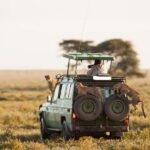
Africa gets serious fast. This 8-day Kenya and Tanzania safari is built around the big names—Maasai Mara, Serengeti, and Ngorongoro—with game drives scheduled so you spend daylight where the animals are. You get a smooth rhythm of parks, lodges, and drives, plus the comfort of having lodging, entrance fees, and most meals handled.
What I love most is how much time you actually spend on safari, not just riding around. The tour also puts you in well-placed accommodations like Top cliff lodge in Nakuru (with views over the park and town) and Seronera wildlife lodge inside Serengeti, where your base makes long game-drive days feel more efficient.
One consideration: the pace is full-on. You’ll start early, you’ll have long drives between parks (including a driver change after border formalities), and one extra option—the Maasai village visit—costs extra.
In This Review
- Key things that make this safari work
- Kenya and Tanzania in 8 days: why this route hits the highlights
- Day 1: Lake Nakuru from Nairobi with a first round of sightings
- Day 2 and Day 3: Maasai Mara National Reserve, Mara River views, and an optional culture stop
- Day 4 and Day 5: Serengeti National Park with a border day and inside-the-park lodges
- Day 6: Ngorongoro crater as a full-day conservation-area experience
- Day 7: Tarangire National Park, then Arusha for the final hotel rhythm
- Day 8: Arusha to Nairobi with a relaxed morning and evening airport drop
- Price and included value: what $3,897.44 buys you here
- Guide quality and vehicle time: why John and Peter matter
- Who should book this Kenya and Tanzania safari (and who should think twice)
- Should you book 8 Day Safari: Best of Kenya & Tanzania?
- FAQ
- What parks and reserves does this 8-day safari visit?
- Where does the safari start and end?
- What’s included in the price?
- Is pickup offered?
- Do I need a passport?
- Is it refundable if I cancel?
Key things that make this safari work
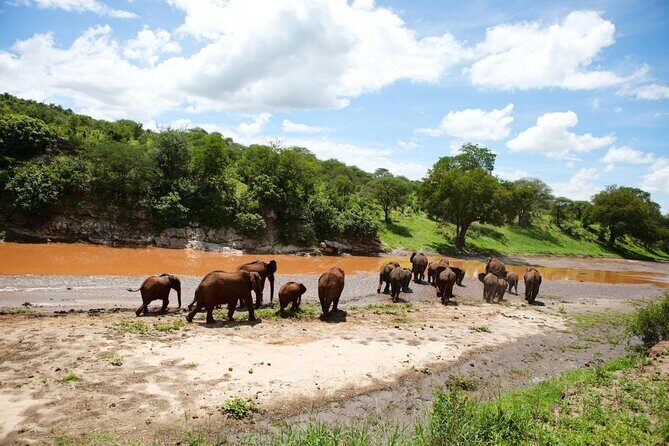
- Lake Nakuru’s pink-lake birding: flamingos and great wildlife viewing in one day, plus lions and rhinos in the mix
- Maasai Mara game drives with prime timing: early drives, a full-day drive by the Mara River, and an optional Maasai village add-on
- Serengeti from inside the action: stays at Ikoma tented camp and Seronera wildlife lodge, with animals sometimes close to your room verandah
- Ngorongoro crater as a full-day mission: packed lunch at the crater and late game drives before heading to your overnight spot
- Tarangire for a different feel: a full day that targets the park’s distinctive river-and-plains setup before heading to Arusha
- Guides who know where to look: reviews highlight guides like John and Peter, plus helpful drivers pushing you toward better sightings
Kenya and Tanzania in 8 days: why this route hits the highlights
This is a classic cross-country safari route, and it’s popular for a reason: each park is “different enough” that you don’t feel like you’re repeating the same day in a loop. You go from Lake Nakuru’s bird-and-bush mix to Maasai Mara’s famous open plains, then into Serengeti’s wide views and big-game drama, and finally to Ngorongoro crater for the stacked wildlife density.
What makes the itinerary feel practical is the pacing by park. You’re not bouncing every hour, and most days are built around real game-drive blocks with lunches packed or served at the right times so your day doesn’t stall.
The other big advantage is logistics handled for you: driver/guide, pickup, park entrance fees, safaris, lodging, and most meals. For a trip like this, that’s not a “nice-to-have.” It’s the difference between a smooth safari and a stressful one.
A few more Nairobi tours and experiences worth a look
Day 1: Lake Nakuru from Nairobi with a first round of sightings
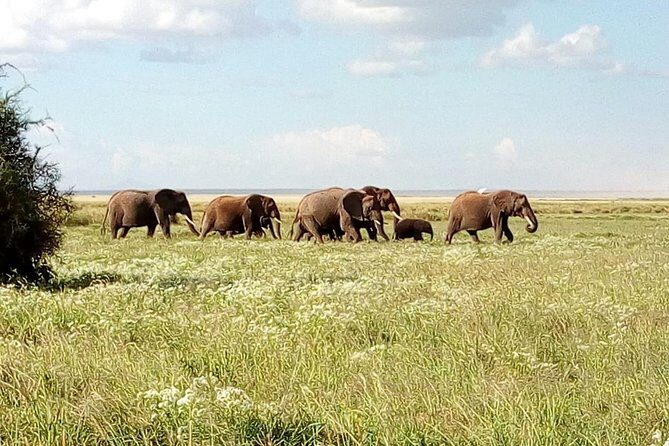
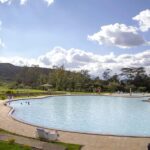
You leave Nairobi at 8:00 am for Lake Nakuru National Park, a roughly 2.5-hour drive. You arrive for lunch and check in at Top cliff lodge Nakuru, a good choice if you like getting your bearings quickly—this lodge is positioned for views over both the park and Nakuru town.
Afternoon game drives are where this day really lands. You get one late-day wildlife session before dinner, so even though it’s your first park stop, you’re not waiting around for the “real safari” to start.
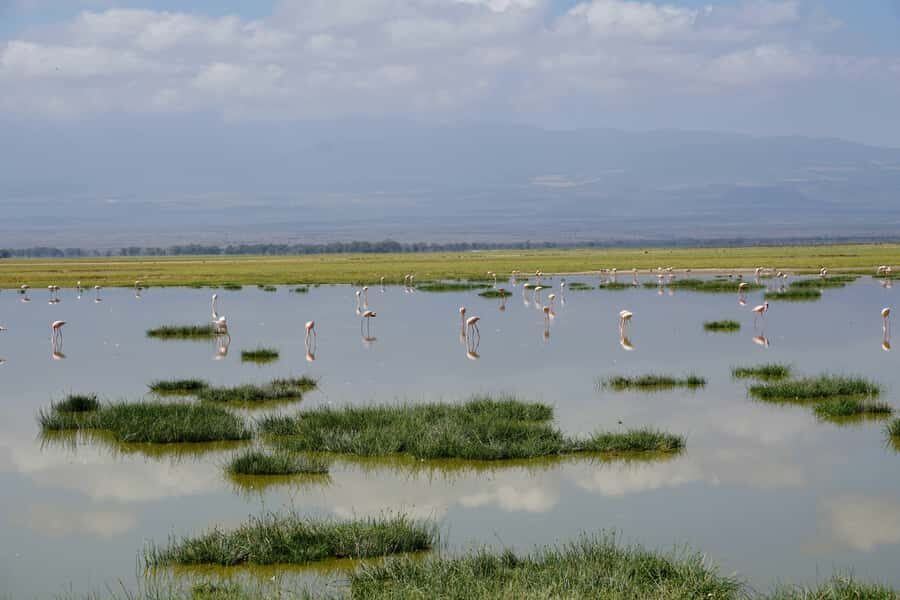
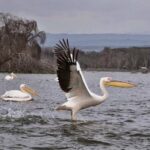
Lake Nakuru is famous for birds, especially flamingos, which is why people call it the pink lake. That flamingo presence makes it a strong stop if you care about more than just the big mammals—and you’ll still have a chance at lions, rhinos, and buffalo while you’re there.
A tip for this kind of first day: wear layers. You’ll often move between lodge areas and open vehicles where temps can shift, and you’ll want to stay comfortable during both the drive-in and the afternoon sightings.
Day 2 and Day 3: Maasai Mara National Reserve, Mara River views, and an optional culture stop
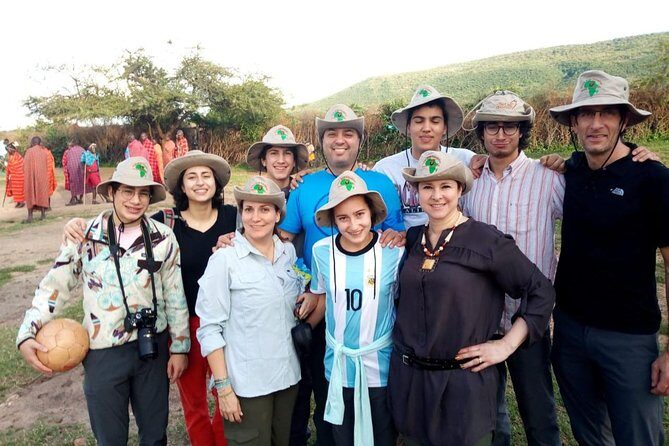
Maasai Mara starts with early morning game drives at Lake Nakuru, then you head out toward the reserve. The transfer includes a stop for a hot lunch, and you reach Maasai Mara AA lodge in the afternoon, where you get leisure time.
That “leisure time” is a real quality-of-life upgrade. Safari days get long; having the afternoon free means you can stretch, freshen up, and be ready for a full day on the next morning.
On Day 2, you also have an optional Maasai village cultural tour, but it’s not included. If culture experiences are your thing, it’s an easy add-on to consider—but if you’d rather keep the whole day for wildlife, you won’t feel like you’re missing part of the core safari.
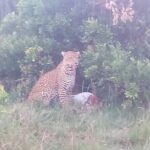
Maasai Mara is one of Kenya’s top destinations, and it’s built around sightings. The tour’s framing focuses on the big five—lion, leopard, buffalo, rhino, elephant—plus other species moving freely across the reserve. That matters because Mara sightings aren’t just about luck; the reserve’s reputation means the guiding time is usually well spent.
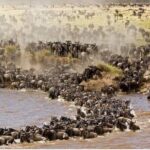
Day 3 is your full day game drive in Maasai Mara, with packed lunch eaten near the Mara River. That’s a smart setup: rivers draw animals and change the viewing conditions through the day, so you’re not stuck in one “type” of landscape.
This is also the day you should plan to be flexible. If the guide finds fresh action, you’ll likely trade perfect timing for better animal encounters. In this style of safari, that’s the deal.
Day 4 and Day 5: Serengeti National Park with a border day and inside-the-park lodges
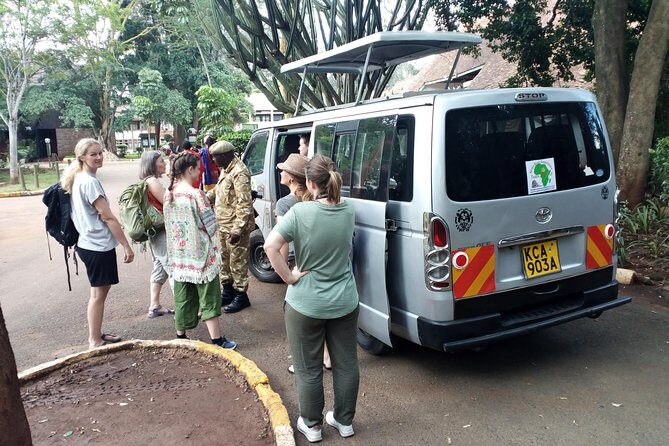
Day 4 is a transition day, and it’s handled as part of the safari instead of treated like a dull commute. You depart for immigration at the Esibania border with packed lunch. Then there’s a practical detail: drivers change for the remaining part of the safari, and you continue on to Ikoma tented camp for dinner and overnight.
One thing I appreciate in this schedule is that it doesn’t leave you stranded. After check-in, you have leisure time, and animals can come near the camp—meaning you might see wildlife right from your room verandah. For many people, that’s the best kind of bonus after a travel day.
Day 5 is your full day game drive in Serengeti. Serengeti is described as wide with many animals, and the key takeaway for you is that the driving time is meant to translate into sighting chances. You check in later at Seronera wildlife lodge, a lodge located inside Serengeti—useful because you’re not losing your prime daylight hours to getting into and out of the park.
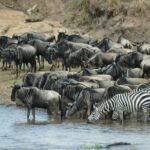
If you’re traveling during migration season, this is typically when Serengeti makes people say a lot of superlatives. One review noted that migration was the peak, which lines up with why Serengeti is on so many bucket lists.
How to handle Serengeti day comfort-wise: bring a camera strap you trust, and keep a small snack and water ready. You won’t always be right at a lodge when the action hits.
Day 6: Ngorongoro crater as a full-day conservation-area experience
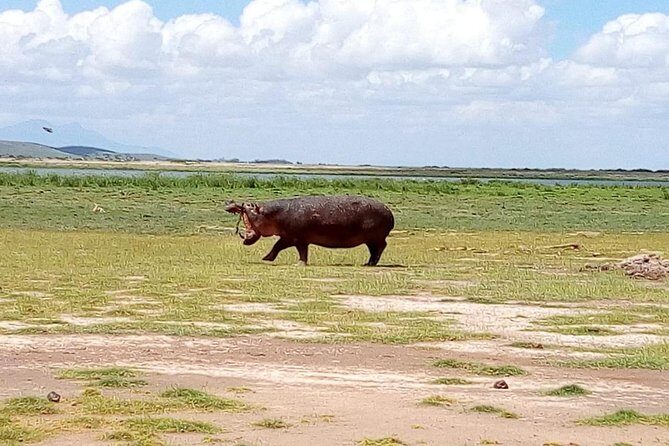
On Day 6, you head toward Ngorongoro crater. The day starts with departures via game drives en route, so you’re not wasting the transfer time. Then you reach the Ngorongoro conservation reserve and spend a full day there, including packed lunch at the crater.
Ngorongoro Crater itself is a large volcanic caldera and the conservation area is a World Heritage Site. You’re also told the area is administered through the Ngorongoro Conservation Area Authority, so you’re seeing a protected setup that’s managed as a conservation space, not a free-for-all.
The day doesn’t end early. Game drives run until late, and only then do you check in at Eileens trees hotel for dinner and overnight. That “late drive” pattern matters because wildlife activity can still show up when others are winding down.
One practical note: crater days can feel long and bumpy, depending on the day’s road conditions and the viewing areas. If you’re prone to motion sickness, pack something you’ve used before.


Day 7: Tarangire National Park, then Arusha for the final hotel rhythm
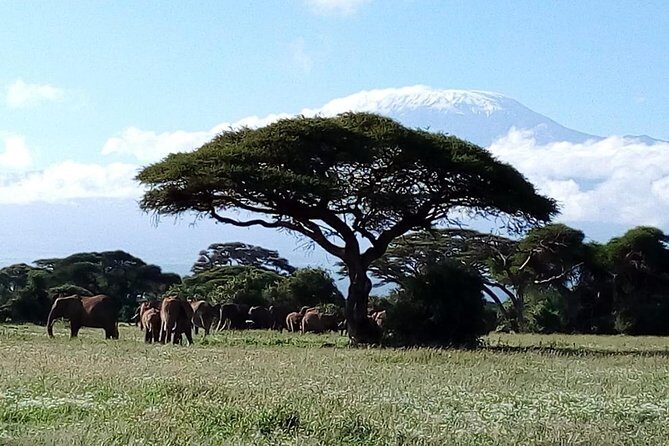
Day 7 shifts the safari vibe. After hot breakfast, you depart for Tarangire National Park with packed lunch for a full day tour. Tarangire is described in terms of location between Maasai steppe meadows and Great Rift Valley lakes, plus its river system and seasonal changes in swamps and plains.
The Tarangire River is perennial, and that’s a big deal in wildlife viewing. When there’s a reliable water source, animals keep showing up in patterns, and that makes guiding time more productive. Even if you don’t catch a specific “signature” animal, the park’s structure supports consistent sightings.
In the afternoon, you move on to Arusha town and check in for lunch at Moivaro lodge. It’s a nice wrap-up: after intense days in reserves and crater terrain, Arusha brings you back to a more human-scaled place.
Day 8: Arusha to Nairobi with a relaxed morning and evening airport drop
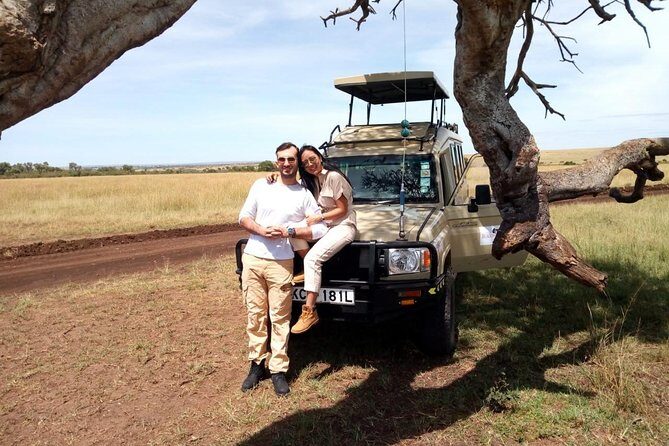
You get a calmer finish. Breakfast comes first, and you stay in the hotel premises until noon. Then your driver picks you up for the Arusha shuttle to Nairobi.
Your airport drop is set for 6:30 pm. That timing gives you a predictable end to the safari, and it’s helpful for planning your flight home without last-minute chaos.
If you’re the type who likes to sort photos, recharge devices, and decompress without rushing, this is your day for it.
Price and included value: what $3,897.44 buys you here
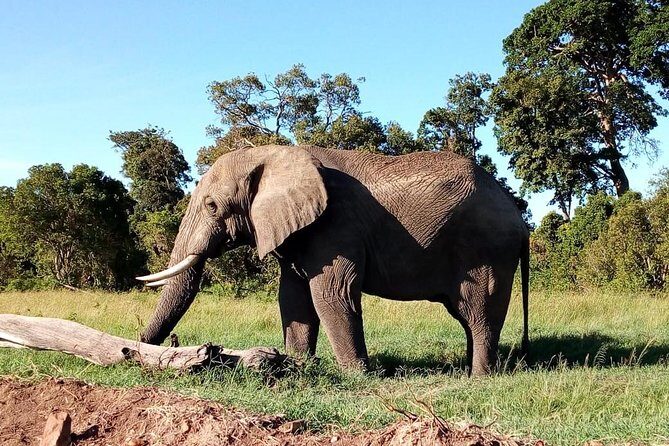
At $3,897.44 per person for an 8-day safari, this isn’t a low-cost “budget” trip. But it also isn’t priced like a menu where you then pay separately for every essential.
From the included list, you’re covered with:
- driver/guide and hotel pickup
- breakfast (7), lunch (8), dinner (7)
- lodging and transportation
- entrance fees and safari activities
That’s the core value for a safari. The big costs often aren’t just the parks—they’re the vehicle, guiding time, park access, and the logistics of moving between Kenya and Tanzania smoothly.
Another small-but-real value point: the tour description includes mobile ticketing and confirmation at booking. On a trip where you’re moving across borders and parks, that reduces stress, especially if you’re trying to keep your schedule tidy.
One more pricing reality check: since this is described as private for your group, you’re not relying on random shared arrangements to make the itinerary work. That usually means better coordination for timing, seating, and game-drive pacing.
Guide quality and vehicle time: why John and Peter matter
This tour stands or falls on guidance. You can have the best parks and still waste time if the driver and guide can’t read the day. Reviews for this safari provider mention guides like John and Peter as responsive and focused on getting you into good positions.
That lines up with what you’ll feel during the drive: you’ll spend long stretches scanning for movement and listening for the guide’s animal callouts and explanation. When a guide is attentive, you get more from every hour—especially in wide parks like Serengeti, where your view depends on where you’re parked.
Also, drivers are described as friendly and willing to help on the way. That matters on long safari schedules, because the “help” often shows up as small fixes: comfort needs, timing adjustments, and keeping the group coordinated when animals appear fast.
Who should book this Kenya and Tanzania safari (and who should think twice)
This tour is a strong fit if you want a true big-park safari with limited decision-making. If you’d rather not research lodges, route timing, or park rules, the included structure is built for you.
It also suits people who handle early mornings well and don’t mind long days. You’ll be on the road and on safari often, with transfers scheduled so you don’t lose the daylight windows.
You should think twice if you’re sensitive to intense schedules. Driver changes after border formalities can feel like a disruption, and long drive days can be tiring if you prefer a slower pace.
And if you’re hoping for a full menu of cultural experiences, remember that the Maasai village visit is optional and not included. You can still do it, but it’s an add-on you’d need to budget separately.
Should you book 8 Day Safari: Best of Kenya & Tanzania?
If your goal is to see Maasai Mara, Serengeti, Ngorongoro, and Tarangire in one trip with logistics mostly handled for you, I’d say this booking is worth serious consideration. The combination of included safaris, park access, and well-chosen lodging bases inside or near the parks makes the schedule feel built for real sightings.
If you’re comfortable with long days, early starts, and the occasional “transfer day” pace shift, you’ll likely enjoy how quickly this safari gets to the action—starting with Lake Nakuru’s flamingo life and rolling straight into Mara and Serengeti.
If you want more control over every stop and don’t like the idea of a fixed route with driver changes, you might prefer a more customizable safari. But for most people chasing iconic parks without extra stress, this one checks a lot of boxes.
FAQ
What parks and reserves does this 8-day safari visit?
This safari includes stops at Lake Nakuru, Maasai Mara National Reserve, Serengeti National Park, Ngorongoro Conservation Area (crater), and Tarangire National Park, with Arusha at the end.
Where does the safari start and end?
It starts in Nairobi, Kenya. On the final day, you travel from Arusha back to Nairobi with a drop at the airport at 6:30 pm.
What’s included in the price?
The experience includes a driver/guide, hotel/port pickup, lodging, entrance fees, safari activities, and most meals: breakfast (7), lunch (8), and dinner (7).
Is pickup offered?
Yes. Hotel/port pickup is included, and early-day pickup is mentioned for the start in Nairobi.
Do I need a passport?
Yes. A current valid passport is required on the day of travel.
Is it refundable if I cancel?
No. This experience is non-refundable and cannot be changed for any reason. If you cancel or ask for an amendment, the amount paid is not refunded.