REVIEW · NAIROBI
5-Day Masai Mara Lake Nakuru and Naivasha Small-group Safari Tour
Book on Viator →Operated by Lenchada Safaris · Bookable on Viator
Rift Valley lakes and big cats in five days. This small-group safari (max 15 people) strings together Maasai Mara, Lake Nakuru, Lake Naivasha, and Hell’s Gate with game drives, birding, and even a geothermal stop, starting with a 7:00 am pickup from Nairobi CBD. I especially like the wildlife variety packed into a tight schedule—flamingos and rhinos on the lake circuit, then classic Mara big-cat country.
One thing to consider is that the “budget” end of safari can mean basic lodging details. In the experience mix behind this tour, there have been mentions of limited electricity and warm water at the camp setup, so go in with realistic expectations and plan your comfort around that.
In This Review
- Key things I’d zero in on before booking
- Who this 5-day joining safari fits best
- Day 1: Nairobi to Maasai Mara with a Rift Valley viewpoint and picnic drive
- Day 2: Full day in Maasai Mara for Big Five odds and migration drama
- Day 3: Lake Nakuru National Park for flamingos, rhino, and a possible Maasai village stop
- Day 4: Lake Nakuru birding morning, then Naivasha and Dove Nest Lodge
- Day 5: Hell’s Gate National Park on foot or bike, plus Ol Karia hot springs
- Price and logistics: what $929.20 is buying you (and what it isn’t)
- The real trade-off: long drives and basic comfort
- How to maximize sightings in Mara and the lake parks
- Should you book this 5-day Masai Mara, Nakuru, Naivasha safari?
- FAQ
- What time does the safari start in Nairobi?
- How long is the tour?
- How many people are in the group?
- Which parks and areas are included?
- What meals are included?
- Are park admission tickets included?
- Is pickup and a mobile ticket included?
- Do I need good weather for the safari?
- Can I cancel and get a full refund?
Key things I’d zero in on before booking
- Max 15-person small group keeps the drive-to-safari vibe friendly and manageable
- Maasai Mara rhythm gives you both an afternoon drive and a full day hunting the Big Five
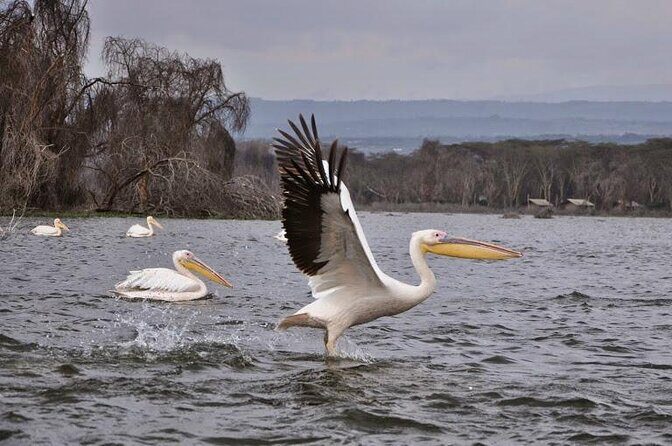
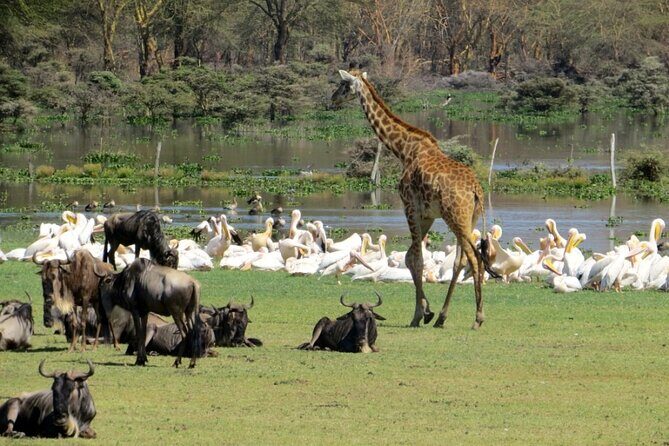
- Lake Nakuru bird spectacle is built around flamingos and huge water-bird variety
- Hell’s Gate on foot or bike plus Ol Karia geothermal power plant and hot springs
- Meal plan is strong: breakfast most mornings, lunches, and dinners across the days
Who this 5-day joining safari fits best
This is a joining safari format, so it’s not about private-individual pacing. It’s about getting you into Kenya’s big-name wildlife zones without paying for a fully private setup. If you like meeting fellow humans, sharing a jeep’s good luck, and using a guide’s eye for animal behavior, this kind of group tour is a practical fit.
The tour price is $929.20 per person, and what you’re really buying is time and logistics: Nairobi pickup, round-trip park movement, an on-the-ground certified guide, and a bundle of meals plus accommodation across four dinners, five lunches, and four breakfasts. In other words, you’re not just paying for “seeing wildlife.” You’re paying for the moving parts that make it actually work.
The trade-off? You’re on the move. You’ll have an early start, then long drives between areas. That’s not a flaw—it’s just the math of hitting Maasai Mara + Rift Valley lakes + Hell’s Gate in five days.
A few more Nairobi tours and experiences worth a look
Day 1: Nairobi to Maasai Mara with a Rift Valley viewpoint and picnic drive
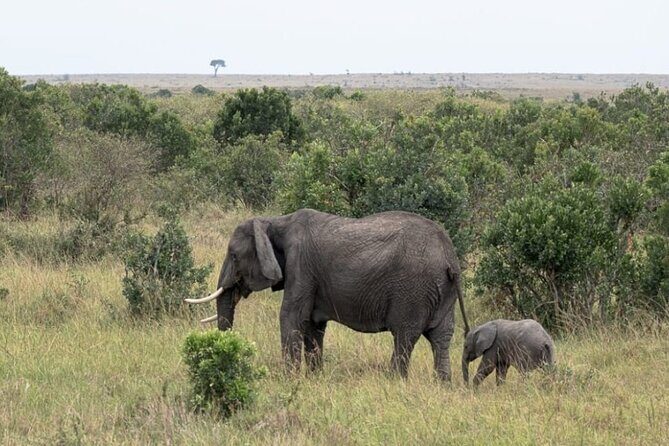
Your day starts early: a pickup around 7:00 am from your hotel or residence within Nairobi CBD. From there you head out toward Maasai Mara via a Great Rift Valley viewpoint, with a chance for sweeping views of the rift’s floor (yes, it’s one of those “wow, that’s big” moments).
Lunch is a picnic on the way, which matters because it reduces the number of stops you have to manage. When you reach Maasai Mara, you’ll check in, then get an afternoon game drive.
That afternoon drive is important. It sets up your expectations for the Mara: long grass plains, scattered trees, and animal sightings that can pop up suddenly—especially at water edges and along game paths. It’s not yet your full-day safari fix, but it’s enough to help you settle into how the Mara feels: slower-looking but constantly in motion.
What to watch for on day one is also simple: don’t plan to sleep in. If you show up tired, you’ll miss the best light and the best animal activity windows that the schedule gives you.
Day 2: Full day in Maasai Mara for Big Five odds and migration drama
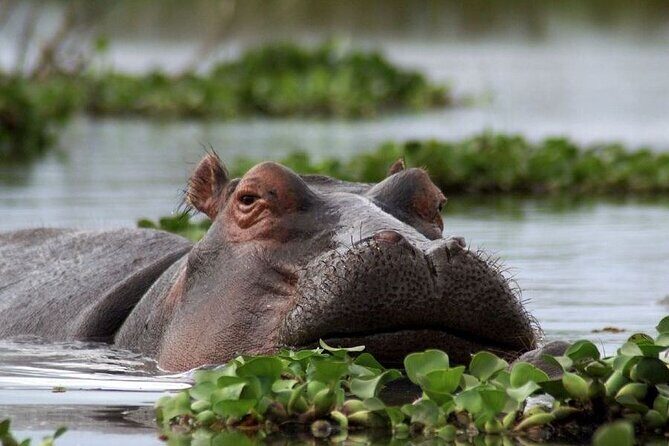
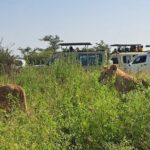
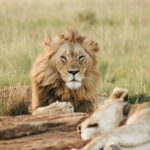
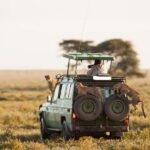
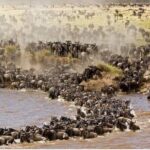
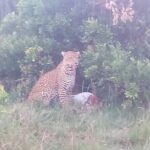
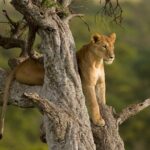
Day two is the “real Mara” day. You’ll spend the full day in Maasai Mara National Reserve with picnic lunches inside the reserve. The focus is classic: search for the Big Five and big cats, with time around Mara beauty spots and, critically, the banks of the Mara River.
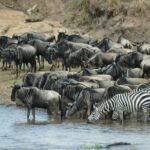
This is also the day tied to one of the most famous wildlife stories on Earth: the wildebeest and zebra migration. When people talk about the Mara during migration periods, what they mean is predators lining up behind the moving herds. That chain reaction is what you’re hoping for—animals reacting to animals.
The practical benefit of this full day is that it gives your guide room to respond. If the action is near one area, you don’t have to rush away just because the clock says so. And because this is a small-group format, you’re more likely to feel like the jeep is part of your group’s rhythm rather than a moving bus.
One honest consideration: even with a great guide, migration and Big Five sightings aren’t guaranteed. You’re booking the chance, not a guaranteed stamp in your passport.
Day 3: Lake Nakuru National Park for flamingos, rhino, and a possible Maasai village stop
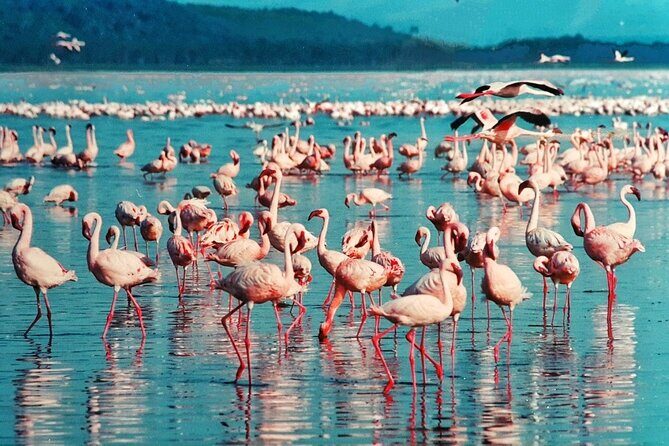
After an early breakfast, day three takes you from the Mara world into Lake Nakuru National Park. You’ll travel with a picnic lunch en route, arriving in the evening.
Before you head out, there’s an optional Maasai village visit. Whether you choose it depends on your interests—if you want culture in the mix, it adds context to the region. If you’d rather save energy for wildlife, you can pass and focus on the park.
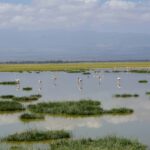
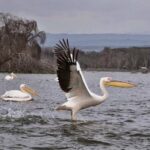
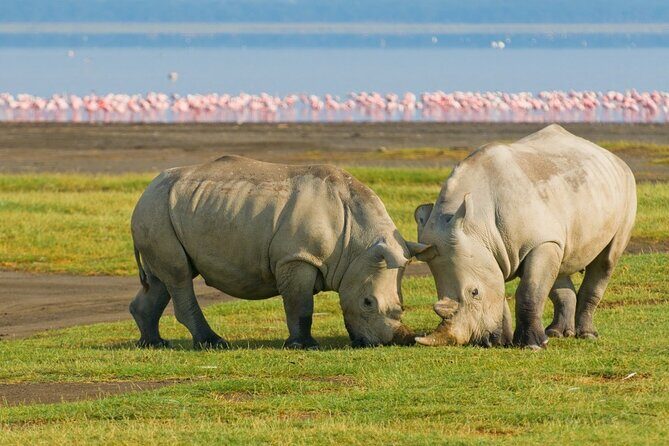
Lake Nakuru is famous for bird life, and the highlights are obvious fast: you’re in a place where Greater and Lesser flamingos are expected, and where the park supports a huge range of other species. On the wildlife side, Nakuru also has serious credibility for rhino, with both white and black rhino mentioned, plus predators and many mammals.
Because you arrive in the evening, day three is less about a long all-day game drive and more about getting into the right environment quickly. It’s a smart move in a 5-day itinerary: you shift from Mara to lakes, then let the lake area’s morning bird and wildlife momentum do the heavy lifting.
Day 4: Lake Nakuru birding morning, then Naivasha and Dove Nest Lodge
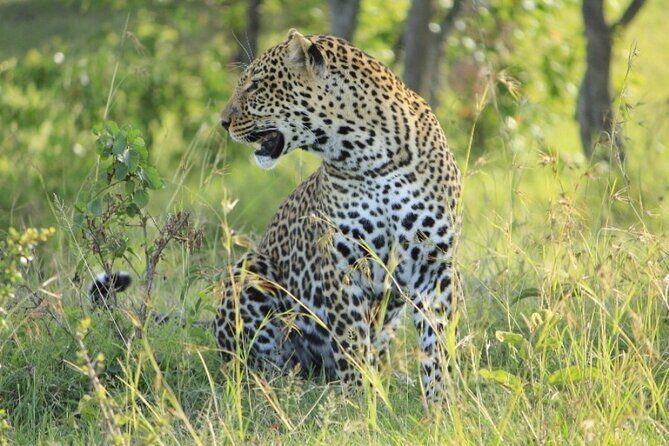
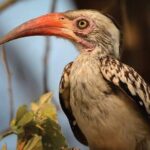
Day four starts back in Lake Nakuru National Park with more focused time—this is where you can zero in on the lake’s bird activity. The schedule calls out the chance to see some of the 350 bird species recorded there, plus opportunities related to the park’s rhino protection.
If you’re into photography, this is a good day. Birds give you lots of small moments: feeding behaviors, group movement, and changing light over water. Even if big mammals don’t show themselves right away, the birding can still keep you busy and satisfied.
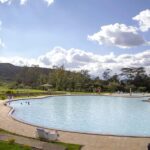
After the morning in Nakuru, you head toward Lake Naivasha. Lunch is picnic-style along the way, and then you’ll overnight at Dove Nest Lodge. Dinner isn’t specified in detail, but you are included for dinners across the tour days, and Naivasha becomes your “base night” before Hell’s Gate.
One detail to keep in mind: the provided information notes that the admission ticket for the Naivasha stop is not included. That doesn’t mean you won’t enjoy Naivasha—it just means you may pay for park access or activities at that part of the day depending on how the itinerary is executed.
A few more Nairobi tours and experiences worth a look
Day 5: Hell’s Gate National Park on foot or bike, plus Ol Karia hot springs
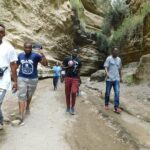
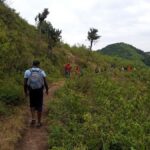
On the final day, you head to Hell’s Gate National Park after an early breakfast. This park gets special mention for one reason: it’s the only park in this set that allows you to get around both on foot or by bike. That’s a huge change from classic jeep-only viewing.
In Hell’s Gate, you’ll also get geothermal context. The schedule includes a visit to the Ol Karia geothermal power plant and the hot springs. If you’ve only seen volcanoes and geysers from far away, this is the chance to get closer to how geothermal activity shapes the area’s landscape and visitor routes.
There’s an optional Crescent Island tour, where you can watch hippos and other wildlife. This is the kind of choice you can make based on your energy and your animal priorities: hippos tend to be a crowd-pleaser, but not every group can stay focused in the same way.
After lunch, you drive back to Nairobi for a drop-off around 5:00 pm. That timing matters because it gives you a real endpoint. You don’t end your safari at some random time with nowhere to go.
Price and logistics: what $929.20 is buying you (and what it isn’t)
At $929.20 per person, you’re in “budget join-up safari” territory, not “luxury lodge, private vehicle, zero compromises” territory. What the data supports is a lot of value in the basics:
- Accommodation and a certified guide are included
- Meals included: 4 breakfasts, 5 lunches, and 4 dinners
- Pickup in Nairobi and park-to-park transport are built in
- Some park admissions are noted as included or free, depending on the day/park
The “what it isn’t” part is also important. The schedule flags that admission for the Lake Naivasha stop is not included. Also, the day structure includes optional add-ons like the Maasai village visit and Crescent Island, so expect extra costs if you choose them.
So how do you judge whether it’s good value? I’d frame it like this: if you want a compact safari that hits several top areas and you’re okay with simple lodging and early starts, this price can make sense. If you want long lodge downtime, lots of flexibility, or you hate paying extra for options, you may feel the limits.
The real trade-off: long drives and basic comfort
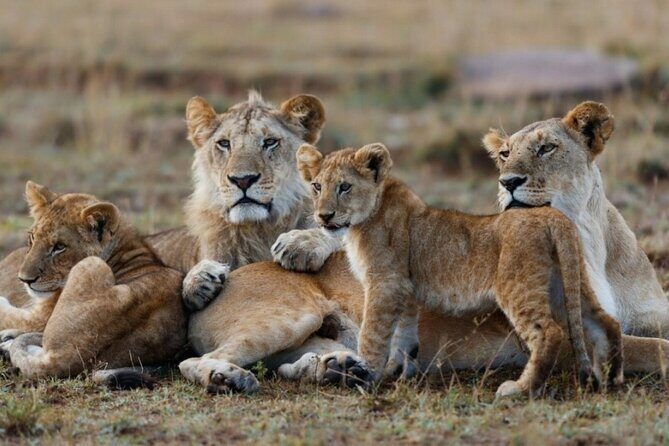
This itinerary moves. You’ll start early in Nairobi, then cycle through changing environments: rift viewpoint views, Mara plains, lake bird zones, and finally a geothermal park with walking/biking potential.
That movement can be tiring, but there’s a benefit: the parks are so different that you rarely feel like you’re repeating the same scenery. Mara feels open and animal-dense. Nakuru feels bird-heavy and scenic. Naivasha is a lake reset. Hell’s Gate is the “break the jeep spell” day.
Comfort-wise, the big caution is that camping and lodge standards can vary. In the experience mix linked to this operator, there are mentions of limited electricity and warm water at Lenchada camp. I’d treat that as a heads-up: bring chargers that can handle limited power, pack a basic wash plan, and don’t assume hotel-level hot showers.
On the plus side, the guide-and-driver team is a major strength. People highlighted the ability to drive safely, manage long hours, and adjust on the fly to get more sightings. Names that came up include Dickson, Solomon, Johny Jackson, Peter Kapina, Moses, Robi, Papa, Evans, Richard, and Albert.
You can also benefit from strong pre-trip communication. Collins and Lenchada Safaris coordination messages were specifically praised, which matters when your pickup time is early and your first day starts fast.
How to maximize sightings in Mara and the lake parks
Here’s the no-nonsense way to get the most out of a safari schedule like this:
Bring the right gear and use it. Binoculars help with birds at Nakuru. A camera with a decent zoom helps with animals far out on open plains. Sun protection matters every day—Kenya light is strong, and your time outdoors is long.
Be ready for repetition with purpose. In Mara and Nakuru, the animals may not show up on demand, so your job is to be patient and keep your eyes moving. A good guide will know where to focus based on animal movement patterns, but you’ll still get more sightings if you’re alert and not half asleep.
Use your optional choices wisely. If you care about culture, consider the optional Maasai village visit on day three. If you care about close animal viewing beyond the jeep, prioritize walking options in Hell’s Gate and consider Crescent Island if hippos are a big goal.
Finally, respect wildlife space. The best sightings happen when animals aren’t stressed by constant noise or unsafe behavior, and your guide will set the tone for how close is close enough.
Should you book this 5-day Masai Mara, Nakuru, Naivasha safari?
I think you should book if you want a classic Kenya mix—Mara for big-cat drama, Nakuru for bird and rhino country, Naivasha as a Rift Valley pause, and Hell’s Gate for a different pace with walking and geothermal sights. The small group size (max 15 people), the included meals, and the fact that a certified guide is in the vehicle the whole time are all practical wins.
I would hesitate if you need luxury comforts, dislike early mornings, or are the type who wants everything fully included without any optional add-ons or possible extra fees (like the Naivasha admission note). Also, this experience is tied to good weather—if weather is poor, you may need to switch dates or get a refund.
If you’re flexible, enjoy wildlife and birds, and you’re okay with a budget-friendly standard, this is a solid way to get a lot of Kenya into five days.
FAQ
What time does the safari start in Nairobi?
Pickup starts at 7:00 am from your hotel or residence within Nairobi CBD.
How long is the tour?
It runs for 5 days (approx.).
How many people are in the group?
The group size has a maximum of 15 people.
Which parks and areas are included?
The itinerary includes Maasai Mara National Reserve, Lake Nakuru National Park, Lake Naivasha, and Hell’s Gate National Park, with a visit to Ol Karia and optional Crescent Island.
What meals are included?
You get 4 breakfasts, 5 lunches, and 4 dinners.
Are park admission tickets included?
Admission is listed as free for Maasai Mara (day 1 and day 2) and for Lake Nakuru (day 3). Lake Nakuru admission is included on day 4, Hell’s Gate admission is included on day 5, and Lake Naivasha admission is not included.
Is pickup and a mobile ticket included?
Pickup is offered, and the tour includes a mobile ticket.
Do I need good weather for the safari?
Yes. The experience requires good weather, and if it’s canceled due to poor weather, you’ll be offered a different date or a full refund.
Can I cancel and get a full refund?
Yes, you can cancel up to 24 hours in advance for a full refund, based on local time.