REVIEW · NAIROBI
3 Days Safari Tour in Maasai Mara
Book on Viator →Operated by Kairi Tours and Safaris · Bookable on Viator
Three days, one massive wildlife stage. This Maasai Mara tour is interesting because you get early game drives plus the Rift Valley road trip from Nairobi, so you’re not just paying for sightings—you’re seeing how the country changes on the way in. I like the way the schedule builds in real time outdoors, starting with that first push at dawn when predators are most active.
I also really like the food setup: two breakfasts, three lunches, and two dinners are included, and that includes a bush picnic lunch on day 2. If you happen to ride with a guide like James, the tone tends to be friendly and story-driven, with smart coordination to help find animals. One consideration: you’ll want to plan for drinking water, since at least one camp setup didn’t provide it, and you’ll feel it fast once the days get warm.
In This Review
- Key things to know before you go
- Nairobi to Maasai Mara: the Rift Valley start that sets the mood
- First afternoon game drive: what you should expect on day 1
- Day 2 sunrise to the Mara River: Big Five odds and the best timing
- Camp, meals, and the reality of what is included
- Optional Masai Village visit: cultural time without forcing it
- Price and value: is $286 fair for a 3-day Mara safari?
- Group size and how it affects your safari feel
- Practical tips that make a big difference in Maasai Mara
- Who should book this 3-day Maasai Mara safari?
- Should you book with Kairi Tours and Safaris?
- FAQ
- What time does the safari start in Nairobi?
- Where is the meeting point in Nairobi?
- How long is the tour?
- What does the safari cost?
- Is pickup included?
- What meals are included?
- Are drinks included in the price?
- Is the Maasai Village visit included?
- Is there a ticket for the reserve included?
- Can I cancel for a full refund?
Key things to know before you go
- Pickup in Nairobi at 7:30am from Java House near PhoenixUganda House, with the tour ending back at the same meeting point
- Two days of Mara National Reserve game drives, including an early morning session on day 2
- Bush picnic lunch on day 2, so your break happens in the wild, not in a parking lot
- Big Five focus, with lions, leopards, elephants, buffaloes, and rhinos on the radar
- Mara River and Great Migration timing (July–October), when the river area is the star
- Masai Village visit is optional and at your own expense, so you can decide based on your interests
Nairobi to Maasai Mara: the Rift Valley start that sets the mood
Day one begins with a morning pickup at 7:30am at Java House – PhoenixUganda House in Nairobi, and you’re headed out toward Maasai Mara. The drive is long—about 5 to 6 hours—but that’s part of why this tour feels like more than a quick day trip. You’ll pass through scenery that changes as you head toward the Great Rift Valley area, and the ride includes myths and legends about how the Rift Valley formed.
Why I like this kind of start: wildlife is not a guarantee, but the journey builds anticipation. When you arrive already tuned to the region, the first game drive hits harder. You also get to check in and settle before the afternoon goes searching for lions, cheetahs, and the rest of the Mara’s regulars.
Practical note: a long drive means you’ll want a car-ready kit—sun protection, something to snack on if you’re hungry before lunch, and a layer for when the air-conditioning (or the morning cool) swings.
A few more Nairobi tours and experiences worth a look
First afternoon game drive: what you should expect on day 1
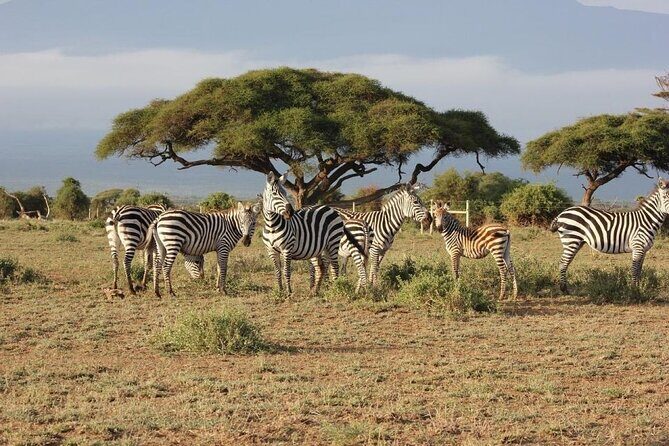
Once you arrive, you’ll have time to check in and enjoy lunch at your camp or lodge in the Maasai Mara area. Then the schedule flips you straight into an afternoon game drive. This is your first real chance to meet the reserve in motion, with a mix of predators and big herbivores.
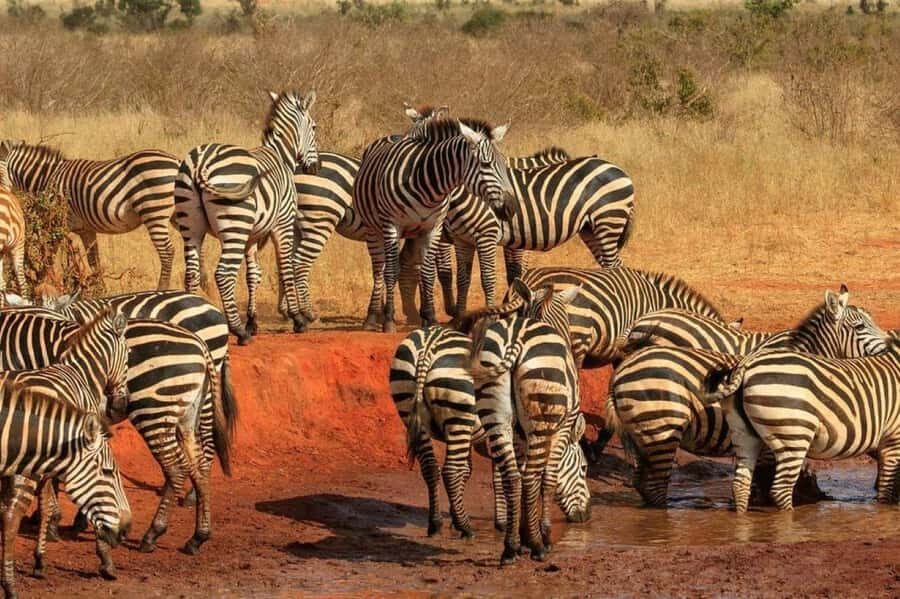
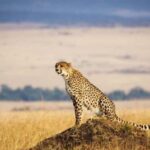
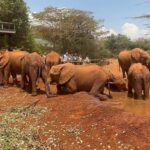
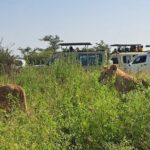
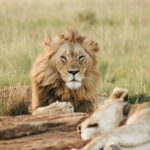
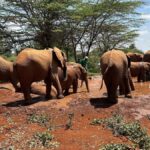
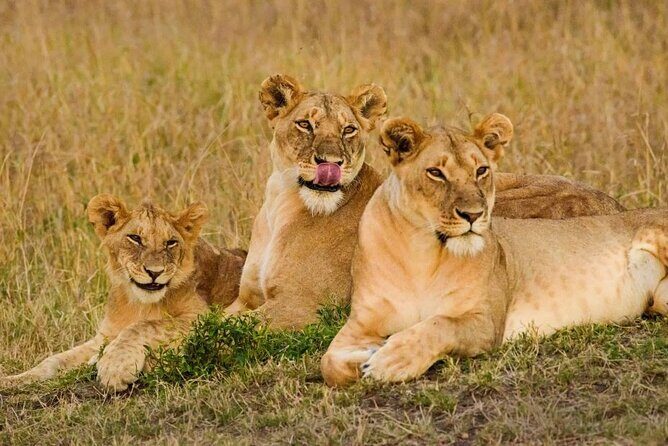
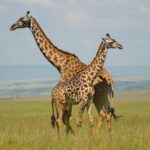
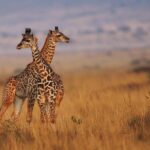
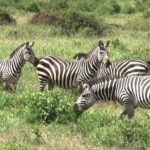
On day 1, you’re aiming for classic Mara sightings: lions, cheetahs, hartebeests, and wildebeests, plus the heavier hitters like elephants and buffaloes. You may also see zebras, hippos, giraffes, baboons, warthogs, and smaller creatures along the edges—so even when the predators aren’t in full view, the reserve still feels alive.
The big drawback with day 1 is the obvious one: afternoon light can be less forgiving than dawn. Animals may still be active, but your best odds for certain behaviors often come earlier. The good news is day 2 is designed to help with that.
Day 2 sunrise to the Mara River: Big Five odds and the best timing
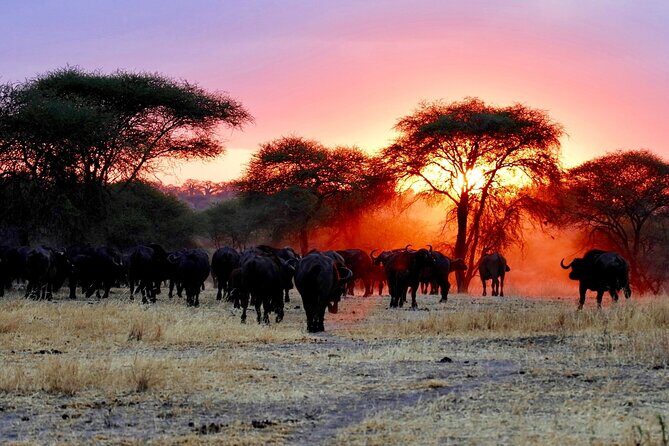
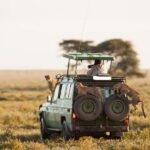
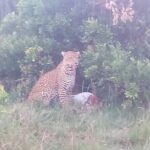
Day 2 starts early with breakfast, then you head out for a morning game drive when the sun is rising over the savannah. This is when predator energy tends to pick up—hunting, stalking, and sudden bursts of movement that can make your eyes hurt from tracking. The goal is to keep an eye out for the Big Five: lions, leopards, elephants, buffaloes, and rhinos (white and black).
The reserve is big enough that you’ll usually get a mix of areas, and that matters. Wildlife often clusters around water, grazing routes, and sightlines where animals feel safe. The tour’s approach—spreading your time across the reserve rather than sitting in one spot—improves your chances of different species.
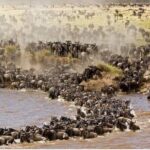
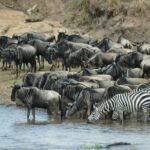
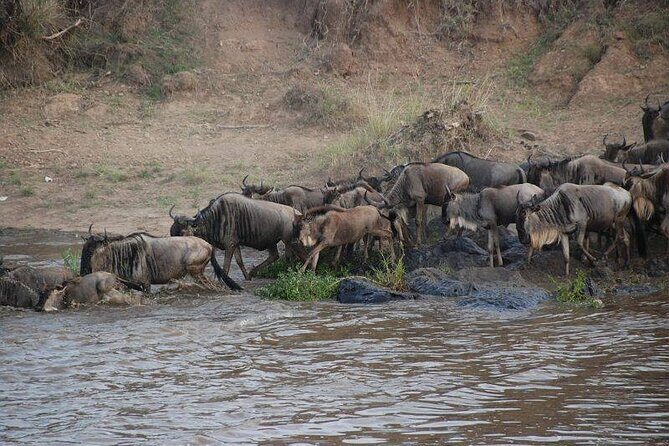
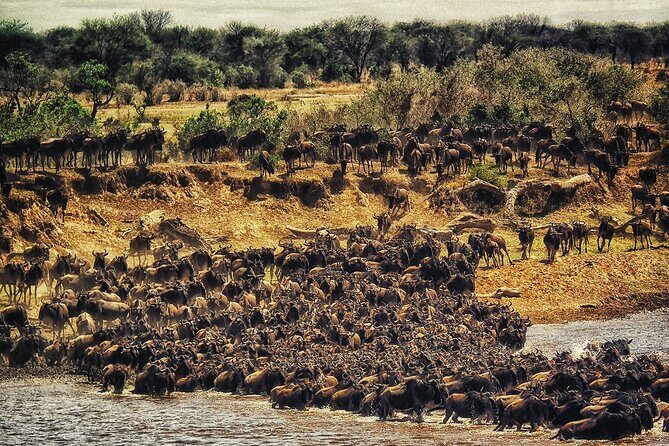
For lunch, you’ll stop for a bush picnic lunch, which is one of those details that turns the day from sightseeing into an actual safari moment. Then you shift toward the Mara River, known as the stage for the Great Migration. If you’re traveling July to October, this is the window when the wildebeest movement is at its strongest, and the river area can feel like the center of everything.
Why this day is the heart of the trip: you get both time at the most active hours and a major natural storyline in the right season. That combination is hard to beat in a short 3-day window.
Camp, meals, and the reality of what is included
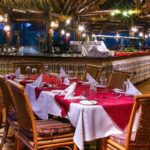
This tour is good at handling the core logistics of food. You have two breakfasts, three lunches, and two dinners included over the three days. On day 1 and day 3, lunches come after you’ve checked in or during your return route, and on day 2 lunch is specifically set up as a bush picnic.
Drinks are not included, and that’s where you’ll want to budget mentally. You’ll pay for soda and alcohol separately, and you should also plan around water availability since one camp setup didn’t provide drinking water.
How to travel smarter with these meals:
- If you’re the type who gets hungry fast during game drives, keep a snack habit. You’ll be out for long stretches, and included lunches may not always land right when you want them.
- Bring a reusable water bottle and extras for dusty, long drives. Even when water is available, it’s often limited and you’ll manage it better with your own supply.
Meal quality is usually fine on safari tours, but your comfort will come down to small things: hydration, sun protection, and whether you can take breaks when you need them. This tour gives you the structure; you bring the readiness.
Optional Masai Village visit: cultural time without forcing it
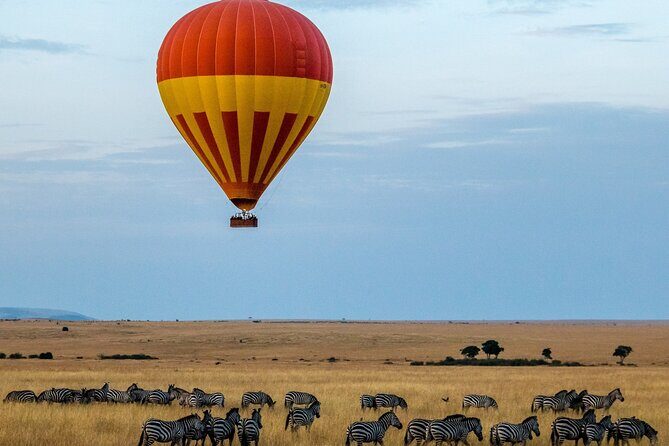
On day 3, after breakfast and check-out, you have an optional chance to visit a Maasai Village for a cultural visit. The catch is important: it’s at your own expense. So if you really want culture time and you’re interested in how the Maasai live and relate to wildlife, this can be a meaningful add-on rather than a rushed stop.
If you’re more wildlife-focused and you prefer more reserve time, you can skip it. Either way, the day keeps a simple rhythm: lunch is arranged at a restaurant along the way back to Nairobi, then you get dropped off at your hotel or the airport area, ending back at the main meeting point.
My practical take: this optional component is best for people who like talking with locals and asking questions respectfully. If you want your last day to be quieter, skipping it can keep the focus on savannah time.
A few more Nairobi tours and experiences worth a look

Price and value: is $286 fair for a 3-day Mara safari?
At $286 per person for roughly three days, the real question is what’s actually included and what you’ll likely pay for separately. Here’s what you do get in the base price: breakfasts, lunches, and dinners; access to the reserve experience with included admission tickets on days 1 and 2; and the transport back and forth from Nairobi with pickup.
What you don’t get is equally important. Drinks like soda and alcohol are not included, and the Masai Village visit is also not included. Also, if water isn’t consistently provided at camp, you may pay for that on your own.
So is it value? For first-time safari travelers with limited time, it can be a solid deal because you’re not just buying sightings—you’re buying guided driving, meals, and a route that uses the best part of the day on day 2. If you’re a group that will drink more than average or you’re set on the village visit, your true budget may creep up a bit.
But if you plan smart—bring your own water, keep alcohol spending optional, and treat optional cultural time as a bonus—the package can feel like good value for Maasai Mara.
Group size and how it affects your safari feel
The tour program lists a maximum of 80 travelers. That number can matter for overall organization, but your real on-the-ground experience will feel more like a smaller safari group depending on how the vehicles are arranged.
What you can control: arrive at the meeting point on time and keep your essentials ready. With safaris, delays cost time on the savannah, and time is where wildlife happens. If you’re traveling with kids or you’re sensitive to long drives, the structure here helps—you’ll know the main rhythm and meals are covered.
Also note: the tour allows service animals, and it’s near public transportation. If you have any mobility needs, this is something you should confirm directly with the provider before booking, since safari vehicles and bushy areas can vary.
Practical tips that make a big difference in Maasai Mara
Safari comfort is mostly small stuff. Here are the things I’d do to make the tour smoother:
- Bring drinking water and keep it accessible. At least one camp didn’t supply it, and you’ll want it during drives and after heat exposure.
- Use sun gear: hat, sunglasses, and sunscreen. Days in the reserve can be bright and long.
- Pack light layers. Morning starts early, and vehicles can get chilly from airflow.
- Bring a phone charger and a power bank. Game drives mean you’ll use your camera a lot, and battery life drops fast in sun.
- Keep expectations flexible. Even with the Big Five focus, sightings depend on the animals, the weather, and where everyone finds them.
One more tip: if you’re serious about seeing predators, make sure you’re actually awake and ready for day 2’s early start. That’s the day designed for prime wildlife action.
Who should book this 3-day Maasai Mara safari?
This tour fits best if you want a classic first safari that balances effort and results. I’d especially recommend it if:
- You’re short on time and want sunrise game drive time plus a river-area stop tied to the Great Migration season (July–October).
- You want a family-friendly structure, since the pace is organized and guides can share stories that help kids stay engaged.
- You like guided driving with someone tracking animals across the reserve rather than self-driving.
It may be less ideal if you already know exactly how you want to safari or if you prefer long stays in fewer areas without early starts. Still, for many people, three days is the sweet spot to get a real taste of Maasai Mara without burning a whole week.
Should you book with Kairi Tours and Safaris?
I’d book this tour if you want a straightforward 3-day Maasai Mara experience with meals handled, a strong focus on game drives, and a day planned around the best wildlife hours. The $286 price can feel fair because the base package covers more than just transport—it covers a full rhythm of safari time and food.
Skip it or budget carefully if you know you’ll spend heavily on drinks, or if you rely on consistent drinking water being provided at camp. Also, if your idea of value is maximum independence, you might prefer a different format.
If you do book, pack for heat and long drives, plan to hydrate early, and treat day 2 as your main wildlife day. That’s where the tour’s timing does the heavy lifting.
FAQ
What time does the safari start in Nairobi?
The tour starts at 7:30am at the meeting point.
Where is the meeting point in Nairobi?
The meeting point is Java House – PhoenixUganda House, Nairobi, Kenya.
How long is the tour?
It’s listed as 3 days (approx.).
What does the safari cost?
The price is $286.00 per person.
Is pickup included?
Yes, pickup is offered.
What meals are included?
The tour includes two breakfasts, three lunches, and two dinners.
Are drinks included in the price?
No. Drinks like soda and alcohol are not included.
Is the Maasai Village visit included?
No. The Maasai Village visit is optional and is not included in the price.
Is there a ticket for the reserve included?
Admission tickets are included on day 1 and day 2, and not included on day 3.
Can I cancel for a full refund?
Yes. You can cancel for a full refund up to 24 hours in advance of the experience’s start time. Canceling less than 24 hours before won’t be refunded.