REVIEW · NAIROBI
7 Days maasai mara – lake nakuru – lake naivasha- amboseli safari.
Book on Viator →Operated by Baboon Budget Safaris · Bookable on Viator
Wildlife in four different ecosystems.
This 7-day small-group safari strings together Maasai Mara, Lake Nakuru, Lake Naivasha, and Amboseli from Nairobi, with multiple game drives in a hatch-roof safari van so you’re looking ahead, not down at your feet. You also get cultural time with a Maasai village visit, plus optional water and island add-ons around Naivasha.
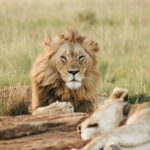
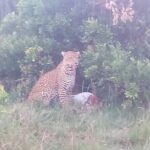
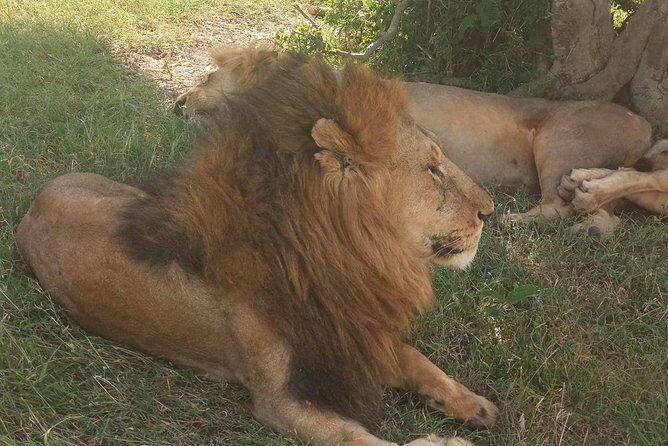
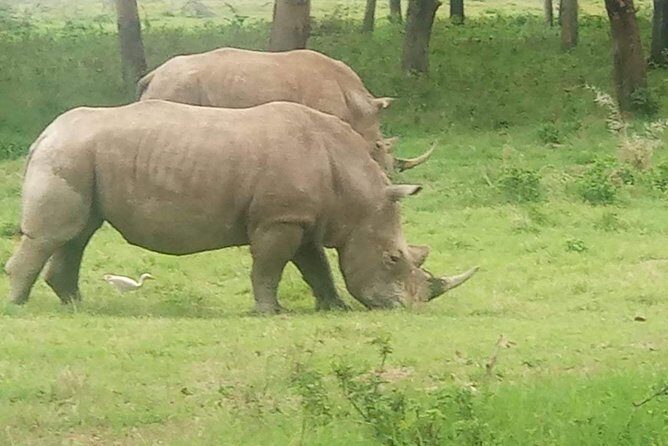
Two things I like a lot: the group stays tiny (max 8), which helps your guide keep track of everyone on the move. And the timing includes both evening and early game drives, giving you more chances for animals like baboons, gazelles, hippos, elephants, and even a shot at the white rhino.
One consideration before you book: this is a value-focused trip with mixed comfort, especially on the nights that shift into budget hotels and campsite-style stays. If you need consistently high comfort every night, you’ll want to check what the campsite stop means for you.
In This Review
- Key highlights to know before you go
- Four parks in one week: the value of this route
- Nairobi pickup, then Maasai Mara: first night, first sightings
- Maasai Mara full day: savannah grassland, hippo pool lunch, and Maasai village time
- Lake Nakuru National Park: flamingos, birds, and the white rhino sanctuary
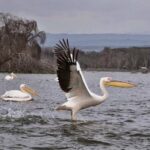
- Lake Naivasha: birds, hippos, and the choice between a boat ride or Crescent Island
- Hell’s Gate into Amboseli: the one day that breaks the classic safari mold
- Amboseli game drives: swamp grounds, elephants, hippos, and Mt. Kilimanjaro
- The small-group van experience: hatch roof, daily timing, and how to maximize sightings
- Accommodation and comfort: what to expect night by night
- Price check: is $1,400 per person good value for this circuit?
- Who this safari fits best
- Should you book this 7-day safari?
- FAQ
- What parks are included in this 7-day safari?
- How many people are in the group?
- Is pickup from Nairobi included?
- What kind of vehicle do you use?
- Are meals included?
- Where do you sleep during the trip?
- Is park admission included?
- Are boat rides on Lake Naivasha included?
- Is there any activity besides game drives?
- What is the cancellation policy?
Key highlights to know before you go
- Max 8 travelers for more eyes on spotting animals and easier communication on drives
- Hatch-roof safari van for better sightlines during game drives
- Maasai Mara routine built around wildlife chances plus a picnic-style stop at the hippo pool
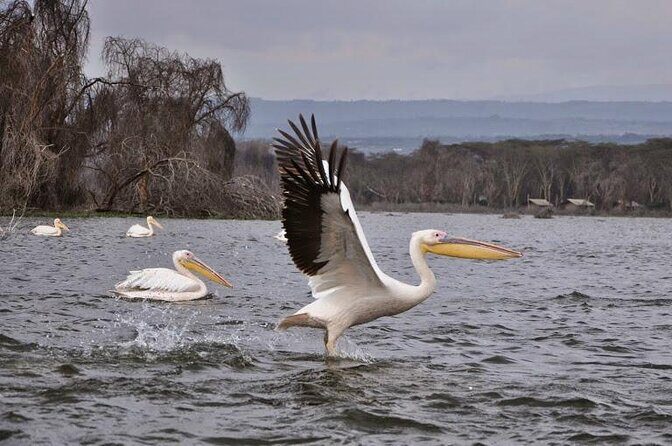
- Lake Nakuru for birds and the white rhino sanctuary
- Hell’s Gate on the way to Amboseli with a nature walk and possible bicycle hire
- Optional Lake Naivasha activities like a boat ride or a Crescent Island visit
Four parks in one week: the value of this route
If you only have a week, this is a smart way to use it. You’re not just doing one big reserve; you’re changing habitats as you go, which keeps the safari from feeling repetitive.
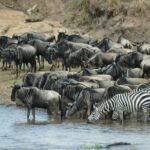
The order matters for logistics and wildlife rhythm. You start in the savannah of Maasai Mara for classic large-mammal game viewing, then move toward the lakes where birds and rhino conservation take center stage. Finally, you land in Amboseli, where elephants and elephant-orientated scenery are a big focus, with Mt. Kilimanjaro visible when the weather cooperates.
Also, you’re traveling with a driver/guide in a purpose-built van. That means you’re not stuck in a cramped vehicle where everyone fights for the same window view.
A few more Nairobi tours and experiences worth a look
Nairobi pickup, then Maasai Mara: first night, first sightings
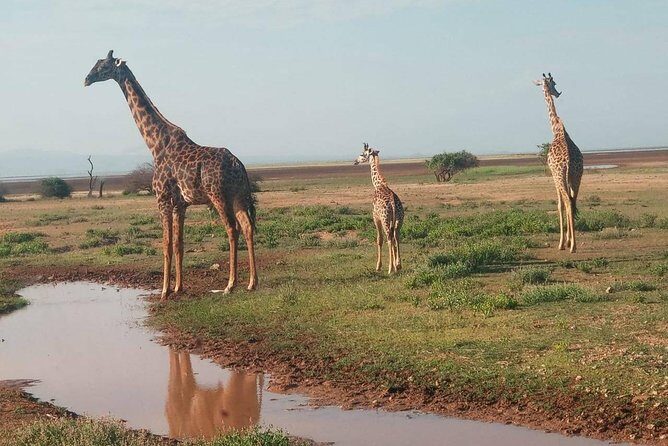
Day 1 begins with pickup from your Nairobi hotel and a drive toward Maasai Mara. You’ll pass a Rift Valley viewpoint and go through Narok town for lunch along the way, which helps you start the safari in a more relaxed, scenic way instead of just rushing straight to the park.
Your first game drive happens in the evening. That’s a practical choice because animal activity often shifts later in the day, and birds can be active right when the light turns good for spotting. You’re also going into it with a driver/guide who’s there to track animals and birds, so you’re not relying only on luck.
Dinner and overnight are at Miti Mingi Eco Camp. If you’re trying to find a good balance of atmosphere and value, eco camps like this often work well because they feel safari-close without going full luxury.
Maasai Mara full day: savannah grassland, hippo pool lunch, and Maasai village time
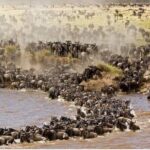
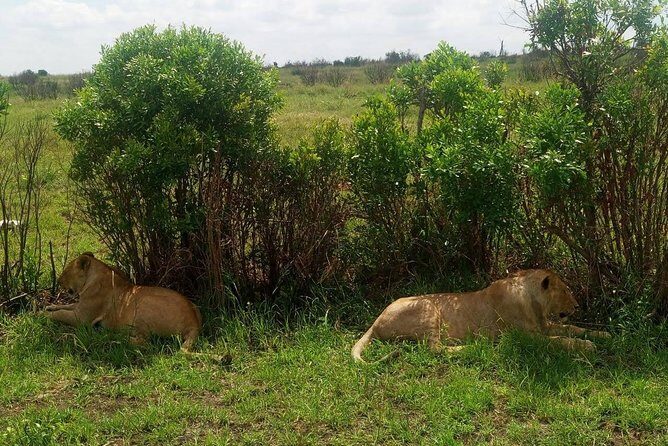
Day 2 is your longer wildlife day in Maasai Mara, after breakfast. The Mara portion is known for its extensive road and track network, which matters if you care about getting close-range views and clearer photography. More tracks can mean more flexibility for your driver to reposition for sightings.
You’ll do a full day of game viewing with breaks, and there’s a picnic-style lunch stop at the hippo pool. That’s the kind of stop that’s more than a meal break. You’re positioned where hippos and crocodiles may be around, so lunch becomes part of the day’s wildlife watching rather than a strict pause.
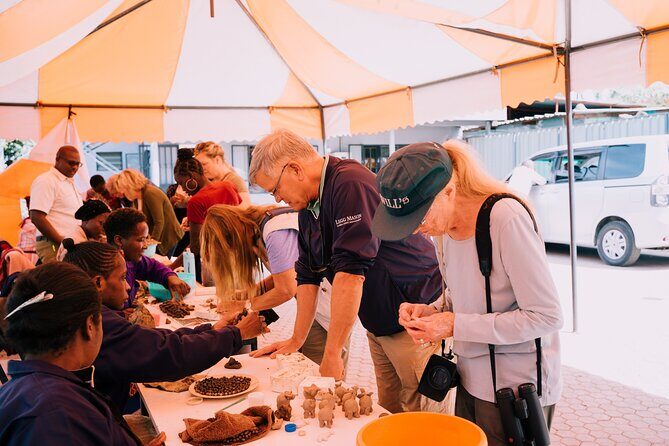
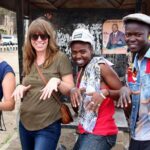
Then there’s a Maasai village visit. You dance with Maasai hosts and get a chance to interact with them. Just treat it like a living culture experience: be respectful, ask questions through your guide, and don’t expect a scripted show. The best moments tend to be the ones where you slow down and pay attention.
Dinner and overnight continue at Miti Mingi Eco Camp, so you’re not bouncing hotels mid-week right away.
If you get guides like Boniface or Lawrence, you’ll likely benefit from clear spotting explanations during the drives, which helps you understand what you’re seeing and where to focus your eyes.
Lake Nakuru National Park: flamingos, birds, and the white rhino sanctuary
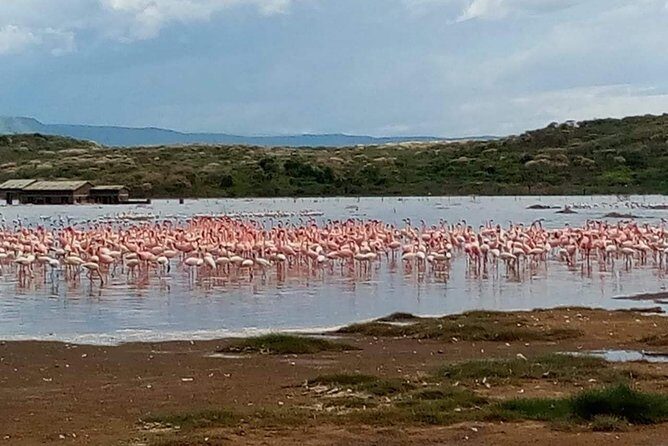
You shift from Maasai Mara toward Lake Nakuru after Day 2, with lunch en route and scenic viewpoints along the way (including Mt. Longmont, Lake Naivasha, and Lake Elementaita in the distance from the main highway).
Once you arrive, you do a pre-breakfast game drive. That early start is one of those safari habits that pays off because the light and animal movement can be excellent before the day warms up.
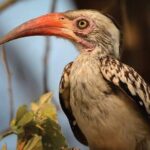
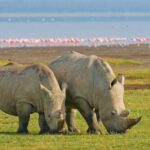
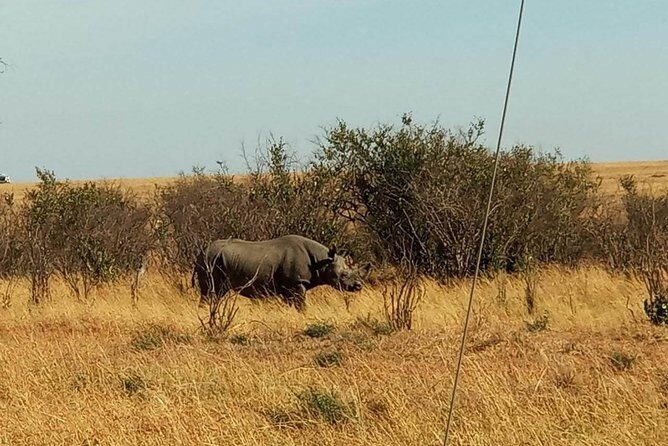
Later, you get more time inside Lake Nakuru. This is a bird magnet. Flamingos are a key reason people come, but the real value is that it’s not only about one species. You’ll also be in a park where a white rhino conservation sanctuary exists, so you have a chance to spot rhinos even if it isn’t guaranteed.
After the day’s game viewing, you’ll sleep at a budget hotel. This is one of the “value trade-offs” of the trip: you’re spending your bigger money on the safari days, not on polished hotel comfort in every town night.
Lake Naivasha: birds, hippos, and the choice between a boat ride or Crescent Island
Naivasha starts after breakfast, and you’ll do a game drive linked to Lake Nakuru’s area first, then move on toward Naivasha. The lake system is a different kind of safari experience than the open savannah. Expect the day to feel more about shoreline wildlife, birds, and water-adjacent behavior.
Lunch is included, and your time in Naivasha gives you optional add-ons:
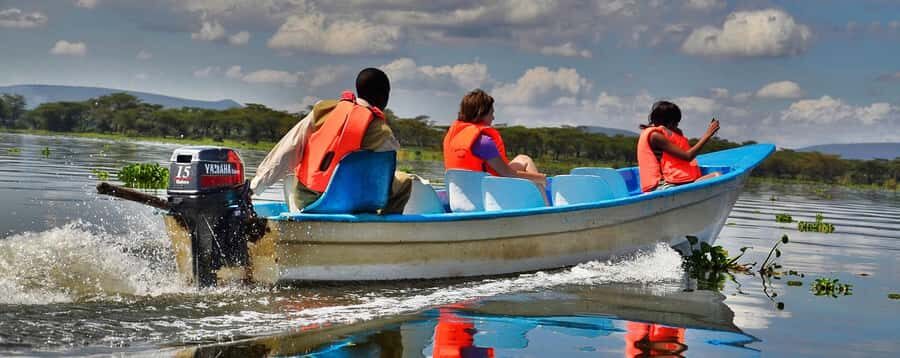
- A boat ride along the lake for extra cost
- Or a visit to Crescent Island, also for extra cost, where hippos and fish eagles are part of what you can look for
This is a “pick what you like” moment. If you love birdlife and want a slower perspective, the boat option is often a good fit. If you prefer a walk-and-look day, Crescent Island can feel more structured once you’re on it.
Dinner and overnight are at a budget hotel again. If you’re traveling with a camera, this is also a helpful place to tidy up gear and plan your next sunrise game drive without feeling rushed.
A few more Nairobi tours and experiences worth a look
Hell’s Gate into Amboseli: the one day that breaks the classic safari mold
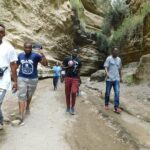
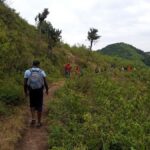
Day 5 is a nice break from doing only game drives. Before going to Amboseli, you do a nature walk in Hell’s Gate National Park. That part matters because it changes how you scan the environment. Instead of sitting and watching from inside the van, you’re walking and observing birds and animals in a more direct way.
You may also hire bicycles in Hell’s Gate. Hell’s Gate is one of those parks where that can be genuinely fun if you’re comfortable cycling. You also get the chance to spot birds like vultures, Verreaux’s Eagles, Augur Buzzards, and swifts, plus plains game like zebra, eland, hartebeest, Thomson’s gazelle, and baboons.
There’s also a geologic flavor to the area. Hell’s Gate includes red cliffs lining the Hells Gate Gorge, and within the broader park zone you have extinct volcanic features like Olkaria and Hobley’s, plus obsidian formations related to cooled molten lava. Even if you’re not a geology person, it’s a memorable change of scenery from grassland plains.
After the Hell’s Gate segment, you drive to Amboseli for dinner and overnight at the campsite.
Amboseli game drives: swamp grounds, elephants, hippos, and Mt. Kilimanjaro
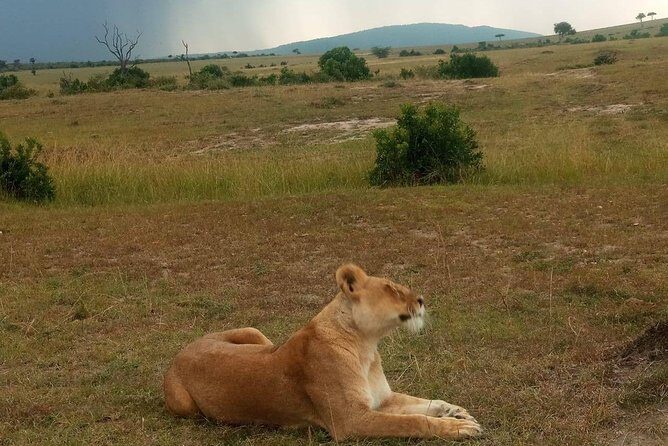
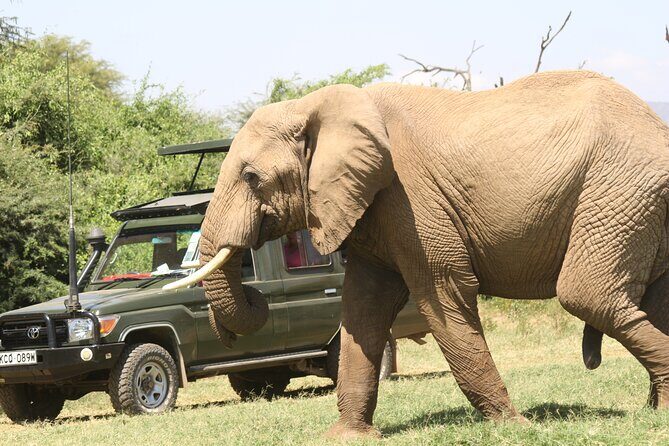
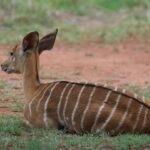
Day 6 is your main Amboseli wildlife day. The park is known for swampy grounds where elephants and hippos may be seen bathing. That’s an important detail because it shapes the kind of sightings you’re likely to target with your driver.
You’ll also have chances for plains game and antelopes, plus birds. If weather allows, Mt. Kilimanjaro’s peak may be visible—so even if your elephant goals are front and center, the mountain adds a strong “Kenya wow” component when visibility is clear.
Picnic lunch is included, so you’re not constantly tracking where to stop for food. This keeps the day moving and helps you stay in the wildlife rhythm.
Overnight is at the campsite again. Expect basics here. Some past guests noted that the final campsite stop, Metamingi camp, didn’t meet their minimum comfort expectations. If your tolerance for simple lodging is low, factor that into your decision early.
The small-group van experience: hatch roof, daily timing, and how to maximize sightings
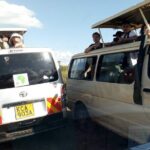
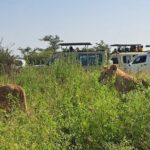
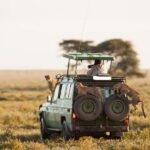
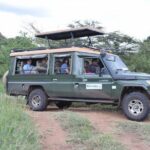
This trip runs with door-to-door transportation in a hatch-roof safari van. That detail matters more than it sounds. When the driver turns the vehicle and changes position, hatch-roof seating can mean fewer people blocked by headrests and better visibility for spotting.
You’re also doing long days. Some days are roughly 6 hours, others push toward 7–9 hours including drives. That means it’s worth packing smart: bring a hat, sunscreen, and layers for cooler early mornings. Safari days can swing fast from chilly pre-breakfast light to warm midday sun.
One more practical tip: you’ll be most productive when you travel with a camera and a plan. Use your guide’s explanations to learn what to look for (bird calls, track patterns, shoreline behavior), because game drives work best when you’re scanning actively, not just photographing randomly.
Accommodation and comfort: what to expect night by night
This is where you should set expectations. The tour includes a mix:
- Miti Mingi Eco Camp for the first two nights in Maasai Mara
- A budget hotel during the Nakuru and Naivasha segments
- Campsite nights in the Amboseli region
If you’re the kind of traveler who wants clean, safe, and functional over luxury, you’ll probably be fine. But if you expect a consistent “nice hotel” feel every night, this itinerary isn’t built around that.
Also, Kenya can throw curveballs. In at least one past departure, flooding caused schedule adjustments. So keep a little flexibility in your head. When plans shift, it’s usually about road conditions and safety rather than changing the safari completely.
Price check: is $1,400 per person good value for this circuit?
For $1,400 per person, the value comes from two areas: packed itinerary and meals/transport support.
You’re paying for:
- Safari van transport (hatch roof included)
- Park-related entries listed as admission ticket free on the itinerary days
- Daily meals: lunches are listed as 7, dinners as 7, and breakfasts as 6
So instead of spending extra on every meal and handling parts of the route yourself, you’re buying the structure. In a week that covers four major stops, that kind of bundled support can be a big deal.
The cost is not “budget” in the sense of being ultra-cheap, but for a multi-park safari that includes most meals and park access, it often lands in the fair middle. The real question is your comfort tolerance for budget hotels and campsite nights.
Who this safari fits best
This tour makes the most sense if you want:
- A first-timer Kenya safari that covers the big names without feeling like you’re only scratching the surface
- A small-group setup where you’re not stuck watching wildlife through shoulder-to-shoulder crowds
- Enough flexibility for optional extras on Lake Naivasha
- A traveler mindset that can handle long days in exchange for wildlife-rich time
If you’re the type who needs top-tier hotels every night and short travel days between stops, you might feel worn out by the pace and the more basic lodging elements.
Should you book this 7-day safari?
I’d book it if you match the vibe: you want classic Kenya parks, you’re comfortable with a value-first accommodation mix, and you’re excited by the idea of multiple game drives plus one day that mixes in Hell’s Gate walking and possible cycling.
I’d hesitate if your comfort needs are strict or if you’re planning around very specific sighting expectations. With safaris, you’re always buying chances—rhinos, elephants, and the full animal mix depend on timing, animal movement, and weather.
If you do book, one smart move is to confirm how your driver/guide plans to handle any schedule shifts before you start traveling, and to clarify what the campsite night means in practice for you. That way, you’ll be surprised by wildlife, not by comfort.
FAQ
What parks are included in this 7-day safari?
The route covers Maasai Mara National Reserve, Lake Nakuru National Park, Lake Naivasha, and Amboseli National Park.
How many people are in the group?
This tour has a maximum of 8 travelers.
Is pickup from Nairobi included?
Yes. Pickup is offered, and the tour includes door-to-door transportation within Nairobi.
What kind of vehicle do you use?
You travel in a safari van with a hatch roof.
Are meals included?
Yes. Meals are included daily as listed: 7 lunches, 6 breakfasts, and 7 dinners.
Where do you sleep during the trip?
You stay at Miti Mingi Eco Camp for the Maasai Mara days, then at a budget hotel during the Nakuru/Naivasha nights, and at a campsite for the Amboseli nights.
Is park admission included?
Admission is listed as free for the safari days.
Are boat rides on Lake Naivasha included?
No. Boat rides are available as an optional activity and cost extra.
Is there any activity besides game drives?
Yes. You’ll do a nature walk in Hell’s Gate National Park, and bicycle hire is possible there.
What is the cancellation policy?
You can cancel for a full refund up to 24 hours before the experience start time. If you cancel less than 24 hours before, the amount paid is not refunded.