REVIEW · NAIROBI
Samburu/ Aberdare/ Lake Nakuru/ Masai Mara 7 Days Safari
Book on Viator →Operated by Explorer Kenya Tours and Travel Limited · Bookable on Viator
Safari time turns the map into motion. This 7-day circuit moves fast through Kenya’s best wildlife zones—Samburu, Aberdare, Lake Nakuru, then the Maasai Mara—with game viewing built around when animals actually come out. The pace is intense, but the payoff is real because each park gives you a different “type” of safari.
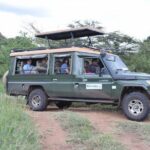
I especially like that you’re not doing this in a crowded bus. You get a private setup with 4×4 safari land cruisers with a pop-up roof, plus park fees and meals handled, so you can focus on spotting animals instead of managing logistics.
One consideration: this itinerary is packed and you’ll spend long hours on the road between ecosystems. If you dislike early mornings or tightly scheduled days, this may feel like more drive-time than chill-time, and it’s also non-refundable once booked.
In This Review
- Key highlights I’d circle on your shortlist
- A 7-Day Circuit: Samburu to the Mara Big Five Trail
- Samburu National Reserve: Grevy Zebras and Reticulated Giraffes
- Aberdare National Park: watching from the Treetops waterhole deck
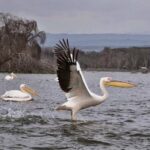
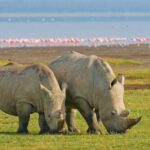
- Lake Nakuru National Park: rhinos and flamingos in one park day
- Maasai Mara National Reserve: the Big Five plus migration rhythm
- Nairobi Return Day: early drive, Narok lunch, back in late afternoon
- 4×4 Safari Comfort: pop-up roof viewing and meal pacing
- Lodges by park: what changes from Ashnil to Mara Simba
- Price and value of $1,935 per person
- Picking the guide: why the right driver changes everything
- Who should book this safari, and who should skip it
- Should you book this Samburu–Aberdare–Nakuru–Mara safari?
- FAQ
- What’s the duration of the safari?
- Where does the safari start and end?
- Is this tour private or shared?
- What’s included in the price?
- Are flights included?
- Can I cancel or change the booking?
Key highlights I’d circle on your shortlist
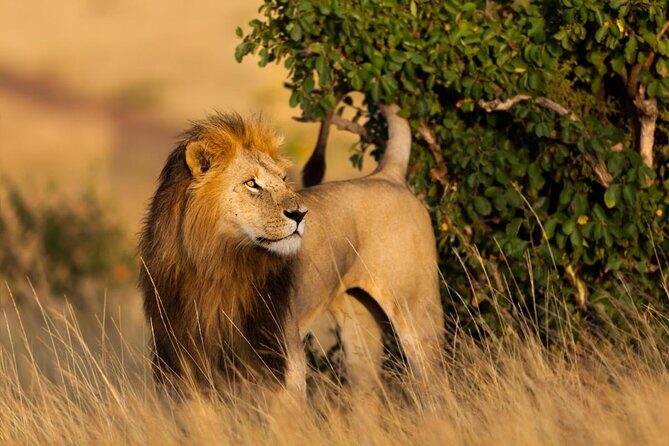
- Samburu’s “special five” territory with Grevy’s zebras and reticulated giraffes in the same reserve
- Treetops Lodge evening waterhole viewing in Aberdare, where animals come in close
- Lake Nakuru for rhinos and flamingos plus a scenic transit via Thompsons Falls
- Two full days in Maasai Mara for maximum chances at Big Five sightings and migration movement
- Private 4×4 with a pop-up roof so you’re not stuck filming from shoulder level
A 7-Day Circuit: Samburu to the Mara Big Five Trail
This safari is built like a relay race. You start in Samburu, shift to the forested drama of Aberdare, then swing into the lakeside rhythm of Lake Nakuru, and finish on the open savannah energy of Maasai Mara.
What makes the route smart is the variety. Samburu is harsher, more scrubby, and great for the species that like that style of habitat. Aberdare gives you a very different scene: animals walking in for drinks right where you can watch from a lodge deck. Then Lake Nakuru and Mara each bring their own signature wildlife.
Also, you’re not just “driving through.” Every day has structured game viewing, with morning and afternoon drives where it matters most. That schedule is what keeps the odds high, especially at Maasai Mara.
A few more Nairobi tours and experiences worth a look
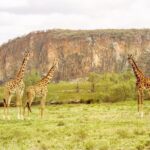
Samburu National Reserve: Grevy Zebras and Reticulated Giraffes
Samburu is your first big wildlife hit, and it wastes no time. Day 1 starts with a pickup in Nairobi at 7:00 AM, then a drive to Samburu with time for a late lunch before your afternoon game drive. Your first night is at Ashnil Samburu Camp, which keeps the experience anchored in the reserve area.
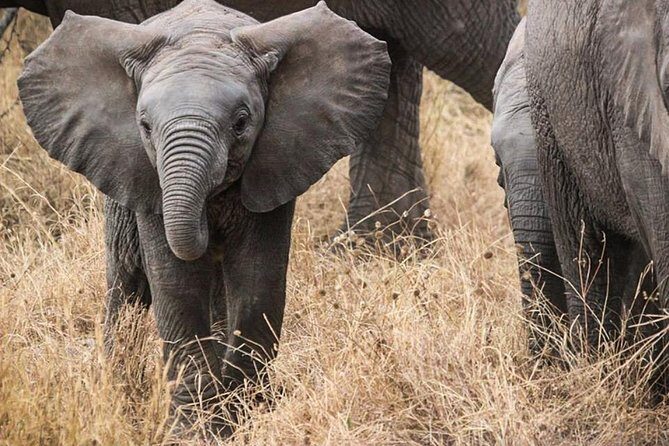
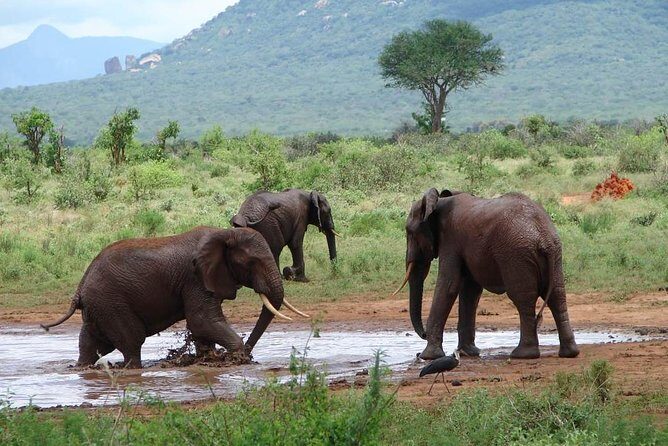
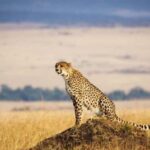
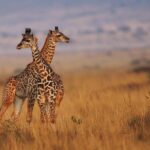
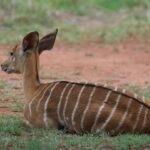
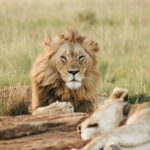
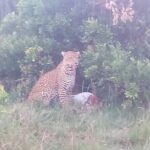
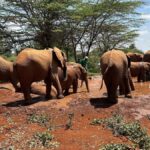
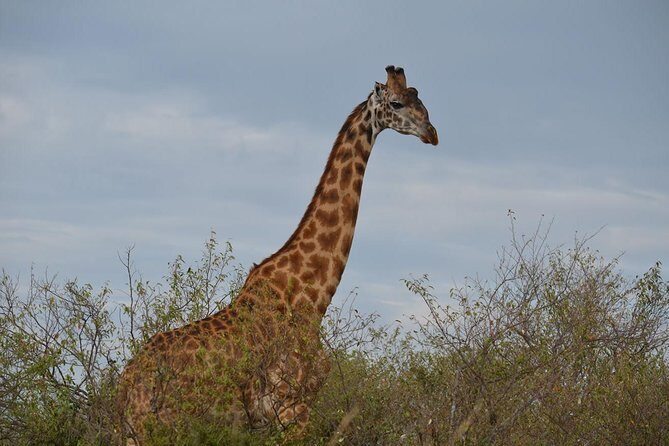
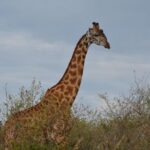
Day 2 is where Samburu really clicks. You get both morning and afternoon game viewing, and the reserve is described as harsh but beautiful—exactly the kind of environment where you can see how the animals survive out here. In this area you’re likely to encounter lions, elephants, hippos, leopards, crocodiles, plus the standout species mentioned such as reticulated giraffes and Grevy zebras.
Samburu also centers the Engare Uaso Nyiro River in the experience. That matters because rivers and water sources pull wildlife in, which makes sightings more consistent than if you’re relying only on wide-open searching.
Drawback to keep in mind: Samburu is not a “one-stop for everything.” If your main goal is only the Big Five, you’ll be happier knowing Samburu is more about specific regional stars and predators you might not see in every other park. It’s a first-course safari, not the whole meal.
Aberdare National Park: watching from the Treetops waterhole deck
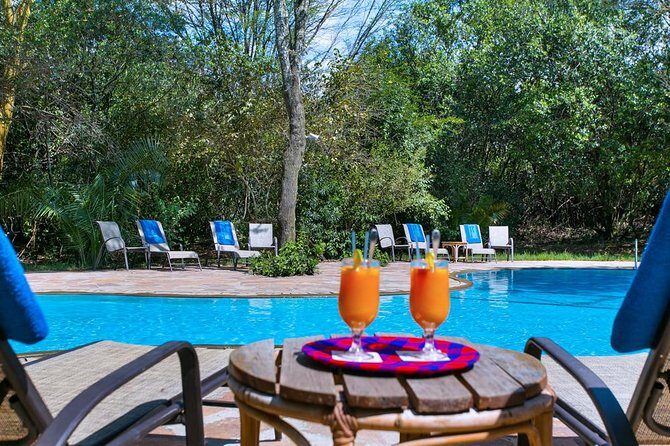
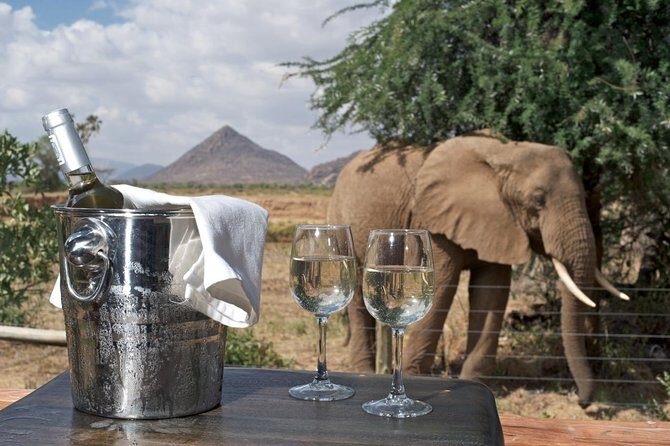
Day 3 takes you from Samburu to Aberdare. You’ll start with breakfast and a morning en-route game drive as you leave the reserve area, then continue to Outspan Lodge for lunch. Later you transfer to Treetops Lodge, where the highlight is evening viewing at the water hole by the lodge.
That’s a big deal because it changes the feel of the safari. Instead of spending hours driving and scanning, you get a more stationary style of viewing. When animals approach watering spots, they often come within comfortable sightlines for spotting and photos—especially during the calmer hours when activity rises around water.
The itinerary also signals this as a “succession of animals” kind of evening, meaning you should plan to settle in and pay attention to patterns: who arrives first, which species shares space, and when feeding or drinking starts. It’s the kind of wildlife watching that feels more intimate than constant motion.
Possible drawback: if you prefer to cover lots of ground every day, this portion may feel slower than a full game-drive day. It’s still exciting, just in a different way—more “watching from the lodge deck” than “chasing around the park.”
Lake Nakuru National Park: rhinos and flamingos in one park day
Day 4 is Lake Nakuru. After breakfast at Treetops Lodge, you transfer via Thompsons Falls, arriving in time for lunch at Lake Nakuru Lodge. Then you get an afternoon game viewing session.
Lake Nakuru’s identity is right in the description: rhinos and flamingos. That combination can be a real momentum-builder in the middle of the trip, because it breaks up the day-to-day rhythm of “predators then predators” and adds a more dramatic mix—birds, grazing, and the heavy presence of rhino if conditions line up.
One practical note: Lake areas can change fast with weather and water levels, so sightings can vary day to day. But the itinerary is structured so you still get meaningful viewing time without wasting the day.
The lodge stop also helps. You’re not guessing where you’ll end up—you sleep at Lake Nakuru Lodge and keep the next game drive easy and close.
Maasai Mara National Reserve: the Big Five plus migration rhythm
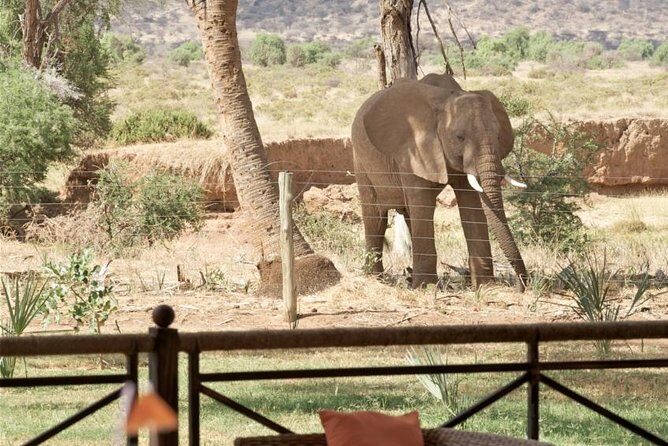
Then you hit the savannah engine: Masai Mara. Day 5 starts with breakfast, a morning en-route game drive, and then arrival in time for lunch. Afternoon game viewing follows, and you stay at Mara Simba Lodge.
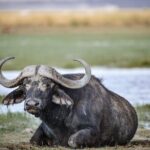
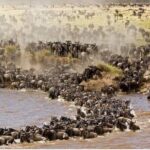
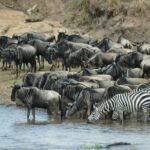
Day 6 is the heavy-duty wildlife day: morning and afternoon game viewing in the Mara. This is the part of Kenya that people plan safaris around for a reason. The itinerary calls out wildebeest migration and the Big Five: leopard, lion, elephant, rhino, and buffalo.
Two Mara days instead of one is one of the strongest value choices in this whole plan. It gives your guide time to work the area based on where animals are moving, not just where they happened to be earlier. In a park like Mara, that difference matters.
Also, the itinerary promises “many other lesser species.” While you can’t control what you’ll see, Mara’s food web is usually where the magic comes from: birds, grazers, smaller predators, and the “support characters” that make the whole ecosystem feel alive.
Possible consideration: Mara can be emotionally intense. It’s exciting to see Big Five targets, but it can also mean long focus sessions—waiting, scanning, then suddenly fast action. If you need lots of downtime, plan to use lodge time for rest and reset.
A few more Nairobi tours and experiences worth a look
Nairobi Return Day: early drive, Narok lunch, back in late afternoon
Day 7 is the wrap-up. You’ll take an early morning game drive in the Mara, then leave for Nairobi. There’s lunch in Narok town, and the safari ends with arrival in the late afternoon.
This day is short on “final park time” and long on “getting you home.” That’s normal for a 7-day loop, but it helps to treat it like a transition day. You’ll want to keep your phone charged, because you’ll be moving from the open Mara back into city energy.
Even with the travel focus, starting with an early drive is a smart move. Morning viewing often brings fresh sightings, and it keeps the day from feeling like pure transit.
4×4 Safari Comfort: pop-up roof viewing and meal pacing
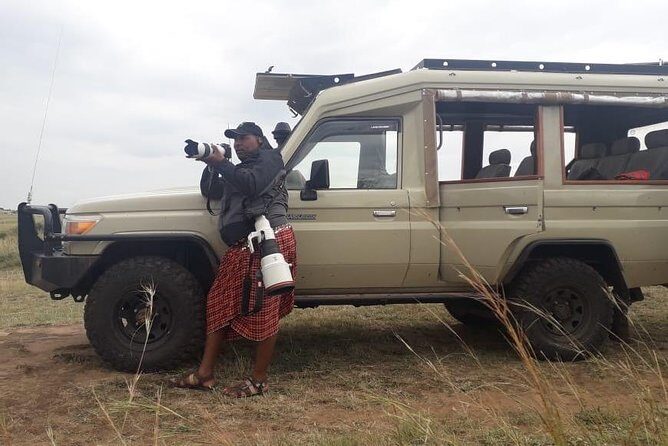
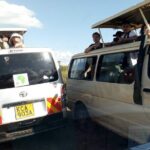
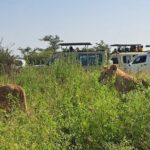
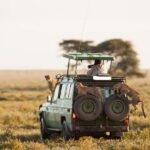
Transport is handled with private 4×4 safari land cruisers and a pop-up roof. That small detail is worth attention. Being able to stand taller for viewing changes what you can see, especially when animals are slightly lower in the grass or when you’re tracking movement across a wide area.
You also get 1 liter of bottled drinking water per person per day while on safari. That’s practical because game drives can run longer than your body expects, and you don’t want to spend energy hunting for water mid-day.
Meal timing is built in, which makes a big difference on safari. Lunch and dinner are included throughout, and the itinerary clearly anchors each park day with lodging and meal stops. In other words, you’re not stuck rationing snacks while you wait for the next move.
One more practical detail: your pickup is at 7:00 AM on Day 1, and you end Day 7 in the late afternoon. If you’re someone who hates mornings, your best strategy is to sleep early the nights before each major park segment.
Lodges by park: what changes from Ashnil to Mara Simba
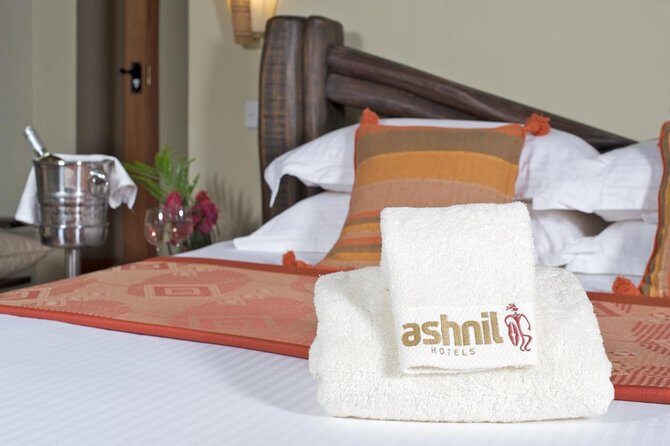
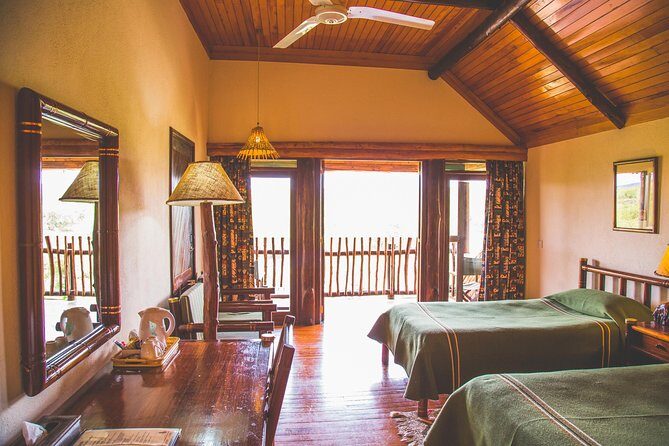
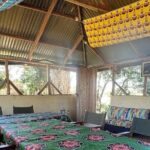
Lodging is part of the safari experience, not just a place to sleep. You’ll stay at Ashnil Samburu Camp (Samburu), Outspan Lodge for lunch on the way into Aberdare, then Treetops Lodge for the waterhole viewing and overnight, followed by Lake Nakuru Lodge, and finally Mara Simba Lodge.
The reason this matters is that each lodge style supports the wildlife viewing plan. For example, the Aberdare stretch is designed around close-up waterhole watching near Treetops Lodge. In other parks, you’re more reliant on driving, so the lodge becomes your base between drives.
Also, knowing the exact lodge names helps you mentally picture what you’re booking. You’re not guessing whether the stop is basic or comfortable—you at least know which properties are part of the route.
Price and value of $1,935 per person
The price is $1,935 per person for an approximately 7-day safari. That number looks high until you translate what’s included.
On the included side, you get private transportation, all fees and taxes, the 4×4 safari land cruiser with pop-up roof, water (1 liter per person per day), and all meals listed (breakfast 6, lunch 7, dinner 6). The itinerary also marks park admission tickets as free, which usually means you’re not paying park-entry fees separately.
What’s not included is also clear: travel insurance, domestic and international flights and respective taxes, and gratuities for drivers and hotel staff. If you budget for tips and insurance up front, the package becomes much easier to judge.
My honest take on value: for a private, multi-park route with multiple nights in major wildlife areas, this pricing is in the “pay for convenience and time” category. You’re not paying just for driving. You’re paying for having the days structured, the fees covered, and the lodge base selected for the viewing style you want.
Picking the guide: why the right driver changes everything
On safari, your guide isn’t just a driver. They’re your eyes for tracking animals, your translator for wildlife behavior, and your traffic-controller when the reserve gets busy.
In the kind of feedback that keeps coming up around this operator, names like James Karithi, John Kariuki, and Sammy get credited for sharp wildlife spotting and calm, confident driving. Other drivers like Ibrahim and Godfrey Njenga also show up frequently in positive notes, along with Timan Wama.
You can’t choose your exact guide from the information given here, but you can choose how you engage with the day. I recommend you ask your driver what they’re watching for each morning—predators, waterholes, river movement, or migration cues. A good guide will have a plan, not just a route.
Who should book this safari, and who should skip it
This trip fits best if you want a well-rounded Kenya wildlife sampler: special regional species in Samburu, waterhole drama in Aberdare, rhinos and flamingos at Lake Nakuru, and then serious Big Five odds in Maasai Mara.
It’s also a good match for couples and small groups because it’s described as a private tour where only your group participates. That usually means fewer compromises and more flexibility if your group has specific viewing priorities.
You might consider skipping if you want a slow holiday with lots of downtime. The itinerary is structured for maximum wildlife days, which means you’ll be awake early and in transit often.
Should you book this Samburu–Aberdare–Nakuru–Mara safari?
I’d book it if your priorities are variety across parks and you’re comfortable with a busy schedule. The inclusion of meals, water, fees, and private 4×4 transportation is what makes the price feel workable.
I’d pause if you need change flexibility, because this experience is non-refundable and cannot be changed for any reason. If your dates feel shaky, don’t lock it in until you’re truly ready.
If you do book, do one simple thing: lean into the viewing style of each park. Samburu is about the species in that habitat. Aberdare is about close-up waterhole watching. Lake Nakuru is about specific wildlife moments. Mara is where patience pays off.
FAQ
What’s the duration of the safari?
The safari is approximately 7 days, starting with a 7:00 AM Nairobi pickup on Day 1 and ending with arrival in Nairobi in the late afternoon on Day 7.
Where does the safari start and end?
It starts in Nairobi with a pickup offered on Day 1 and ends back in Nairobi on Day 7.
Is this tour private or shared?
It’s described as private, meaning only your group participates.
What’s included in the price?
Included are private transportation, all fees and taxes, 1 liter of bottled drinking water per person per day while on safari, transport in a 4×4 safari land cruiser with pop up roof, and meals (7 lunches, 6 breakfasts, 6 dinners) as listed.
Are flights included?
No. Domestic and international flights and their taxes are not included.
Can I cancel or change the booking?
This experience is non-refundable and cannot be changed for any reason. If you cancel or request an amendment, the amount you paid will not be refunded.