REVIEW · NAIROBI
7 Days Masai Mara-Lk. Nakuru-Lk. Naivasha-Amboseli group Safari
Book on Viator →Operated by Grayton Expeditions · Bookable on Viator
Safari math gets real fast.
You’re covering Kenya’s best wildlife zones in one tight week, with Masai Mara game drives and Lake Nakuru flamingos doing most of the heavy lifting. The route also gives you strong variety: big cats and plains wildlife, then lake birds and hippos, then elephant country under Kilimanjaro.
I do like that this is set up as a private safari van trip with meals and lodging included. One thing to watch: park entry fees are extra, so it helps to confirm total costs up front and not assume every conservation gate is covered.
In This Review
- Key things that make this safari tick
- The big-picture route: Mara, Nakuru, Naivasha, then Amboseli
- Day 1: Masai Mara drive-in with Rift Valley views and your first game drive
- Day 2: Full Masai Mara day—lions and elephants, plus that hippo pool picnic
- Optional dawn upgrade: hot air balloon safari
- Day 3: Masai Mara to Lake Nakuru—flamingos and bird-heavy game viewing
- Day 4: Lake Nakuru to Lake Naivasha—ornithology day, then hippos at sunset
- Day 5: Naivasha to Amboseli—Masai country, then Kilimanjaro in the distance
- Day 6: Full Amboseli day—elephants, swamp hippos, and Masai village culture
- Optional Masai village tour and morans
- Day 7: One last early game drive, then back to Nairobi
- Price and logistics: what your $1,049.13 covers—and what it doesn’t
- Quick money sanity check for you
- Comfort, vehicle time, and what to pack for real
- A note on trust and schedule discipline
- Who should book this safari, and who might not
- Should you book this 7-day Masai Mara to Amboseli safari?
- FAQ
- How long is the safari?
- What is the price per person?
- What’s included in the tour price?
- What isn’t included?
- Where is the meeting point in Nairobi?
- Is this tour private?
- If I cancel, do I get a full refund?
Key things that make this safari tick
- Masai Mara first full day for the best shot at lions, elephants, and buffalo, plus a picnic lunch at the hippo pool area
- Optional hot air balloon safari at dawn with champagne breakfast after landing on the savannah
- Lake Nakuru’s flamingo numbers can be jaw-dropping, with about 400 other bird species in the mix
- Lake Naivasha sunset option for a boat ride to see hippos around Crescent Island
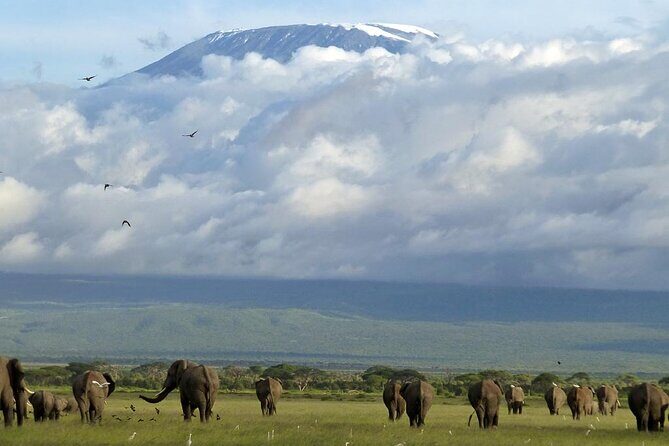
- Amboseli elephants under Kilimanjaro for that classic “wildlife + mountain” view combo
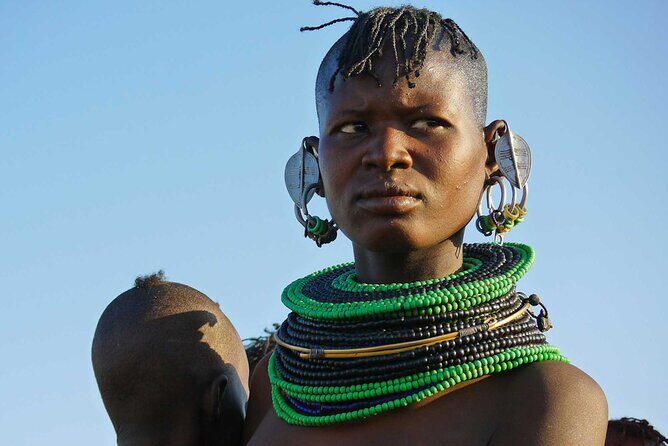
- Masai culture add-ons on select days, including a chance to see morans in regalia and traditional dances
The big-picture route: Mara, Nakuru, Naivasha, then Amboseli
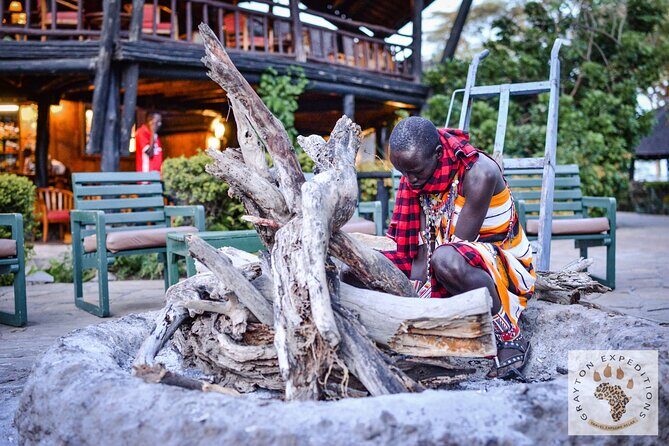
This is a one-week “greatest hits” sweep across Kenya’s ecosystems. You start in the Masai Mara for wide-open savannah game drives. Then you shift to the lakes—Lake Nakuru and Lake Naivasha—where birds (and hippos) steal the show. Finally, you land in Amboseli, where elephants and Kilimanjaro dominate the scenery.
What I like about this plan for you is the pacing. You’re not bouncing between places every hour. Instead, each day has a clear wildlife job: hunt with your eyes on the savannah, then switch to bird-and-hippo watching at the lakes, then return to bigger mammals in Amboseli.
The tradeoff is that it’s still a packed week. If you’re the type who wants slow mornings and long afternoons doing nothing, you’ll need to stay flexible and accept that safari time is real time.
A few more Nairobi tours and experiences worth a look
Day 1: Masai Mara drive-in with Rift Valley views and your first game drive
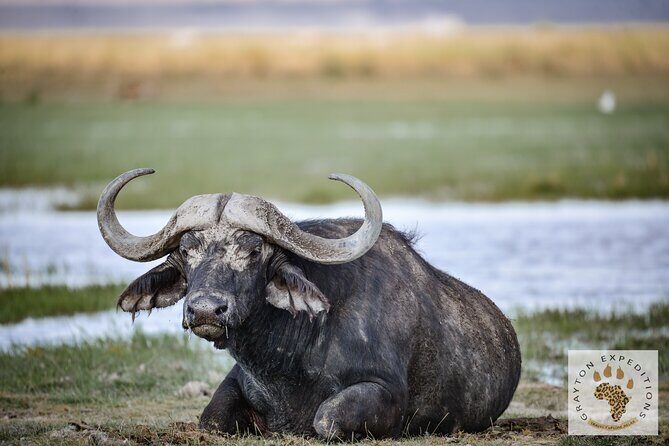
You’ll leave Nairobi after breakfast and make a stop at a viewpoint of the Great Rift Valley. There’s also a lunch stop in Narok town before you continue to Masai Mara. On arrival, you jump into a game drive right away—this is not a day where you “just arrive and settle.”
The lodge side of Day 1 includes dinner and an overnight at either Enchorro Wildlife Camp or Miti Mingi Wildlife Camp (one of these will be your base, depending on what’s arranged). That matters because you’ll likely be tired from the drive, and you’ll want a camp that can handle a late afternoon arrival without turning it into a production.
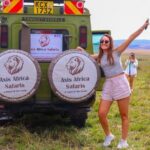
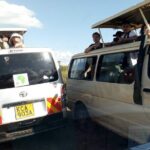
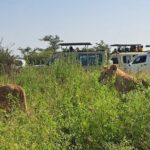
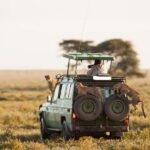
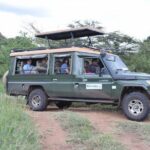
What to expect in the vehicles: you’re traveling in a safari van. Game drives in the parks run at animal pace, not city pace, so expect bumps, heat, and lots of stopping for spotting.
Day 2: Full Masai Mara day—lions and elephants, plus that hippo pool picnic
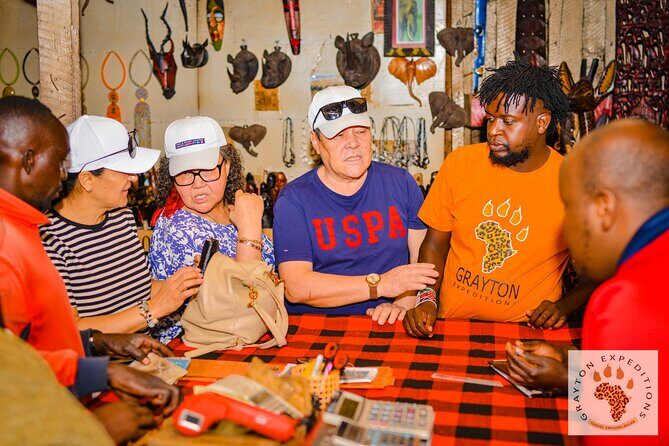
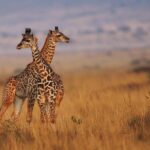
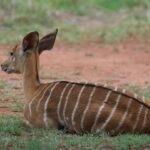
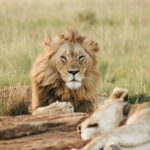
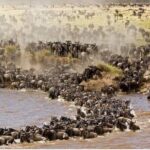
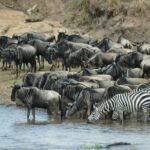
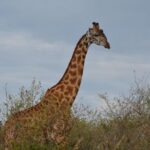
Day 2 is your first full wildlife day in Masai Mara, and it’s built around the Mara’s strength: high animal concentration. The odds you’re targeting include black-maned lions, elephants, and buffalo. You also have a realistic chance at other plains game—think wildebeest, zebra, antelope species, and giraffe.
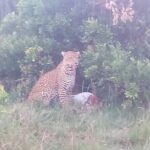
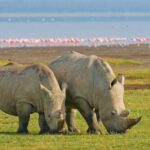
The Big Five math here is worth understanding. The plan notes that luck is essential for spotting leopard and rhino, while lions and elephants are more within reach on the right day. That’s a normal truth of safaris. The Mara gives you more chances; it doesn’t promise the animals.
A standout detail: there’s a break for your picnic lunch at the hippo pool, where hippos can be visible. If you’ve never watched hippos in the wild, it’s a weirdly calming experience—until someone decides to splash.
Optional dawn upgrade: hot air balloon safari
If you want a different kind of “wildlife day,” there’s an optional hot air balloon safari at dawn. You’d watch the park from about 1,000 feet, then land for a champagne breakfast on the savannah.
This is the kind of add-on that changes the whole feel of the trip. Instead of only seeing the ecosystem from the ground, you get the whole map laid out—rivers, plains, and movement that’s impossible to read from a vehicle.
Day 3: Masai Mara to Lake Nakuru—flamingos and bird-heavy game viewing
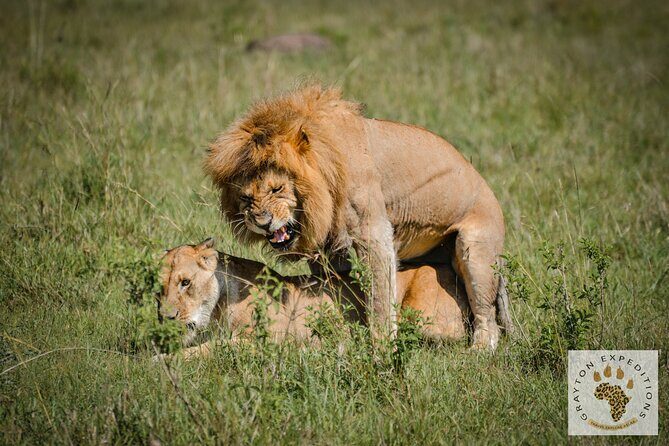
After breakfast you check out and head toward Lake Nakuru National Park, with lunch en route. There’s also an optional Masai village visit on this day, if you want a cultural stop without adding another full day of driving.
Lake Nakuru is famous for pink flamingos. The plan notes that at times there can be nearly two million along the lakeshore. Even if your timing doesn’t hit peak numbers, you’ll still get the “bird spectacle” effect—plus lots of other bird species (the data here mentions roughly 400 other species visiting the lake).
You also get scenic highway views—Mt. Longmont and Lake Naivasha are visible from afar on the route. Those roadside moments matter because they help you understand why Kenya’s wildlife is so tied to geography and water.
That night, dinner and overnight are at a budget hotel with self-contained rooms, specifically CityMax Hotel based on the plan.
A few more Nairobi tours and experiences worth a look
Day 4: Lake Nakuru to Lake Naivasha—ornithology day, then hippos at sunset
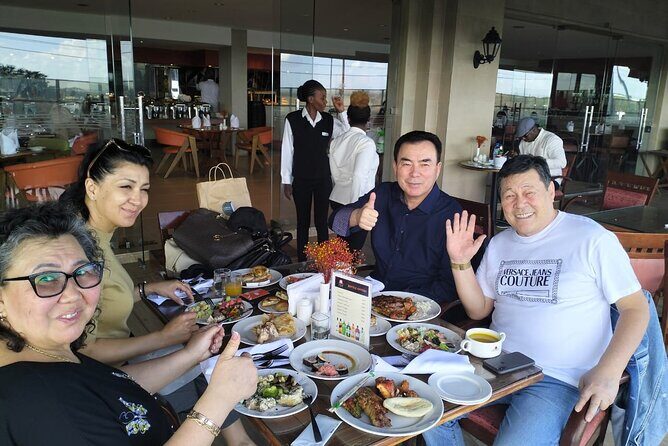
Day 4 begins with a game drive at Lake Nakuru (the plan calls it the greatest ornithological spectacle). Then you move on to Lake Naivasha and arrive in time for lunch and check-in.
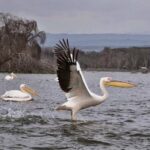
Naivasha is a bird paradise too, and it’s also a hippo-heavy destination. The plan mentions there are more hippos here than at Nakuru, and that’s the reason many people fall for Naivasha. You’re not just watching from a distance—you’re often close enough to see behavior: lounging, submerging, and making that “we’re bigger than you think” splash.
There’s an optional boat ride at sunset to look for hippos around Crescent Island. This is one of those “do it if the weather is right” options. On a calm evening, it can feel like the lake is holding its breath while you glide past.
Dinner and overnight are at Taphe Guest Resort (or a similar budget lodge setup as named in the plan).
Day 5: Naivasha to Amboseli—Masai country, then Kilimanjaro in the distance
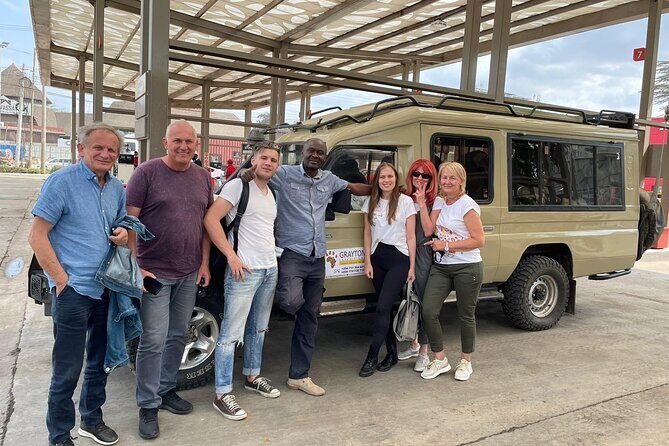
On Day 5 you drive to Amboseli National Park through an area described as home to the proud Masai tribe. That doesn’t mean the park is only about culture—it’s just a useful reminder that this route passes through working communities, not only wilderness.
Amboseli is the contrast day. The plan highlights two big reasons to go: vast elephant herds and the dominance of Mount Kilimanjaro. On clear days, the mountain can be a huge part of your photos and your sense of scale—Africa’s highest mountain set against the savannah.
You arrive for dinner and overnight at either Kimana Tented Camp or Manjaro Tented Camp, as specified in the plan. Tented camps in Amboseli can be a great match for the wildlife theme: you hear activity at night and wake up knowing the day is about larger mammals.
Day 6: Full Amboseli day—elephants, swamp hippos, and Masai village culture
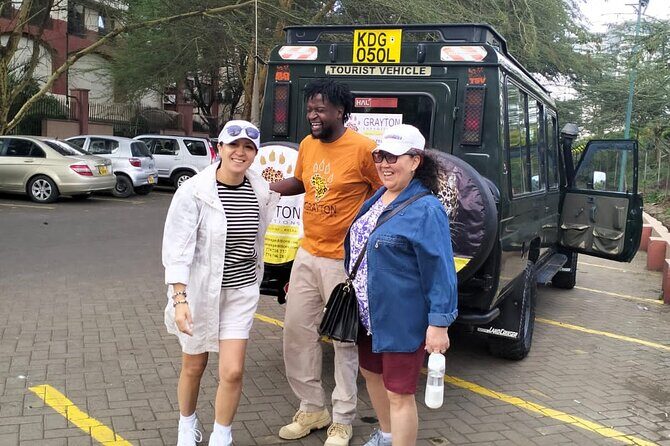
This is another full wildlife day, and the plan clearly frames the setting: wildlife under Kilimanjaro’s shadow. It also notes that you’ll see game en route to the park as you cross plains where Masai tribesmen tend cattle in an age-old tradition.
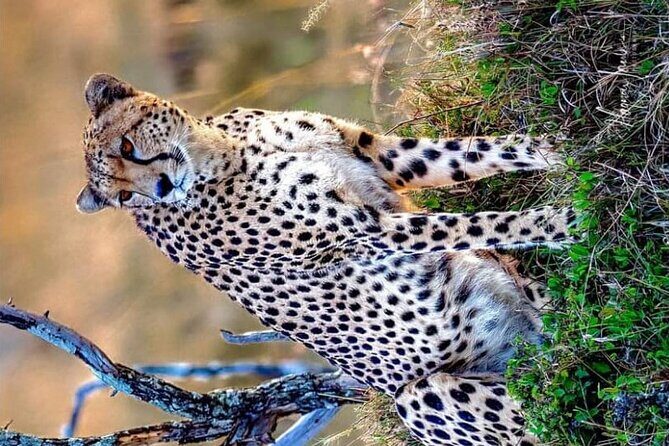
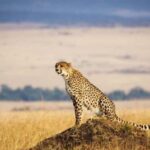
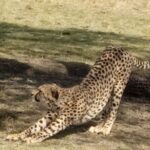
Inside Amboseli, you’ll have lunch at the camp within the park, then head back out on another game drive. The plan calls out possible sightings including lion and cheetah, plus elephant and hippo, and it specifically mentions hippos bathing in swamp grounds fed by Kilimanjaro.
Optional Masai village tour and morans
There’s an optional tour to Masai villages on this day, focused on culture and traditional life. The details included in the plan mention traditional dances and the chance to meet famous Masai morans in regalia, including spears.
I like cultural add-ons when they’re done thoughtfully, and this one is at least clearly described as a structured visit rather than a quick “look and leave” stop.
Dinner and overnight are again at Kimana Tented Camp or Manjaro Tented Camp.
Day 7: One last early game drive, then back to Nairobi
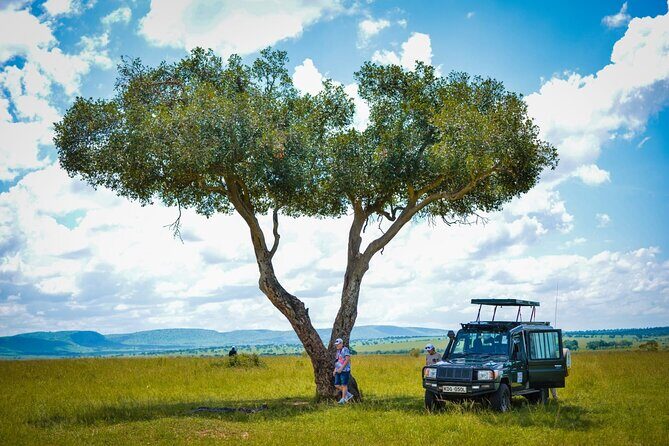
Day 7 starts with breakfast, then an early game drive for your final wildlife shots. After an early lunch, you head back to Nairobi and are dropped at your preferred location in Nairobi in the evening, then the activity ends back at the meeting point listed for the safari.
This “final chase” day is where I recommend staying focused. If you already got your elephant or lion moment, great. If not, this is your last chance to adjust your expectations and hope for one more set of sightings before the roads pull you back into normal life.
Price and logistics: what your $1,049.13 covers—and what it doesn’t
At $1,049.13 per person, the value mostly comes from how much is bundled. The plan includes:
- Accommodation (multi-night, with the named camp/hotel bases)
- Breakfast, lunch, and dinner
- Bottled water
- Transport in a safari van
- Pickup offered and a mobile ticket
That’s a real convenience win. Safari travel is hard to make cheap if you’re constantly paying separately for guides, drivers, meals, and lodging. Bundling those costs usually saves time and reduces stress.
The catch is simple: park entry fees are not included and must be paid separately. The plan also lists other exclusions like travel insurance, alcohol, soda/pop, and items of personal nature. So the real total budget is your safari price plus the park fees.
Quick money sanity check for you
Before you commit, I’d ask for a clear breakdown of:
- how the park entry fees are handled for each park/day
- the expected amount you should bring
- any other fees that pop up depending on season
That’s not fear. It’s just good trip math.
Comfort, vehicle time, and what to pack for real
A safari in Kenya is part “wildlife,” part “road trip.” This itinerary has multiple park transfers, so you’ll spend real hours in the van. The upside is that you’re going places that are worth the drive.
Your included bottled water helps, but I’d still plan on bringing your own basics too: sunscreen, a hat, light layers for mornings, and a warm layer for late evenings in the highland areas. If you’re doing the balloon option, a comfortable outfit matters because you’ll likely feel the morning chill.
Also: binocs are one of the best upgrades you can make. When animals are far, binoculars turn “I think I saw something” into “I know exactly what I’m looking at.”
A note on trust and schedule discipline
I want to be balanced here. The overall rating shown is 4.9, and it notes 97% recommended. That’s a strong signal.
But there was also at least one very negative account related to itinerary adherence and cost issues that led to serious conflict. I’m not saying this will happen to you. I am saying you should treat this like any high-stakes booking and get clarity in writing before you go.
If you want the smoothest trip possible, ask your operator directly about:
- confirmation of park days you’re paying for
- what exactly covers your game drives each day
- how park entry fees and any variable costs are managed
- how changes are communicated if weather impacts balloon or other time-sensitive activities
Do that early, and you reduce the odds of a stressful surprise.
Who should book this safari, and who might not
This tour makes a lot of sense if you want:
- a first Kenya safari that covers four major wildlife areas
- a mix of big animals and lake wildlife
- a week that’s structured enough to handle logistics for you
- the option to add experiences like a hot air balloon or cultural village visits
It might not be ideal if you:
- want a slow travel rhythm with lots of free time
- hate vehicle days and quick transitions
- need absolute certainty that every day will match a fixed plan regardless of fees
For most people, it’s a solid “see the highlights” week with enough structure to make it easy.
Should you book this 7-day Masai Mara to Amboseli safari?
I’d book it if you want a smart, time-efficient route across Kenya’s best ecosystems and you’re comfortable with the fact that wildlife sightings depend on conditions. The included meals, lodging, and safari van transport make the price feel more reasonable than piecing everything together yourself.
I’d hold off—or at least ask hard questions—if you’re the type who hates unclear totals or you haven’t confirmed park fees and how the schedule is protected. Since park entry fees are explicitly extra, getting that handled early is the simplest way to protect your budget and your expectations.
If you want to see Kenya’s animal variety in one week, this plan has the ingredients. Just do the homework on the extra fees so you can spend your energy where it belongs: on the savannah, not spreadsheets.
FAQ
How long is the safari?
It’s a 7-day group safari covering Masai Mara, Lake Nakuru, Lake Naivasha, and Amboseli.
What is the price per person?
The price is $1,049.13 per person.
What’s included in the tour price?
The tour includes breakfast, lunch, and dinner, accommodation, bottled water, and transport in a safari van. Pickup is offered, and you’ll receive a mobile ticket.
What isn’t included?
Park entry fees are not included (paid separately). Also not included are travel insurance, items of personal nature, alcoholic beverages, and soda/pop.
Where is the meeting point in Nairobi?
The meeting point is Portal Place House – Shop 31st Floor, Portal Place House, Muindi Mbingu St, Nairobi, Kenya, and the activity ends back at the meeting point.
Is this tour private?
Yes. It’s listed as a private tour/activity, meaning only your group participates.
If I cancel, do I get a full refund?
Yes. The policy shows free cancellation with a full refund if you cancel at least 24 hours before the experience’s start time.