REVIEW · NAIROBI
Mount Longonot Full-Day Hiking and Trekking Trip from Nairobi
Book on Viator →Operated by Gracepatt Ecotours Kenya · Bookable on Viator
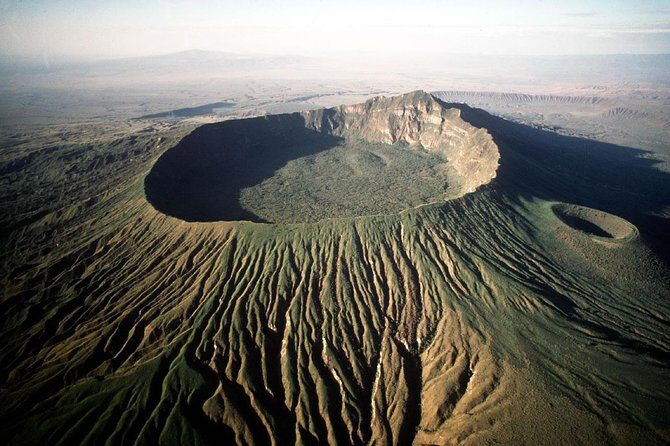
Longonot is the kind of climb you feel. This full-day hike from Nairobi gets you to the volcano crater rim with a guide, park fees included, and round-trip hotel pickup. I like the pacing here because you’re not pushed; you move at your own speed with clear rest points. I also like how the guides bring the park to life, pointing out wildlife and local trees and flora as you go.
The possible catch: parts of the route toward the peak can get very steep and rocky, and some hikers describe an all-fours scramble plus real head-for-heights exposure. If you don’t like uneven footing or heights, you’ll want to think twice or be extra honest about your limits.
In This Review
- Key highlights before you go
- From Nairobi at 6:00am: why this start time matters
- The ascent begins at 6000 feet: a climb that ramps in stages
- The second section is the real story: effort, heat, and rhythm
- Reaching the rim: panoramic views without the pressure
- Head for heights? How steep sections show up on the route
- Wildlife and plants: the guide’s job is to make it make sense
- Lakeside lunch and the optional Lake Naivasha boat upgrade
- Price and value: what $195 includes (and why it’s not just the hike)
- What to pack for Mount Longonot (so the day doesn’t feel harder)
- Who this trip suits best (and who should rethink it)
- Quick timing notes to keep your day smooth
- Should you book Mount Longonot from Nairobi?
- FAQ
- What time does the Mount Longonot hike start?
- How long does the full-day trip take?
- What’s included in the $195 price?
- What extra costs should I plan for?
- How much does the optional Lake Naivasha boat ride cost?
- Is the hike suitable for most people?
- Are children allowed on this trip?
- Can I cancel and get a refund?
Key highlights before you go
- A very early start at 6:00am to help you beat the worst heat as you climb
- Moderate but demanding terrain with sections, rest points, and options depending on how far you push
- Crater-rim walking at your pace for big Rift Valley viewpoints without being rushed
- Guide-led spotting and explanations that focus on wildlife and the plants around the trail
- Optional Lake Naivasha boat ride for hippo chances, with a $20 per person add-on
- Hotel pickup and park fees included so your main planning is just timing and what to pack
From Nairobi at 6:00am: why this start time matters
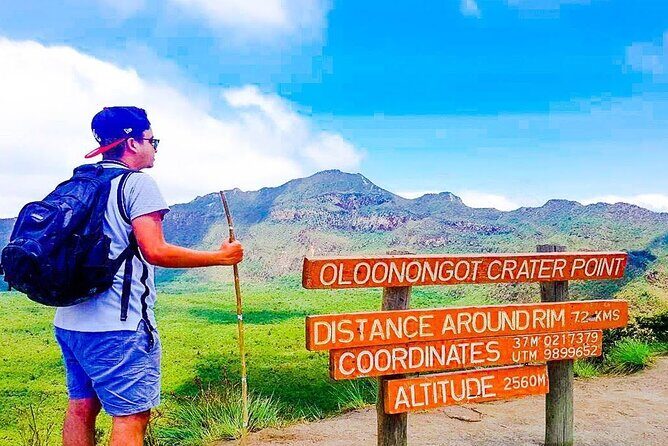
This trip runs like a classic one-day Rift Valley hit: you leave Nairobi early, start hiking before the day bakes, and return the same day. The official start time is 6:00am, and the drive to the park is about one hour after breakfast. That timing isn’t just to be punctual. It helps you avoid climbing in the hottest light, when steep, rocky ground feels even harder.
I like how this schedule gives you a calmer start than tours that roll out later. You’re already warmed up when you reach the first stretch, and your legs have time to find rhythm before the climb ramps up. By the time you reach the more intense part of the hike, you’ll naturally generate heat from effort—so the early start still pays off.
You can also read our reviews of more hiking tours in Nairobi
The ascent begins at 6000 feet: a climb that ramps in stages
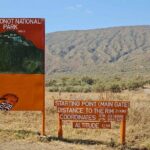
Your hike starts at about 6,000 feet in Mount Longonot National Park. At first, you get what feels like a gentle build—like the volcano is testing whether you’re paying attention. The early rise is slow and gradual, and it can trick you into thinking the whole hike will be easy.
Then you hit the structure of the route: it’s broken into sections, and at the end of each section there’s a rest point. That matters because it turns a big intimidating day into smaller chunks you can handle mentally. It also helps your breathing. You can reset, drink, and decide what pace feels right before the next uphill leg.
This is also where you’ll notice the guide’s role most. While you’re moving, you’re not just watching the trail. You’re also getting practical context about what you’re walking through—trees, flora, and wildlife spotting as opportunities appear along the way.
The second section is the real story: effort, heat, and rhythm
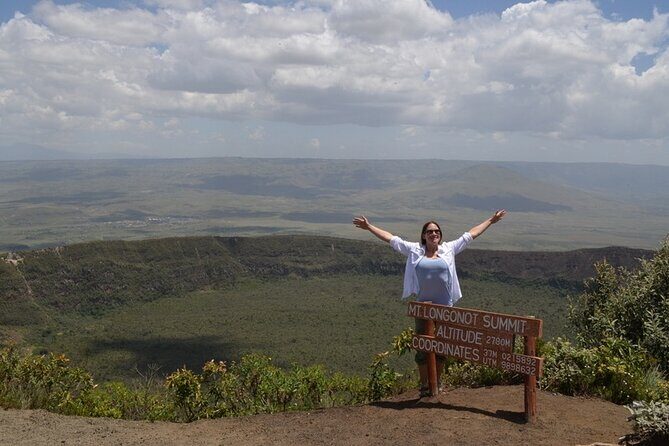
If there’s one part of the hike that sounds like the make-or-break moment, it’s the second section. The route description is clear that this is the most awesome stretch, and it’s also where the effort ramps up. After the gentle first rise, the second section feels more serious, especially once the sun and your exertion start working together.
Here’s the practical truth: you can pace yourself, but you still need a strategy. I’d plan on taking rest stops seriously, not just for show. Use them to slow your breathing, refill water, and keep your legs from burning out too early.
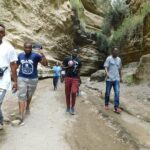
If you’re climbing with a group, the benefit is that your guide can keep you moving in a way that feels controlled. In the field, you may also hear names like Kelvin, Stephen, or Kennedy-Darius connected with this kind of guided attention. The consistent theme is how they manage the pace and explain what you’re seeing while you work uphill.
Reaching the rim: panoramic views without the pressure
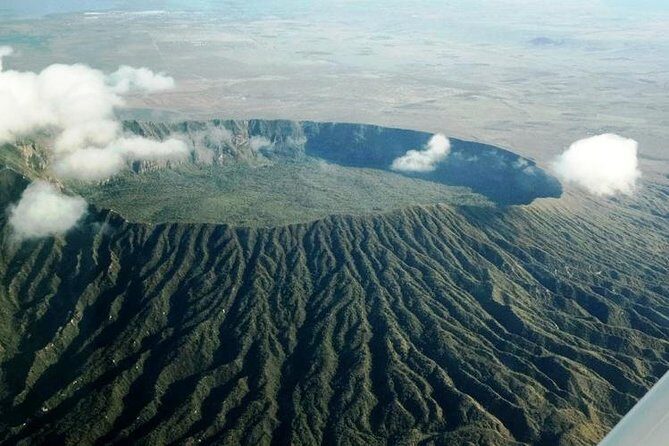
Once you’re up and the crater rim is in play, the vibe changes. The hike becomes more about scenic walking than continuous steep uphill. You’re circling the volcano at your own pace, and that flexibility is a big part of why this trip feels better than rushed hikes.
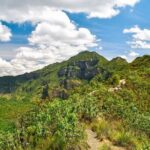
From the rim and viewpoint areas, you can expect strong Rift Valley views—and that’s one of the highlights that shows up again and again in people’s impressions. The top and rim are where the effort turns into something you can actually remember clearly: wide sightlines, dramatic volcanic contours, and the satisfaction of earning your vantage point.
The trip also makes space for rest and regrouping. You’re not simply marching until someone calls time. You’ll usually have time to steady yourself, take photos, and adjust your pace depending on how your body is doing.
Head for heights? How steep sections show up on the route
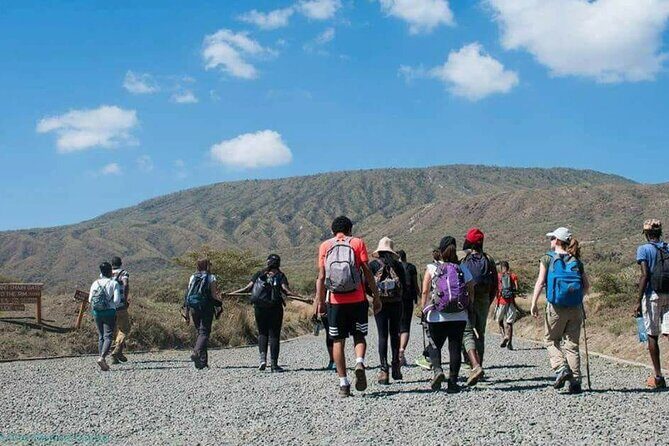
Mount Longonot is not a flat nature stroll. Even though it’s described as moderately strenuous, you’re dealing with uneven ground, steep angles, and sections that can feel exposed. One route toward the peak is described as an all-fours climb for people who want to complete the full ascent and then walk the whole way around the rim.
So here’s the balanced advice: if your fitness is fine but heights make you uneasy, you can still enjoy the day by staying focused and going only as far as you feel comfortable. Your guide can help you interpret what to attempt. If you’re set on the full peak, you’ll need strong sure-footedness and willingness to handle tight, rocky footing.
Also, if you’re in your 50s or older, don’t assume you’re too old—there’s evidence the hike can work for adults who want a challenge. Just go slower, use the rest points, and bring proper sun protection.
A few more Nairobi tours and experiences worth a look




Wildlife and plants: the guide’s job is to make it make sense
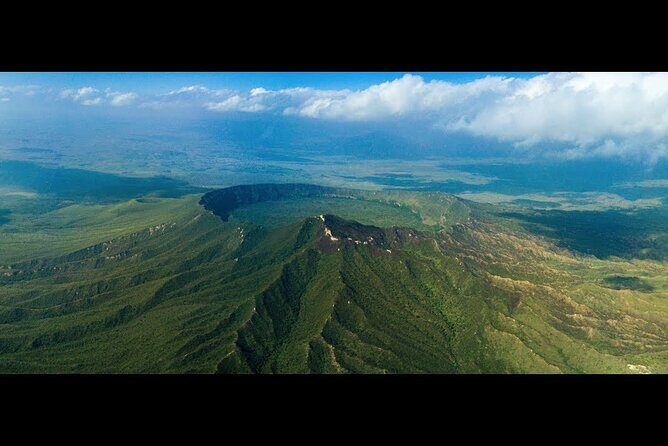
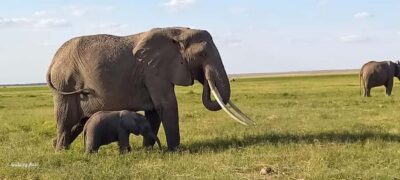
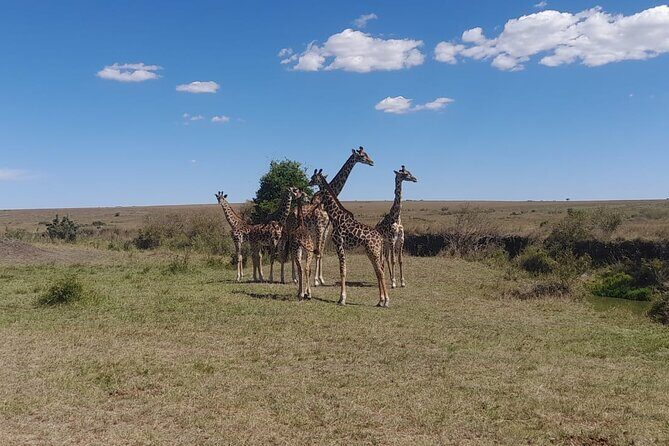
One of the most praised parts of this day is how the guides teach while walking. You’re not just getting directions; you’re getting a mini lesson from people who know the area—trees, flora, and wildlife spotting as you pass different patches of habitat.
In some accounts, Kelvin is highlighted for pointing out wildlife and explaining local plant life. In others, Stephen is praised for knowing the best spots, and Kennedy-Darius is described as caring and engaged. Another mention goes to Titus as a driver who kept the day running smoothly and picked people up right at 6:00am.
Even if your group doesn’t share the exact same guide, the pattern is consistent: the hike becomes more interesting when someone connects what you’re seeing to how the ecosystem works. If you like nature walks where you learn names and habits—not just scenery—this is a strong match.
Lakeside lunch and the optional Lake Naivasha boat upgrade
This trip has a lakeside component, and it’s one of the reasons hikers often call the day balanced instead of punishing. You’ll get free time for lunch, and lunch is available to purchase (it’s not included in the main price).
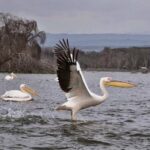
From there, you have an upgrade option: a boat ride on Lake Naivasha. This add-on costs $20 per person and is timed to let you combine the volcano day with wildlife time on the water. Lake Naivasha is known in this context for hippos, and that’s the animal you should hope to spot if you choose the boat portion.
Should you add it? If you like animals and don’t want to end your day with only volcanic views, the boat ride adds variety. It also gives you a physical break after hiking. If you prefer to travel lighter or you’re budget-conscious, you can skip the boat and still get a full day out of Mount Longonot.
Price and value: what $195 includes (and why it’s not just the hike)
The price is $195 per person, and the included items are what make it feel more like an organized day than a DIY hike.
Included:
- National Park fees
- Professional guide
- Hotel pickup and drop-off
- Admission ticket included
Not included:
- Lunch (available to purchase)
- Lake Naivasha boat ride fees ($20 per person)
Here’s how I’d judge value in real terms. Park fees and transport are often the hidden costs on day trips. When those are already bundled, you can focus on your physical readiness and packing. The guide also isn’t just a “walk behind you” situation in this case; the best parts of the day come from guide explanations and wildlife spotting.
If you skip the boat upgrade, your total stays close to the base price, with only lunch as a variable. If you add the boat ride, budget for the extra $20 and treat it as a separate experience—more animal time, more water time, and a different kind of view.
What to pack for Mount Longonot (so the day doesn’t feel harder)
The climb starts early and stays active most of the day, and the sun can still be intense once you’re working. I’d pack with the assumption that you’ll want to protect your skin and keep yourself comfortable in hot conditions.
Useful items:
- A hat (sun protection is a big deal on this kind of climb)
- High SPF sunscreen (some hikers specifically recommend very strong protection)
- Comfortable hiking shoes with good grip for rocky, steep sections
- Water and a simple snack if you’re the type who likes extra fuel between rest stops
- A light layer for the early morning chill and for windy rim areas
Also think about photography. The rim is where you’ll want time to take pictures without rushing. Bring something you can keep steady if the wind or uneven ground makes it tricky.
Who this trip suits best (and who should rethink it)
This hike fits best if you want:
- A moderately strenuous day with a clear goal and payoff at the top
- A guided experience that includes wildlife and plant explanations
- A schedule that balances effort with lakeside lunch and optional boat time
It may feel less ideal if:
- You dislike steep, rocky, potentially exposed sections
- You don’t do well with height and scrambling (especially for people who aim for the full peak route)
If you’re curious about the crater rim and Rift Valley views, but you’re not sure about scrambling, you can still plan to take the day in manageable parts. Use your guide and rest points. Your comfort matters more than checking a box.
Quick timing notes to keep your day smooth
You start at 6:00am. Expect the drive out to take about one hour. The hike itself is the centerpiece, and the total day is about 8 hours (approx.), with time built in for rest and lunch.
If you’re the type who gets cranky when hungry, plan to treat lunch time as real downtime. If you’re doing the boat upgrade, keep your energy steady so the water portion feels like a reward, not another chore.
Should you book Mount Longonot from Nairobi?
I’d book it if you want a day trip that actually feels like you did something: uphill effort, crater-rim views, and a guided nature experience that doesn’t stop at pointing at things. The value is strong because park fees and transfers are included, and the optional Lake Naivasha boat ride adds a whole second wildlife setting.
I wouldn’t book it if you’re uncomfortable with steep, rocky terrain or you need fully level walking. This is a volcano hike, and even when you’re pacing yourself, the terrain demands respect.
If you do book: go early, protect yourself from the sun, take rest points seriously, and choose how far up you want to push based on how your body feels that morning.
FAQ
What time does the Mount Longonot hike start?
The trip starts at 6:00am.
How long does the full-day trip take?
It lasts about 8 hours (approx.).
What’s included in the $195 price?
The price includes National Park fees, a professional guide, and hotel pickup and drop-off. Admission ticket is included as well.
What extra costs should I plan for?
Lunch is not included (you can purchase it during the day). If you upgrade to the Lake Naivasha boat ride, the fee is $20 per person.
How much does the optional Lake Naivasha boat ride cost?
The boat ride upgrade on Lake Naivasha costs $20 per person.
Is the hike suitable for most people?
It’s listed as moderately strenuous, and the operator notes that most travelers can participate.
Are children allowed on this trip?
Children are allowed, but must be accompanied by an adult.
Can I cancel and get a refund?
Yes. You can cancel for a full refund up to 24 hours before the experience’s start time. Free cancellation is listed, with refunds not guaranteed if you cancel later than that window.