REVIEW · NAIROBI
Full Day Kibera Slum Tour
Book on Viator →Operated by Visit Kibera Expeditions · Bookable on Viator
Kibera isn’t a postcard. It’s a living neighborhood, seen on a full-day private tour with local context. You’ll move through busy places like Toi Market and community programs, with time to hear how residents are tackling everyday challenges.
What I like most is the focus on Hope and Shine Kibera Center and the chance to take part in co-curriculum activities with children and teachers. I also like how the itinerary builds from markets to real community voices, not just quick photo stops—like time with a women’s group and a youth group, plus an experience riding a matatu.
One thing to consider: lunch isn’t included, and this is an emotionally heavy day for some people. Also, like any community-based experience, communication and expectations depend on the day and the guide—one review mentioned a miscommunication that the provider later apologized for.
In This Review
- Key highlights worth planning around
- A full-day Kibera tour that favors people over props
- Pickup, Greenhouse Mall orientation, and getting your bearings fast
- Toi Market: traders, sections, and what to notice
- Hope and Shine Kibera Center: volunteering that’s meant to be participatory
- Aerial views and the city of Hope context
- Bead shops and local crafts that support real income
- Women’s group, youth group, and the matatu reality check
- What’s included in the $65 price, and where the value really is
- Who should book this Kibera day tour (and who should rethink it)
- Should you book the Full Day Kibera Slum Tour?
- FAQ
- How long is the Full Day Kibera Slum Tour?
- Is the tour private?
- Is pickup from my hotel included?
- What’s included in the price?
- Is lunch included?
- What will I see besides the slum area itself?
- What’s the cancellation policy?
Key highlights worth planning around

- Hope and Shine Kibera Center volunteer time with co-curriculum activities
- Toi Market walkthrough to understand how traders organize the market
- Women’s group conversation for a grounded look at daily life and community work
- Matatu ride experience to see Nairobi transit culture from inside
- Craft shopping at local bead shops, with direct support to small businesses
A full-day Kibera tour that favors people over props

This tour is designed for one thing: helping you understand Kibera as a neighborhood, not a spectacle. You’ll spend several hours moving through daily activities, and you’ll hear explanations meant to reflect what residents are working on now.
The private format matters. If your group wants to linger at the market or ask extra questions at the community center, you can usually slow down and go at your own pace. That flexibility can make a big difference in a place where time and attention are part of the culture.
You’ll also notice the day is structured to balance practical life with community development. Markets and crafts show the economic side; Hope and Shine and group visits show the community side; and the matatu ride adds a Nairobi flavor beyond Kibera.
A few more Nairobi tours and experiences worth a look



Pickup, Greenhouse Mall orientation, and getting your bearings fast
The day starts with pickup from your hotel of residence, then a briefing at Greenhouse Mall or the starting point. That simple setup is useful in Nairobi, where getting oriented quickly helps the rest of the day feel calmer and more organized.
After the briefing, the tour shifts into observation mode. You’ll be guided on where you are in the neighborhood, how to watch respectfully, and what details to pay attention to. One thing I appreciate here is that you’re not dumped into crowds with no context.
From the reviews, guide quality can really shape the experience. One guest praised guide Lucas as pleasant and intelligent, which is a good reminder: on a day like this, clear explanation is part of the value you’re paying for.
Toi Market: traders, sections, and what to notice

Toi Market is the place where the tour starts teaching you how daily life runs. You’ll see the extensive side of the market and learn the daily life of traders, including identifying different sections of the market.
This is one of the most practical parts of the day because it shows how people earn a living in a tight, organized environment. When you walk through, focus on how traders arrange goods, how conversations work, and how people move through the space. It’s a lesson in small-scale logistics.
A possible drawback: markets can be intense. If you get overwhelmed by crowds, strong bargaining energy, or constant motion, you might want to set a gentle pace early. The private format can help here, since you’re not forced to keep up with a larger group schedule.
Hope and Shine Kibera Center: volunteering that’s meant to be participatory
This is the heart of the tour. You’ll spend time at the Hope and Shine Kibera Center through community development work, and you’ll volunteer at the center. The schedule also includes learning about the children’s and teacher’s daily life, plus joining a co-curriculum activity.
What makes this part valuable is the way it connects education to relationships. It’s not just about watching; it’s about participating in activities alongside children and staff, and learning how the program fits into the community.
One review described spending time in a class with children singing, learning, and sharing a meal together. Even if your day’s exact rhythm differs, that kind of warm, human interaction is clearly what some guests remember most.
A realistic consideration: this is a sensitive setting. You should come with patience, a respectful attitude, and the understanding that the program’s goals are education and support, not entertainment.
Aerial views and the city of Hope context

At one point, you’ll see two aerial views of the city of Hope. For many visitors, this is the first time the neighborhood is explained at a bigger scale than street-level impressions.
I like this stop because it can soften the shock of what you’re seeing by giving you context. You get a sense of layout and change over space, which helps you understand how community projects relate to daily movement and limited resources.
If you’re the type who likes to connect dots, take advantage of the time to ask what you’re looking at. This is the moment when questions usually lead to better explanations later in the day.






Bead shops and local crafts that support real income

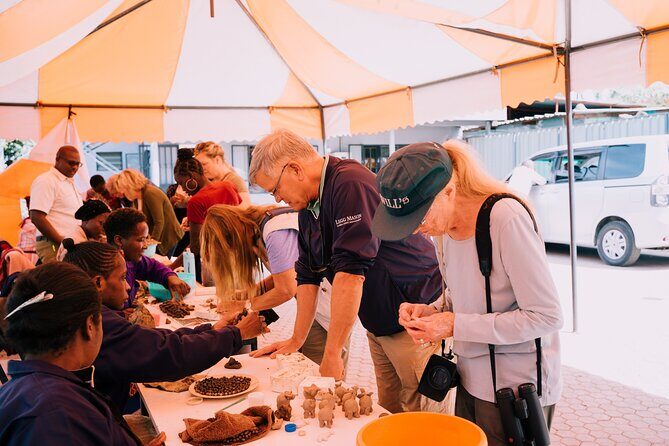
After the community center time, you’ll have a chance to shop at one of the bead shops. The tour’s craft focus matters because it connects the visit to something tangible: local small business and skills.
In a place where formal employment opportunities can be limited, handcraft sales can become an important part of family income. Buying directly from a bead shop, when you genuinely want something, can feel like support rather than charity.
A practical tip: go in with a quick plan for shopping. Browse, compare if the guide points out options, and only buy what you’ll actually use. It keeps the interaction respectful and avoids turning the market stop into a rushed transaction.
Women’s group, youth group, and the matatu reality check

Later, you’ll meet a women’s group to hear what they do daily. This conversation is a standout in the tour highlights because it shifts the story from general facts to specific work: the kind of practical activities that keep families and community networks going.
Then you’ll meet a youth group. That gives you another angle, one that often comes with questions about education, opportunities, and what changes are actually possible on the ground.
And yes, you’ll also experience life inside a matatu. This isn’t a museum ride; it’s Nairobi’s transit culture in miniature. You’ll learn quickly how routes, crowds, and everyday movement shape life in the city.
From a visitor-comfort standpoint, matatus can feel chaotic at first. If you’re not used to crowded public transport, keep your expectations flexible and treat it like a cultural lesson, not a ride for comfort.
What’s included in the $65 price, and where the value really is

The tour costs $65 per person, and it’s a private experience with pickup and private transportation. It also includes all fees and taxes, and an admission ticket is referenced in the itinerary.
That matters for value because your big add-ons are already covered. If you’ve ever had a tour where you keep getting hit with entry fees on top, this structure helps keep your day predictable.
Duration is listed as about 4 to 6 hours (approx.), and the itinerary notes around 7 hours at one point. Plan for a half-day to full-afternoon commitment, and remember community-based schedules can run with real human time, not a tight stopwatch.
The one clear missing piece is lunch. This isn’t a dealbreaker, but you’ll want to eat before you start and/or budget for food near the end of the tour. If you arrive hungry or skip meals, the day will feel much heavier.
Who should book this Kibera day tour (and who should rethink it)
This tour fits best if you want more than sightseeing. If you’re interested in how communities run programs, support education, and create livelihoods through markets and crafts, you’ll likely get a lot out of it.
It also works well for people who like guided context. The day isn’t just movement; it’s explanation—covering markets, community development work, group conversations, and the matatu experience.
I’d rethink it if you strongly prefer a casual, low-emotion itinerary. Even with the best guidance, Kibera involves real hardship and real dignity, and that combination can hit harder than expected. Also, if you’re uncomfortable with crowd settings like markets and public transport, bring your patience.
Should you book the Full Day Kibera Slum Tour?
If your goal is understanding—practical understanding, not headlines—this is a strong choice. The Hope and Shine Kibera Center focus plus the market, women’s group, youth group, and matatu stops create a full picture of daily life and community effort.
I’d book if you’re willing to show respect, ask questions, and treat this as a human exchange rather than a checklist. The private format and the inclusion of fees and transportation make it feel like good value for a structured day.
I’d hesitate only if you’re short on food plans, very sensitive to heavy realities, or you need an itinerary that stays strictly comfortable and predictable at every minute. If that’s you, consider a lighter option and come back when you’re ready for a day that’s both informative and emotionally real.
FAQ
How long is the Full Day Kibera Slum Tour?
The duration is listed as approximately 4 to 6 hours. The itinerary also notes a 7-hour experience window, so it may run longer depending on how the day flows.
Is the tour private?
Yes. It’s a private tour/activity, meaning only your group participates.
Is pickup from my hotel included?
Pickup at your hotel of residence is included as part of the tour experience.
What’s included in the price?
The price includes all fees and taxes and private transportation. An admission ticket is included as well.
Is lunch included?
No, lunch is not included.
What will I see besides the slum area itself?
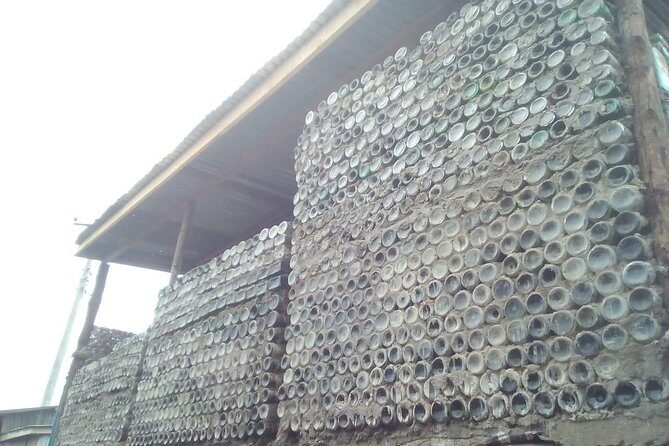
The day includes time at Toi Market, the Hope and Shine Kibera Center, bead shops, group meetings, and an experience inside a matatu. The overall description also mentions recycling plants and a kindergarten-style setting as part of the day.
What’s the cancellation policy?
You can cancel for a full refund up to 24 hours in advance. If you cancel less than 24 hours before the start time, the amount paid won’t be refunded.