REVIEW · NAIROBI
Nairobi: National Park, Elephant Orphanage & Giraffe Center
Book on GetYourGuide →Operated by KT Safari LTD · Bookable on GetYourGuide
Wildlife, skyline, and elephants in one day. I love the open-roof safari van for feeling connected to the action, and I love the chance to see baby elephants at the David Sheldrick Wildlife Trust up close. This tour strings together three very different animal experiences in central Kenya, starting with Nairobi National Park against the city skyline.
One thing to watch: the headline price is only the start. You’ll pay major add-on fees during the day, and you’ll want cash ready for at least some of them, plus eCitizen setup for the national park entry so you don’t lose time.
In This Review
- Key things to know before you go
- Nairobi National Park: Big-Five Energy With the City Right There
- The Open-Roof Game Drive: How to Get Better Animal Viewing Fast
- David Sheldrick Trust: Baby Elephant Bottle-Feeding and Rhino Stories
- Giraffe Centre: The Hands-On Part (Feeding, Touching, and Kissing)
- Kobe Beads Factory and Lunch Break: A Cultural Pause You Should Plan For
- Price and Real Budget: What the $23 Ticket Actually Becomes
- Timing and Where This Fits in Your Itinerary
- Who Should Book This, and Who Might Want Another Option
- Should You Book This Nairobi National Park + Elephants + Giraffes Day?
- FAQ
- What does this tour include?
- How long is the tour?
- Will I see elephants in Nairobi National Park?
- What can you do at the Giraffe Centre?
- What extra fees should I budget for?
- Do I need cash?
Key things to know before you go
- Big-five odds in a short window: the park is set up for seeing four of the big five, with elephants handled separately at the orphanage
- Giraffe feeding, hands-on: you can feed, touch, and even kiss the giraffes under staff supervision
- Baby elephant bottle-feeding: the Sheldrick Trust is the core elephant moment, with a close-up experience and keeper talks
- Nairobi city skyline views: you get grazing wildlife with the urban backdrop right there
- Guides who find sightings: names like James and Watson come up often for strong spotting and smooth entry
- A full day, not just animals: there’s also a break with lunch/shopping and a stop at Kobe Beads factory (included)
Nairobi National Park: Big-Five Energy With the City Right There
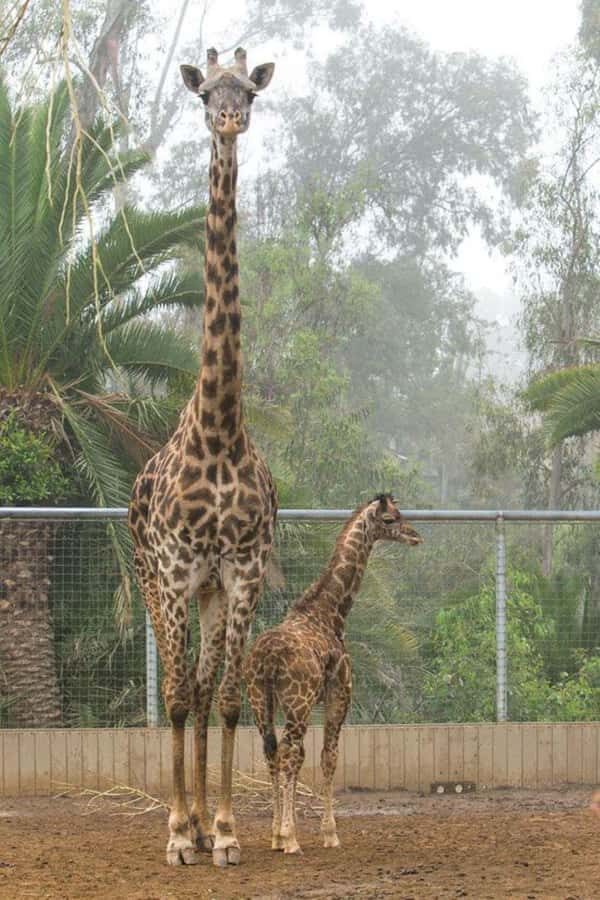
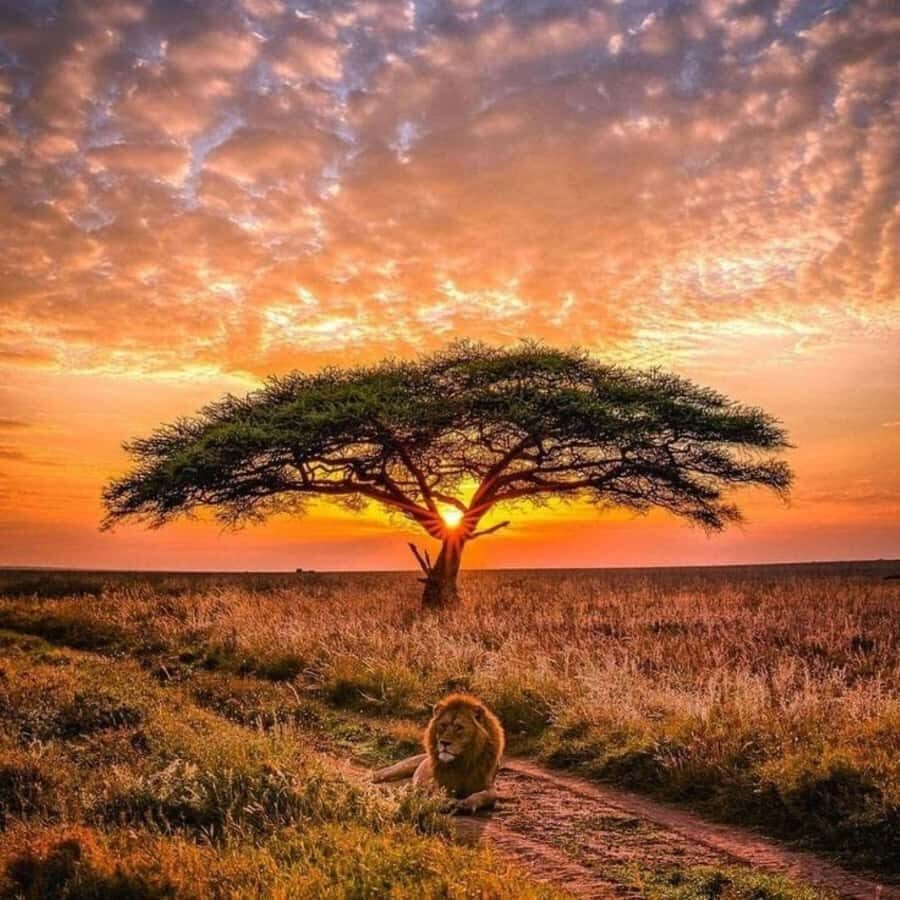
Nairobi National Park is a funny kind of place—in the best way. You’re in a “real” safari setting, but the city skyline can still sit in the background. That contrast is part of why this outing works so well for short trips: you’re not spending days waiting for the right moment.
The tour is designed around an early game drive, going straight into Nairobi National Park for the best chance at animal activity. Expect a guided drive with plenty of time to look for large mammals. The promise here is clear: you’re targeting four of the big five in real life, while the elephant part of the experience is saved for the orphanage visit.
If you’re the type who likes structure—pick-up, then a focused drive—this fits. You get a real “safari rhythm,” where the guide keeps you moving between likely sightings instead of wandering.
You can also read our reviews of more tours and experiences in Nairobi.



The Open-Roof Game Drive: How to Get Better Animal Viewing Fast
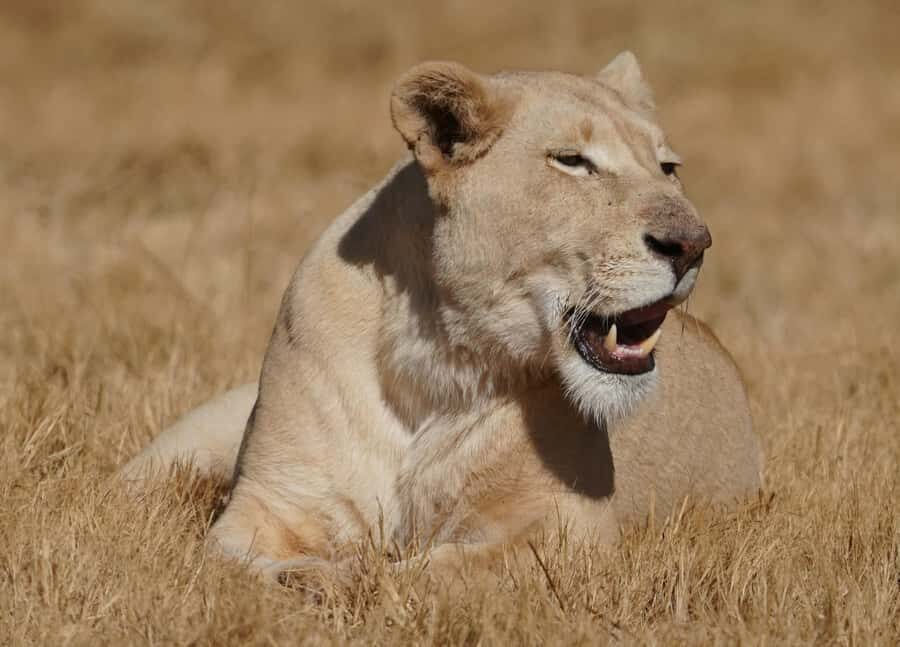
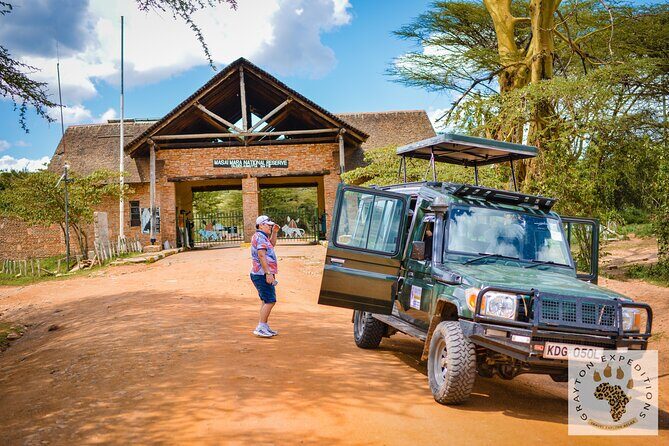
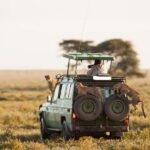
You’ll ride in a safari mini-van with an open roof. That sounds simple, but it changes everything. You’re not stuck behind glass or boxed into a sealed seat. You’ll feel closer to what’s happening, and it’s easier to spot animals when you’re higher up and looking farther.
A couple of practical notes I’d keep in mind:
- Dress for changing conditions. Nairobi mornings can feel cool, and you’ll be outside while scanning for animals.
- Have your camera/lens ready quickly. When the guide calls a sighting, the time window can be short.
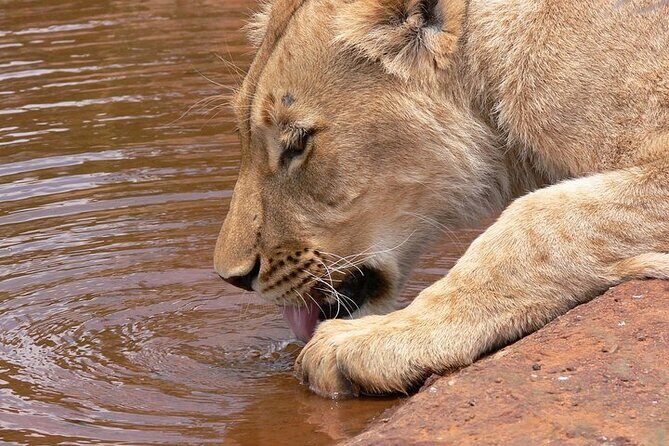
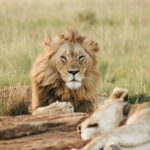
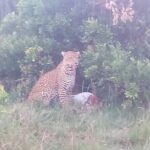
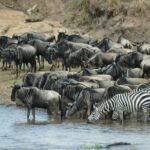
In the animal department, this style of game drive is built to deliver variety. Even without naming every species you’ll see, you can plan on classic park big-mammal sightings. Based on past experiences with this exact kind of day, people often mention spotting lions, rhinos, giraffes, plus smaller “bonus” moments like zebras and hippos when the timing is right.
Guide quality matters here. People in the past repeatedly mention guides such as James and Watson, praising them for finding strong viewing spots and keeping the day running smoothly. The open-roof setup helps—but it’s the guide who decides where you spend your viewing time.
One small drawback to consider: safari vehicles can be a bit “fixed” inside. In at least one case, a passenger found the arm-rest setup awkward when they wanted to stand or shift posture for better views. It’s not a deal-breaker for most people, but if you’re tall or you like frequent position changes, it’s worth knowing.
David Sheldrick Trust: Baby Elephant Bottle-Feeding and Rhino Stories
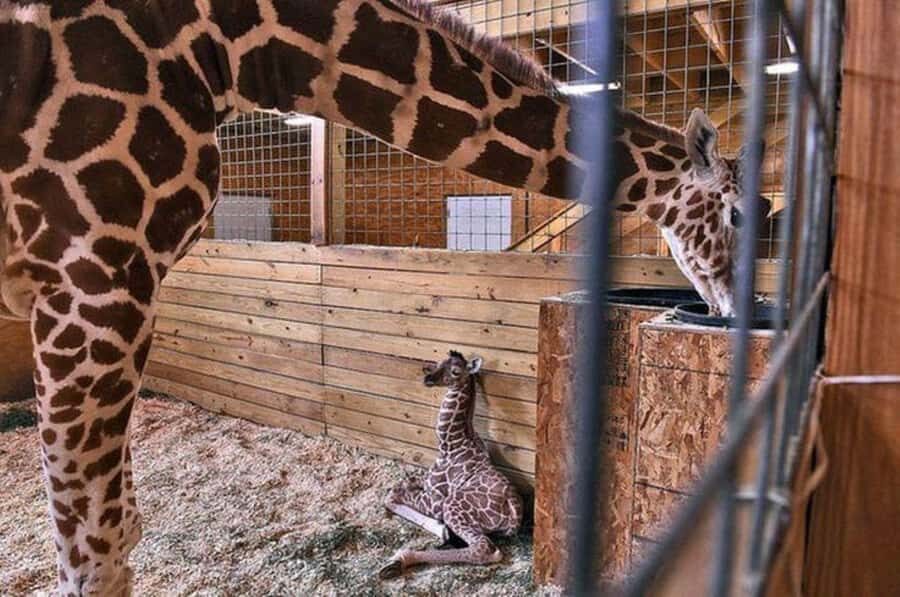
After the park drive, the day shifts gears—same animals, different emotional tone.
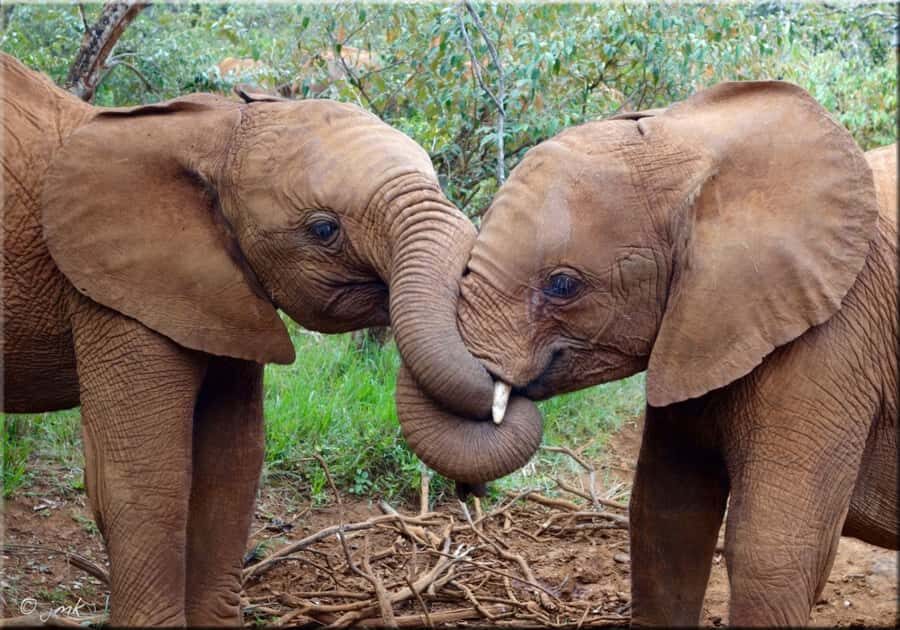
David Sheldrick Wildlife Trust is in the western end of Nairobi National Park area, and this is where the “elephant part” becomes real. Instead of hoping you stumble on an elephant in the wild, you go where you’ll see baby elephants being fed milk from bottles. That’s the kind of close-up moment that tends to be the highlight for many people because it’s controlled, timed, and intensely memorable.
You’ll also get keeper-led instruction. The keepers explain the babies’ names and the stories behind why they became orphans. That context adds weight to the experience. You’re not just seeing cute animals—you’re learning what rehabilitation and protection efforts are trying to accomplish.
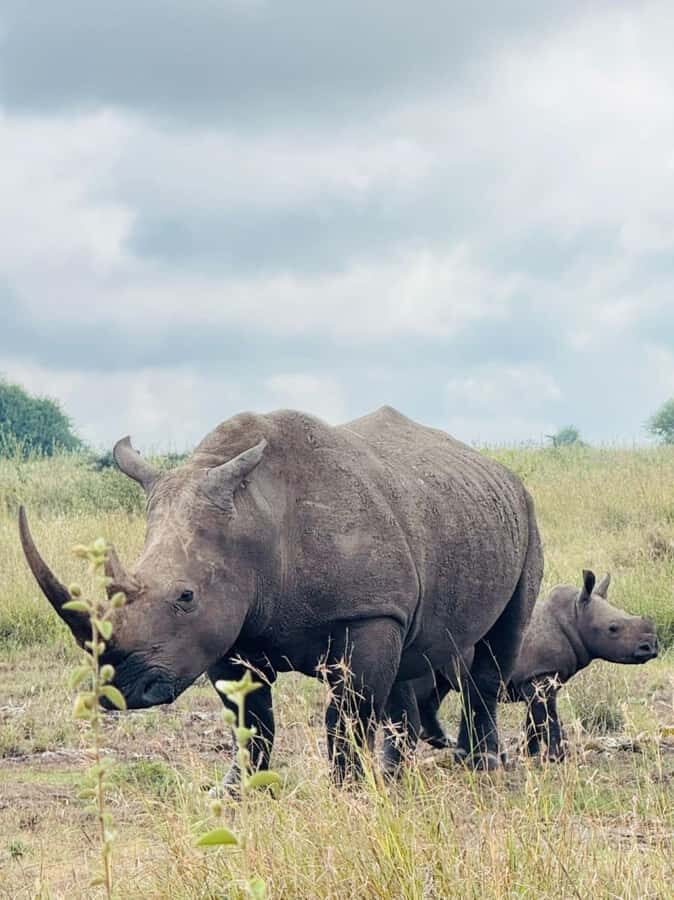
People also note rhino presence at the same orphanage complex. Even if elephants steal the show, rhinos fit into the theme of conservation and recovery. If you care about animal welfare work, this stop gives you something more meaningful than a standard viewing session.
One practical value tip: treat this portion like a “sit still and listen” moment. The best learning happens when you let the keeper talk while you watch the feeding. If you’re constantly moving for photos, you may miss the story details that make the visit more than just a snapshot.
Giraffe Centre: The Hands-On Part (Feeding, Touching, and Kissing)
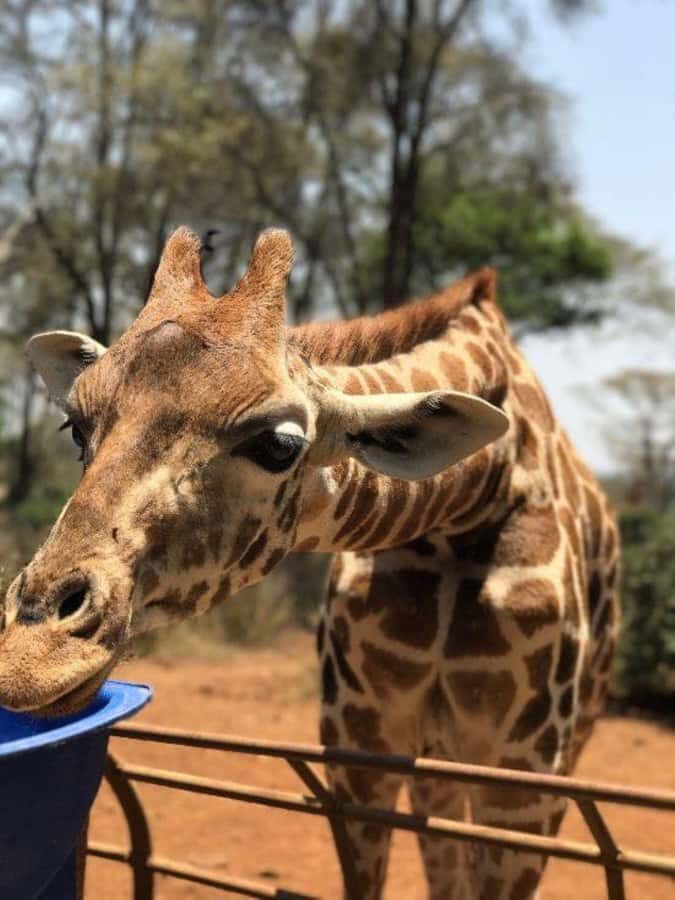
Then you head to the Giraffe Centre, a nonprofit focused on education around endangered animals and environmental protection. This is where the tour becomes interactive.
Here’s what you should expect:
- Staff guide you and explain giraffe behavior and conservation themes
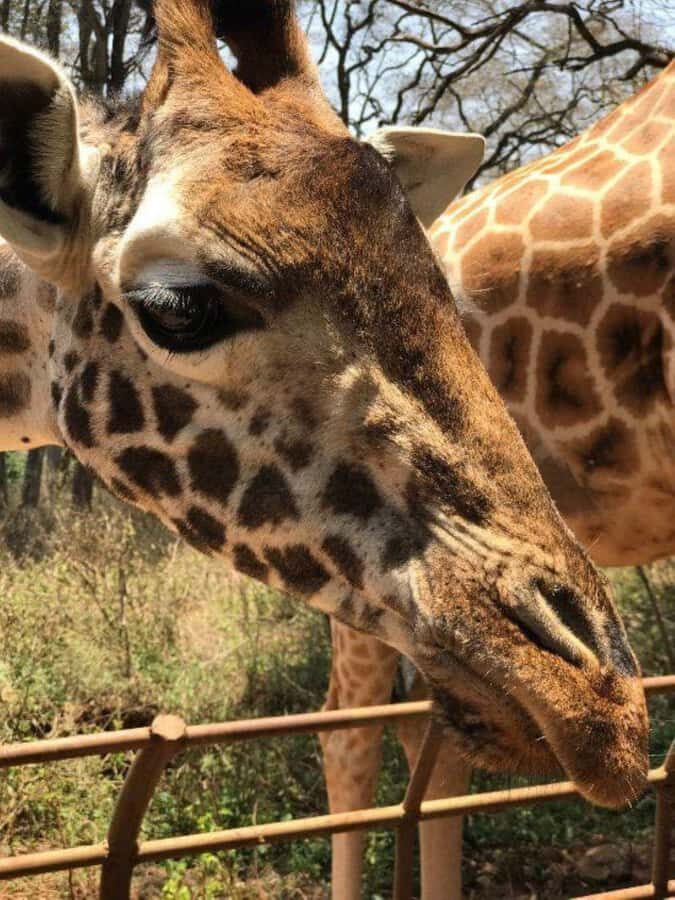
- You have the option to feed the giraffes by hand, under trained supervision
- You may be able to touch and even kiss the giraffes, depending on how the interaction session is run that day
This is a different kind of experience than the national park. In the park, animals are wild and you’re observing. At the Giraffe Centre, you’re participating in a supervised encounter. That’s why it’s so popular: it’s fun, simple, and memorable without needing special skills.
A smart mindset: go in knowing it’s controlled contact. Don’t expect unlimited freedom—you’ll be guided, and the staff rules keep it safe for both people and giraffes. If you’re nervous about close contact, start by watching how others do it, then join when you feel comfortable.
If you’re traveling with kids, this is often the “everyone loves it” stop. Even for adults, the feeding and close-up moments are a quick emotional win after the sometimes-wild unpredictability of game drives.
Kobe Beads Factory and Lunch Break: A Cultural Pause You Should Plan For
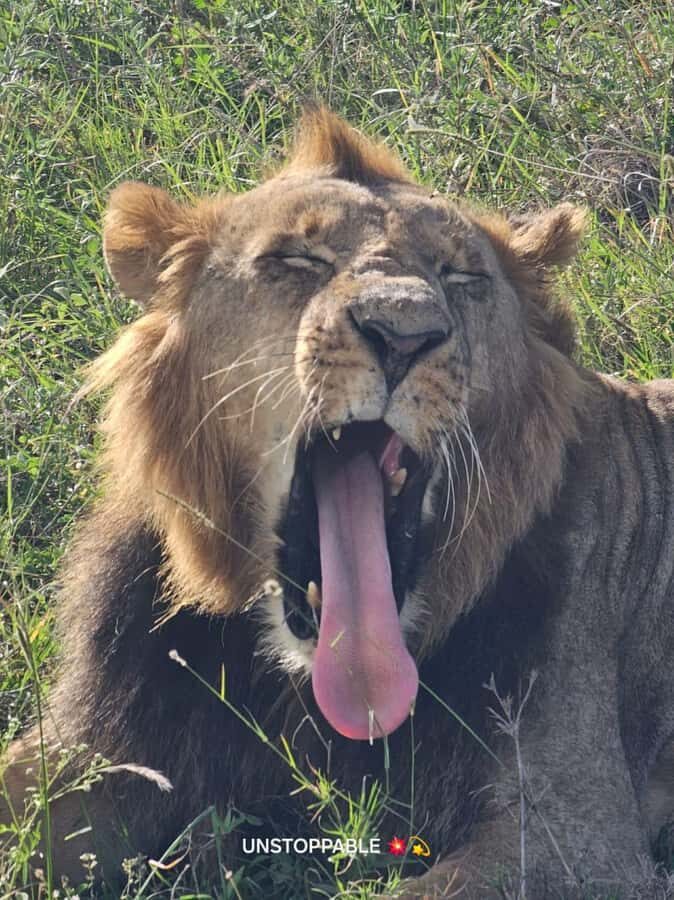
Between the main animal stops, you’ll have a break with time for lunch and shopping, plus a stop at Kobe Beads factory included as part of the day.
Think of this as your buffer. The animal parts are active and attention-heavy. The break gives you a chance to reset—use the restroom, grab a snack if you need it, and rehydrate. If you’re picky about lunch (or you have dietary needs), this is where you’ll want to be ready.
The included Kobe Beads factory visit is an extra cultural add-on. It’s the kind of stop that can either feel like a quick breather or a “just included” diversion, depending on your interests. If you like supporting small-scale craft and seeing how items are made, you’ll likely enjoy it. If you prefer pure animal time, treat it as a short stop that keeps the tour flowing.

Price and Real Budget: What the $23 Ticket Actually Becomes
The tour is listed at about $23 per person, but the true cost depends on the add-ons you pay during the day.
Based on the information you’re given before you go, you’ll plan around these expenses:
- Nairobi National Park conservation fees paid through eCitizen (a figure shown includes $80 per person plus a $2 processing fee; another note also mentions $43 for national park entry)
- Baby elephant experience (shown as $20 per person)
- Giraffe Centre entry (shown as $15)
The big practical takeaway: don’t do your money planning in your head. Before you leave, write down the fees you’ll need, and make sure you have the right mix of payment options.
Also keep in mind a key logistics point that comes up often: national park entry fees are tied to eCitizen, so you’ll want your details sorted ahead of time. Having your account ready can keep the entry process smooth and help your guide avoid wasted time.
Value-wise, this day can still be a smart use of limited time in Nairobi. The core reason: you’re stacking experiences that are hard to DIY in one afternoon—an effective safari drive plus a guaranteed elephant moment plus giraffe interaction. Even when you add the entry fees, the payoff is usually strong because the schedule is built to hit the best “animal for your time” combinations.
Timing and Where This Fits in Your Itinerary
The duration is 4 to 7 hours, with a morning game drive that can run until around 11:00 AM in the full-style schedule. Pickup is early, and drop-off happens back at your Nairobi area lodging.
Realistic planning tip: if you book the full combination (park + elephant/orphanage + giraffes), don’t schedule anything important right after. On morning departures in the past, the day has run into mid-afternoon.
If you’re trying to fit Nairobi National Park into a busy travel day, this is still one of the more efficient ways to do it. But be strict with your timing: this isn’t a “quick stop between meetings” kind of outing.
Who Should Book This, and Who Might Want Another Option
This tour is a strong match if:
- You want a structured Nairobi wildlife day without hunting for transport or ticket logistics
- You want both wild sightings and a conservation-focused, close-up elephant experience
- You’re excited about hands-on giraffe interaction (feeding and close contact)
- You have limited time in Nairobi and want to pack the highlights
It may be less ideal if:
- You hate extra entry fees and want everything included in one price
- You dislike early starts and want a late-morning plan instead
- You’re extremely picky about vehicle comfort or standing/sitting flexibility during the drive
Solo travelers often find it manageable because you still get a full guide-led route and focused time at each stop. Families typically like the pacing because you get variety: big mammals in the park, then a story-rich orphanage visit, then an interactive giraffe session.
Should You Book This Nairobi National Park + Elephants + Giraffes Day?
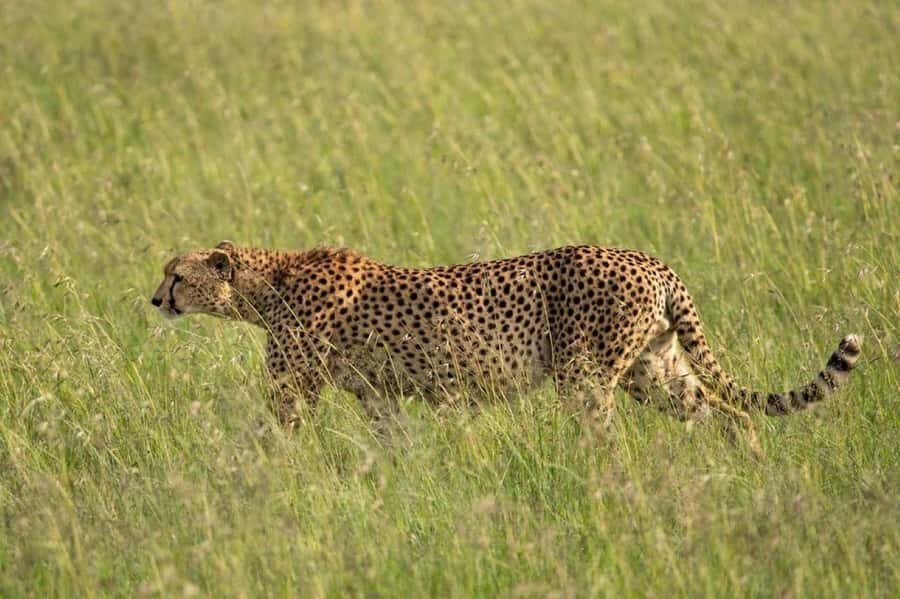
If you want one Nairobi day that hits the main animal highlights with minimal waiting, I’d say yes, it’s worth considering. The mix of Nairobi National Park wildlife viewing with the David Sheldrick Trust baby-elephant bottle-feeding is a powerful pairing, and the Giraffe Centre adds an interactive moment that most other Nairobi animal experiences can’t match.
Just go in with a clear budget, carry what you need for entry payments (and have eCitizen sorted), and give yourself enough time to enjoy each stop without rushing. If you do that, this becomes one of those days where you feel like you used your time well—and you learned something along the way.
FAQ
What does this tour include?
It includes hotel pickup and drop-off in Nairobi, a professional driver and guide, a safari mini-van with open roof, extensive game drives, entry to Kobe Beads factory (free), and bottled water.
How long is the tour?
It’s listed as lasting 4 to 7 hours, with the national park game drive running up to about 11:00 AM in the scheduled flow.
Will I see elephants in Nairobi National Park?
The safari in Nairobi National Park is described as covering major animals with the elephant excluded. The elephant experience is handled at the David Sheldrick Wildlife Trust orphanage stop.
What can you do at the Giraffe Centre?
You’ll learn about giraffes from guides, and you have the option to feed them by hand under supervision. You can also experience close contact such as touching and kissing the giraffes, depending on how the interaction is run.
What extra fees should I budget for?
You should plan to pay additional entry fees for Nairobi National Park conservation fees (paid via eCitizen), the baby elephant experience, and the Giraffe Centre. The provided guidance lists amounts including national park entry (one figure shown is $43), baby elephant experience ($20), and Giraffe Centre ($15), plus national park processing-related costs shown elsewhere.
Do I need cash?
Yes—there is guidance telling you to bring cash for the national park entry fees, the baby elephant experience, and the Giraffe Centre. The national park conservation fees are also tied to eCitizen.