REVIEW · NAIROBI
5-Day 4 Nights Masai Mara-L Nakuru-Hell’s Gate Budget Safari
Book on Viator →Operated by Grayton Expeditions · Bookable on Viator
A five-day safari can feel rushed. This one mixes Masai Mara wildlife drives, Kenya’s Rift Valley scenery, and a walking park day at Hell’s Gate. It’s built for you to see a lot of different ecosystems without spending lodge-to-lodge fortunes.
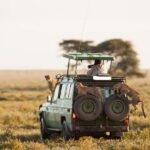
I especially like the wildlife setup in Masai Mara: a customized 7-seater minivan with a pop-up roof means you get better sightlines when animals pop up close. I also like that the pace is active but not chaotic, with a full day game drive and a separate day dedicated to Lake Nakuru’s birdlife and rhino sanctuary.
One thing to consider: this is a budget-style trip with budget tented camp/hotel lodging and park entry fees not included, so your real out-of-pocket cost will be higher once you add entrances and tips.
In This Review
- Key moments on this Mara–Nakuru–Hell’s Gate safari
- Nairobi to the Mara: where your safari really starts
- Masai Mara game drives: pop-up roof, Mara River chances, and lion time
- The budget rhythm: moving from the Mara to Nakuru with Rift Valley views
- Lake Nakuru: flamingo country, rhinos on purpose, and wildlife patterns
- Hell’s Gate on foot: gorges, Fischer’s Tower, and geothermal steam
- Price and logistics: what the $553 covers, and what it doesn’t
- Who should book this safari (and who should think twice)
- Should you book this 5-day Mara–Nakuru–Hell’s Gate safari?
- FAQ
- How long is this safari?
- Where does the tour start and end?
- What’s included in the price?
- Are park entry fees included?
- Are flights included?
- What vehicle will you use?
- What activities are included at Hell’s Gate?
- What level of fitness do you need?
- How big is the group?
- What about cancellation?
Key moments on this Mara–Nakuru–Hell’s Gate safari
- Pop-up roof game viewing in a shared 7-seater van that keeps you seated comfortably but still lets you spot wildlife fast
- Two Mara game-drive days, including time in the Mara River area and an afternoon hunt for the black-manned lion
- Lake Nakuru birdwatching plus a rhinoceros sanctuary visit, focused on rhino conservation and big-animal sightings
- Hell’s Gate on foot, with gorge cliffs, Fischer’s Tower, and geothermal steam from the Olkaria area
- A small group size (max 9) that usually keeps logistics smoother than big-bus safaris
Nairobi to the Mara: where your safari really starts
Your trip begins in Nairobi, with a pickup from your hotel or airport on arrival, then a meet-up at Portal Place House (Shop 31st Floor). If you’re landing at Jomo Kenyatta International Airport, it helps to know there’s real coordination on arrival days—past groups have referenced meet-ups arranged by staff like Sandra and Arony. That matters because safari trips run on timing. The earlier you get your bearings, the more relaxed your first park day feels.
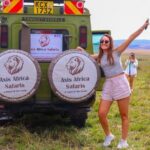
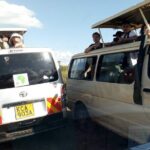
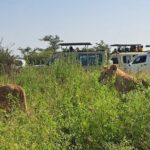
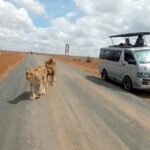
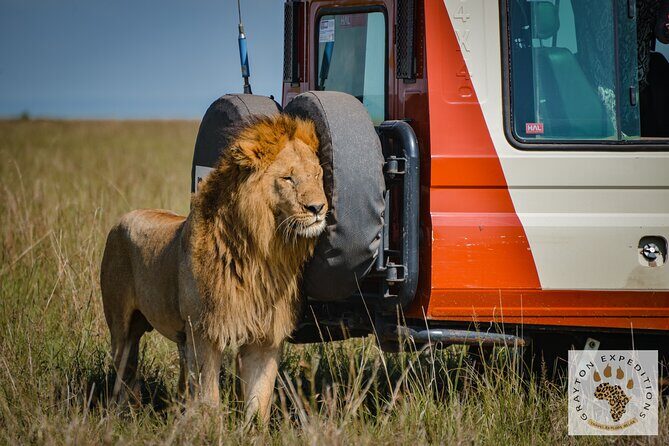
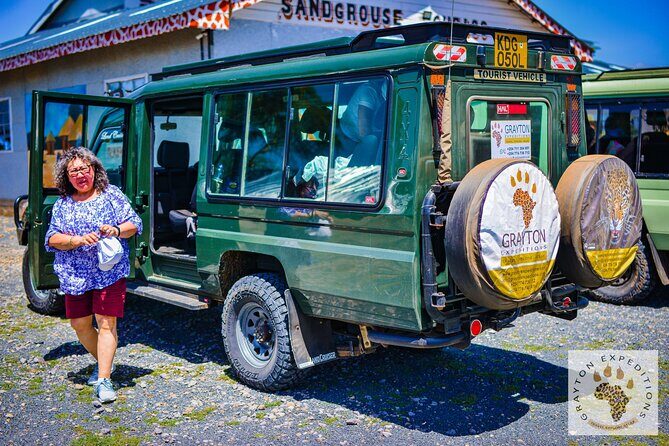
From Nairobi, you head into Masai Mara by customized 7-seater safari minivan with a pop-up roof. This isn’t just a detail. In open country, animals can be hard to track—small head turns, distant movement, or a flash through grass. A pop-up roof gives you that extra reach without you needing to stand in the vehicle or fight for angles.
Before you fully settle into the Mara, you stop at a Great Rift Valley viewpoint for photos. It’s a nice warm-up: you get the big-picture Rift Valley drama early, so later when you’re actually in the ecosystem, it feels more connected.
A few more Nairobi tours and experiences worth a look
Masai Mara game drives: pop-up roof, Mara River chances, and lion time
Masai Mara is where most people come for the classic big-game energy. The goal here is simple: get you out on the plains early, keep you moving through good habitat, and give you multiple chances rather than one rushed drive.
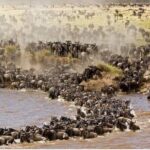
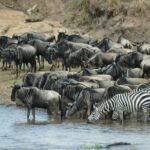
On the first Mara day, you’ll have lunch during the drive, then you’re set up for a first game drive right in the reserve. The plan also includes a point during your stay where you’ll be driven by the river area—this is often a prime setting for wildlife activity. If you’re hoping for animals to feel close and frequent (not rare and distant), the river sections are where that hope becomes more realistic.
You also get a photographer-friendly rhythm. You’re not stuck only with sunrise-and-sunset light; you’re in the reserve long enough for changing skies to work for you. That’s when you start to see patterns: how herds shift, where predators position, and how often birds are moving in the same corridors.
Day two is the heavy hitter. After breakfast, you go into the reserve with a picnic lunch box and spend the day on game drives. This gives you the best chance at the classic Mara mix: grazers, browsers, and the predators that watch them.
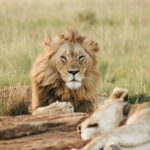
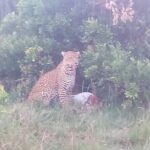
In the afternoon, the focus turns to big-cat odds, specifically time searching for the black-manned lion. I like that your schedule doesn’t just promise sightings in general. It aims at a specific kind of encounter and shifts to it later in the day when animals often become more visible in the field.
A practical note: game drives are still game drives. Sometimes you’ll get steady action; sometimes it’ll feel more like patience than fireworks. The advantage of doing two Mara days is you’re not banking everything on one single “everything happens today” window.
The budget rhythm: moving from the Mara to Nakuru with Rift Valley views
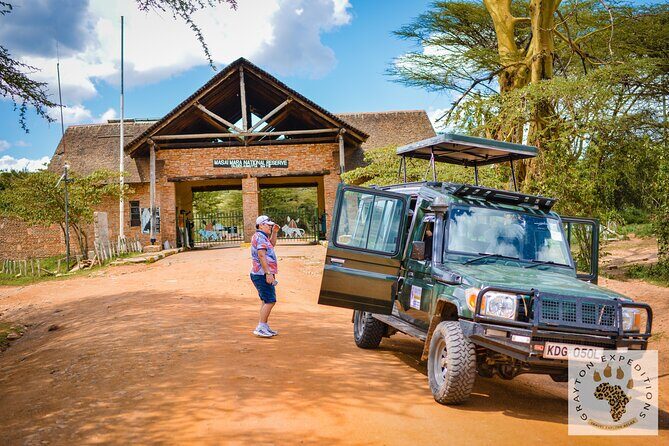
After two days in the Mara region, you head toward Nakuru. This travel day is not just a transfer. You’re given scenery breaks that help the drive feel like part of the safari instead of a forced lull.
You pause for lunch en route, and you’re treated to roadside vistas including views of Mt. Longmont and Lake Naivasha in the distance (weather and daylight will shape how much you can actually see). Those stretches are where you catch the Rift Valley’s long sightlines—the kind that make the whole region feel bigger than just the parks.
At the end of the day, you stay in a budget hotel with self-contained rooms. Budget doesn’t have to mean uncomfortable, but it does mean you should pack for basics: bring layers for early mornings, plan for simple but functional rooms, and expect fewer “resort-style extras” than luxury safaris.
One more helpful thought: since you’re on a shared safari van, this segment is usually about keeping the group coordinated. If someone gets car-sick easily, it’s smart to sit where the view is strongest and the ride feels smooth.
Lake Nakuru: flamingo country, rhinos on purpose, and wildlife patterns
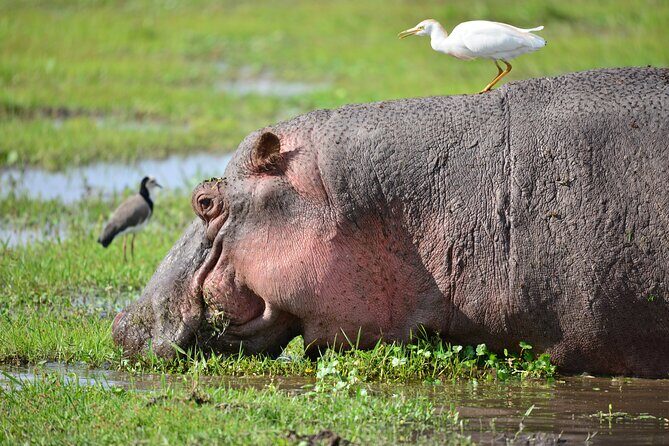
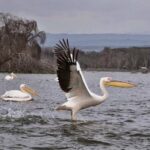
Lake Nakuru National Park is where the trip shifts from open savannah to a more concentrated wildlife-and-bird scene. This is also where you get one of the safari’s clearest “Kenya identity” moments: the chance of seeing the lake’s famous flamingo energy, plus the rhino sanctuary focus.
The day starts with an authentic African breakfast at your hotel, then you check out and head into Lake Nakuru. You’ll do registration before the main activities begin. After that, you’re guided into birdwatching around the lake.
Then comes a conservation-centered stop: the rhinoceros sanctuary, focused on both white and black rhinos. This is one of the more meaningful parts of the route because it frames rhinos not just as a checklist item, but as living targets of protection and survival planning.
Wildlife expectations here are specific. You’ll have a variety of Kenya wildlife opportunities, but the schedule notes that elephants and cheetahs aren’t expected in this park. That’s actually useful for your planning. You can shift your mental focus from “Big Five everywhere” to “right animals in the right places.”
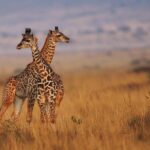
As you tour the park, you might spot animals such as lions, zebras, giraffes, impalas, antelopes, waterbucks, and more. The best trick is to slow down mentally. In parks with bird-and-lake features, you’ll often get better viewing by watching movement across the water and edges instead of only scanning for the loudest action.
If you’re a photographer, bring patience for light. The lake can change quickly, and the birds respond fast when winds shift.
Hell’s Gate on foot: gorges, Fischer’s Tower, and geothermal steam
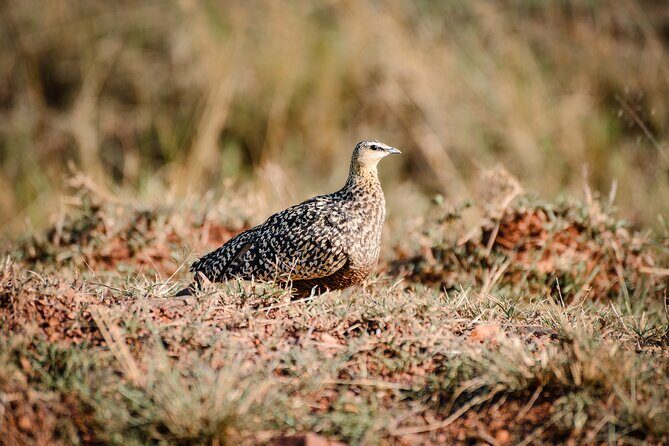
Hell’s Gate National Park is the wild card, and it’s a great one. This is the only walking and cycling park in the region as described for this experience, so you don’t just drive past scenery—you experience it.
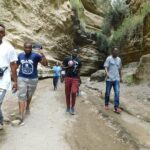
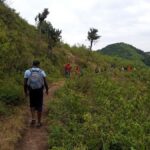
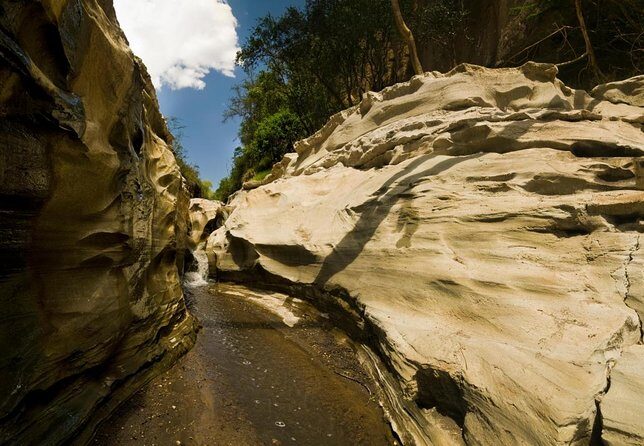
After early breakfast, you head to Hell’s Gate and do a guided walking tour. This is the moment where you feel what “safari” means beyond a vehicle. You’ll see towering cliffs and the Hell’s Gate gorge area up close, and you’ll be moving through a landscape where animals are present but your senses are sharper.
Hell’s Gate is also built around geological drama. One standout is Fischer’s Tower, a 25-meter volcanic rock formation. Even if you’re not a geology person (I’m not always one), it’s the kind of sight that makes the Rift Valley’s history feel real.
You’ll also visit the Olkaria Geothermal Power Station, where steam plumes rise from geothermal activity. This is one of those experiences that turns Kenya’s wildlife story into a wider environmental story. The same region that gives you Rift Valley cliffs also gives you energy and heat from beneath the ground.
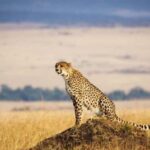
In terms of wildlife, the guided walk lists animals such as zebra, baboon, Thomson’s gazelle, antelope, cheetah, and leopard. Realistically, seeing predators on foot is never guaranteed, but walking the park increases your chance of noticing smaller signs—tracks, movement, and animals using routes you can actually observe.
After this, you drive back to Nairobi and arrive around 4:00 pm, then you’re dropped off at your Nairobi hotel or the airport. That timing matters. It means you can likely plan a return dinner without losing your whole evening to transport.
A few more Nairobi tours and experiences worth a look
Price and logistics: what the $553 covers, and what it doesn’t
At $553 per person for about five days and four nights, this is positioned as a budget safari. For many people, the value isn’t only the price—it’s the fact that your transport, guiding, and core meals are handled.
Here’s what’s included:
- Accommodation in a budget tented camp / hotel
- Shared transport in a safari van with a pop-up roof
- A professional English-speaking driver/guide
- Complimentary transfers in Nairobi CBD to the pick-up point
- 1 liter of bottled drinking water per day
- Meals: 4 breakfasts, 5 lunches, 4 dinners
- A mobile ticket
Not included (and important to budget for):
- Park entry fees (you’ll want to plan for this up front)
- Tips and gratuities, listed at $10 per person per day
- Alcohol and soft beverages
- Any possible government-imposed increases to park fees and taxes
- Flights
- Personal items
My practical take: the headline price looks good, but safaris live and die on park fees and tipping. If you show up thinking the $553 is “everything,” you’ll get surprised. If you treat it as “most of the safari is covered,” you’ll feel in control.
Also, you’re on a shared trip with a max group size of 9 travelers. That’s generally a sweet spot. Big groups can feel slow and noisy; tiny private trips cost more. Here, the group size helps you balance comfort and cost.
Who should book this safari (and who should think twice)

This tour makes the most sense for you if:
- You want a focused Kenya sampler: Masai Mara, Rift Valley scenery via road views, Lake Nakuru, and Hell’s Gate.
- You like structured guiding and don’t want to wrestle with vehicle logistics between parks.
- You’re comfortable with moderate activity—Hell’s Gate includes a guided walking portion.
- You’re traveling in a small group setting (max 9) and want a smoother experience than large bus tours.
Think twice if:
- You want full luxury lodging every night. This is budget tented camp/hotel style.
- You’re very sensitive to long drives. Kenya park-hopping means real time on the road, even when you get scenery breaks.
- You hate the idea of extra payments on arrival. Park fees and tips are part of the real total.
Should you book this 5-day Mara–Nakuru–Hell’s Gate safari?
Yes, if your priority is a practical, wildlife-heavy route that still includes a more personal Hell’s Gate experience on foot. The best “yes” sign is the combination of two Masai Mara game-drive days plus Lake Nakuru’s birding and rhino sanctuary focus. That mix helps you avoid the one-park regret that can happen when you only do one wildlife area.
Before you book, do two things:
1) Set aside extra money for park entry fees and tips ($10 per person per day).
2) Pack for early starts and walking at Hell’s Gate, since the day is designed around being out there, not just sitting in the vehicle.
If you want a route that feels like real Kenya—grasslands, lake birds, rhino conservation, and geothermal steam—this budget plan is a smart way to do it.
FAQ
How long is this safari?
It runs for about 5 days and 4 nights, covering Masai Mara, Lake Nakuru, and Hell’s Gate with Nairobi transfers.
Where does the tour start and end?
It starts at Portal Place House (Shop 31st Floor) in Nairobi and ends back at the same meeting point.
What’s included in the price?
Accommodation (budget tented camp/hotel), shared safari van transport, services of a professional English-speaking driver/guide, airport/hotel transfers to the pick-up point in Nairobi CBD, 1 liter of bottled water per day, and meals (4 breakfasts, 5 lunches, 4 dinners).
Are park entry fees included?
No. Park entry fees are not included, and government-imposed increases may apply.
Are flights included?
No. Domestic and international flights are not included.
What vehicle will you use?
You travel by shared safari van with a pop-up roof (customized 7-seater).
What activities are included at Hell’s Gate?
You’ll do a guided walking tour in Hell’s Gate National Park, and you’ll also visit the Olkaria Geothermal Power Station area.
What level of fitness do you need?
The tour notes a moderate physical fitness level is required because there is a guided walking tour.
How big is the group?
The maximum group size is 9 travelers.
What about cancellation?
Free cancellation is offered up to 24 hours in advance for a full refund. If you cancel within 24 hours, the amount paid is not refunded.