REVIEW · TIWI KENYA
Tiwi Beach: Guided Tour to the African Pool
Book on GetYourGuide →Operated by Blossom Kenya Safaris · Bookable on GetYourGuide
Africa-shaped water, and it’s real. On this Tiwi Beach guided trip from Diani, I like the small-group feel and the lead-in tuk-tuk ride that makes Tiwi feel lived-in, not staged. You’ll then walk along the coast to a pool shaped like the African continent, with clear water and tons of marine life you can watch up close.
My favorite part is how much you get from the guide once you’re in the shallows. Guides such as Florence, Zimba, Geoffrey, and Simba help you notice what matters—fish behavior, tide-pool life, and how the caves and cliffs shape the water. One drawback to plan for: this is a shoreline walk with uneven spots, so it’s not a good match if you have mobility limitations or if you’re prone to seasickness.
In This Review
- Key things I’d circle before you go
- Tiwi Beach from Diani: the tuk-tuk ride that sets the mood
- The walk to the African-shaped pool: caves, cliffs, and tiny tide pools
- The Africa Pool experience: swim time, clear water, and the Madagascar effect
- Wildlife you can actually see: octopuses, starfish, surgeon fish, and more
- Caves, cliffs, and the second pool area people talk about
- Price and included logistics: is $50 a fair deal?
- Who should book (and who should skip)
- Should you book the Tiwi Beach African Pool tour?
- FAQ
- Where is the tour pickup location?
- How long does the Tiwi Beach guided tour last?
- How do you get from Diani Beach to Tiwi Beach?
- Is the guide available in English?
- How big is the group?
- What can I do at the Africa-shaped pool?
- Can I see marine life during the walk?
- Are there rules about touching the ocean life or plants?
- What should I bring?
- Is the tour suitable for people with mobility impairments?
Key things I’d circle before you go
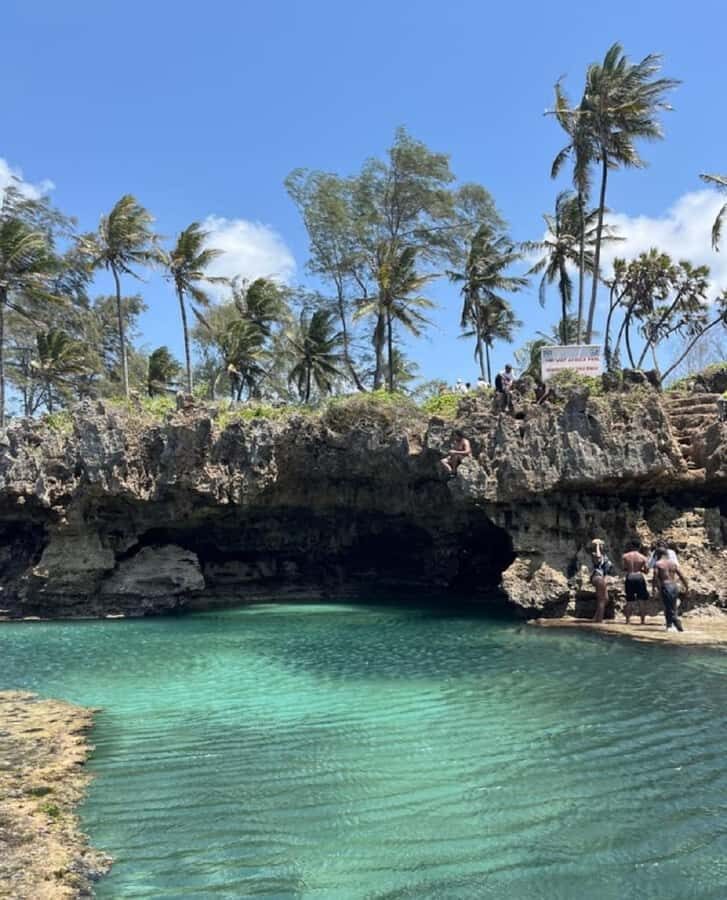
- Limited to 2 people means you’re not stuck following the slowest snorkeler or the loudest chatter
- Africa-shaped pool plus time in the water (about an hour) so it’s not just a photo stop
- Water shoes are key for the beach walk and for moving over rocky, shell-dotted edges
- Guide-led wildlife spotting (octopuses, starfish, surgeon fish, and more) without touching anything
- Caves and cliffs shaped by waves, with smaller tide pools all along the way
- Optional cliff jump if you’re comfortable climbing up nearby rocks
Tiwi Beach from Diani: the tuk-tuk ride that sets the mood
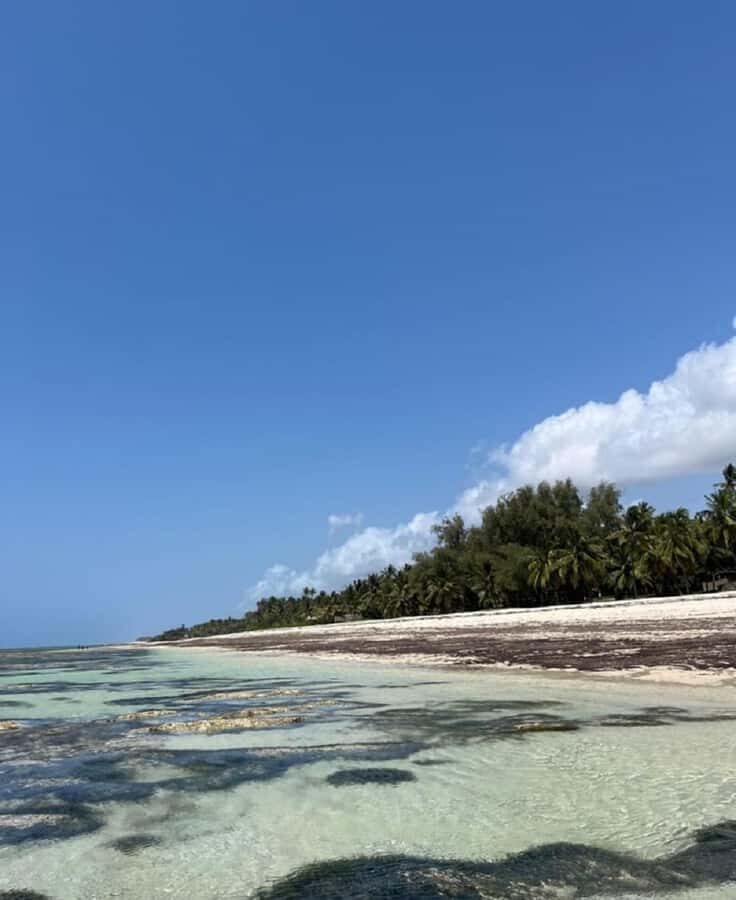
Your day starts with pickup from Diani Beach, then you hop into a tuk-tuk for a drive through Tiwi that takes about 40 minutes. This isn’t a long transfer, but it matters. You get a real sense of how the area works—roads, homes, and everyday rhythms—before you step onto the sand and start moving with purpose.
The pacing here is simple: you’re transported first, then you earn the view on foot. That’s one reason I like this tour style. You’re not bouncing around in a vehicle all day, and you’re not doing a rushed sprint between “must-see” spots. With a tour duration of 4 hours, you have time to enjoy the walk, spend meaningful time at the pool, and still get back without your whole day feeling hijacked.
The tuk-tuk also helps keep things practical. You’re not managing your own route, parking, or timing. And since the tour includes tuk-tuk transfer, you can focus on the experience instead of logistics. If you’re going with someone who gets restless in long car rides, this time window is friendly.
You can also read our reviews of more tours and experiences in Tiwi Kenya.

The walk to the African-shaped pool: caves, cliffs, and tiny tide pools
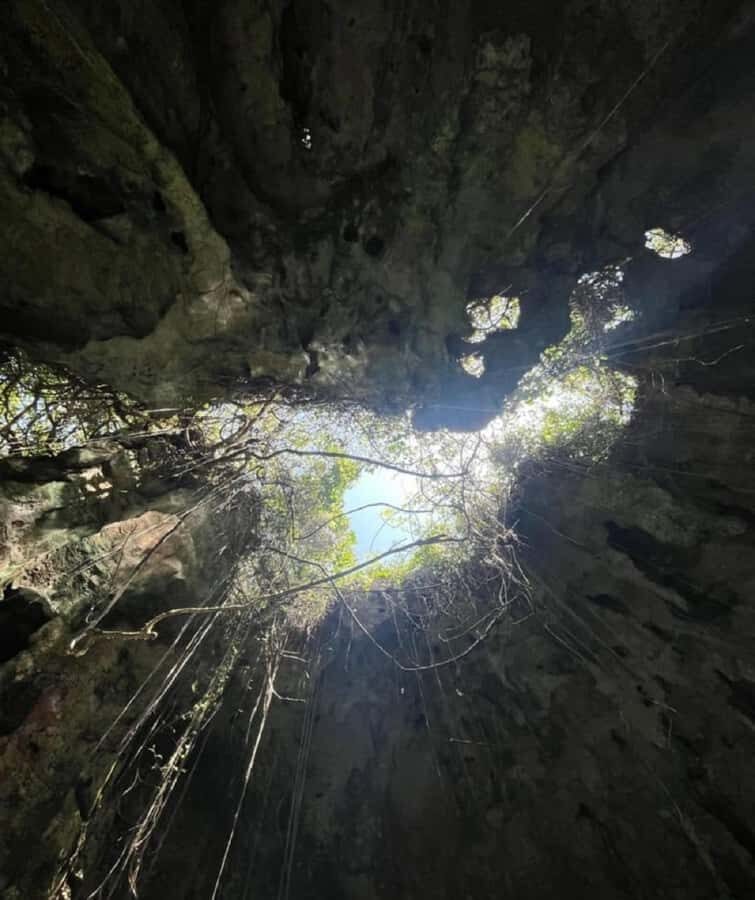
Once you arrive at Tiwi Beach, the tour shifts from transport to exploration. You’ll take a beach walk toward the pool, and this part is where the coastline starts telling its story.
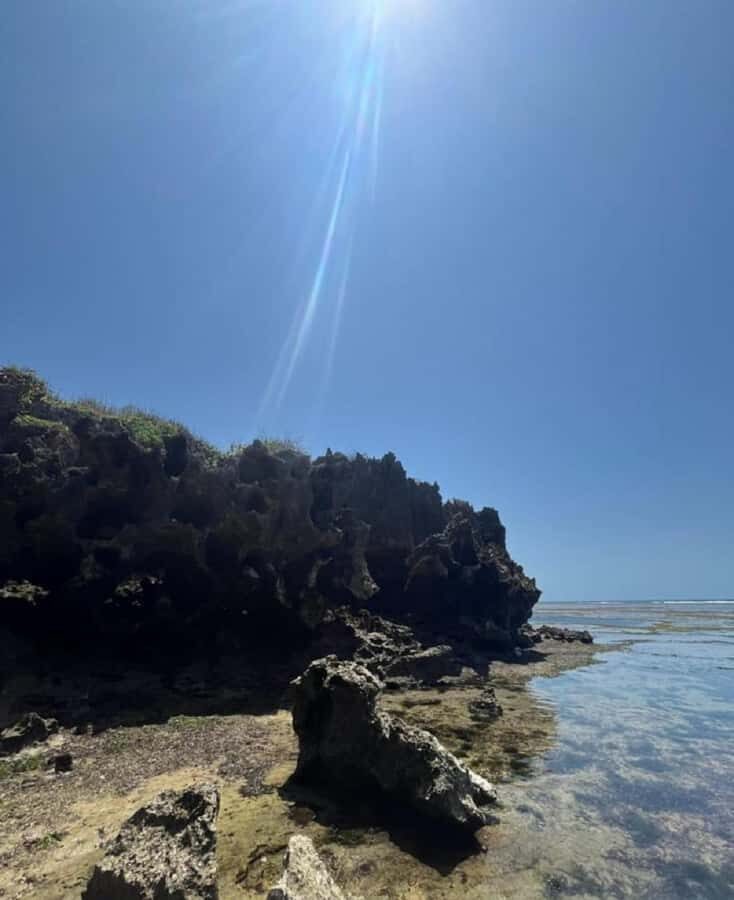
You’ll pass caves and cliffs with shapes made and remade by the ocean waves—especially during high tide. The cool thing is that you’re not just walking past scenery. You’re moving through a living shoreline system, where small pools form and hold marine life.
Along the way, you’ll notice lots of smaller pools that act like mini aquariums. Depending on the day and the tide, you might spot sea spiders, a red crab, sea urchins, and sea cucumbers, plus tiny colorful fish. You’re also likely to see starfish in shallow areas. The guide’s role is helpful here: they point out what’s easy to miss and explain why those tide pools look the way they do.
Do take the “no-touch” rule seriously. You’re not allowed to touch marine life or plants. That’s not just for safety—it’s about protecting the shoreline. Bring respect for the rules, and you’ll get a better look without damaging the habitat.
And bring water shoes. This isn’t a flat, clean promenade. The path is beach-adjacent and can be rocky and uneven, so traction matters.
The Africa Pool experience: swim time, clear water, and the Madagascar effect
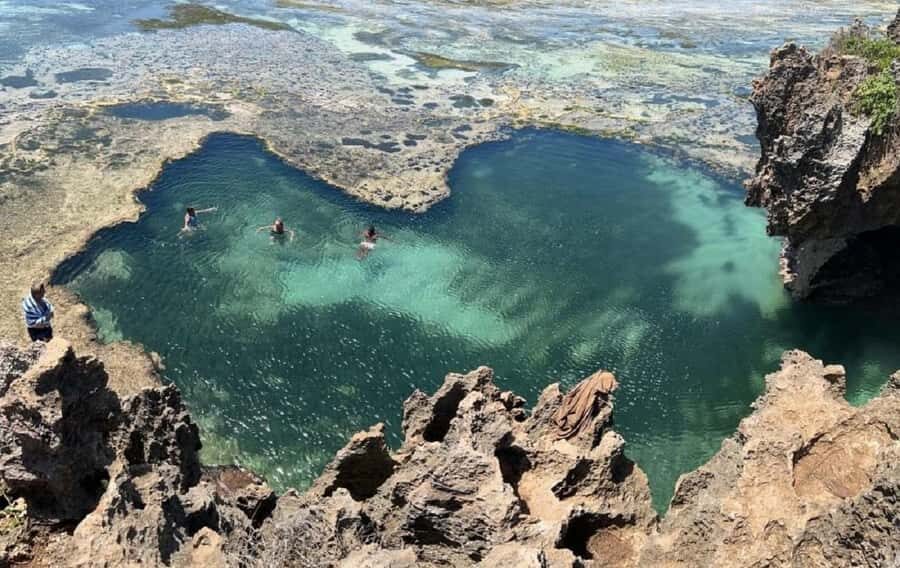
When you reach the African-shaped pool, the big payoff is immediate: you’re standing in a water feature that people describe as shaped like the African continent. Then you have about an hour to swim and soak up the sun there.
I like that the pool time is long enough for comfort. You’re not in and out with a stopwatch. You can float, watch fish patterns, and get your bearings while the water is still calm. The water is often described as clear, which makes a difference for wildlife spotting—especially when you’re keeping your distance and letting the guide point out what’s happening below the surface.
There’s also a fun visual angle: the tour highlights mention an island of Madagascar in the pool. You’ll likely notice how the water and rock contours create recognizable shapes. Even if you don’t see every “map” detail, the overall effect is why people remember this spot.
If you’re feeling daring, you may be able to climb nearby cliffs and jump into the pool from a nearby rock edge. This is optional, and it’s worth treating as a “only if you’re sure-footed” moment. The tour gives you the chance, but you should decide based on your comfort with heights and uneven surfaces. If you don’t want that risk, you can still enjoy plenty: swimming, floating, and watching marine life.
Wildlife you can actually see: octopuses, starfish, surgeon fish, and more
A lot of beach tours say “wildlife spotting.” This one is more useful because the coastline is full of micro-habitats—small pools, shallow edges, and places where fish hang out. The guide helps you see the difference between random movement and something you can identify.
The highlights include octopuses, starfish, and surgeon fish. That’s a nice mix because it’s not only “fish like you expect.” You’re also in an area where you might see other creatures from the tide-pool world: sea spiders, sea urchins, and sea cucumbers. Reviews also point to additional sightings like crabs and even lizards in the coastal zone.
Here’s the practical value for you: clear water plus guidance means you spend time observing, not guessing. And since you’re not touching anything, you’ll reduce the chance of disturbing animals (and you’ll keep the shoreline in good shape for future visits).
One more thing: swimming here tends to be relaxed rather than hardcore. You’re mostly in a pool-like setting with manageable entry points, so it’s a good option if you want marine life without a long open-water session.
Caves, cliffs, and the second pool area people talk about
The experience isn’t just “walk to Africa pool, swim, repeat.” You’ll also explore caves and cliffs along the route. The ocean is constantly working on these rocks, so the shapes you see today are the result of ongoing wave action, not a static backdrop.
You might also find a second pool area people refer to as the Australia pool. In that zone, there are additional cave-like sections where you can swim and even get into smaller water passages. Some descriptions also include exploring caves and walking on reef areas nearby. What that means for you: the day gives you variety within a short time window, so it doesn’t feel like one long swim activity with no change.
This is where having a guide matters again. Caves and cliff edges can look similar at first glance. A good guide helps you understand what’s safe, where marine life tends to gather, and where the best viewing spots are.
Also keep expectations realistic: conditions can be affected by tide and surf. If water is higher, some areas may be harder to access. When that happens, your guide can usually steer you toward the most workable spots that still fit the plan.
Price and included logistics: is $50 a fair deal?
At $50 per person for 4 hours, this tour sits in the “short, specific experience” category. That can be a good value when you’re getting more than scenery: a guided walk, a long enough swim window, and transport handled for you.
What’s included helps justify the price. You get hotel pickup and drop-off from Diani Beach, an English-speaking guide, government taxes and fees, and the tuk-tuk transfer. The “limited to 2 participants” setup is the other value piece. You’re paying not just for access, but for a more personal guide experience with less waiting and less crowd pressure.
My practical advice: treat this as a beach-and-life tour, not a long itinerary tour. If you want hours of stops, museums, or major land viewpoints, you might prefer a different type of day trip. But if you want water time, tide-pool wildlife, and a coastline walk led by someone who helps you notice details fast, the $50 price makes sense.
Who should book (and who should skip)
This tour is a strong fit if you:
- Want real time in the water (about an hour) rather than quick dip-and-go
- Enjoy wildlife observation and like learning what you’re seeing
- Prefer a small group so the guide can work at your pace
- Are comfortable with beach walking and a guided coastal route
It’s not ideal if you:
- Have mobility impairments (the route is not described as accessible, and you’ll be moving along shore terrain)
- Are prone to seasickness (the tour provider lists it as not suitable)
It’s also a good moment to match expectations to your comfort level. The cliff jump option is exciting, but it’s optional. You can still enjoy the Africa-shaped pool experience without taking the higher-risk route.
Finally, bring the right mindset: follow the rule about not touching marine life or plants. If you do, you’ll get better views and a more responsible experience overall.
Should you book the Tiwi Beach African Pool tour?
If you’re in Diani and you want something different from the usual beach day, I think this is a smart booking—especially for the mix of guided tide-pool life, a clear, Africa-shaped swimming pool, and a coastline walk that includes caves and cliff formations.
I’d book it if your ideal day includes water time, calm exploration, and a guide who can help you spot what’s worth noticing. I would think twice if you need easy accessibility or you’re worried about seasickness. And if you’re tempted by the cliff jump, decide based on your own footing and comfort.
If you want a compact, high-impact coastal experience with minimal hassle—pickup handled, guide included, small group size—this tour checks a lot of boxes.
FAQ
Where is the tour pickup location?
Pickup is from Diani Beach.
How long does the Tiwi Beach guided tour last?
The duration is 4 hours.
How do you get from Diani Beach to Tiwi Beach?
You travel by tuk-tuk, which takes about 40 minutes.
Is the guide available in English?
Yes, the tour includes an English-speaking guide.
How big is the group?
The group is limited to 2 participants.
What can I do at the Africa-shaped pool?
You can swim and soak up the sun for about an hour, and there’s also an opportunity to climb nearby cliffs and jump into the pool if you feel comfortable.
Can I see marine life during the walk?
Yes. Along the beach walk you’ll pass smaller pools and may see creatures such as sea spiders, a red crab, sea urchins, and sea cucumbers, with additional fish life near the pools.
Are there rules about touching the ocean life or plants?
Yes. You’re not allowed to touch marine life or plants.
What should I bring?
Bring beachwear and water shoes.
Is the tour suitable for people with mobility impairments?
No, it is not suitable for people with mobility impairments.