REVIEW · NAIROBI
Elephant Orphanage, Giraffe Center & Bomas of Kenya Day Tour
Book on Viator →Operated by Rustic Nature Tours · Bookable on Viator
Nairobi can feel wild and human at once. This 7-hour day tour stacks giraffe conservation with close-up baby elephants, then finishes with cultural performances at Bomas of Kenya. You’ll also get round-trip hotel pickup and drop-off, so you’re not wrestling transport between scattered stops.
I love the eye-to-eye moment at the Giraffe Centre’s raised platform, where you’re up close with Rothschild giraffes. I also love the timed Sheldrick visit that lets you watch baby elephants relax, play, and even enjoy bottle milk during the guided hour at the sanctuary’s daily window.
One thing to consider: it’s a tight schedule in the middle of Nairobi, especially around the 11 a.m. to noon Sheldrick timing, so expect a full day and plan your lunch around it.
In This Review
- Key highlights to know before you go
- Giraffe Centre: eye-to-eye with Rothschild giraffes
- Sheldrick Wildlife Trust: the one-hour window for baby elephant feeding and play
- KOBE TOUGH beads & leather: craft with a social mission
- Bomas of Kenya: 30+ dances and homestead-style cultural performances
- How the 7-hour route works in Nairobi
- Price and value: what $125 really buys you
- Who should book this day tour?
- Should you book the Elephant Orphanage, Giraffe Centre & Bomas of Kenya tour?
- FAQ
- What’s the total duration of the tour?
- Do I get hotel pickup and drop-off?
- Is the tour private or shared?
- How long do I spend at the Giraffe Centre?
- When do I visit Sheldrick Wildlife Trust?
- Is admission to the elephant orphanage included?
- Is lunch included?
- Do I visit KOBE TOUGH, and how long is it?
- What can I expect at Bomas of Kenya?
- Can I use cash for fees at the gate?
Key highlights to know before you go
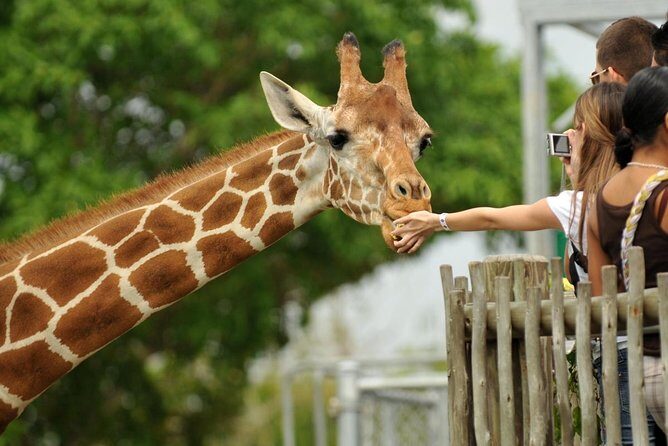
- Eye-to-eye giraffe viewing from an elevated platform focused on Rothschild giraffe conservation
- Sheldrick’s daily 11 a.m.–noon guided session, built around what happens in the nursery that hour
- Baby elephant “milk, mud, sand” moments, including relaxed play and photo opportunities
- KOBE TOUGH craft stop that supports women empowerment through bead and leather work by single parents
- Bomas of Kenya performances with 30+ dances and big-energy Samburu and Maasai warrior showcases
- A chance to join the fun if the dancers invite you to move along with them
Giraffe Centre: eye-to-eye with Rothschild giraffes
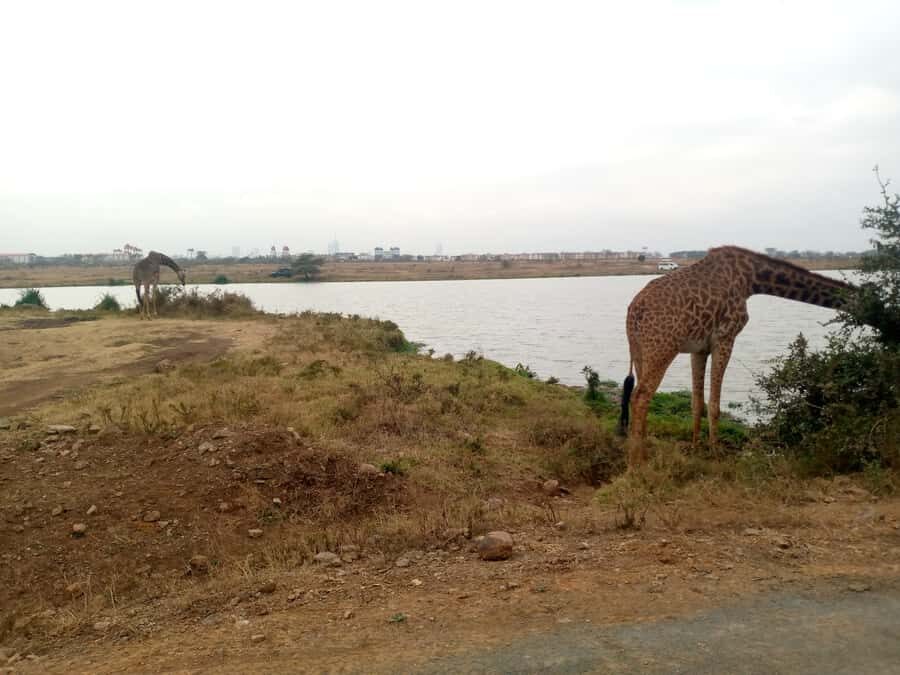
The day starts at the Giraffe Centre, where the focus is conservation for an endangered Rothschild giraffe sub-species. From a raised observation platform, you don’t just watch from afar. You’re positioned to be at a comfortable viewing height, so it feels personal—like the giraffes are part of your day, not just background wildlife.
What I like here is that the visit is structured. You’ll have the chance to appreciate the giraffes under professional supervision, and you can learn why this sub-species needs help. If you want more context, there’s also an auditorium where talks cover giraffe conservation and what the center does beyond just daily viewing.
The practical upside: this is one of the easiest wildlife moments in Nairobi. You get close without long drives. And since the first stop is about an hour, it helps you build momentum early before the rest of the day gets busy.
Tip: bring a camera you can handle one-handed. You’ll likely be switching between watching, framing, and taking photos when the giraffes move closer to the platform.
You can also read our reviews of more tours and experiences in Nairobi.



Sheldrick Wildlife Trust: the one-hour window for baby elephant feeding and play
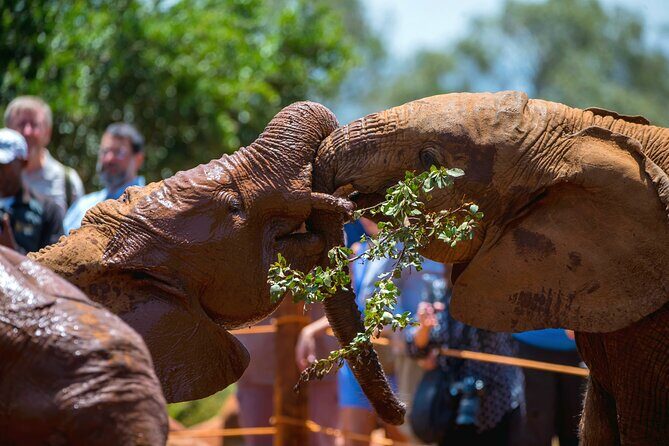
Next comes the elephant portion: a guided session at the Sheldrick Wildlife Trust. This is time-specific—your visit happens between 11 a.m. and noon daily—so you want to be on schedule. The payoff is worth it. You’re not just looking at elephants behind barriers. You’re watching their care routine up close.
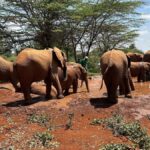
During this hour, you’ll be guided by experienced guides and keepers who explain elephant conservation in Kenya. Then you get the real visual story: baby elephants bottle-feeding, sandbath play, and mud-bath cool-down time on hot days. That mix of activity is what makes the hour feel lively rather than stiff.
You also have an option to adopt or sponsor an orphaned baby elephant of your choice. That’s a meaningful way to turn your visit into longer-term support, and it helps explain why this sanctuary runs the way it does—care today, rehabilitation for tomorrow.
This stop is also where you’ll likely see the most emotion in the day. Bottle milk moments are usually the highlight for families and first-time visitors. Mud and sand time, though, is often the surprise. It’s a reminder that these are young animals doing animal things, not just “cute props for photos.”
Small consideration: because the visit is scheduled tightly, don’t plan to wander for long. Arrive ready to focus for that hour.
KOBE TOUGH beads & leather: craft with a social mission
After elephants, the tour shifts to something calmer: KOBE TOUGH beads & leather. This is a workshop-style stop where you can see stages of bead-making from start to finish. If you like souvenirs that aren’t mass-produced, this is the kind of place where the story matters as much as the product.
Here’s why this stop feels different: it’s described as a women empowerment center. It supports single mother parents from nearby poorer neighborhoods, giving them a way to earn a living and support their families. So when you watch the process, you’re also seeing how work creates real opportunity.
The time is short—about 30 minutes—and admission is free. That makes it a good breather in the middle of a full day. It also gives you something to do that doesn’t require waiting for animals to behave on cue, which is refreshing after conservation sites.
Practical tip: If you’re thinking of buying beads or leather items, keep an eye on what you like before the next stop starts. You can’t count on having a long shopping window here.
Bomas of Kenya: 30+ dances and homestead-style cultural performances
After lunch (available for purchase, and you can go at your pleasure), you’ll head to Bomas of Kenya, one of the best ways to experience Kenyan cultural performance in Nairobi. This venue preserves and promotes cultural values across Kenya’s communities through daily shows and homestead visits.
What you’re looking at is more than a dance show. Expect traditional folklore dances and a chance to explore different homesteads to see the real-life feel of cultural setups. The performances include more than 30 traditional dances, and one of the most impressive sections features Samburu and Maasai warriors.
I like Bomas because it’s both structured and fun. There’s an information side—so you understand what you’re seeing—and then there’s the stage energy. The dances are the main event, but the context makes them land better.
Also, this is a place where you might get pulled into the moment. If dancers invite you to participate, it’s a chance to do something playful and low-pressure with the performers, not just watch from your seat.
Heads up: you’ll be there for around 3 hours, so plan for sitting, standing, and movement. If you’re sensitive to sun or heat, consider what you’ll wear and bring water.
How the 7-hour route works in Nairobi
This is built as a round-trip day tour from your hotel, with private transport and bottled drinking water. That matters in Nairobi, because you’re saving time and stress that comes from figuring out rides between separate locations.
In a practical sense, here’s how the pacing adds up:
- About 1 hour at the Giraffe Centre
- About 1 hour at Sheldrick (strictly between 11 a.m. and noon)
- 30 minutes at KOBE TOUGH
- About 3 hours at Bomas of Kenya
That totals the planned activity time, plus travel between stops and time for lunch. Since Sheldrick has that fixed daily window, the rest of the day tends to run like clockwork around it.
What to watch for:
- City timing: Nairobi roads can shift your travel time. Your driver’s job is to keep the day on track.
- Lunch choice: lunch isn’t included, so decide how much you want to spend and how quickly you prefer to move on.
If you’ve got a first-day Nairobi itinerary and you want wildlife plus culture without changing cities, this route is a strong way to get value fast.

Price and value: what $125 really buys you
At $125 per person, this tour sits in the “worth it for a full day” category. The reason is simple: several entries are included, and you’re also getting transport that removes the biggest friction—getting between distant locations on your own.
Included costs cover:
- Pickup and drop-off
- Private transport and bottled water
- Admission to the Giraffe Centre
- Entry/admission to the elephant orphanage experience
- Admission at Bomas of Kenya
There are a couple items not included. Lunch is available to purchase, and tips and gratuities are on you. Also, the details list an additional Sheldrick Wildlife Trust Conservation Park Fee as not included, so budget for that possibility.
So is it good value? For most people, yes—because you’re paying once for a structured day: conservation learning, close animal viewing, and a cultural performance block. If you tried to piece this together yourself, you’d lose time on transport and coordination, and you’d likely pay similar totals in scattered tickets plus rides.
Best use of this value: if you only have one full day in Nairobi, and you want both wildlife and culture in the same itinerary.
Who should book this day tour?
This tour is especially good if you want:
- A short, organized wildlife experience without leaving Nairobi
- A meaningful conservation story, with giraffe conservation and baby elephant care in focus
- Culture you can actually watch and understand, not just read about
It also suits people who like a guide to connect the dots. A local driver with personalized insights helps make travel between stops feel purposeful rather than like sightseeing errands.
In a review I found helpful, the guide Victor made a real difference by keeping the explanations clear and making sure the day flowed. That’s often what you want from a private-style day tour: someone who can answer the questions you’re already thinking.
If you don’t like scheduled tours, this one might feel full. But if you want a packed day with real highlights, it’s a strong pick.
Should you book the Elephant Orphanage, Giraffe Centre & Bomas of Kenya tour?
I’d book it if you want a balanced Nairobi day—wildlife first, culture after, all in a single plan. The giraffe viewing adds a conservation angle that goes beyond a quick photo, and the Sheldrick hour is timed to when the nursery is most active. Then Bomas turns the day from animal care into human heritage, with performances that last long enough to actually feel like an event.
I’d think twice if you’re the type who hates tight timing. The Sheldrick visit is fixed between 11 a.m. and noon, and the rest of the day follows that anchor.
If you’re trying to make the most of limited time in Nairobi and you want your day to feel both learning-focused and genuinely fun, this is one of the better ways to do it.
FAQ
What’s the total duration of the tour?
The tour runs about 7 hours (approx.), including time at each stop and travel between them.
Do I get hotel pickup and drop-off?
Yes. Pickup and drop-off are included.
Is the tour private or shared?
It’s private. Only your group participates.
How long do I spend at the Giraffe Centre?
You’ll have about 1 hour at the Giraffe Centre, and admission is included.
When do I visit Sheldrick Wildlife Trust?
The guided elephant session happens between 11 a.m. and noon daily, and it lasts about 1 hour.
Is admission to the elephant orphanage included?
Entry/admission to the elephant orphanage is included, but there is also a Sheldrick Wildlife Trust Conservation Park Fee listed as not included.
Is lunch included?
No. Lunch is available for purchase.
Do I visit KOBE TOUGH, and how long is it?
Yes. You’ll spend about 30 minutes at KOBE TOUGH, and admission there is free.
What can I expect at Bomas of Kenya?
You’ll spend about 3 hours there. Expect traditional folklore dances from Kenya’s communities, with more than 30 dances, including Samburu and Maasai warrior performances.
Can I use cash for fees at the gate?
Statutory fees are paid using the E-citizen platform online only, and no cash is accepted at the gate.