REVIEW · KENYA
Masai Mara: 3-Day Group Joining Safari by Land Cruiser
Book on GetYourGuide →Operated by Joyina safaris Africa · Bookable on GetYourGuide
Masai Mara calls, and your days fly by. On this 3-day joining safari, I like the open-roof Land Cruiser game drives and the private tent setup with hot shower and private bathroom. One thing to plan for: Masai Mara park entry fees are separate and can add up fast.
You’ll travel as a small group with a professional English-speaking guide/driver, and you’ll feel the difference in how they steer you for sightings. My favorite detail is how drivers like Benson work hard to position the car close to the action, not just drive around.
Expect a long day of roads on day 1, then an early start for sunrise on day 3. It’s not a quick hop, but the rhythm gives you daylight wildlife time, plus proper camp downtime, including mosquito nets and a shower when evening cools off.
In This Review
- Key Things to Know Before You Go
- Masai Mara in three days: what the Land Cruiser rhythm looks like
- Nairobi to the Mara: Rift Valley viewpoints and your first game-drive window
- Where you sleep: private tent comfort, hot showers, and night-dark reality
- Big Five search and the Mara River crossing chase
- Masai village visit: how the culture stop fits (and what to budget)
- Price and logistics: what $240 really means with park fees
- Who this safari suits best (and who should rethink the fit)
- Practical tips: timing, comfort, and how to get better sightings
- Should you book this Masai Mara 3-day group safari?
- FAQ
- What does the $240 price include?
- Are Masai Mara park entry fees included?
- How long is the safari?
- What type of accommodation do you get?
- What game viewing times are planned?
- Is the safari a group trip or private?
- Is a Masai village visit included?
- Is the balloon ride included?
- Where are pickup and drop-off locations?
Key Things to Know Before You Go
- Hot-shower private tent comfort: bed linen, mosquito nets, private toilet, and wall sockets
- Open-roof 4WD for real viewing: ideal for photography and close-to-the-road sightings
- Two game-drive days plus a sunset window: afternoon to evening on day 1, full day 2, early morning day 3
- Mara River focus: you’ll head toward the river area to watch for wildebeest movement from Serengeti
- Masai village optional stop: cultural dance and lifestyle learning, usually about 2 hours
- Cost reality check: your base price excludes park entry fees, which change by season
Masai Mara in three days: what the Land Cruiser rhythm looks like
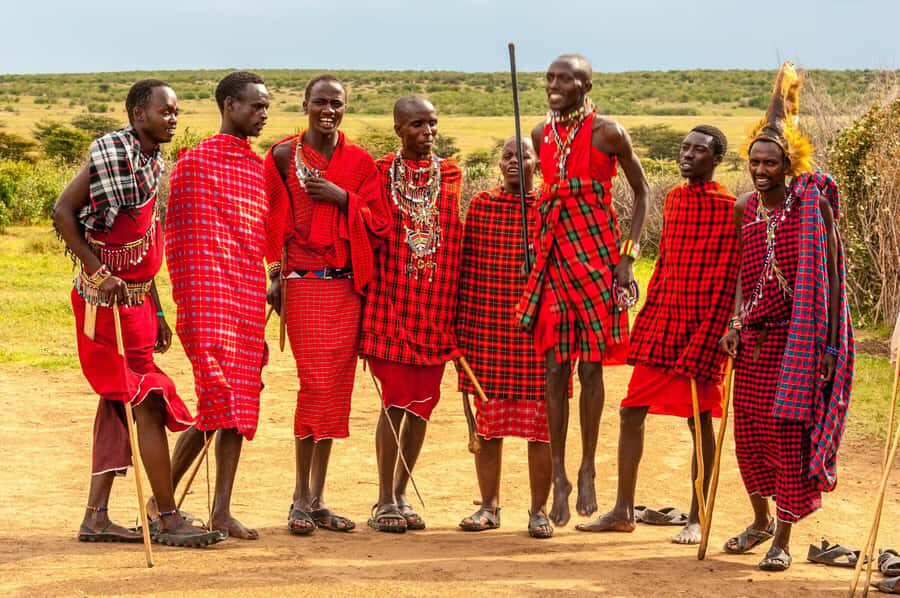
This safari works because it keeps the schedule simple. Day 1 is all about getting you out of Nairobi and into the Mara for a first wildlife window. Day 2 is your big day—full-time searching, long drives, and picnic lunches inside the reserve. Day 3 is early and practical: a sunrise moment, breakfast, and then back to Nairobi by mid-afternoon.
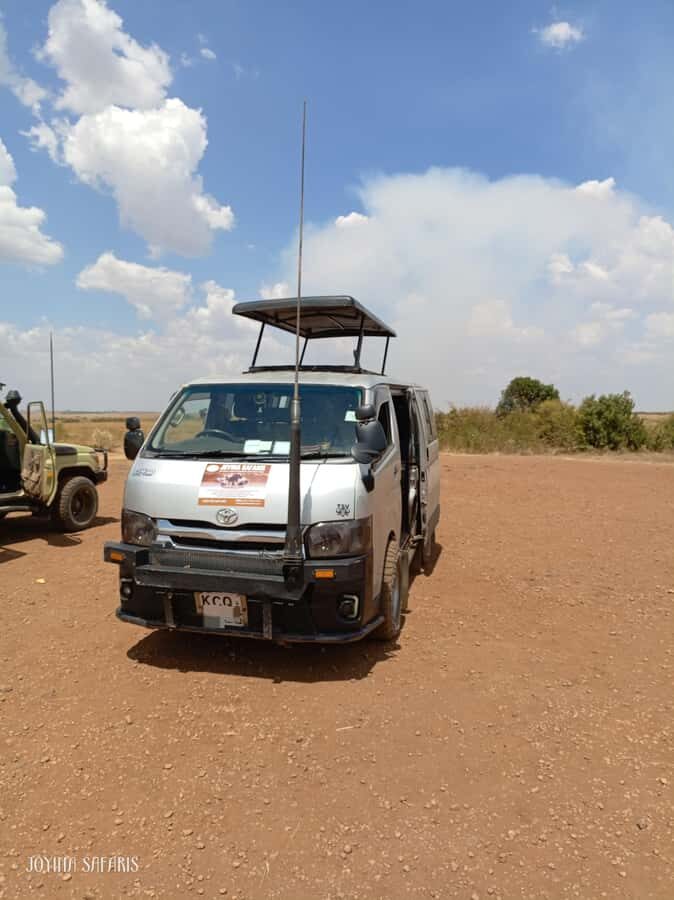
You travel in an open-roof 4WD Land Cruiser with a driver-guide. That open top matters. It helps you spot movement quicker, gives cleaner sightlines, and makes it easier to photograph without that “everyone is blocked by a headrest” problem.
The safari is listed as a joining safari with guaranteed departures, so you’re not booking a private vehicle. That can be a plus if you like meeting people and keeping costs reasonable. Just know you’ll share the experience—car timing and seating decisions are part of that tradeoff.
Wildlife viewing is built into the plan through “sunrise/sunset” style drives plus extensive game drives. And the camp setup is designed for comfort after the dust and heat—hot shower at camp, private toilet, and mosquito nets for sleep. One of the best touches from real-world experience here is that the camp team helps you safely at night when it’s truly dark.
A few more Kenya tours and experiences worth a look
Nairobi to the Mara: Rift Valley viewpoints and your first game-drive window
Pickup is offered from Nairobi CBD hotels and Westlands hotels near the highway. If you’re outside those pick-up zones, the meeting point is outside City Market on Muindi Mbingu Street. Either way, you’re in for a proper road transfer.
Day 1 starts with a drive out of Nairobi through the Great Rift Valley viewpoint area (a short stop, about 30 minutes). This is your “take a breath” moment—when the terrain changes, you can feel you’re leaving the city world behind.
Then you continue to Maasai Mara for lunch and check-in at camp. Your first game drive is timed for late afternoon into early evening, roughly 4:00pm to 6:30pm. That window is useful. Animals often move more as the sun drops, and the light is better for spotting and photos.
When you return to camp, dinner is included (a buffet style meal is mentioned), and you sleep in a private tent with bed linen, mosquito netting, and a hot shower in the evening. If you’ve ever been on safari where the “tent shower” is basically a rumor, this one is clearer: the camp tents are equipped for actual comfort, including a private bathroom and wall sockets.
Where you sleep: private tent comfort, hot showers, and night-dark reality
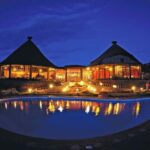
The overnight stay is one of the strongest reasons this safari works for many people. You’re not sleeping in a shared dorm or a basic camp setup. You’re in a big private tent with a bed, linen, mosquito nets, and a shower/toilet inside.
Key comfort points that matter in real life:
- Hot shower in the evening so you can actually clean up after dust and sun
- Private toilet inside your tent (not a scramble, not an outdoor walk in the dark)
- Wall sockets so you can charge phones/cameras
- Private bathroom setup to make mornings and late nights more relaxed
And here’s the thing that people often forget: safari nights can be very dark. It’s not just “a little darker than town.” The camp staff walk with you using flashlights if needed, so you’re not stumbling around wondering what’s where.
If you get cold easily, pack for it. Even though you’ll have hot shower comfort inside, nights in the Mara can feel cooler than Nairobi. Lightweight layers help. Also, keep your headlamp or flashlight handy, even if staff guide you—having your own makes you feel less dependent.
Big Five search and the Mara River crossing chase
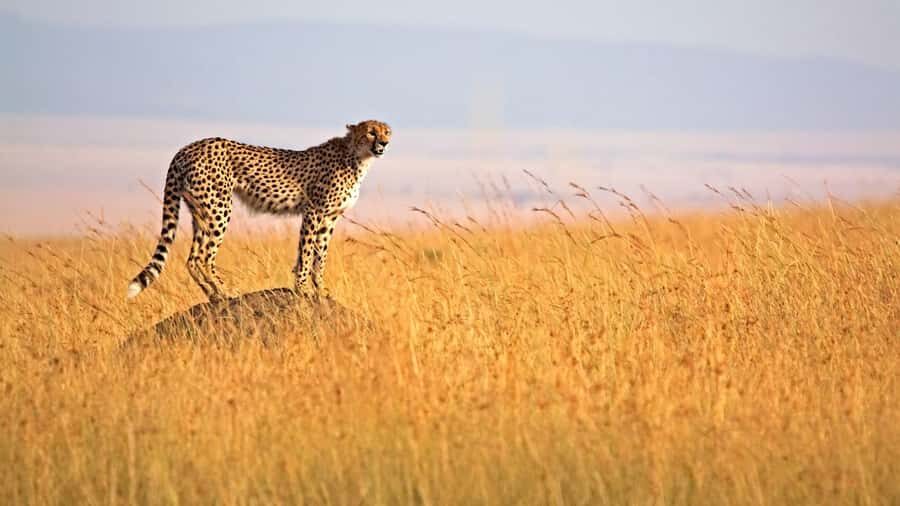
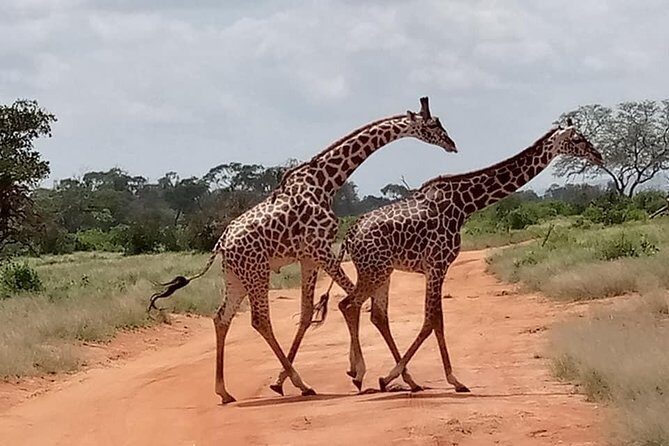
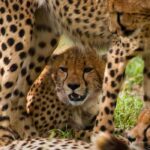
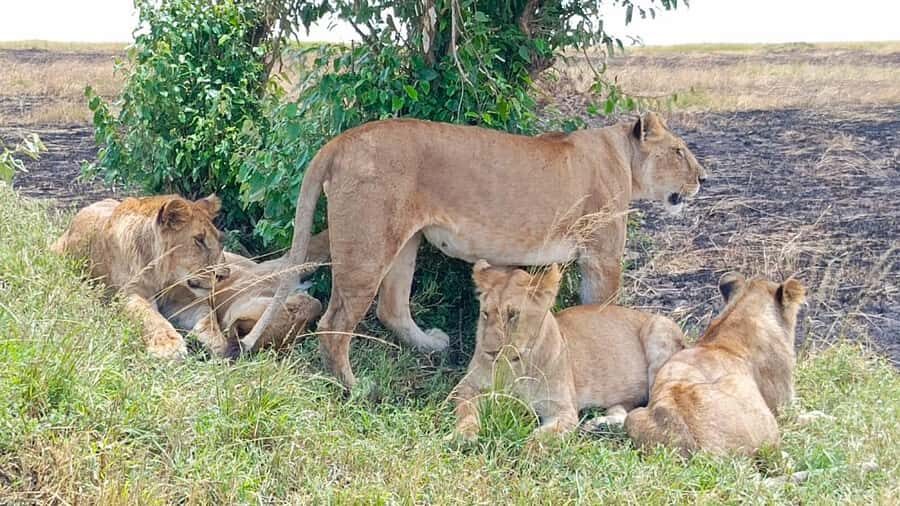
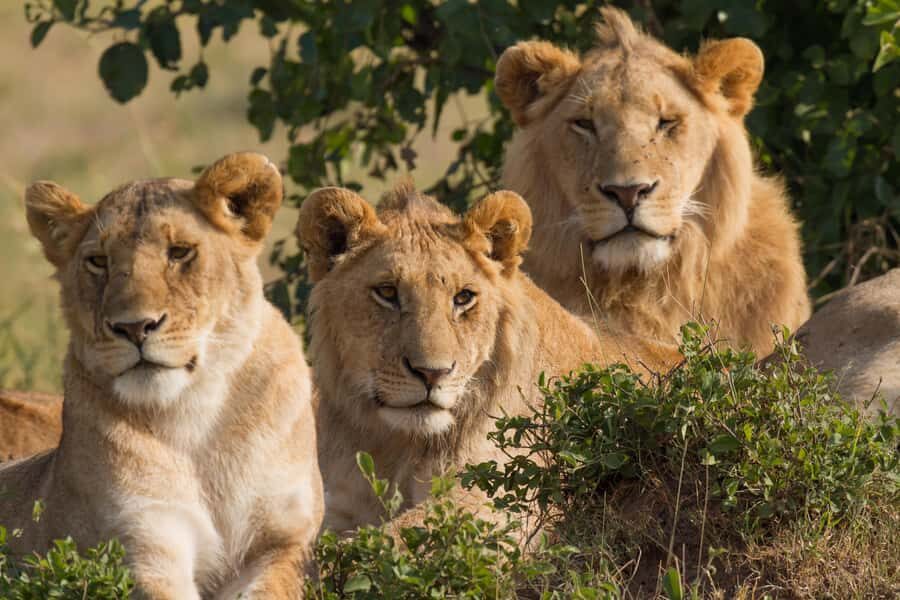
Day 2 is the heart of the trip: a full day exploring Masai Mara National Reserve in search of the Big Five. You’ll spend real time out in the reserve, not just a short loop drive.
A detail worth noting is the picnic lunch inside the reserve. It keeps you on the wildlife schedule. When you don’t have to rush back and forth to camp for meals, you get more “eyes-on-safari” time.
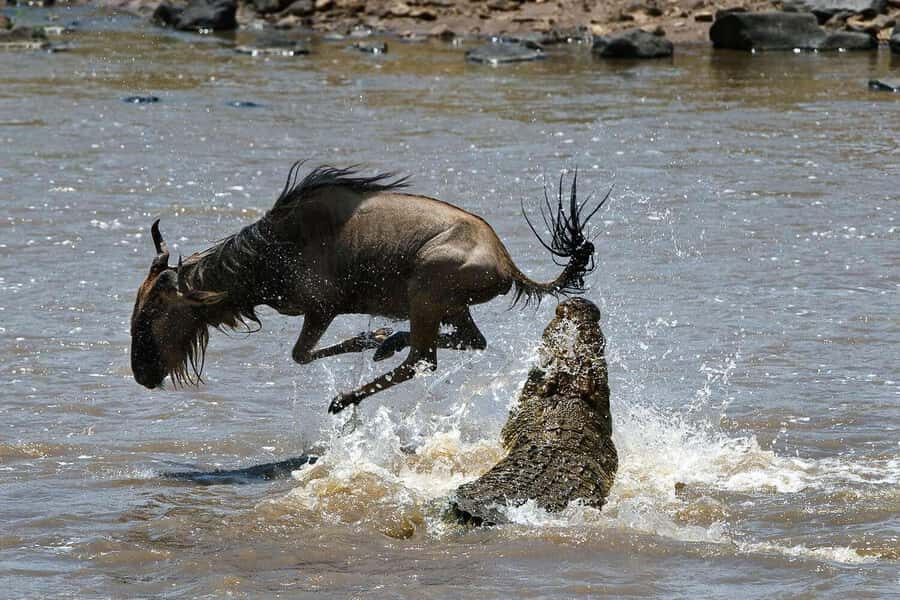
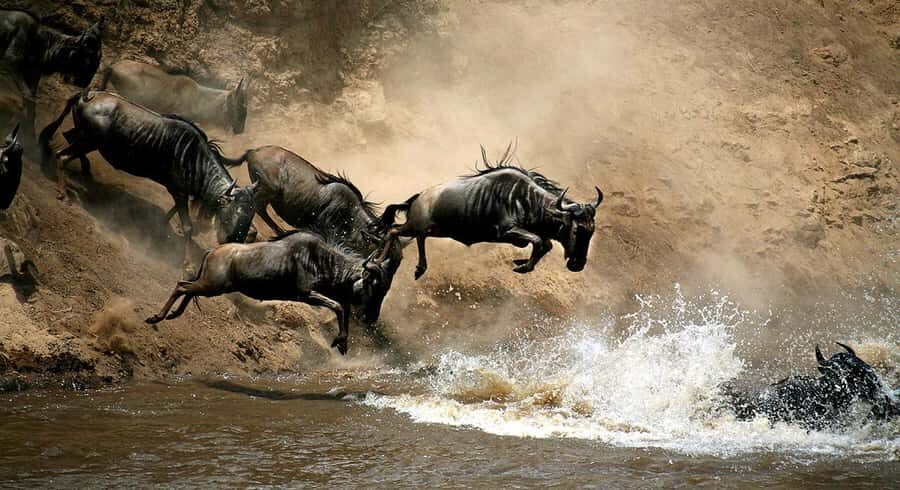
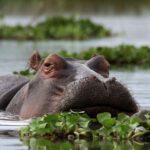
You also go toward the river area where wildebeest can cross from Serengeti into the Mara region. The plan says this happens all year round in terms of opportunities to see movement, and the river banks are also where you can look for resident hippos and crocodiles.
So what should you expect from the viewing style?
- Lots of scanning for movement from the open-roof vehicle
- Longer drives in search of better sightings
- Time at the right spots rather than constant “drive-drive-drive”
This is where the guide quality matters. Guides like Samy are described as doing an excellent job, and that shows up in the way the car is positioned and how quickly you’re redirected to something worth seeing. A good guide doesn’t just point. They help you interpret what you’re looking at—tracks, posture, distance, and the meaning of a cluster of animals.
If you’re chasing specific animals, adjust your mindset. Safari sightings are never guaranteed on a clock. But the itinerary is built to maximize your chances: extensive game drives, full day 2, and the right habitats (open plains and the river zone).
Masai village visit: how the culture stop fits (and what to budget)
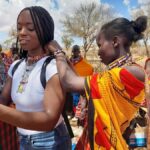
On day 3, after breakfast and a sunrise moment, you head back toward Nairobi. Along the way, the driver can organize an optional Masai village visit for an additional fee of $20 per person.
This isn’t presented as a “quick photo stop.” The program describes a village visit with entertainment through Masai dance and learning about lifestyle. The itinerary lists the village part as about 2 hours, which is long enough to be more than a handshake-and-walkby moment.
Should you do it? If you want a taste of local culture and you’re respectful about how you watch and participate, it’s a nice add-on. If you’re mainly focused on nonstop wildlife time, you can skip it and keep the day purely safari-to-road.
Either way, the schedule keeps you comfortable: you’re still aiming to reach Nairobi around 3:00pm with drop-off in Nairobi CBD or Westlands areas.
A few more Kenya tours and experiences worth a look
Price and logistics: what $240 really means with park fees
Let’s talk money honestly, because park fees are the big variable here.
- Safari base price: $240 per person (3-day group joining safari by Land Cruiser)
- Park entry fees (separate):
- $200 per person for low season (Jan 1 to Jun 30, 2024)
- $400 per person for high season (Jul 1 to Dec 31, 2024)
- Masai village visit: $20 per person (optional)
- Hot-air balloon ride: $450 per person (optional)
- Alcohol: not included
So your realistic total, excluding optional extras, looks like:
- Low season: $240 + $200 = $440
- High season: $240 + $400 = $640
What you get for that cost:
- Round-trip land transport between Nairobi and the reserve
- Two nights in a private tent with hot shower, private toilet, and wall sockets
- Three meals a day while on safari
- Extensive game drives in an open-roof 4WD Land Cruiser
- Drinking water provided in the vehicle during drives
- English-speaking guide/driver and safety briefing
That’s solid value on paper—especially for the tent comfort and the fact you’re getting full wildlife time on day 2. But plan your budget for park fees first, not last. It’s the difference between a “good deal” trip and a “wait, what?” invoice at the end.
Who this safari suits best (and who should rethink the fit)
This safari is labeled as suitable for everyone, and the practical structure supports that. You’re not doing technical hikes or long walks. You’re spending your time in the car and at camp, with meals handled.
It’s a good match if:
- You want a classic Masai Mara circuit without complicated planning
- You care about comfort in camp—hot shower and private toilet are real benefits
- You like group energy but still want a proper safari vehicle and schedule
- You want a cultural moment added on day 3 (optional)
It might be less ideal if:
- You can’t handle long road travel. Day 1 includes a major Nairobi-to-Mara drive, and some people find it tough (it’s described as 6+ hours of car time).
- You’re someone who hates fixed group timing. Joining safaris mean you follow the group pace.
If your travel style is flexible and you’re okay with the road-to-wildlife-to-camp rhythm, this works well.
Practical tips: timing, comfort, and how to get better sightings
A few real-world pointers make this safari smoother:
1) Pack for dust and sun, not city weather. Days can be bright and dry. Bring sunglasses, sunscreen, and a hat. Light layers work well because mornings and evenings can feel different.
2) Bring what helps you see. If you have binoculars, bring them. The reserve is wide, and wildlife can be far. Even a phone with a zoom lens is helpful, but binoculars are the bigger win.
3) Use the “right moments” the itinerary gives you. The schedule includes sunset viewing on day 1 and a sunrise start on day 3. Those early hours and late light times are when sightings often feel most dramatic.
4) Don’t underestimate camp comfort routines. Because you have hot shower and private toilet in your tent, you’ll actually use them. Take advantage of that: clean up, charge devices in the evenings, and get a solid night’s sleep.
5) Budget optional experiences before you go. If you’re considering the Masai village or balloon, decide early so it doesn’t feel like a last-minute add-on.
One more small mindset shift: focus on “quality time in the Mara,” not just checking boxes. The best sightings often come after patience—when the guide slows down, repositions, and helps you read the landscape for movement.
Should you book this Masai Mara 3-day group safari?
I’d book it if you want a straightforward Masai Mara experience with real camp comfort and strong wildlife time. The combination of private tent with hot shower and private toilet, plus extensive game drives from Nairobi, is what makes this feel like more than just a bargain transfer.
Book it especially if:
- You’re traveling as a couple, solo, or with friends and you’re okay with a small group
- Hot shower comfort matters to you
- You want day 2 to be your main game-drive day
Skip or rethink if you’re highly sensitive to long road time, or if you want a fully private, custom schedule. This trip is built for efficiency and maximizing wildlife viewing within a shared structure.
If you’re ready for that classic rhythm—Rift Valley drive, afternoon safari light, full-day Mara hunting, then a sunrise send-off—this Land Cruiser joining safari is a practical way to get your Masai Mara days right.
FAQ
What does the $240 price include?
Transport and game drives in an open-roof 4WD Land Cruiser, two nights accommodation in a private tent with hot shower and private bathroom (plus wall sockets), three meals a day while on safari, and a professional English-speaking guide/driver. Drinking water is also provided in the vehicle during game drives.
Are Masai Mara park entry fees included?
No. Park entry fees are not included and depend on the season: $200 per person for Jan 1 to Jun 30 (low season, 2024) and $400 per person for Jul 1 to Dec 31 (high season, 2024).
How long is the safari?
It’s listed as 3 to 4 days, with pickup from Nairobi and drop-off back in Nairobi on day 3.
What type of accommodation do you get?
You sleep in a private tent with a bed and linen, mosquito nets, and a private bathroom with a hot shower and toilet inside.
What game viewing times are planned?
Day 1 includes a late-afternoon to early-evening drive (about 4:00pm to 6:30pm). Day 2 is a full day of exploring with extensive game drives. Day 3 includes an early morning sunrise moment before breakfast and departure.
Is the safari a group trip or private?
This is a joining safari, meaning you’ll be part of a group. It’s not described as a private-only experience.
Is a Masai village visit included?
No, it’s optional. The Masai village visit is listed as $20 per person, with Masai dance and a chance to learn about lifestyle.
Is the balloon ride included?
No. A balloon ride is listed as optional for $450 per person.
Where are pickup and drop-off locations?
Pickup and drop-off are offered at multiple Nairobi CBD and Westlands hotel locations. If you’re not within the listed pickup zone, the meeting point is outside City Market on Muindi Mbingu Street. Drop-off returns you to Nairobi CBD or Westlands areas around 3pm on the last day.