REVIEW · KENYA
From Nairobi: 3 Days 2 Nights Masai Mara Group Safari
Book on GetYourGuide →Operated by Perfect Safaris Africa · Bookable on GetYourGuide
Maasai Mara hits fast. I love the chance at the wildebeest crossing and the Big Five game drives from a pop-up-roof safari vehicle. One thing to keep in mind: river-crossing sightings depend on timing and animal movement, so you’ll want to stay flexible if that’s your top goal.
What makes this safari practical is the setup. You’re in a small group (up to 8 people), and you get two nights in a private tent with bed and linen, mosquito nets, and your own shower and toilet. Electricity is available between 6 and 10 pm, so you can charge your gadgets without needing to guess how the camp runs.
There’s also a “real-world” plus I like: Perfect Safaris Africa says it offers a guaranteed daily departure because it owns its safari vehicles. Still, park entry fees are paid locally, so I’d treat the advertised price as the base and budget for the reserve fees separately to avoid last-minute stress.
In This Review
- Key things that make this Maasai Mara safari work
- Entering Maasai Mara from Nairobi: the drive starts the story
- Day 1: Nairobi pickup, Rift Valley views, lunch check-in, then a 4:00 pm sunset drive
- Day 2: 7:00 am–late game drives for the Big Five, with a Mara River crossing push
- How the day’s pacing works
- The crossing reality check
- Day 3: Breakfast, check-out, then return to Nairobi by mid-afternoon
- Optional Masai village visit (if you want the culture stop)
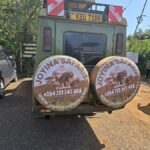
- The vehicle and group size: why “pop-up roof” actually matters
- Park fees and budgeting: the part that can surprise first-timers
- Where the overnight camp details really show up
- Guides, communication, and the little things that shape your day
- Who should book this Maasai Mara group safari?
- Should you book this Maasai Mara group safari?
- FAQ
- How many people are in the safari group?
- What accommodation is included for the nights in Maasai Mara?
- Are Maasai Mara park entrance fees included in the price?
- What time do you leave Nairobi, and how do you get picked up?
- Is the wildebeest crossing included, and when do you go to the river?
- Can I visit a Masai village on this trip?
- Do I have to pay immediately, and can I cancel?
Key things that make this Maasai Mara safari work
- Up to 8 people: easier spotting and a less crowded feel during long game-drive hours.
- Pop-up roof for viewing and photos: your eyes and phone/camera stay angled the right way all day.
- Private tent nights (2 nights): bed, linen, shower, toilet, mosquito nets, plus hot water and electricity during set hours.
- Daily departure promise: fewer “maybe it won’t run” worries since the operator says it controls its vehicles.
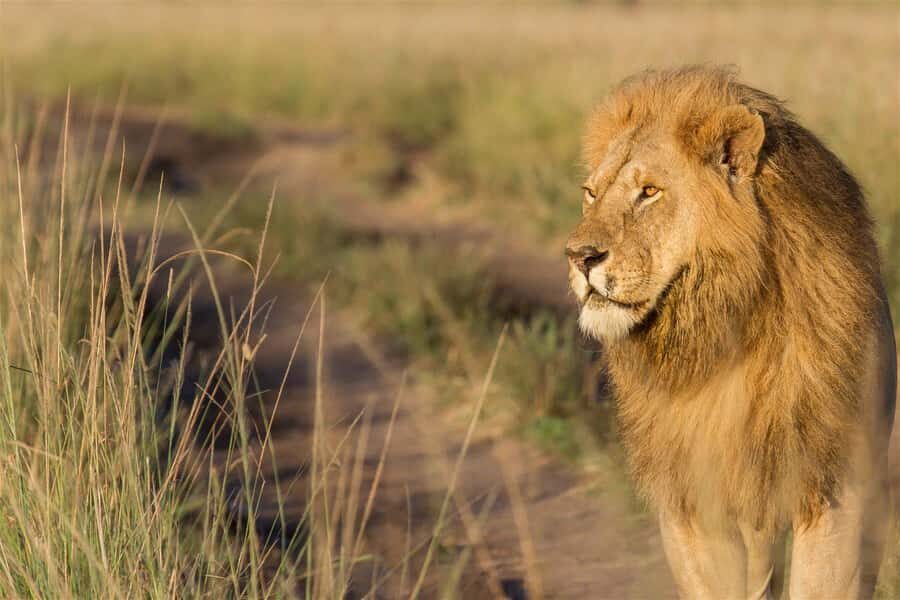
- Big Five and Mara River focus: you’re not just circling the park; there’s a plan to reach the river for crossing chances.
- Park fees paid locally: card/cash/online options exist, but the timing and exact amounts can catch people off guard.
Entering Maasai Mara from Nairobi: the drive starts the story
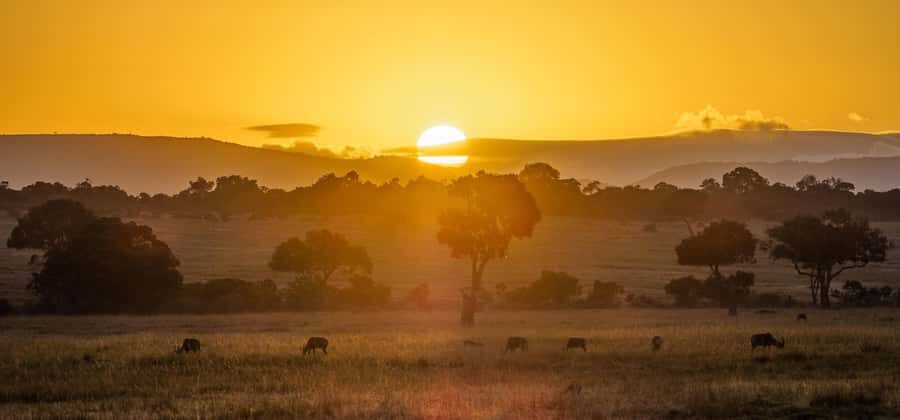
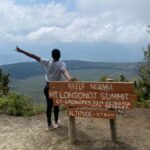
This trip begins in Nairobi with hotel pickup around 8:00 am (city center and Westlands area), then a drive into the Great Rift Valley. You’ll pass a Rift Valley viewpoint, which is one of those simple moments that helps you understand why this area is so famous: the terrain and scale are part of the wildlife drama you’re about to see.
You’re not just sitting in a vehicle until sunset, either. The day is built around timing. You drive in, check in for lunch, and then you get a proper evening game drive once you’re in the reserve.
A few more Kenya tours and experiences worth a look
Day 1: Nairobi pickup, Rift Valley views, lunch check-in, then a 4:00 pm sunset drive
Day 1 is designed to get you into the Mara with enough time for both comfort and wildlife.
- Morning pickup at 8:00 am from your Nairobi accommodation
- Rift Valley viewpoint along the way for wide views and quick photos
- Arrive for lunch, then check in at camp
- 4:00 pm sunset game drive inside Maasai Mara
- Buffet dinner, then overnight in your tent
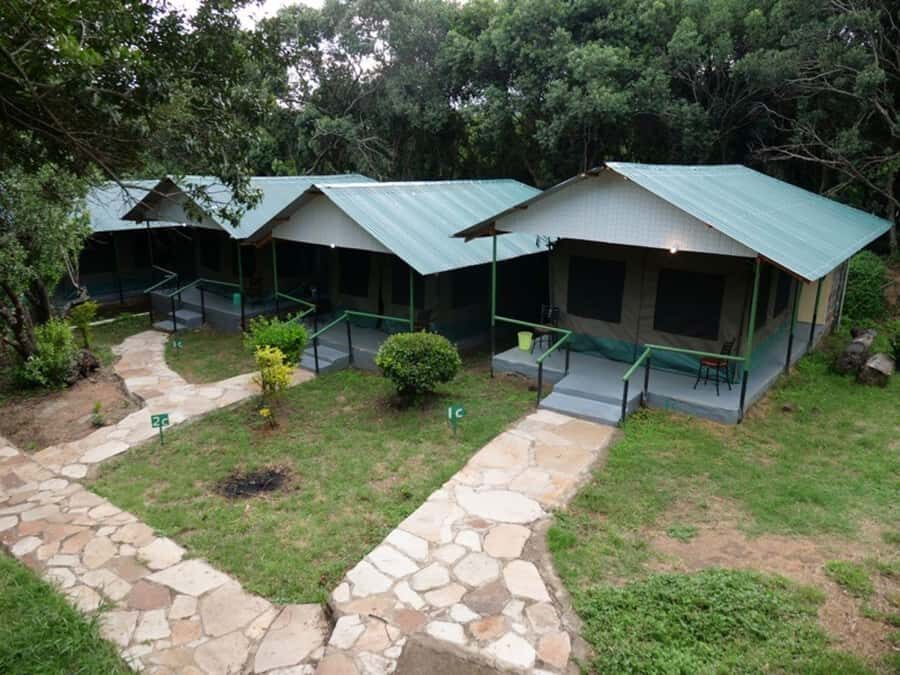
The overnight is more than “roughing it,” because your tent includes what you actually need: a bed with linen, shower and toilet inside, and mosquito nets. You’ll also have a hot shower in the evening and electricity between 6 and 10 pm to charge your gadgets.
If you care about comfort after long driving, this day matters. You’ll get a real camp routine: check in, eat, go out for golden-hour wildlife, then settle in without trekking back and forth.
Small heads-up to plan around: evening power is limited to a specific window. If you’re trying to charge a camera battery and your phone, do it early in the 6–10 pm window so you don’t end up scrambling in the dark.
Day 2: 7:00 am–late game drives for the Big Five, with a Mara River crossing push
Day 2 is the main safari day.
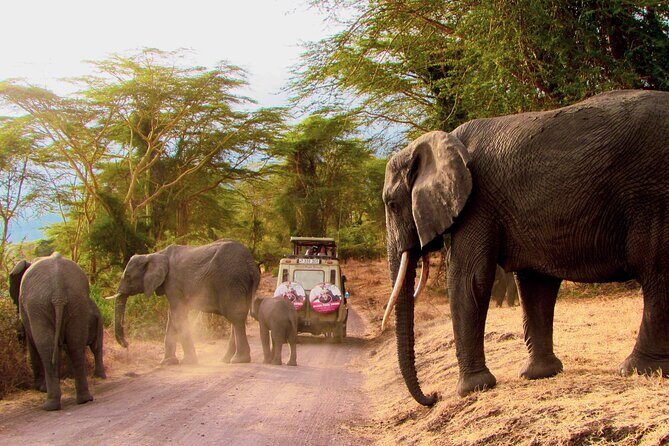
You start with breakfast, then you depart the camp around 7:00 am. The vehicle uses a pop-up roof all day, which is a big deal in real life. It means you can watch from a higher angle and take photos more easily without trying to shoot through awkward angles or ceiling bars.
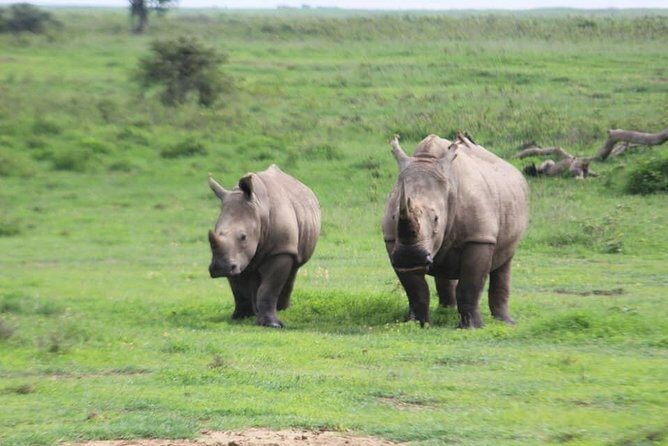
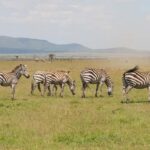
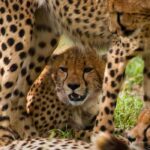
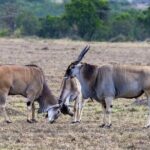
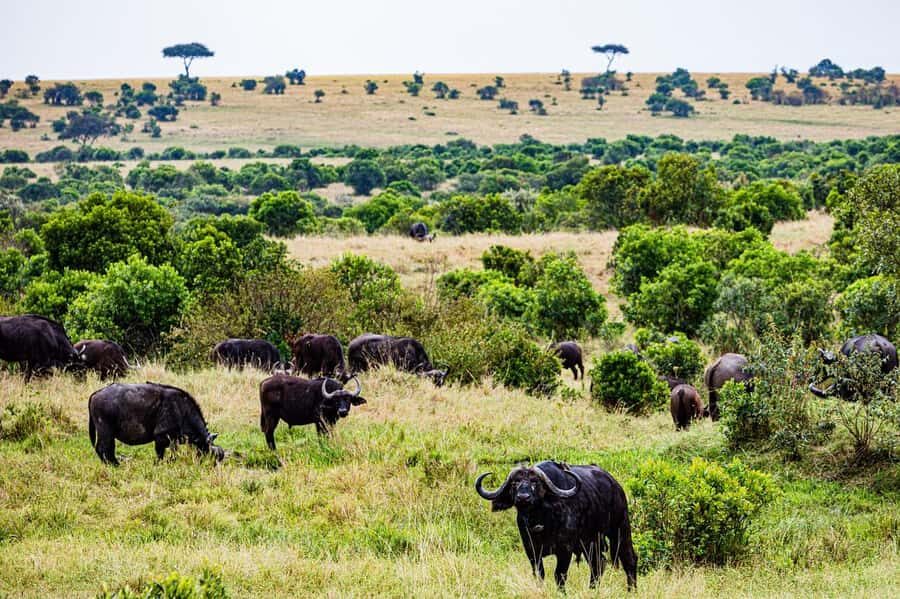
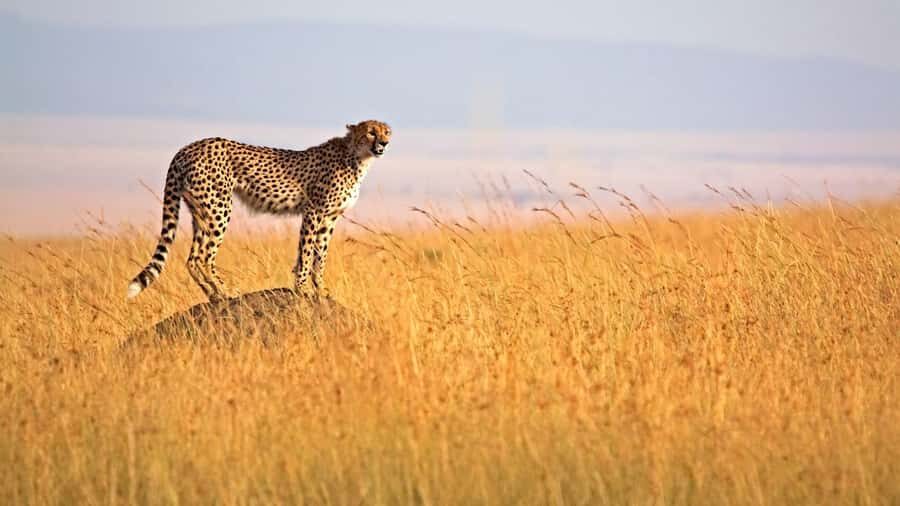
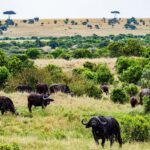
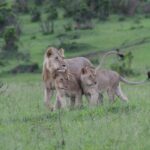
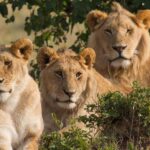
This is also the day where your guide’s skill really affects your experience. The plan is to spend the full day searching for the Big Five—lions, leopards, elephants, buffalo, and rhinos—while also tracking the migration story.
How the day’s pacing works
- All-day Mara exploration with the pop-up roof open for better viewing
- Picnic lunches inside the reserve (so you’re not losing half your day to detours)
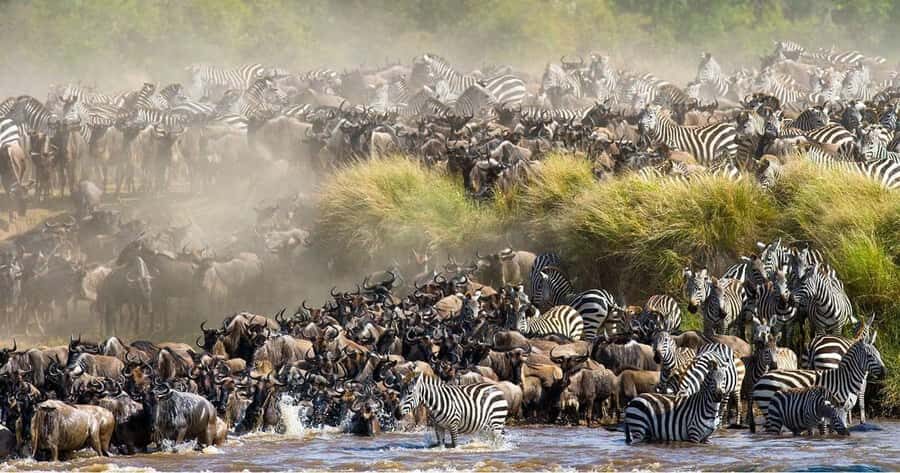
- A run toward the Mara River for wildebeest crossing chances
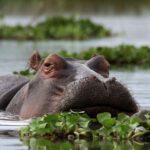
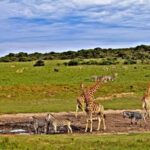
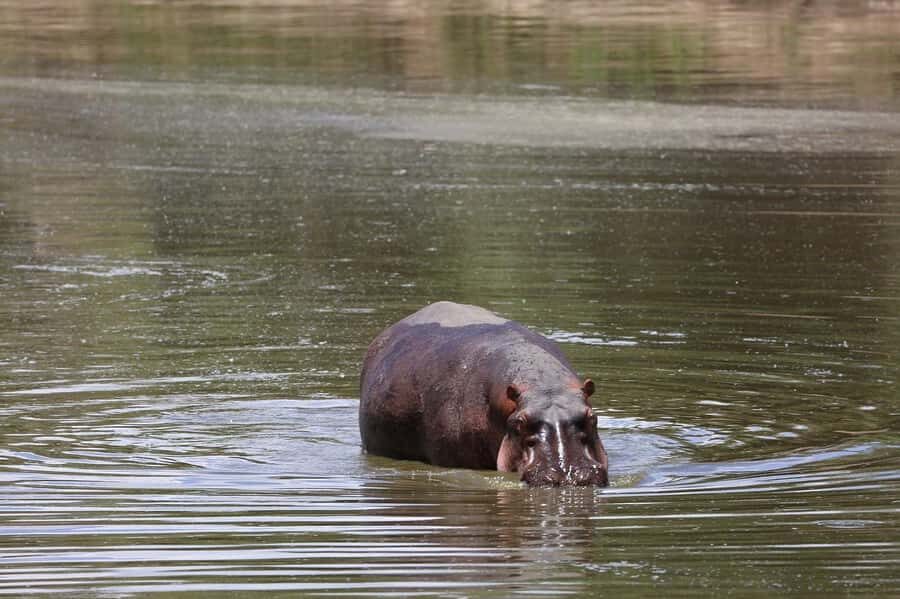
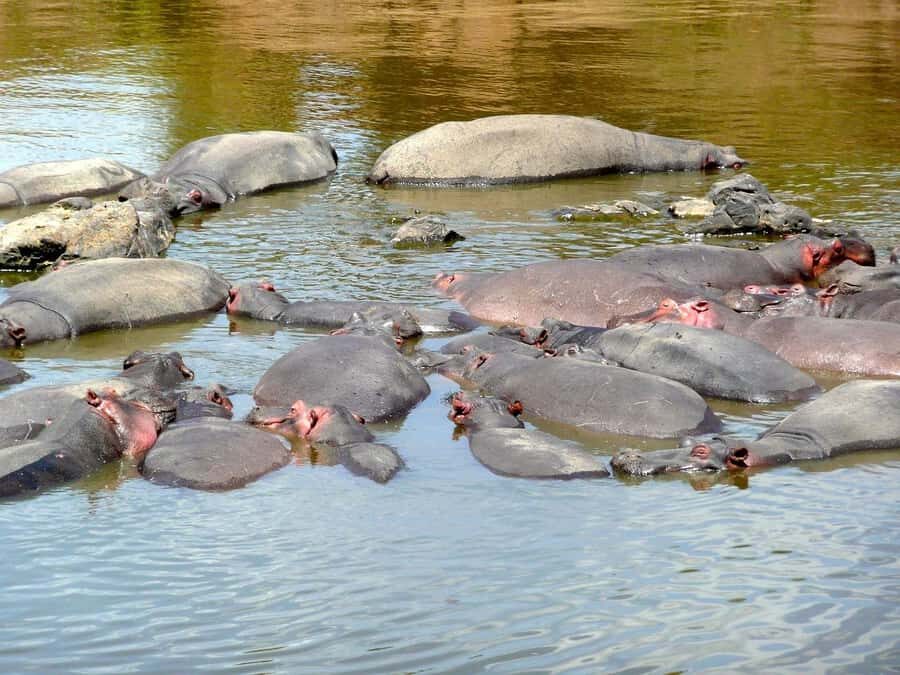
- Hippos and crocodiles are expected at the river banks, since they are present throughout the year
- Game drive wraps up around 4:00 pm, then you return for dinner and overnight
The crossing reality check
The tour aims to get you to the river where wildebeest cross into the Mara from Serengeti. That sounds straightforward, but crossings are weather- and timing-dependent. If you’re traveling in a season when crossings are active, you’ll have a better shot. If not, you might still see plenty of river life—hippos and crocodiles are part of the year-round appeal—but not always the exact “big moment” you pictured.
One useful move: before you hit the river, tell your guide plainly what you want most. If the group mood is split, you don’t want your top priority to get diluted. Clear communication helps the driver focus the time in the right places.
A few more Kenya tours and experiences worth a look
Day 3: Breakfast, check-out, then return to Nairobi by mid-afternoon
Day 3 keeps things calm compared to day 2.
You enjoy breakfast, then you check out and begin the return journey to Nairobi around 8:00 am. On the way back, you get a complimentary lunch stop at a travelers motel. You’ll arrive in Nairobi around 3:00 to 4:00 pm, depending on traffic.
Optional Masai village visit (if you want the culture stop)
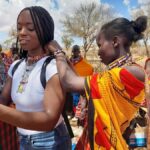
If you want a cultural add-on, there’s an optional Masai village tour. It’s $20 per person and not required. The guide can arrange it upon request, including a morning visit instead of straight return.
If you’re thinking about doing it, I suggest deciding before the last morning. You’ll get a smoother day if your choice is confirmed early, not when everyone is already trying to pack up and leave.
The vehicle and group size: why “pop-up roof” actually matters
In safari terms, “pop-up roof” is not a marketing gimmick. It changes how you see.
Here’s why you’ll feel the difference:
- Better animal spotting: you can scan farther without leaning or craning.
- Easier photography: you’re shooting through open air and higher angles, not from cramped windows.
- More comfortable viewing: the driver can keep moving, while you get stable sightlines.
Combine that with the small group size—max 8 people—and the whole day feels less hectic. In a small group, you can hear the guide better, react faster when animals appear, and ask questions without waiting for everyone else to shuffle.
Also included: bottled water in the car, which sounds minor until you’re spending hours in the Mara heat.
Park fees and budgeting: the part that can surprise first-timers
The tour price is $200 per person, but park entrance fees are not included. You pay locally to enter Maasai Mara, and you can typically pay by card locally, cash, or via an online link provided by the operator.
Why this matters for your budget: Maasai Mara park fees can be a major chunk of the total cost, especially during peak times. Some people have reported that reserve fees were higher than they expected. Others have had delays when the fee process wasn’t clear early enough.
So here’s the practical way to handle it:
- Ask ahead of time for a clear estimate of the total you’ll pay on-site for your exact dates.
- Decide whether you’ll have a working card or cash ready as a backup.
- Don’t assume the booking price is the final number you’ll spend for entry.
Personal drinks like beer are also not included, so if you want any alcohol, factor it in.
Where the overnight camp details really show up
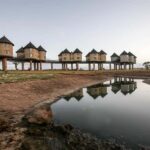
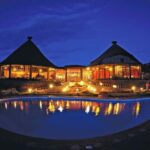
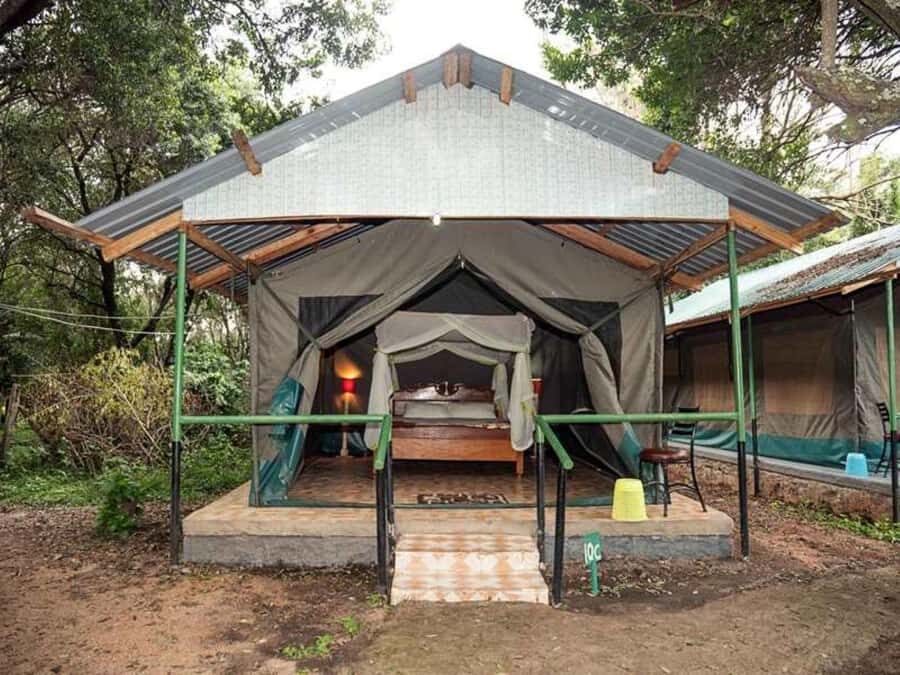
You’ll likely stay at Rhino Tourist Camp or a similar camp (the exact camp depends on operations). Either way, the accommodation is built around the basics that matter after game drives:
- Private tent, not shared
- Bed and linen
- Shower and toilet inside
- Mosquito nets
- Hot water and electricity between 6 and 10 pm
- No need to bring linens or mosquito net basics
This is the kind of camping that works for people who want safari magic without sacrificing sleep. And it’s especially important because day 2 can be long. When you’re back at camp, you need the chance to rinse off, recharge, and actually rest.
That said, not every participant has praised every camp facility the same way. If bathroom condition is a deal-breaker for you, ask your operator how the camp tents are currently maintained and what “standard” looks like for the washroom areas.
Guides, communication, and the little things that shape your day
This safari is guided by an experienced safari guide, and the company states it uses professional guides and nicely maintained vehicles. You’ll also have multiple language options: English, French, Spanish, German, Swahili, and Italian.
From past experiences with this operator, guides like Samuel have been noted for being friendly and speaking Italian well, and a guide-driver named Calvin has been described as knowledgeable and patient and a safe driver. Those are the traits that help you enjoy the day even when wildlife is quiet.
There’s another helpful feature I like: a 24-hour mobile phone line so you can call, text, or use WhatsApp for questions. That’s useful when you’re trying to confirm pickup time or clarify where you should meet.
One more practical note: pick-up and transfers should stay smooth, but when fees and payment details aren’t crystal clear, it can create delays. Before you leave your hotel on day 1, have your phone charged, keep your reservation details handy, and be ready with your preferred payment method for park entry.
Who should book this Maasai Mara group safari?
This tour is a good fit if:
- You want a classic Maasai Mara experience with a strong shot at wildebeest migration moments.
- You care about Big Five searching rather than only one species.
- You like the idea of small-group dynamics (up to 8 people).
- You want comfort upgrades like a private tent, real shower/toilet, and hot water.
It may not be a fit if:
- You use a wheelchair (this tour is noted as not suitable for wheelchair users).
- You’re very strict about timing and want a guaranteed Mara River crossing. The drive goes there for crossing chances, but wildlife is wildlife, and nature doesn’t follow calendars.
Should you book this Maasai Mara group safari?
I’d book it if you want value that comes from the right choices: small group size, pop-up-roof viewing, private tent comfort, and a daily departure plan that reduces uncertainty. At $200 per person, it can be a solid deal as long as you treat park entry fees as an extra cost and plan for them upfront.
Before you pay, do two things that make the difference between a smooth safari and a stressful one:
- Ask for a clear picture of park entry fees for your travel dates and confirm how you can pay on-site.
- If the Mara River crossing is your top priority, tell your guide early so the day’s timing aligns with your goal.
If you’d like the Big Five search plus the migration story, and you’re okay with nature’s unpredictability, this is a strong way to spend three days in the Mara without feeling rushed or swallowed by a giant tour crowd.
FAQ
How many people are in the safari group?
The safari is a small group with a maximum of 8 people.
What accommodation is included for the nights in Maasai Mara?
You get 2 nights in a private tent in Maasai Mara. The tent includes a bed and linen, mosquito nets, and a washroom with shower and toilet inside. Hot water and electricity are available between 6 and 10 pm.
Are Maasai Mara park entrance fees included in the price?
No. Park entrance fees are paid locally. The operator notes you can pay by card locally, cash, or via an online link.
What time do you leave Nairobi, and how do you get picked up?
Pickup is included from hotels in Nairobi city center and Westlands at around 8:00 am for day 1. For airport pickups, the driver waits at the terminal with a pager that has your name; you’ll need to share flight details.
Is the wildebeest crossing included, and when do you go to the river?
The experience includes a game-drive day that goes toward the Mara River where wildebeest cross into the Mara from Serengeti. The trip is planned to reach the river on day 2, but sightings depend on conditions.
Can I visit a Masai village on this trip?
Yes, it’s optional. A Masai village tour costs $20 per person and can be arranged with the guide upon request.
Do I have to pay immediately, and can I cancel?
The tour offers reserve now & pay later, and it states free cancellation up to 24 hours in advance for a full refund.