REVIEW · NAIROBI
4-Day Masai Mara Big Five Safari
Book on Viator →Operated by African Home Adventure Safaris · Bookable on Viator
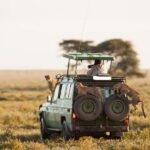
Twelve-hour safari days change your sense of time. This 4-Day Masai Mara Big Five Safari from Nairobi is built around two full days of long game drives inside the reserve, with plenty of time to chase the animals and just watch the Mara unfold. You start with a drive down toward the Great Rift Valley, then settle into the camp rhythm before heading back out again at sunrise.
I love the way the schedule gives you real searching time: two days run from 6:30 am to 6:30 pm, and one of those includes a picnic lunch along the Mara River area, right where the wildebeest migration movement is known to concentrate. I also like the human side of the safari. Guides such as George and Tom are called out for steady focus, patient explanations, and a safe, organized feel on the road and in the reserve.
One trade-off to plan for is the pace. You’ll have early mornings and long days on safari, plus travel time on Day 1 and Day 4, so this is best if you want wildlife time over downtime.
In This Review
- Key highlights at a glance
- Getting from Nairobi to the Mara: Day 1’s long drive and quick nature breaks
- The Mara’s main event: Day 2’s 6:30-to-6:30 safari block and picnic by the river
- Day 3’s second drive: more of the Mara, more chances, and bird details that make the day feel richer
- Camp nights inside the Mara: why the overnight rhythm matters
- What you’re really paying for: Big Five odds, long driving time, and admitted park access
- Guides and safety: how route knowledge and patience shape the whole safari
- Day 4 return to Nairobi: a smoother finish with an en-route meal
- Who should book this safari, and who might want a different pace
- Should you book this 4-Day Masai Mara Big Five Safari?
- FAQ
- Where is the safari pickup and drop-off point in Nairobi?
- What time do the main game drives run?
- Which animals are you aiming to see on this Big Five safari?
- Are meals included during the safari days?
- Is this tour private, and is pickup offered?
- What is the cancellation window for a full refund?
Key highlights at a glance
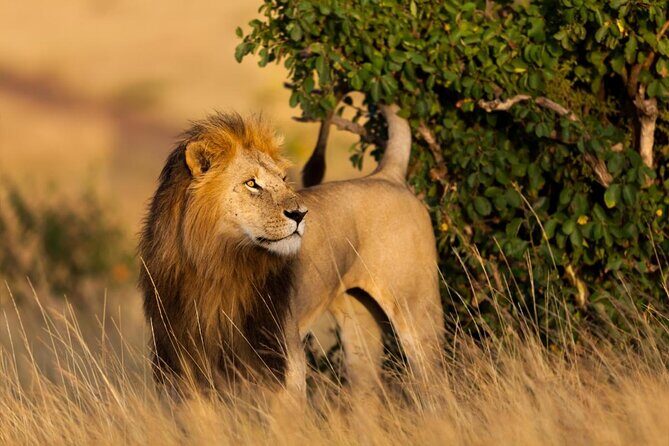
- Two full safari days (6:30 am to 6:30 pm) for better chances at the Big Five
- Mara River picnic lunch during your long driving day
- Optional Day 1 add-ons like a nature walk or a Masai Village visit
- Big Five focus plus birdwatching with hundreds of recorded species
- Private touring feel for your group, with pickup offered
- Camp nights included in the flow so you’re not constantly transferring
Getting from Nairobi to the Mara: Day 1’s long drive and quick nature breaks
Day 1 starts with pickup from YWCA Hostels on Mamlaka Rd in Nairobi, and your day swings toward the reserve with a morning departure. You’ll head down toward the Great Rift Valley, with a quick stop where you can take in views of the escarpment. It’s short, but it’s a useful reset: you’ll see Kenya shift from city energy to savanna horizon in a matter of hours.
After that, there’s a stop in Narok town. The point here is practical. You can refuel and pick up any personal items you want to carry for the safari days—things you might suddenly remember you forgot once you’re on the road.
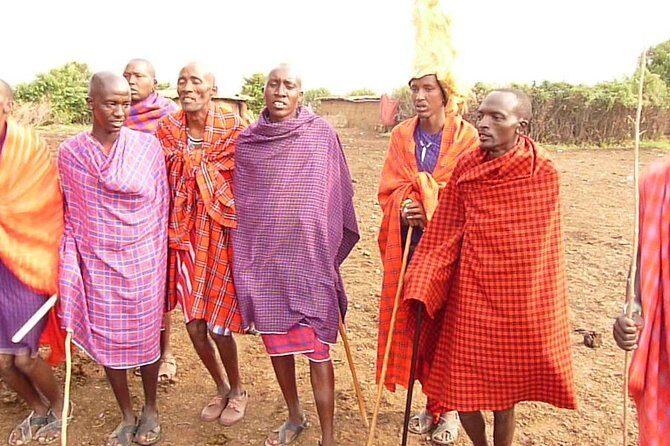
Then you arrive in time for lunch at the camp. That meal matters because it’s what turns the day from transport into vacation. After lunch, you get to choose your own level of activity. The options listed include a guided nature walk, a Masai Village visit, or just relaxing and letting the next day’s early start come to you slowly.
If you’re the type who likes context—how people live alongside wildlife—go for the village visit on Day 1. If you want an easier landing after the drive, keep the afternoon light and save your energy for the serious wildlife hours the next day.
Dinner and overnight happen at the camp, so you’re not chasing schedules late into the night.
A few more Nairobi tours and experiences worth a look
The Mara’s main event: Day 2’s 6:30-to-6:30 safari block and picnic by the river
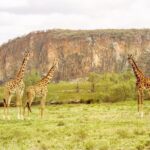
Day 2 is where this safari earns its reputation. You’ll have breakfast at 6:00 am, then leave the camp with a packed picnic lunch at 6:30 am for a full 6:30 am to 6:30 pm stretch of game drives.
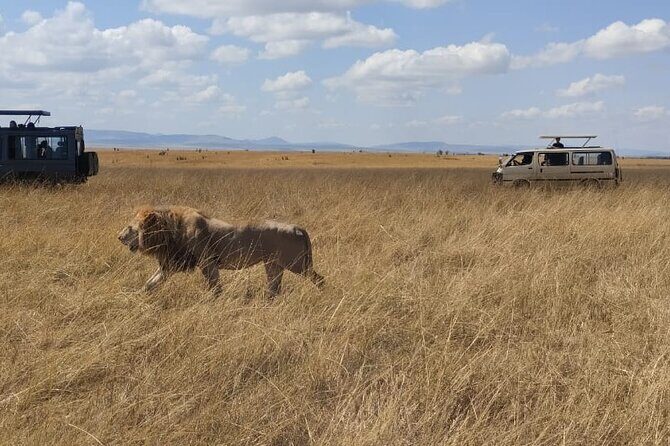
This timing is great for two reasons. First, you have daylight working for you from morning scanning to late-afternoon searching. Second, you’re not forced to cram wildlife viewing into a short window. In Masai Mara, the animals move, and sightings aren’t scheduled like appointments—so longer time on the road usually helps.
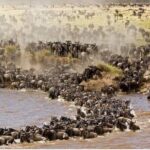
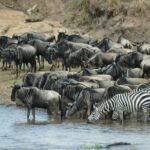
Lunch is served in the reserve along the banks of the Mara River, tied to the area’s role in the wildebeest migration. Even if you’re not tracking the migration like a scientist, you’ll feel the significance: this is one of the Mara’s natural gathering points, and wildlife tends to show up around food and water.
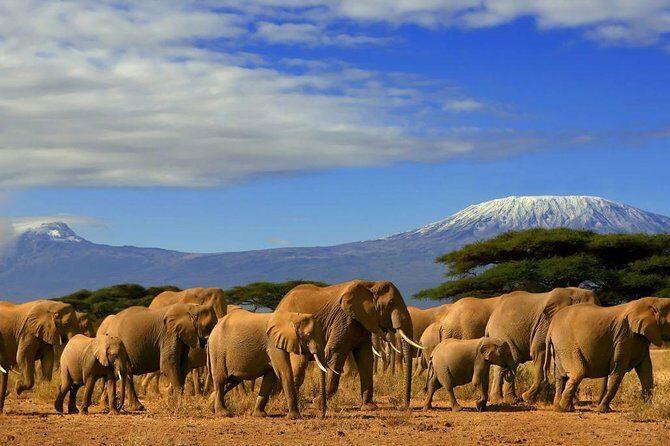
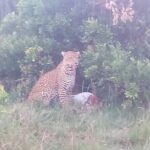
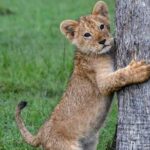
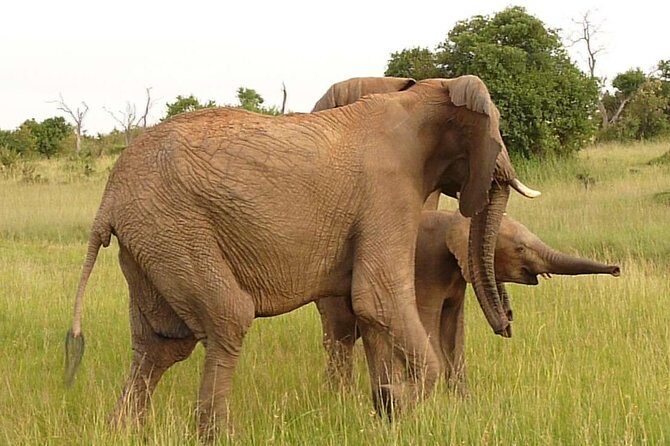
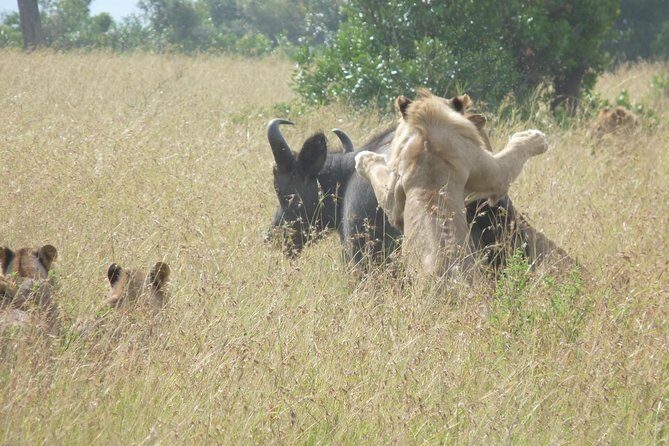
Your big-five target is there—lions, leopards, buffalo, elephants, and rhinos—plus a long list of other species you might encounter. The reserve is also well known for over 450 bird species, so if you like birding, this day can scratch two itches at once: mammals on the move, birds in the trees and grass.
Drawback to consider: because this is one long wildlife day, you need to treat it like one. Drink water, pace yourself, and plan to stay patient. The whole point of a long drive is that you can’t control when the good moments happen.
Day 3’s second drive: more of the Mara, more chances, and bird details that make the day feel richer
Day 3 follows a similar structure—breakfast, then out again for an early 6:30 am to 6:30 pm game drive. The intent is simple: you likely won’t see everything on the first long day, and the Mara rewards repeat time with different routes and different moods of wildlife.
This second day is especially valuable if your first day didn’t line up perfectly. Wildlife sightings can be hit-or-miss in the same location depending on the time of day and how animals shift. With two full days, you’re giving yourself room for the Mara to surprise you again.
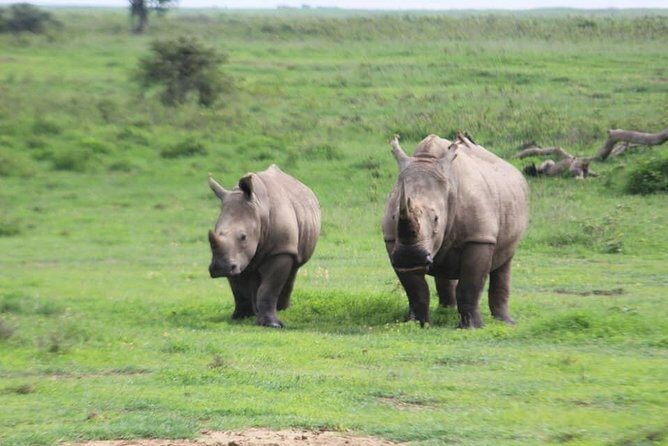
The park’s reputation here centers on the fact that all of the “Big Five” are found in the reserve. That doesn’t mean every animal shows up on schedule, but it does mean the “where” is strong. You’re not driving to one-zone sightings and calling it a day—you’re staying in the best place for the whole checklist.
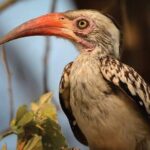
Day 3 also adds more bird-focused texture. You might see species like the lilac-breasted roller (named as Kenya’s national bird in the trip description). You may also encounter rare animals such as roan antelopes and bat-eared foxes. Even when you don’t spot every named species, the point is that the area supports more than just the famous predators.
The schedule ends back at the camp for dinner and overnight, so the day feels like a repeat of Day 2 in structure, not just a shuffle of random stops.
Camp nights inside the Mara: why the overnight rhythm matters
A lot of safari confusion comes from assuming the camp is just a place to sleep. In this 4-day plan, the camp is part of the pacing system.
You’ll have dinner and overnight at the camp at the end of Day 1 and again after Day 2 and Day 3. That matters because it keeps your day centered on one mission: spend daylight looking, then rest after sunset.
In real terms, the camp rhythm helps you handle the early starts without feeling like you’re constantly relocating. You’ll go from Nairobi’s busier pace to tented-camp calm, then back out again the next morning while the animals are active.
One review example referenced a stay at Enchoro Wildlife Camp, which is a reminder that this kind of trip often uses tented accommodations inside the broader reserve area. Since the exact camp isn’t spelled out in the core itinerary details you shared, I’d treat the camp as “inside-the-Mara base,” not as a guarantee of a specific property. Still, the structure stays the same: drive, game drive, meal, sleep, repeat.
If you want comfort, Day 1 is your buffer day. Once you’re into the two full safari days, you’ll spend most of your energy either spotting or recovering.
What you’re really paying for: Big Five odds, long driving time, and admitted park access
At $1,093.75 per person for a 4-day run, this price isn’t cheap, so it’s fair to ask what’s included beyond the buzzwords.
Here’s what the itinerary makes clear you’re buying:
- Two full days of game drives from 6:30 am to 6:30 pm
- Reserve access included (the trip notes admission ticket free for the relevant days)
- Meals inside the safari flow: packed picnic lunch on Day 2, dinner and overnight at the camp during the main days, and lunch en route on Day 4
- Pickup offered, plus a private setup where only your group participates
- A practical mobile ticket system
The value angle is the time. Many shorter safari packages trade away hours on the road, and that can limit your chances. This one commits to long viewing days. That’s the part that typically changes the experience most: you’re not constantly checking the clock.
Also, being private is more than a checkbox. It can mean your driver and guide can focus on your group’s pace and interests, and it reduces the “everyone wants something different” stress that sometimes happens on shared tours.
One note for expectations: the itinerary frames Big Five sightings as something that can happen with the luck of the day, so don’t plan your trip around a rigid promise. Plan around the process—finding animals takes time, and the Mara doesn’t care about your checklist.
A few more Nairobi tours and experiences worth a look


Guides and safety: how route knowledge and patience shape the whole safari
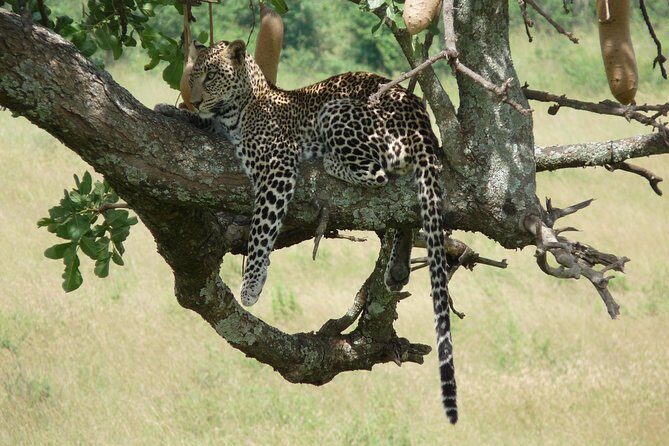
The driver-guide is the difference between seeing wildlife and actually enjoying the experience of seeing it.
In the feedback tied to this kind of Masai Mara adventure, guides like George and Tom show up repeatedly as people who work hard to make sure you get chances at the animals. I’d take that as a practical hint when you book: look for a service that pairs good driving with explanations, because it turns random sightings into something you understand.
You’ll also want a guide who feels steady and confident on the road. One review noted a strong sense of safety and comfort during the driving experience. That’s not a small thing. When you’re spending 12 hours moving through wildlife territory, calm competence helps your brain relax and lets you actually pay attention.
There’s also a more human side to service. One guest described Tom helping when a partner fell ill during the last day, using natural medicine and pills. I can’t assume every situation will be handled the same way, but it does suggest these guides take care of guests beyond just reading the spotting scope.
If you care about learning while you travel, ask your guide questions throughout. The Mara has room for both big predator moments and the small details—bird behavior, movement patterns, and why certain areas attract wildlife.
Day 4 return to Nairobi: a smoother finish with an en-route meal
Day 4 is the unwind day. After breakfast, you drive back toward Nairobi, with lunch en route, arriving in the afternoon.
This is a good ending structure. You’re not leaving camp at the worst possible time. You also get a meal during transit so the day doesn’t feel like an empty slog.
When you get back to Nairobi, you’ll be dropped at the start meeting point, the YWCA Hostels area.
Who should book this safari, and who might want a different pace
This tour fits best if you:
- Want two long safari days rather than a quick hit
- Are chasing the Big Five and want to stay in one top reserve
- Like the idea of a structured camp-and-early-drive rhythm
- Appreciate both mammals and birdlife (over 450 bird species is part of the package identity)
You might want a different option if you:
- Hate early mornings and long driving blocks
- Want lots of free time for optional activities beyond the Day 1 choices
- Prefer short, low-effort travel days even if it means fewer sightings
If your goal is straightforward—see Africa’s savanna with time to find the animals—this is a solid match.
Should you book this 4-Day Masai Mara Big Five Safari?
Yes, if you want your days to be built around wildlife time and you’re willing to commit to the schedule. The biggest reason to book is the structure: two full 6:30 am to 6:30 pm game-drive days, plus a Mara River picnic lunch and included camp nights. That combination is what usually makes a Masai Mara safari feel like a real experience instead of a rushed photo trip.
Book with confidence if you’re excited by the chance to see lions, leopards, buffalo, elephants, and rhinos, and you also enjoy the extra layers—birds like the lilac-breasted roller, and the thrill of spotting rarer species when the Mara decides to cooperate.
Think twice if your ideal safari is short and restful. This is a “look hard, watch closely, stay flexible” kind of trip.
FAQ
Where is the safari pickup and drop-off point in Nairobi?
The tour starts at YWCA Hostels, Mamlaka Rd, Nairobi, Kenya, and it ends back at the same meeting point.
What time do the main game drives run?
The itinerary schedules game drives from 6:30 am to 6:30 pm on the full safari days.
Which animals are you aiming to see on this Big Five safari?
The safari is focused on the Big Five: lions, leopards, buffalo, elephants, and rhinos, with additional wildlife and birdlife also possible.
Are meals included during the safari days?
Yes. You’ll have a picnic lunch on the reserve during the long game-drive day, and there is dinner and overnight at the camp during the main days. Day 4 also includes lunch en route.
Is this tour private, and is pickup offered?
Yes. It’s listed as a private tour/activity where only your group participates, and pickup is offered.
What is the cancellation window for a full refund?
You can cancel up to 24 hours in advance of the experience for a full refund. If you cancel less than 24 hours before, the amount paid is not refunded.