REVIEW · NAIROBI
Mount Kenya Trek
Book on Viator →Operated by Bushtroop Tours and Safaris · Bookable on Viator
Mount Kenya is the kind of trip that changes with every step. You start in forest around Sirimon Gate, gradually move into heath and moorland, and end with a classic high-altitude sunrise finish at Lenana, plus views that open up as you gain elevation. I really like two things about this experience: the human support from guides like Michael, Peterson, and Julius Kinuthia, and the way meals are handled well by the team, including vegan options with chef Steven.
The main consideration is that this route has real altitude work and very early starts. You’ll be sleeping at high points like Shipton Camp (4200m) and pushing for sunrise, with a 3am departure on Day 4, plus steep, stony sections that mean you should train for steady endurance rather than short bursts.
In This Review
- Key highlights you’ll feel fast
- Mount Kenya in 5 days: what the route actually asks of you
- The people make the trek: Bushtroop guides and the camp team
- Day 1: Nanyuki drive, Sirimon Gate start, and Judmier Camp at 3300m
- Day 2: Moorland contouring to Mackinders Valley and Shipton Camp (4200m)
- Day 3 acclimatization: Kami Hut, Hauseberg Lakes, then back to Shipton
- Day 4 Lenana sunrise: the 3am push, Hall Tarns, and the descent to Mount Meru Bandas
- Day 5 return via forest clearance and Chogoria Village
- Price and Logistics: what you’re paying for in the real world
- What to pack (and why a few details matter more than usual)
- Who this Mount Kenya trek suits best
- Should you book this Mount Kenya trek?
- FAQ
- How long is the Mount Kenya trek?
- Where does the trek start from?
- What’s the maximum group size?
- Is pickup included?
- What fitness level do I need?
- Are admission tickets included?
- What meals are included?
- Is cancellation possible if plans change?
Key highlights you’ll feel fast
- Small group size (max 12): more space, quicker decisions, and easier pace control
- Permits included: admission tickets are built into the trek plan
- Acclimatization day: a planned hike to Kami Hut and the Hauseberg Lakes before the summit push
- Lenana sunrise timing: a 3am push that gets you to Lenana by about 6:30am
- Guides who keep you moving safely: named guide experience includes Michael, Peterson, and Julius Kinuthia
- Food that works for different diets: reviews specifically mention vegan meals and strong cooking support
Mount Kenya in 5 days: what the route actually asks of you
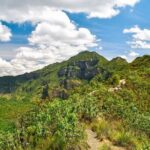
This trek is built around changing ecosystems and gradual altitude management, not just checking boxes. Day by day, the trail shifts from forest to heathland and into high moorland, so you’ll experience different ground conditions and temperatures instead of one long, samey walk.
The itinerary also does a smart thing with your body: it puts you at height, brings you back down for acclimatization on Day 3, then schedules the bigger push on Day 4. That doesn’t make Mount Kenya “easy,” but it makes it more reasonable—especially if you’re the type who gets winded when you skip the breathing-room part of a hike.
You can also read our reviews of more hiking tours in Nairobi
The people make the trek: Bushtroop guides and the camp team
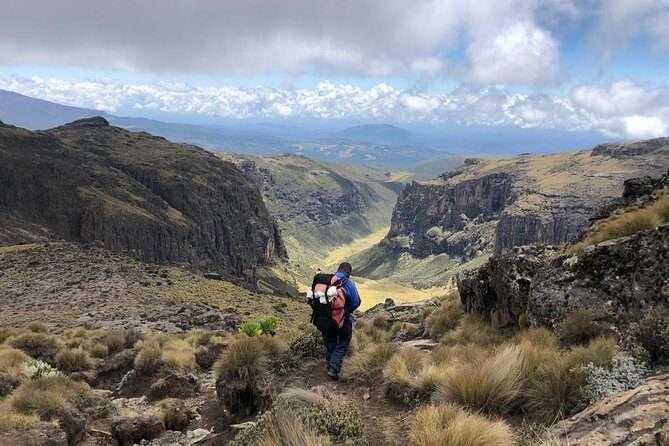
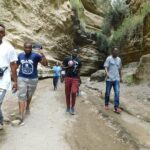
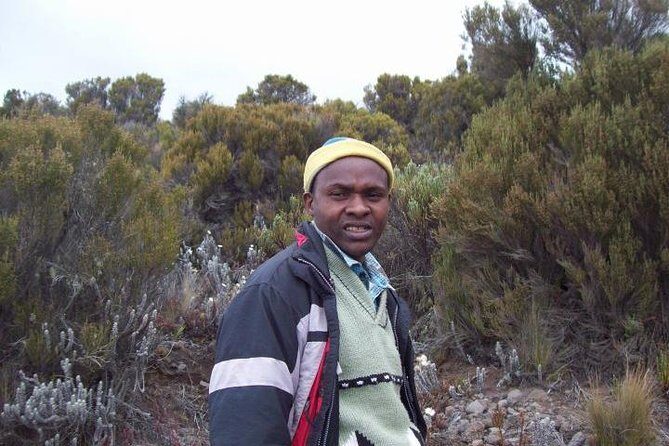
This is the part that consistently shows up in the experience: the team aims to keep you comfortable and confident. Multiple reviews call out dedicated, friendly guides and strong organization, and I can see why that matters on a mountain trek where you’re tired, cold, and focused on footing.
You’ll likely spend a lot of time with guides such as Michael and Peterson, and in at least one account, Julius Kinuthia is named as a standout. Beyond leading the route, they also help you manage pacing. On a trek like this, that’s not a luxury—it’s what keeps the hike enjoyable instead of stressful.
Food support is another big deal here. Chef Steven comes up in reviews, and vegan meals are specifically mentioned. That’s practical value: you’re trekking at elevation, and you want meals that keep your energy up. If you have dietary needs, this is a good sign that the cooking team takes them seriously.
Finally, the group size matters. With a maximum of 12 travelers, you should get less chaos at trail junctions and more attention if you need to slow down or regroup.
Day 1: Nanyuki drive, Sirimon Gate start, and Judmier Camp at 3300m
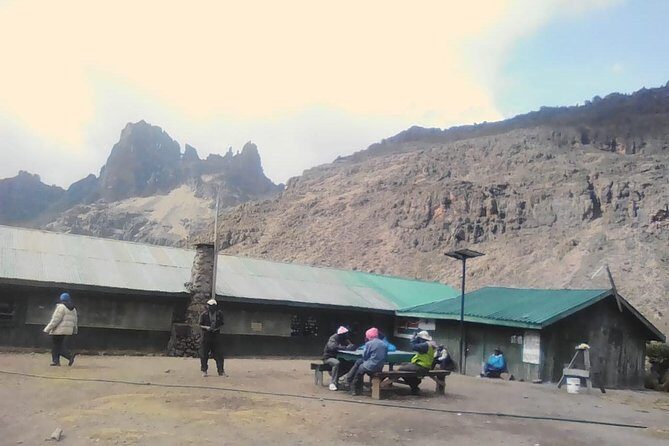
You leave Nairobi at 8:00am, with about a 4-hour ride to Nanyuki town for lunch. After lunch, the drive continues to Sirimon Gate, about a 1-hour transfer, arriving around 2440m.
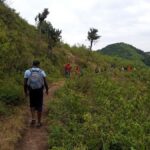
From the gate, your walk winds uphill through forest. After roughly 3 hours, the trail transitions into heathland. That shift is more than scenic: it usually means different footing and wind exposure. If you’ve only hiked in warmer areas, you’ll probably notice temperature differences here fast.
About 3.5 hours from the gate, the route turns toward Judmier Camp at 3300m for dinner and overnight. Day 1 is long enough to feel like a trek, but it’s also the first real acclimatization step. You’re not thrown straight into the biggest elevations without any lead-in.
What to watch: pace. Forest trails can feel easier early on, then you hit steady uphill and your breathing starts to tell the story. Start slower than you think you need to.
Day 2: Moorland contouring to Mackinders Valley and Shipton Camp (4200m)
Day 2 starts after breakfast with more uphill hiking. The route includes a key junction decision: you’ll fork left at the point about one hour after Old Moses Camp.
You then cross the Ontulili River, go right through moorland, and continue uphill, including crossings such as Liki North. The goal here is steady elevation gain while keeping you moving efficiently.
You’ll reach Mackinders Valley, where panoramic views open up toward the main peaks. This is one of those moments you’ll remember because you’re not just walking in the fog of effort—you can actually see the objective you’re working toward.
Dinner and overnight are at Shipton Camp (4200m). That altitude is real. Even if the hike feels manageable, sleeping at 4200m is when the body starts asking for extra hydration and rest.
Practical thought: plan to keep your effort consistent. If you race uphill early, Day 2 can turn into a long fight with breath.
Day 3 acclimatization: Kami Hut, Hauseberg Lakes, then back to Shipton
Day 3 is your acclimatization day, and it’s a big reason the trek is paced the way it is. After breakfast, you’ll hike to Kami Hut, then continue down to the Hauseberg Lakes—specifically Hauseberg Tarn and Nanyuki Tarn—before returning to Shipton for dinner and overnight.
This day matters because it lets your body adjust before the summit push. You get movement at altitude without the same intensity as the Day 4 run. You’ll also get a change of terrain: moving down toward tarns can feel easier on the legs than constant uphill, even while the altitude is still in the mix.
If you’re the kind of traveler who wants to feel “productive” even on rest days, this is the kind of acclimatization hike that actually keeps you engaged.
Keep an eye on your energy. You’re training for the sunrise push ahead, not just out for a scenic walk.



Day 4 Lenana sunrise: the 3am push, Hall Tarns, and the descent to Mount Meru Bandas
Day 4 is the dramatic one.
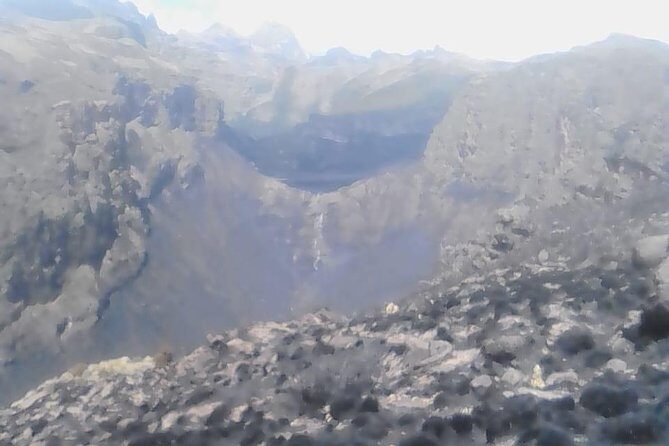
You leave at 3:00am for the steep, stony quarry route that cuts through a cliff area you can see from lower points. This is a tough section simply because darkness plus uneven rock can slow you down. If you’ve ever done a night hike, you know the first hour feels like a test of mood as much as legs.
You’ll arrive at Lenana around 6:30am, about 3 hours after leaving. After sunrise, you descend to Mintos Hut for breakfast, then continue onward for several more hours down to Mount Meru Bandas (2950m) for dinner and overnight.
This downshift—from Lenana back toward 2950m—is a smart relief for your body after the high point and early start. It also sets you up for Day 5’s exit.
What’s great here is that the timing gives you a proper summit-style moment rather than a quick, rushed top. And what’s challenging is the morning itself: you’ll want to be ready for a fast transition from camp to movement when it’s still early and your body hasn’t fully woken up.
Day 5 return via forest clearance and Chogoria Village
On Day 5, you start with a descent that’s about 2 hours, covering roughly 15km to a forest clearance. Then you catch a 4×4 transfer vehicle to Chogoria Village, where you connect with your transfer back to Nairobi.
You’ll have breakfast and lunch (B, L) as part of the plan. Ending with a vehicle transfer is a practical way to keep the final day from turning into an extra leg-burner. After several days of elevation, it’s nice to know the plan accounts for recovery.
You’ll likely leave Mount Kenya with sore legs, and that’s normal. The good news is the route doesn’t strand you with hours of walking after the main hiking is done.
Price and Logistics: what you’re paying for in the real world
At $840 per person for an approximately 5-day trek, the price makes sense mainly because this is not just a guided walk. You’re getting structured elevation management, included admission tickets, and a plan that includes transport out of Nairobi, camp-based days, and a 4×4 transfer at the end.
The small group size (max 12) also adds real value. Fewer people means the guides can manage pacing and decision-making without turning the trek into a traffic jam. That matters when you’re dealing with early-morning departures and steep sections.
You also get pickup offered and a mobile ticket, which reduces stress before the hike begins. I like when a trek includes practical pre-trip clarity, because it frees your attention for the mountain itself.
If you’re wondering whether it’s worth it, look at the full package: permits, guide leadership, camp meals, and transfers. If you’d rather self-organize permits and transport and piece together camps on your own, that’s a different style of trip. But if you want the mountain with less friction, this format is built for that.
What to pack (and why a few details matter more than usual)
You should come in with the mindset of a high-altitude, multi-day hike. A couple of practical points stand out from the overall feedback:
- Bring waterproof shoes. One account specifically flags swampy wet patches, so dry feet are not a “nice to have” on this route.
- Expect cool mornings and early starts. Day 4 starts at 3am, so you’ll want layers that handle temperature shifts.
- Plan for steady endurance. This is described as moderate physical fitness—meaning you can do it, but you shouldn’t expect a casual stroll.
- Keep your pace consistent. The itinerary has long days with changes in footing, and a controlled pace is what keeps you enjoying the views instead of fighting your breath.
If you’re used to short hikes, treat this like a fitness event that also happens to be beautiful.
Who this Mount Kenya trek suits best
This trek fits travelers who want a guided mountain experience with real structure. With max 12 travelers, you’ll get a small-group feel without feeling like you’re on your own in the wilderness.
It’s a great match if you:
- want sunrise at Lenana as a highlight
- appreciate an acclimatization day instead of skipping straight to the hardest push
- care about food and diet needs, since vegan meals and strong cooking are explicitly mentioned
- like having named, experienced leadership—examples include Michael, Peterson, and Julius Kinuthia
Should you book this Mount Kenya trek?
If your top priorities are good guidance, a well-paced itinerary, and clear support from camp through sunrise, I’d say this is a solid booking. The biggest strength is the way the experience is run: guides who keep you looked after, meals handled by the cooking team (with vegan options), and a route that builds in acclimatization instead of just testing you.
I’d only hesitate if you’re worried about early wake-ups or you haven’t built up endurance for steep, stony sections. Day 4 can be a wake-up call, especially if you’re coming from mostly flat travel.
FAQ
How long is the Mount Kenya trek?
The trek is listed as 5 days (approx.).
Where does the trek start from?
The trip is in Nairobi, Kenya, with departure from Nairobi at 8:00am and a drive toward Nanyuki and Sirimon Gate.
What’s the maximum group size?
This experience has a maximum of 12 travelers.
Is pickup included?
Pickup is offered.
What fitness level do I need?
You should have moderate physical fitness.
Are admission tickets included?
Yes. Admission Ticket is included for the Mount Kenya trek sections described in the plan.
What meals are included?
Meals are included across the itinerary (for example, dinner and overnight at camps, and on the final day you have breakfast and lunch).
Is cancellation possible if plans change?
Yes. Free cancellation is available up to 24 hours in advance of the experience start time for a full refund.