REVIEW · NAIROBI
Nairobi: Elephants, Giraffes, Karen Blixen & Bomas Tour
Book on GetYourGuide →Operated by Kenya Bush Expeditions tours and events · Bookable on GetYourGuide
Elephants and author history in one day. You’ll start with baby elephants at the David Sheldrick Wildlife Trust, then move on to giraffes where you can feed them. It’s a great one-day combo if you want both animals and Kenyan culture, not just one or the other.
I especially liked how the day feels guided without being rushed through. You get round-trip hotel transfers in an air-conditioned vehicle, plus a friendly driver who points out landmarks as you go. The main thing to watch: the tour can feel more like transport between sites than a hands-on escort inside each stop, so don’t expect someone to follow you into every exhibit.
You’ll also spend real time at the Karen Blixen Museum and later catch the Bomas of Kenya performances. Plan for a long day—on some days the Bomas show runs later—so wear comfortable shoes and treat it like a full-day outing, not a quick loop around town.
In This Review
- Key things to know before you go
- A smooth Nairobi day: wildlife first, then Karen and culture
- David Sheldrick Wildlife Trust: baby elephants and the rescue story
- Giraffe Centre feeding plus an easy nature stroll
- The Karen area stops: markets and gifts you can actually use
- Karen Blixen Museum: two hours that feel like a real visit
- Lunch at Mamba Village: how to budget your midday
- Bomas of Kenya: folk songs, acrobatics, and 42 tribes
- Price and value: does $80 make sense for this full day?
- Logistics that can make or break your day
- Who should book this tour, and who might want something else
- Should you book the Nairobi Elephants, Giraffes, Karen Blixen & Bomas tour?
- FAQ
- What time is hotel pickup for this tour?
- What is included in the $80 per person price?
- Is lunch included?
- Are entrance fees included?
- Can I feed the giraffes?
- Is there a pay later option and what is the cancellation window?
- What identification do I need?
Key things to know before you go
- David Sheldrick Wildlife Trust focuses on rescue and care of baby elephants, and it’s the emotional highlight.
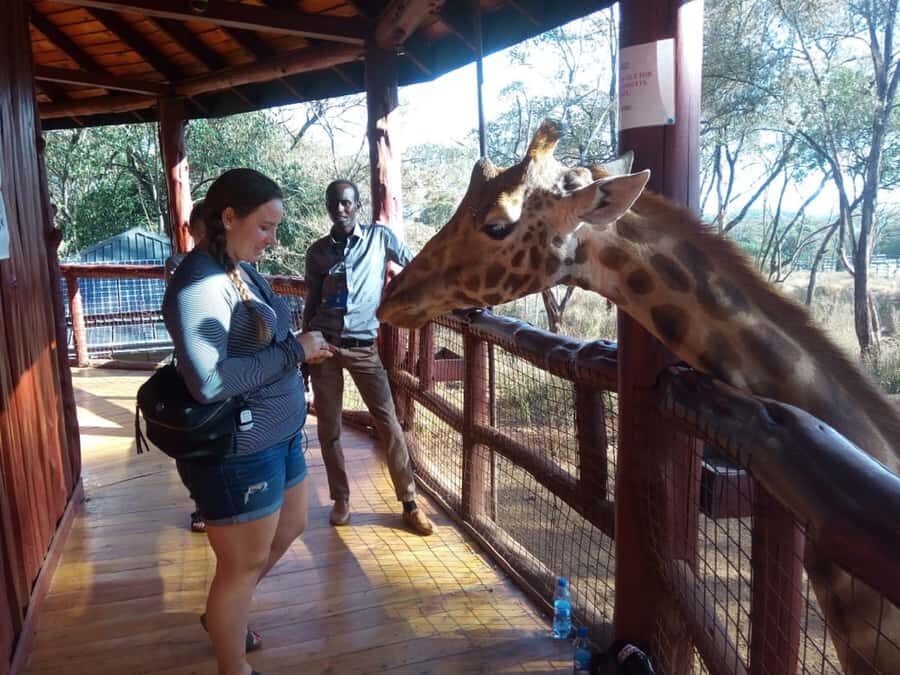
- Giraffe feeding is part of the experience at the giraffe center.
- Two hours at Karen Blixen Museum gives you breathing room instead of a rushed stop.
- Bomas of Kenya features traditional folk songs, acrobatics, and traditional houses representing 42 Kenyan tribes.
- Lunch isn’t included, but there’s a planned lunch stop at Mamba Village.
- Keep bags small: luggage or large bags aren’t allowed.
A smooth Nairobi day: wildlife first, then Karen and culture
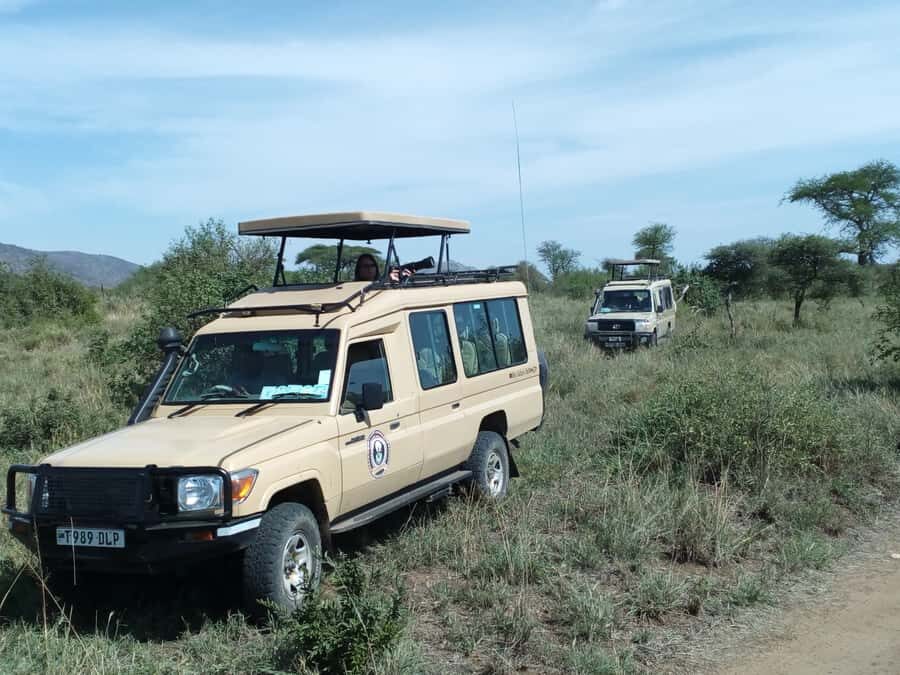
This is the kind of day I like in Nairobi when I’m short on time. You’ll roll out from your hotel in a clean air-conditioned vehicle, then spend the morning on wildlife at two major animal-focused stops. After that, the day pivots to Karen Blixen and ends with live performances at Bomas of Kenya.
The best value here is the mix. Instead of choosing between animals or culture, you get both in one long loop: elephant rescue work, giraffes up close, an author’s world in Karen, and a stage show that explains everyday traditions through music, dance, and acrobatics.
The pace is still full-day. You’re out from late morning into the late afternoon, so come ready for lots of seating changes and a few lines here and there.
You can also read our reviews of more tours and experiences in Nairobi.



David Sheldrick Wildlife Trust: baby elephants and the rescue story
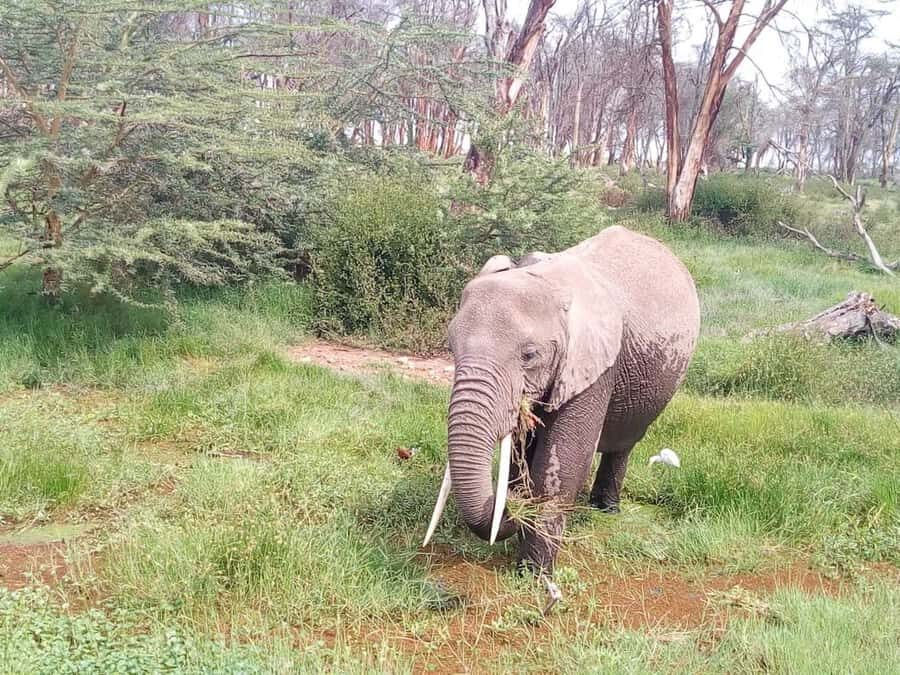
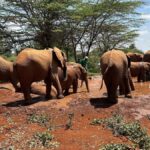
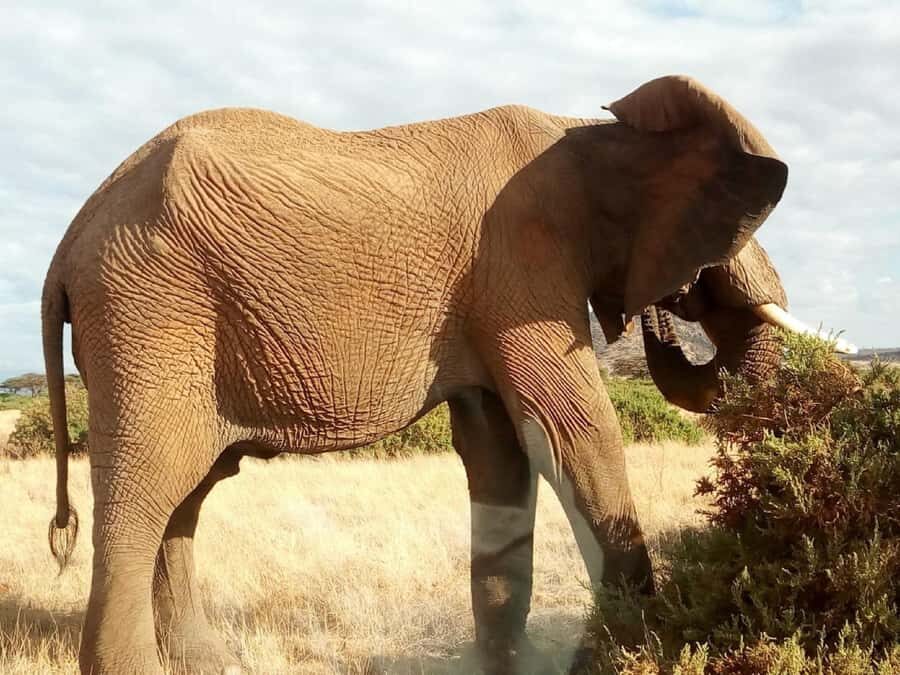
Your morning begins at the David Sheldrick Wildlife Trust, where you learn how baby elephants are rescued and cared for. This stop is more than sightseeing. It’s a behind-the-scenes look at what happens after an elephant calf arrives, and why those early stages matter so much.
When you see the babies up close, it’s hard not to pay attention. You’ll likely spend time watching the care routines and listening to explanations about rehabilitation. If you’re the type who likes meaningful context (not just selfies), this part of the day does that work for you.
Practical tip: bring your camera and keep your hands free. You’ll be moving around, and you want to be ready for the quick moments when you get the best views.
Giraffe Centre feeding plus an easy nature stroll
After Sheldrick, you head to the giraffe center. The big payoff here is simple: you get the chance to feed the giraffes. It’s one of those activities that’s fun in a straightforward way, and it beats looking at animals from far away.
You’ll also have time for a relaxing stroll through the nature park. That break matters. After the emotional intensity of the elephant orphanage setting, this gives you a calmer pace and a chance to reset before you go into museums and shows later.
Timing note: you’ll want to stay flexible here because the day’s schedule depends on travel time and how quickly each site runs. If you’re prone to getting impatient, this tour asks for a little patience—but it pays you back with access and variety.
The Karen area stops: markets and gifts you can actually use
Between wildlife and museums, there’s a shopping stop built into the day. You’ll pause for a Maasai market collection and time for gifts and souvenirs around Karen. This is the part of the tour where you can pick up small items that feel connected to the day, instead of grabbing generic stuff at a kiosk.
I like using this kind of stop to buy only what I’ll pack and use. Think small crafts, locally made keepsakes, or something you can carry without turning your bag into a brick. Since luggage or large bags aren’t allowed, plan to travel light even before you arrive.
If you enjoy chatting, this is also where you’ll likely hear more about daily life and culture in a casual way.
Karen Blixen Museum: two hours that feel like a real visit
Next comes the Karen Blixen Museum, with about two hours to explore. This isn’t a “five-minute stop.” You get enough time to wander at your own pace and actually absorb the connection between the author and the place.
You’ll learn about the famous Out of Africa author and her life and history. If you’ve only seen the film versions or skimmed the story years ago, this museum gives you the on-the-ground setting that makes it make more sense.
I also like that this segment gives your brain a break from animal encounters. It’s not just a cultural detour—it’s a slow, focused portion of the day where you can stand back, read, and connect the dots between Nairobi’s past and present.

Lunch at Mamba Village: how to budget your midday
Lunch is planned at Mamba Village after the museum. Here’s the important money point: lunch and drinks are not included in the tour price.
So if you’re trying to keep costs controlled, decide in advance what you’ll spend for lunch. The upside is that you’ll have a set place to eat, rather than scrambling while everyone else is moving on. And because it’s scheduled, you’ll likely avoid the common Nairobi problem of getting hungry and then feeling rushed.
Bring cash or a card that works for your lunch choices, and treat this meal like part of the schedule, not an optional extra you forget about.
Bomas of Kenya: folk songs, acrobatics, and 42 tribes
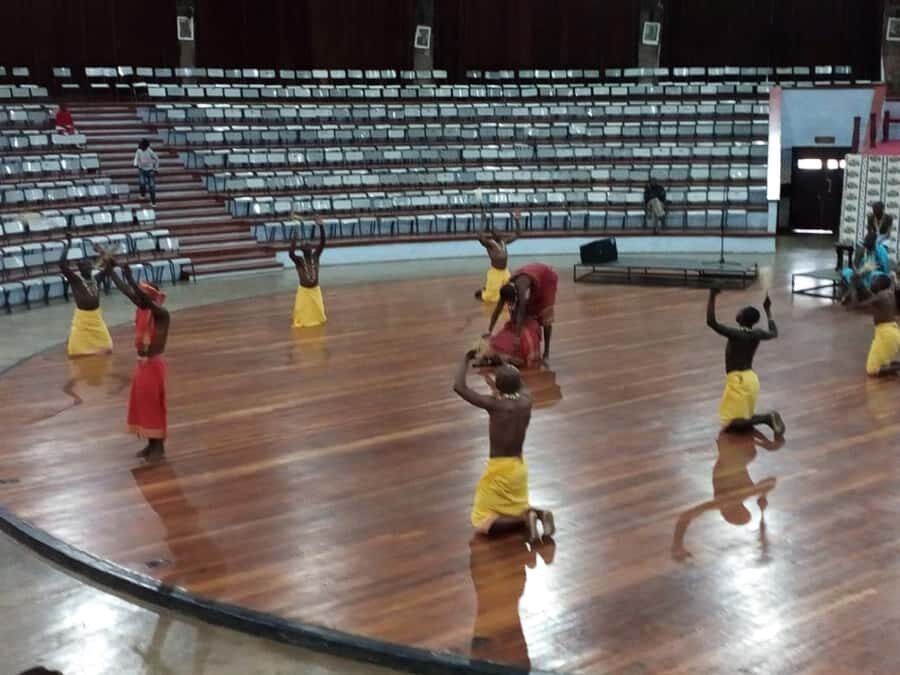
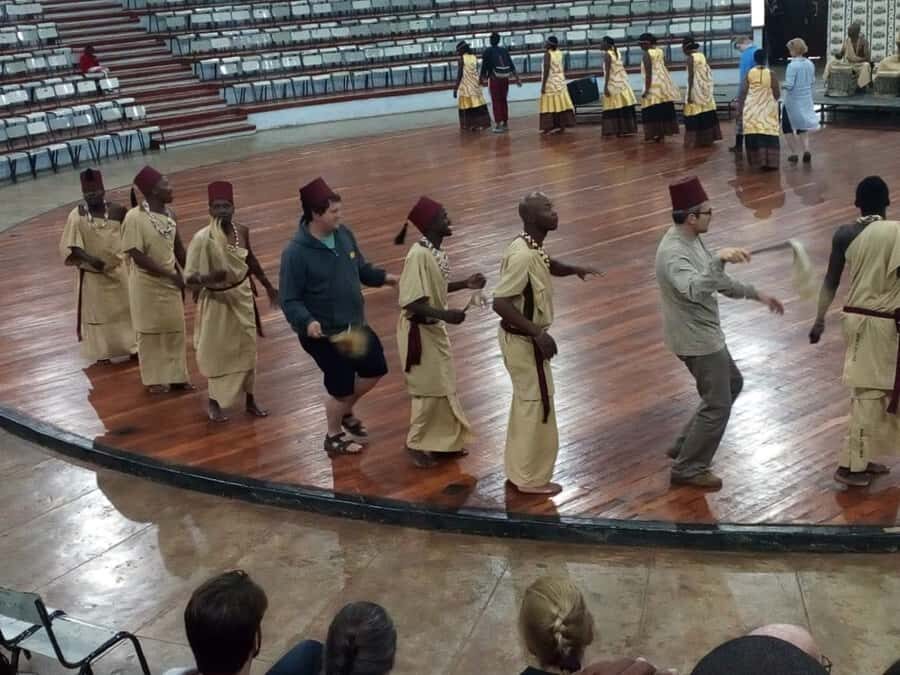
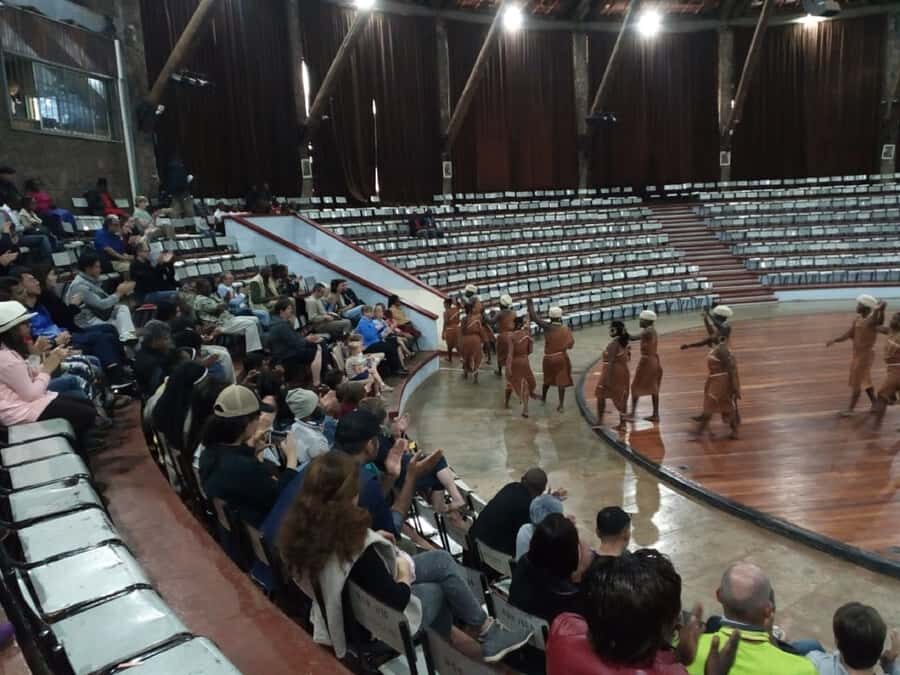
After lunch, you head to the Bomas of Kenya, where traditional houses and performances help represent 42 Kenyan tribes. The show section of the day includes traditional folk songs and acrobatics, so it’s both cultural and entertaining.
What I find smart about ending here is the learning style. Earlier in the day you learn through observation—elephants and giraffes, plus museum exhibits. At Bomas, you learn through performance and physical storytelling. You’re watching how music, dance, and movement explain community life.
You’ll also have a chance to see traditional houses. Even if you don’t know every tribe’s details, walking through the structures helps you visualize what daily life could look like. It turns the culture experience from abstract to concrete.
Timing consideration: the Bomas show can run later. On Sundays, it may not finish until around 17:15, which pushes the overall tour length. If you have evening plans back in the city, don’t book something tight the same day.
Price and value: does $80 make sense for this full day?
At about $80 per person, this tour lands in the “value” zone for Nairobi if you like packed days. You’re paying for air-conditioned round-trip hotel transfers, an English-speaking guide, mineral water, and taxes. Entrance fees and lunch are extra.
That matters for how you judge price. If you already planned to visit Sheldrick, the giraffe center, and Karen Blixen separately, this one-day structure can save time and planning headaches. It also stacks animal time, museum time, and a cultural show without you needing multiple tickets and separate transport bookings.
The tradeoff is time and the level of guiding inside each site. If you expect a guide to stand with you during every exhibit and tell you exactly where to stand for the best view, you might find the experience more hands-off than you imagined. The transport and explanations on the move are strong, though.
For many people, that mix still makes it worth it—especially if it’s your one full day in Nairobi.
Logistics that can make or break your day
Before you go, I’d plan for three real-world factors: comfort, bag size, and schedule length.
Comfort: You’ll be on your feet at multiple stops and sitting in the vehicle between them. Wear shoes you can walk in for long stretches. Bring sun protection too, even on cloudy days.
Bags: luggage or large bags aren’t allowed. Pack light for the whole day so you’re not stressed at each gate.
Schedule: expect a long day. The tour starts with hotel pickup at 9:00 AM and returns late afternoon. On days with later Bomas show timing, the day stretches further, so keep your next-day plans realistic.
Who should book this tour, and who might want something else
This tour fits best if you want a single, structured day that hits four big goals: wildlife, giraffes up close, Karen Blixen, and a cultural performance finale.
It’s also a good choice if you like traveling with someone who can point out landmarks and keep the route organized. The driver support is part of the appeal, and it helps make Nairobi feel less confusing.
You might consider a different style of tour if you’re traveling with strict expectations about guided time inside every venue. Some parts of the experience may feel more like site access plus transport than like constant narration at your elbow. If that kind of hands-on guiding is your top priority, you may want a different format.
Should you book the Nairobi Elephants, Giraffes, Karen Blixen & Bomas tour?
I’d book it if you want maximum variety in one day, and you care about seeing baby elephants and feeding giraffes without building a complicated itinerary yourself. The Karen Blixen Museum time is a real bonus, and ending at Bomas gives you a memorable cultural payoff.
I wouldn’t book it only if you hate long days or you need a guide to stay with you inside every building and activity. Also, go in knowing lunch and entrance fees are extra, so budget a bit beyond the headline price.
If you match those priorities, this is a strong value way to use one full day in Nairobi.
FAQ
What time is hotel pickup for this tour?
Pickup starts at 9:00 AM from your Nairobi hotel, with return to your hotel in the late afternoon.
What is included in the $80 per person price?
The price includes hotel pickup and drop-off, an English-speaking guide, mineral water, and taxes.
Is lunch included?
No. Lunch and drinks are not included, even though there is a scheduled lunch stop at Mamba Village.
Are entrance fees included?
No. Entrance fees are not included.
Can I feed the giraffes?
Yes. The tour includes a stop at the giraffe center, where you have the opportunity to feed the giraffes.
Is there a pay later option and what is the cancellation window?
Yes, you can reserve and pay later. You can cancel up to 24 hours in advance for a full refund.
What identification do I need?
You’ll need a passport or ID card.