REVIEW · DIANI BEACH
Diani bush tour
Book on GetYourGuide →Operated by Frenzy Adventures Limited Kenya · Bookable on GetYourGuide
Diani’s morning route tells a truer story. You trade beach time for a hands-on look at daily life on Kenya’s coast, with a stop at the local vegetable market, a school visit, and then a village and traditional medicine man. Two highlights I like a lot are the local vegetable market and seeing the school in session.
The main thing to keep in mind is etiquette and money. You might be encouraged to buy small items at different stops, and tipping can add up fast, so go in with a budget and a clear way you want to support (without feeling pressured).
In This Review
- Key Points at a Glance
- Why This Diani Bush Tour Works (Even If You Have Limited Time)
- Morning Pickup in Diani: From Beach to Village Life
- The Local Vegetable Market: More Than Colorful Produce
- School Visit in Action: Learning, Smiles, and Quiet Reality
- Village Visit: How Daily Meals Are Prepared
- The Traditional Medicine Man (Bush Doctor): Herbs, Roots, and Belief
- Transfers, Water, and the Real Cost of a “Low Price” Tour
- Guide and Language Options: What You Can Expect
- How to Support the Community Without Feeling Used
- Who This Tour Is Best For (And Who Might Prefer Something Else)
- A Practical Packing and Timing Checklist
- Should You Book the Diani Bush Tour?
- FAQ
- What time does the Diani bush tour pick up guests?
- How long is the tour?
- What does the tour include?
- Is food included?
- Are drinks included?
- What languages are available for the live tour guide?
- Is free cancellation available?
Key Points at a Glance
- Hotel pickup at 08:00 and back by 1pm keeps this easy and time-friendly.
- Local vegetable market gives you a real sense of what people buy and sell each day.
- School time with local children is the heart of the visit and the most memorable for many people.
- Village meal-prep moments show daily routines, not just staged photos.
- Traditional bush doctor session explains healing practices using herbs and roots.
- Water included, but food and drinks are not, so plan around that.
Why This Diani Bush Tour Works (Even If You Have Limited Time)
This is a tight, four-hour program that packs in several layers of community life. You start in the morning, when markets are active and school energy is fresh, and you finish before midday back at your hotel area.
It’s also built for connection. Instead of just driving past sights, you’re set up to observe how people live, learn, and work—and to interact in a respectful way at the market and school.
The itinerary is simple on paper, but the impact comes from the order: market → school → village → bush doctor. That flow helps you understand what you’re seeing as part of one daily system, not isolated “attractions.”
You can also read our reviews of more tours and experiences in Diani Beach.


Morning Pickup in Diani: From Beach to Village Life
The tour starts with pickup from Diani Beach at 08:00. From there, you’re transferred through the area to your first stop, the local vegetable market.
I like the timing because you’re not fighting the heat for long. By returning by 1pm, you also avoid the late-morning crowds and you can still plan lunch and downtime right after.
Your guide is live and speaks multiple languages, including English, French, German, Polish, Spanish, and Italian. In one group experience I saw referenced, a French-speaking guide named Omar led the tour smoothly, which is a nice reminder that language support can be real, not just on a brochure.
The Local Vegetable Market: More Than Colorful Produce
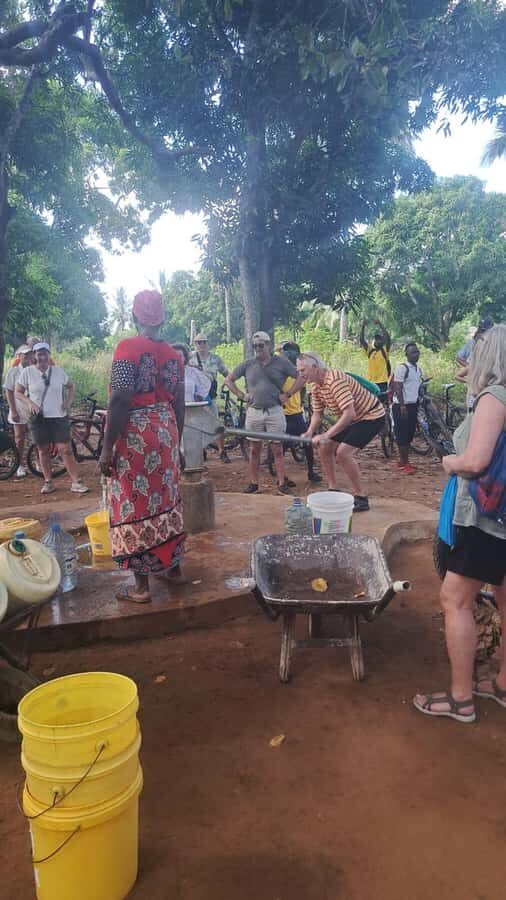
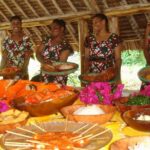
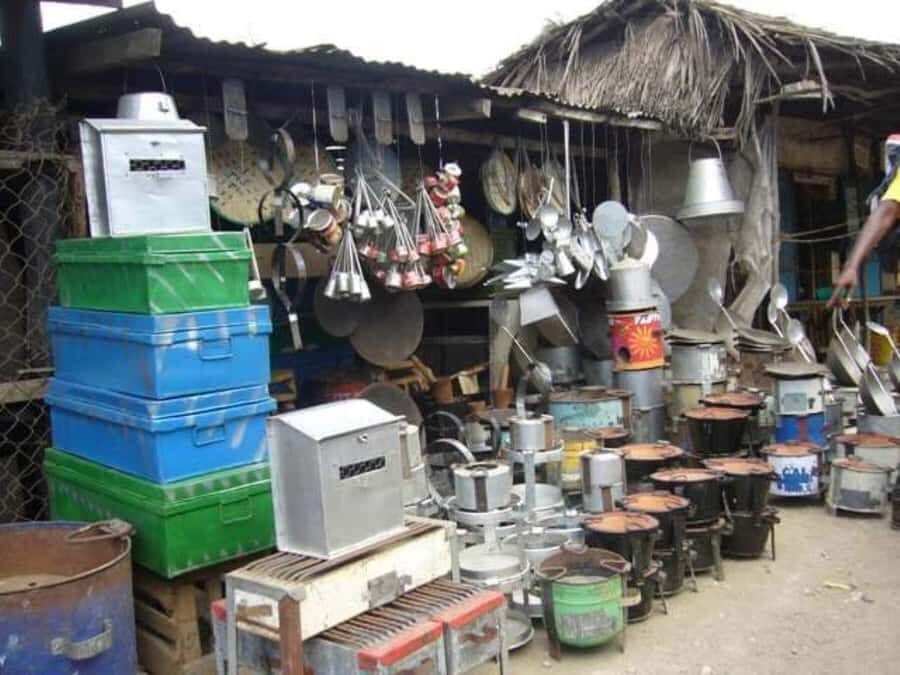
The first major stop is the local vegetable market. This is where you get the most direct look at local commerce—what people are growing, what’s in season, and how buying and selling actually happens.
Expect a walk-and-talk style visit where you can interact with vendors and see how they conduct business. You’ll likely notice that many exchanges are quick and practical. People aren’t performing for you. They’re simply doing their day.
This stop is valuable for two reasons. First, it teaches you to pay attention to everyday food choices, not just tourist meals. Second, it gives you something simple to talk about, especially if you want to interact without needing to force conversation.
What to watch for: market visits can naturally lead to offers to buy small items. If you want to keep spending under control, decide in advance what you’re comfortable purchasing.
School Visit in Action: Learning, Smiles, and Quiet Reality
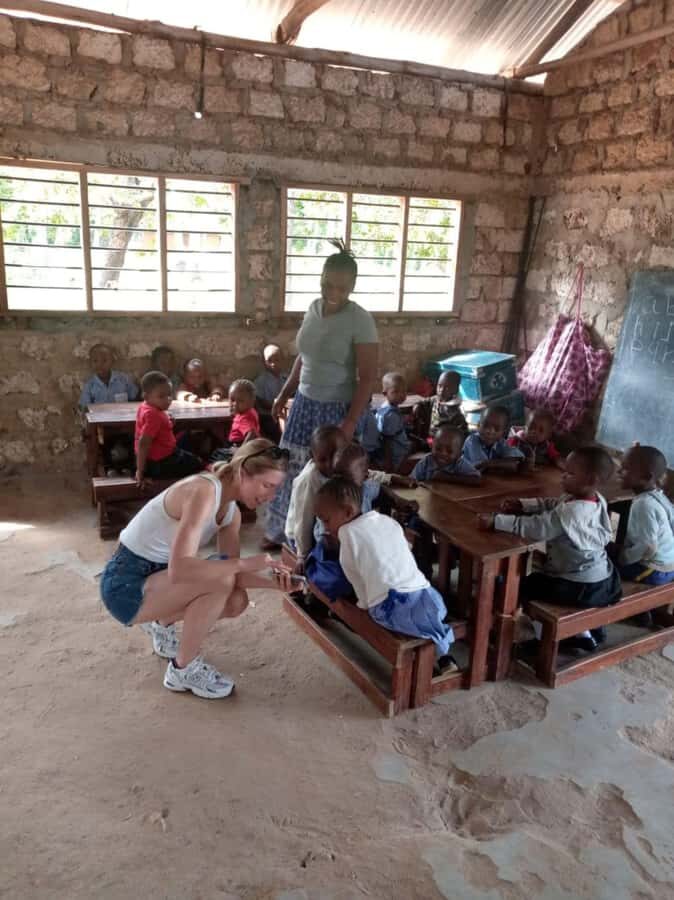
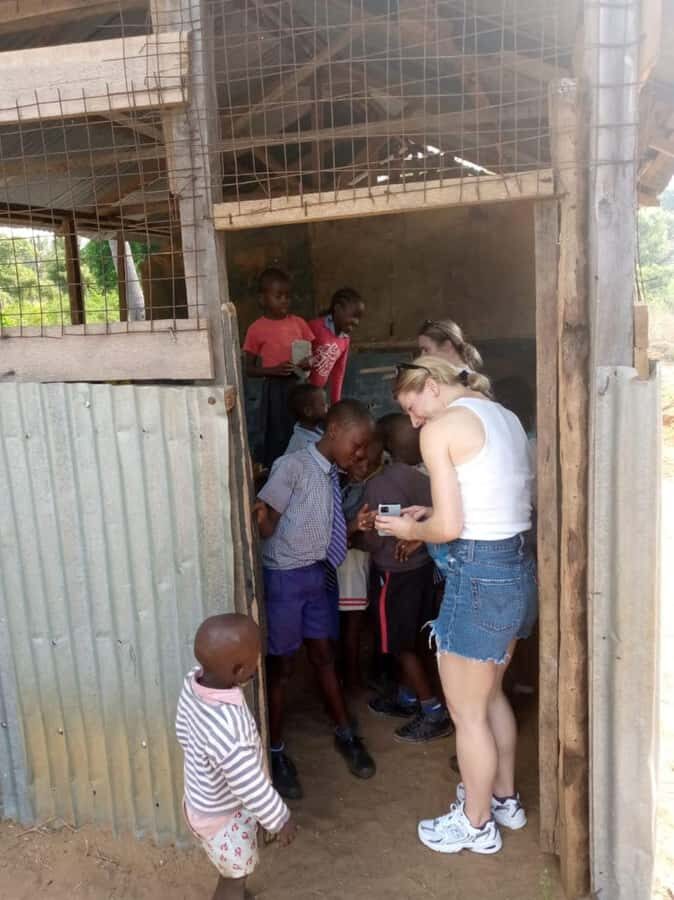
Next is the local school. You’ll have time to see children learning and to interact with them. This is often the emotional center of the tour because it feels immediate and human.
Be ready for lots of attention. Children may come close out of curiosity, and adults may explain things as best they can. Your role is to be calm, respectful, and mindful—think “supportive visitor,” not “photo hunter.”
A practical note from real-world experiences: some groups have been met with requests connected to sweets or small treats. One person felt that handing out candy in that kind of forced or ritualized way created a bad habit dynamic. Another approach that worked better for that visitor was bringing school supplies instead of sweets.
So here’s my advice: if you want to bring something to help, align it with needs like notebooks or classroom supplies (not just sugary treats). And if something feels pushy, it’s okay to say no politely and focus on what you can do within the tour flow.
Village Visit: How Daily Meals Are Prepared
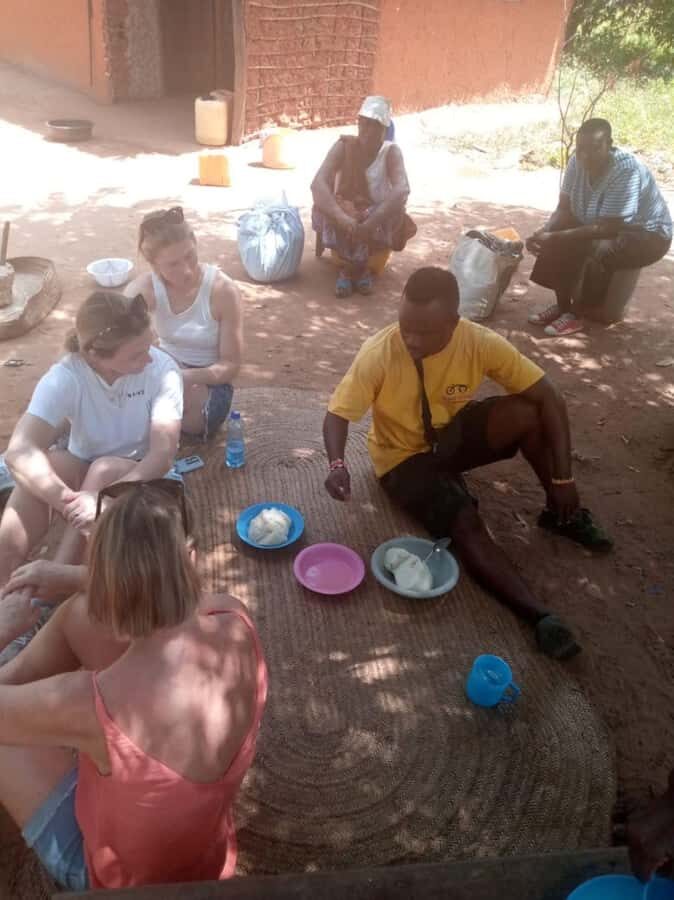
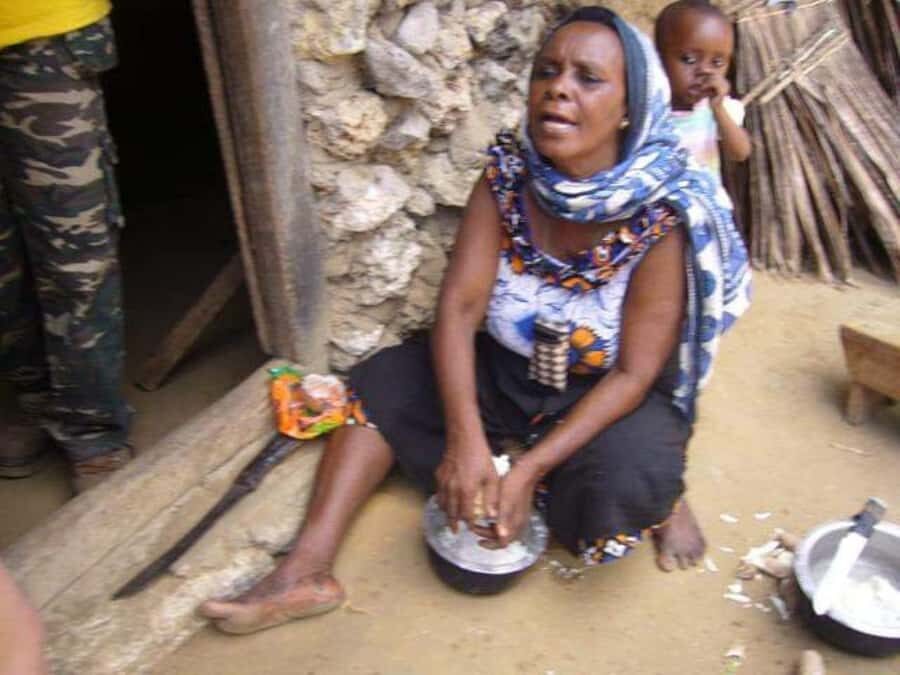
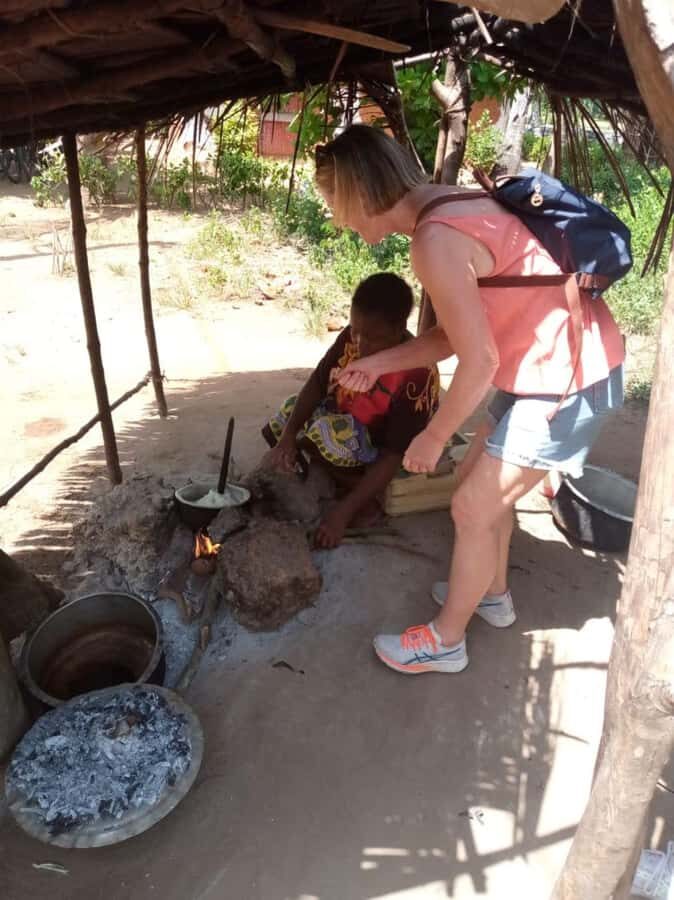
After school, you’ll visit a local village, where you can observe everyday life. A key highlight here is watching women prepare meals for their families.
This stop often goes beyond the “look and leave” style, because meal-prep reveals habits: cooking methods, food preparation routines, and how meals fit around work and family life. It’s the kind of scene that makes you realize how much daily survival and care go into something as ordinary as eating.
You may also experience the social side of a village visit—people greet, speak, and sometimes ask questions. That’s normal. Just remember you’re a visitor, so keep your curiosity respectful and your boundaries clear.
One consideration: interactions can occasionally turn into name-checking and handmade-item requests. In one experience, a visitor felt compelled to buy bracelets after a man approached for family details and later returned with bracelets made with names. If you prefer to support directly through planned giving, go in prepared to refuse sales in a kind but firm way.






The Traditional Medicine Man (Bush Doctor): Herbs, Roots, and Belief
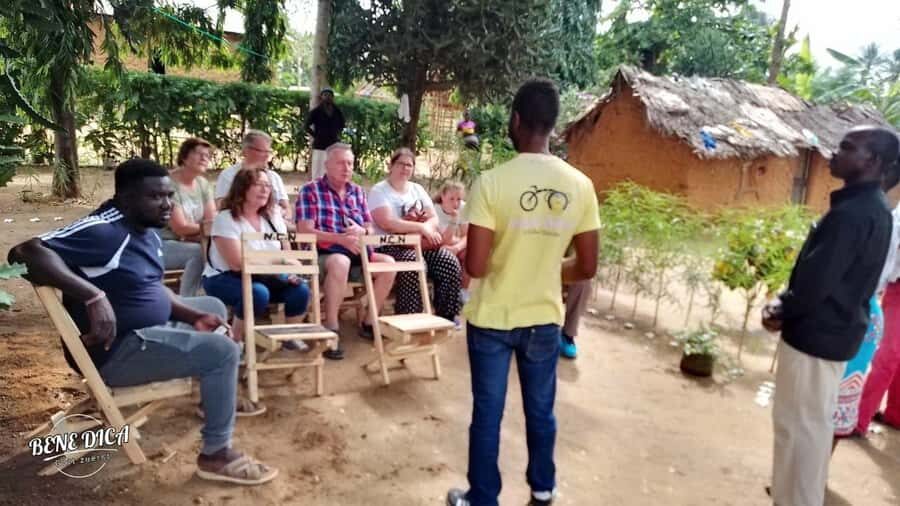
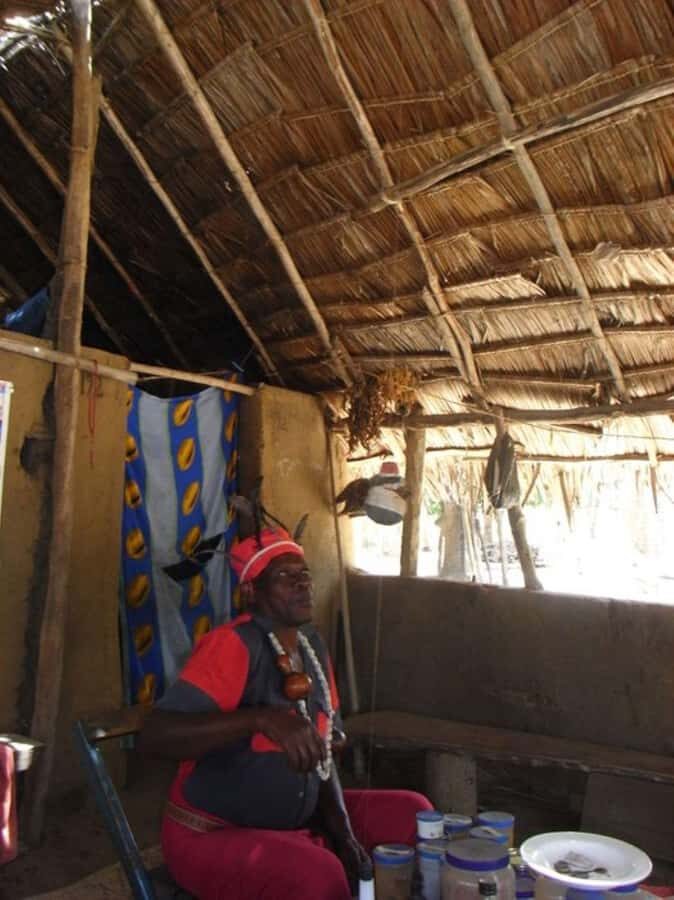
The last major program element is the traditional medicine man, often described as a bush doctor. You’ll visit and see how he uses traditional herbs and roots to cure diseases.
In many places like this, the story of traditional healing is closely tied to knowledge passed down through generations. Even if you’re skeptical of every claim, the cultural importance is real. It’s a window into what people believe, how they practice care, and how illness and wellness are understood locally.
Expect this stop to feel more like an explanation than a performance. You’ll likely see samples of herbal materials and hear about their uses. Some explanations may be more about tradition and experience than scientific proof by Western standards. That’s not a flaw—it’s simply a different system of understanding.
Important: keep your expectations grounded. This is a cultural visit, not a medical clinic. Don’t come looking for treatment. Come looking to learn how the community thinks about healing and what remedies are valued.
Transfers, Water, and the Real Cost of a “Low Price” Tour
The price is $75 per person for 4 hours, including transfers to and from your hotel, water, and the market, school, and bush doctor visits.
That’s not just a bargain for time. It’s also a way to avoid logistics stress. You get the driving and coordination handled, and you don’t have to negotiate your own route. On a budget trip, that convenience can be worth a lot.
But here’s the honest part: food and drinks are not included. Plan to eat before or after the tour, and make sure you’re hydrated with what’s provided (water is included).
Also, while your core tour cost is fixed, your actual spend may rise if you choose to buy items or give additional money on the spot. In real experiences shared by other visitors, extra spending has run close to the $100 range when multiple donation or purchase requests happened across stops.
You can absolutely keep this tour affordable—you just need a strategy:
- Decide a max amount you’re comfortable spending beyond the tour price.
- If sweets or bracelets are offered, decide in advance whether you want that kind of support.
- If you want to help the school, think in terms of supplies rather than treats.
Guide and Language Options: What You Can Expect
A live guide runs the tour, speaking English, French, German, Polish, Spanish, and Italian. That matters more than it sounds, because the value here is interpretation. Without someone translating meaning, you’d mostly be watching scenes pass by.
In one experience noted, the French-speaking group was guided by Omar, described as professional and friendly. That’s a good sign that the guide experience can be strong, especially when you’re traveling with language needs.
If you’re particular about communication, confirm what language group you’re assigned before you go. It’s the easiest way to protect the quality of your experience.
How to Support the Community Without Feeling Used
This tour is about real life, and real life sometimes comes with requests. People may see you as someone who can help. That’s understandable. Your job is to respond in a way that feels respectful and sustainable.
I suggest you use this simple rule: if something is being presented as an obligation, pause. Ask yourself if you truly want to buy it. If you do, pay fairly. If you don’t, a polite no is still a complete answer.
A smart approach:
- Bring a small amount of cash for small, voluntary purchases only if you want them.
- Choose one type of support you feel good about (school supplies, a small gift, a donation) and keep it consistent.
- Avoid random purchases that are hard to justify later—like sweets meant to be handed out on the spot—unless you’re confident it’s the kind of help you want to provide.
This is how you get the human connection without turning the day into guilt management.
Who This Tour Is Best For (And Who Might Prefer Something Else)
This Diani bush tour suits you if you want a short, structured introduction to coastal community life. It’s especially good for first-time visitors who want to understand how daily life connects across market, school, village homes, and traditional healing.
It’s also a strong choice if you’re traveling with curiosity and patience. You’ll see things that aren’t “tourist tidy,” and that’s part of the point.
You might want to skip or choose carefully if you dislike situations where shopping, tipping, or donation requests can feel frequent. If you’re not comfortable setting boundaries, this kind of experience can feel stressful instead of meaningful.
A Practical Packing and Timing Checklist
The tour runs from 08:00 to about 1pm, so dress and plan like a morning outing. You’ll be walking through market areas and spending time outside at multiple stops.
Since food and drinks are not included (water is), do this:
- Eat before pickup if you get hungry early.
- Have a refill plan after returning to your hotel.
- Bring a light layer, especially if mornings are breezy.
And for interaction: a calm attitude goes farther than perfect clothes. If you’re taking photos, ask when appropriate and be aware that not everyone will want a camera pointed at them.
Should You Book the Diani Bush Tour?
If you want an honest, community-focused morning in Kenya’s coast region, I think you’ll like this. The value is strong for the price because transfers, key stops, and water are included—and the 4-hour timing is practical.
Book it if you’re ready to engage respectfully at a local vegetable market, support through the local school, and learn how a traditional bush doctor uses herbs and roots. The biggest reason to choose it is the structure: you’ll understand daily life as a connected system, not a checklist.
Skip it (or ask a lot of questions first) if you know you don’t want any chance of upsells, gifts, or on-the-spot requests. This tour can be meaningful, but it’s not a controlled museum visit.
FAQ
What time does the Diani bush tour pick up guests?
Pickup is at 08:00 from Diani Beach.
How long is the tour?
The duration is 4 hours, and you’re transferred back to your hotel by 1pm.
What does the tour include?
It includes transfers to and from your hotel, visits to the local vegetable market, local school, and the traditional medicine man, plus water.
Is food included?
No. Food is not included.
Are drinks included?
No. Drinks are not included.
What languages are available for the live tour guide?
The live guide is available in English, French, German, Polish, Spanish, and Italian.
Is free cancellation available?
Yes. You can cancel up to 24 hours in advance for a full refund.
If you tell me your travel dates and which language you prefer, I can help you plan what to expect from a morning like this and how to budget for optional stops.