REVIEW · DIANI BEACH
Diani Beach: Private African Pool Map Guided Tour
Book on GetYourGuide →Operated by Explore with Eve · Bookable on GetYourGuide
Diani’s African Pool sounds like a postcard, but what makes it work is the timing and the route. You’re heading to a natural sea pool that takes shape like Africa, and you’ll get there on two wheels first and then by foot along the shore. I like that it feels adventurous without being complicated: motorbike transfer + shoreline walking in a tight 3-hour window.
What I really like is the guided attention on what’s around you. With guides such as Mohamed (and sometimes Sudi), you’re not just swimming—you’re spotting small reef life in rock pools along the way, and then snorkeling in caves and clear shallows. The second big win: the tour includes the gear and the extras that matter on slippery rock, like snorkeling equipment and protective shoes.
One consideration: the African Pool is only accessible during low tide, so you need the correct timing for your exact dates before you go. If you arrive when the water is higher, you’ll lose the main feature of the day.
In This Review
- Key highlights at a glance
- Why the African Pool tour feels special (and not just another beach stop)
- Kongo Mosque start and the low-tide rule that controls everything
- Tiwi by motorbike: a short ride, a real local feel
- The shore walk to the African Pool: caves, rock pools, and tide-made shapes
- Snorkeling and swimming at the African Pool (about one hour)
- Gear, footwear, and what to bring so you stay comfortable
- Price and value: what $35 per person really buys you
- Who should book this and who might want to skip it
- Should you book the Diani African Pool Map Tour?
- FAQ
- FAQ
- Where is the meeting point?
- How long is the tour?
- What is included in the price?
- Is this a private tour?
- Do I need to swim or snorkel?
- When can I access the African Pool?
- What should I bring?
Key highlights at a glance
- African pool access is tied to low tide timing
- Each person rides a motorbike with a trained rider
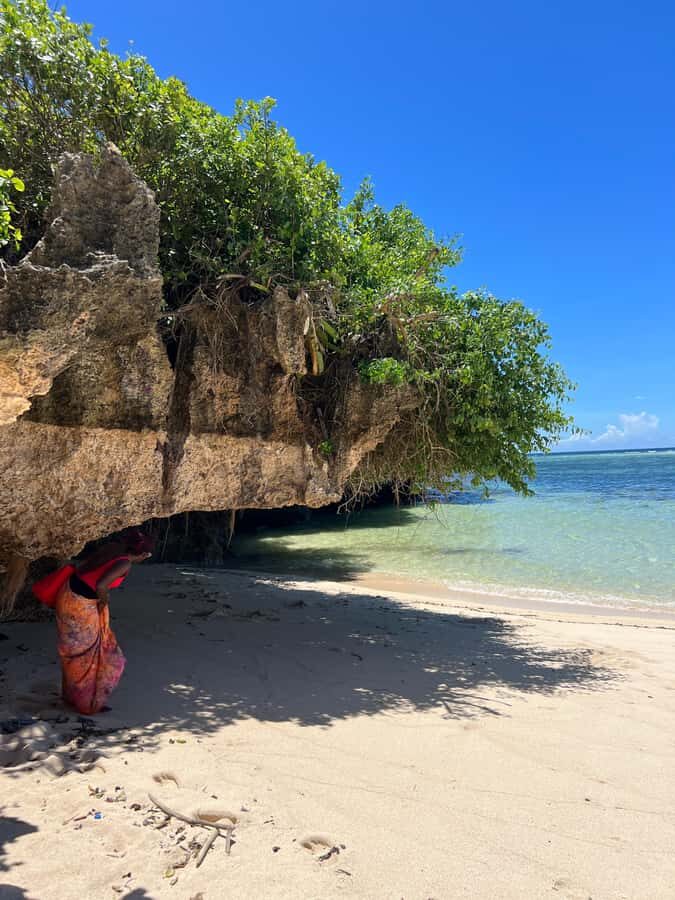
- You walk past caves, cliffs, and smaller tide pools with sea creatures
- Snorkeling gear and protective footwear are included
- You can add cliff jumping if you’re comfortable and the conditions allow
Why the African Pool tour feels special (and not just another beach stop)
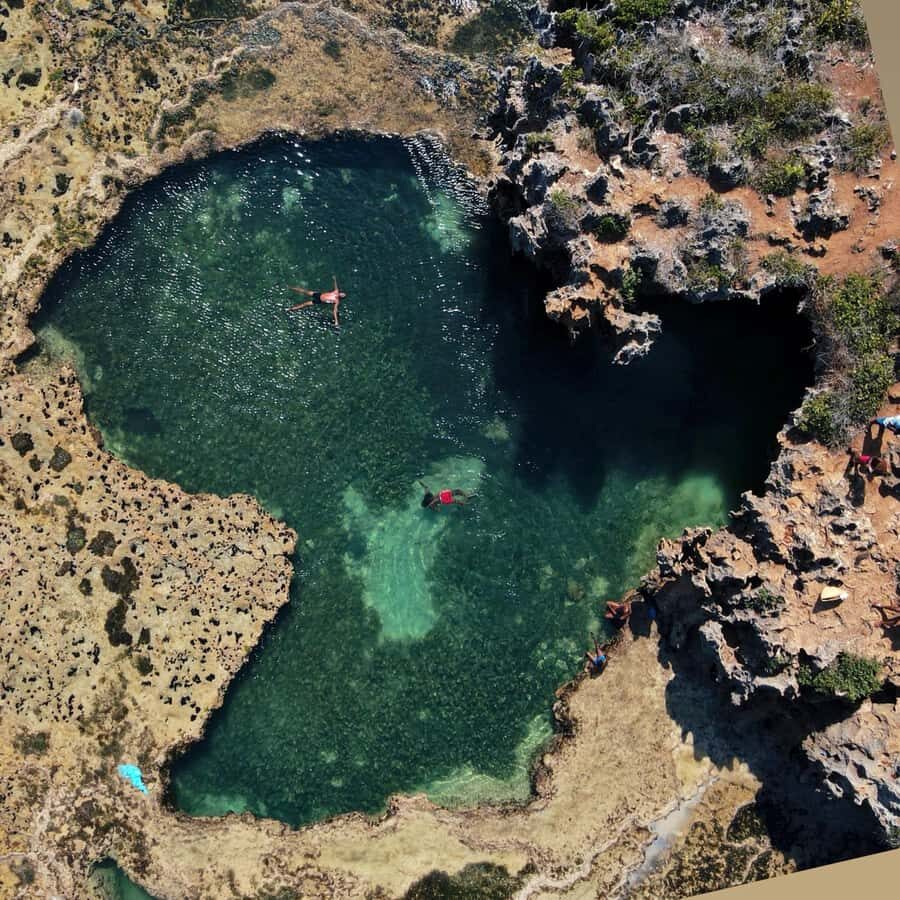
This is the kind of Diani activity that works because it’s built around the ocean’s mood. At the African Pool, the water turns a section of shoreline into a natural swimming bowl, and the shape is the star of the show—Africa in outline, surrounded by rock and tide-carved features.
But the pool is only half the story. What you’ll remember most is the walk and the water life you can actually see without big crowds or big boats. On the way in, you pass cliffs and caves that get shaped by waves over and over, and you’ll notice smaller pools hiding colorful sea creatures. It feels like nature’s aquarium, close enough to spot with your own eyes when your guide points things out.
And since this is private, the pacing can match you. If you want to snorkel a bit longer in a cave or take more time photographing rock pools, that usually fits better than on a larger group schedule.
You can also read our reviews of more guided tours in Diani Beach
Kongo Mosque start and the low-tide rule that controls everything
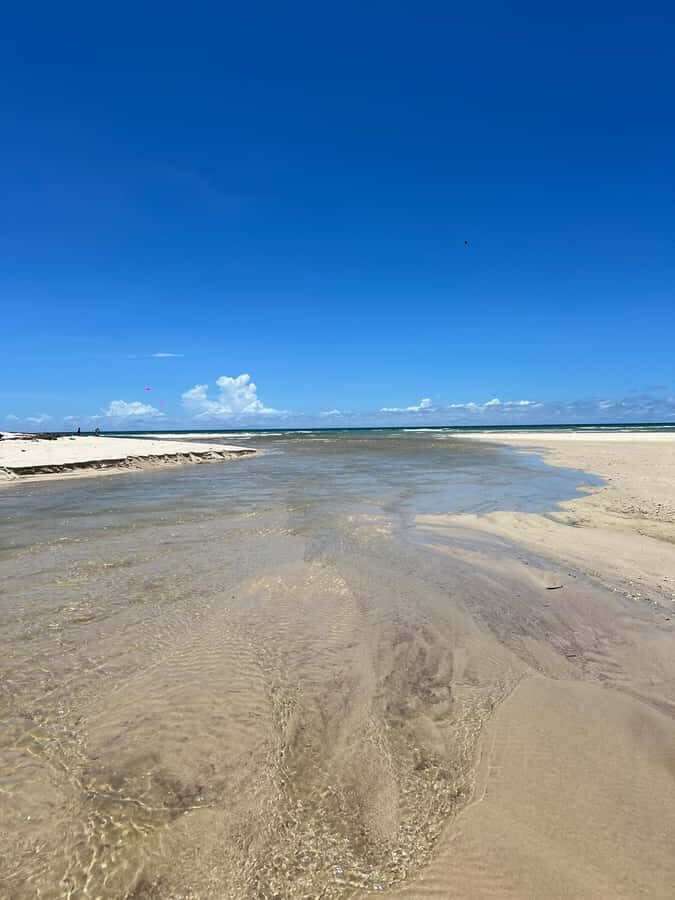
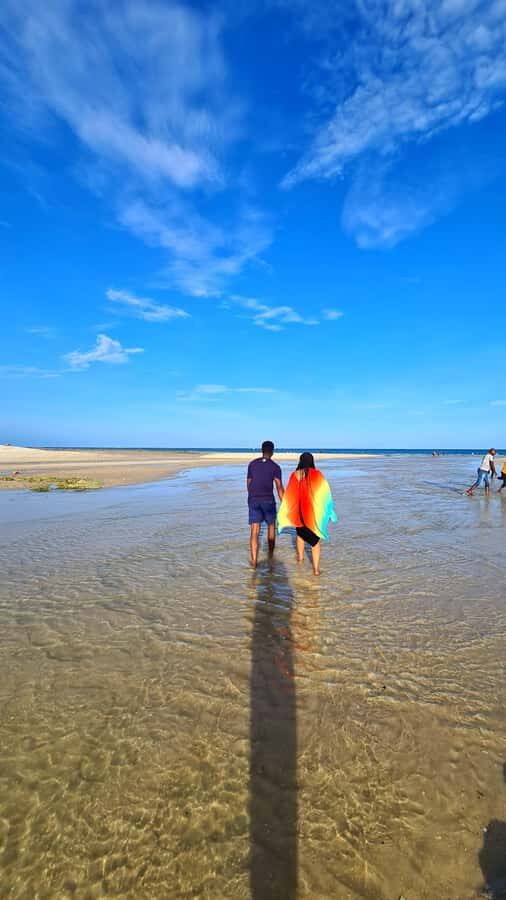
You meet at Kongo Mosque, then you head off toward the coast-area shoreline where the route begins with a river crossing. The good news is that it happens during low tide, and the crossing is described as easy—more like moving across a gentle stream than anything intense.
That low-tide timing is also the make-or-break detail for the African Pool itself. The pool is only reachable when the water level drops. Before you book, you’re expected to get the correct timing for your dates, and after booking you should message on WhatsApp using the number provided so you don’t miss the scheduled window.
Practical takeaway for you: plan this as a main activity for your morning or afternoon, not something you tack on casually. If you show up late, you may find the main pool area is already changing.
Tiwi by motorbike: a short ride, a real local feel
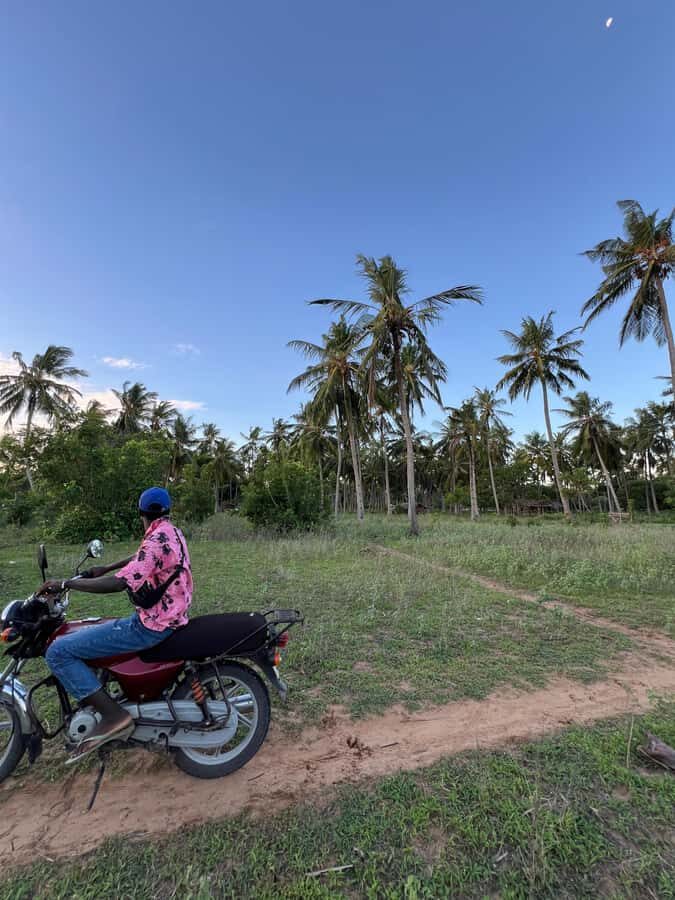
After the start, you’ll take a scenic motorbike ride through Tiwi, Kenya. The ride is short—about 10 minutes—and it’s designed so you get a sense of how people live in the area, not just views from a hotel road.
What’s smart here is the comfort setup. Everyone gets a personal motorbike with a well-trained rider, so you’re not crammed behind someone or stuck waiting. It’s also faster than walking the whole way, so the overall experience still lands in a relaxed 3-hour loop.
You’ll likely stop for photos along the way. That matters because it’s not only about the pool; it’s about the approach—the route, the coastline feel, and the little moments en route where you see the area as it is.
The shore walk to the African Pool: caves, rock pools, and tide-made shapes
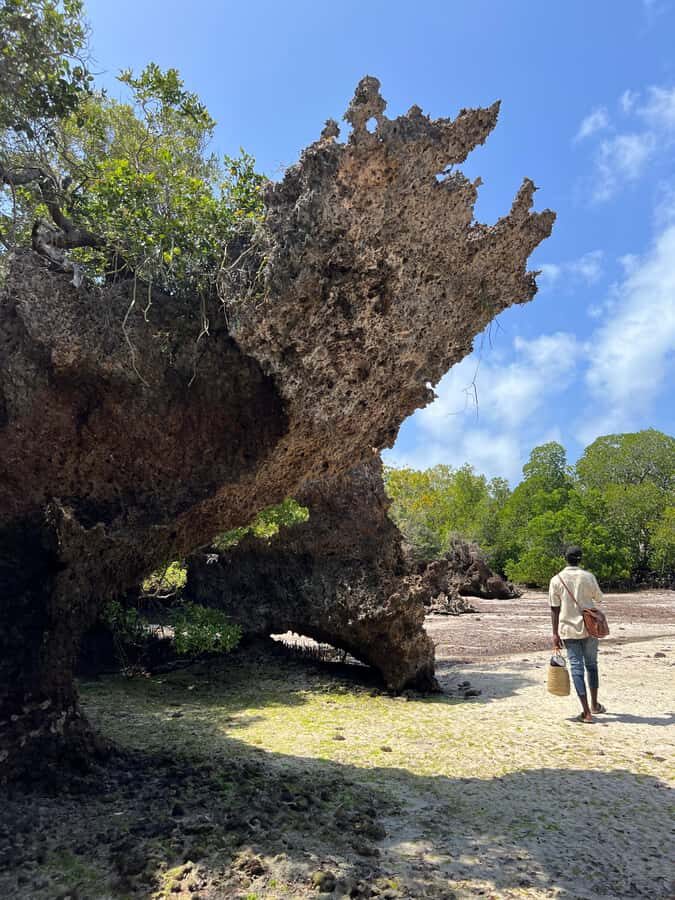
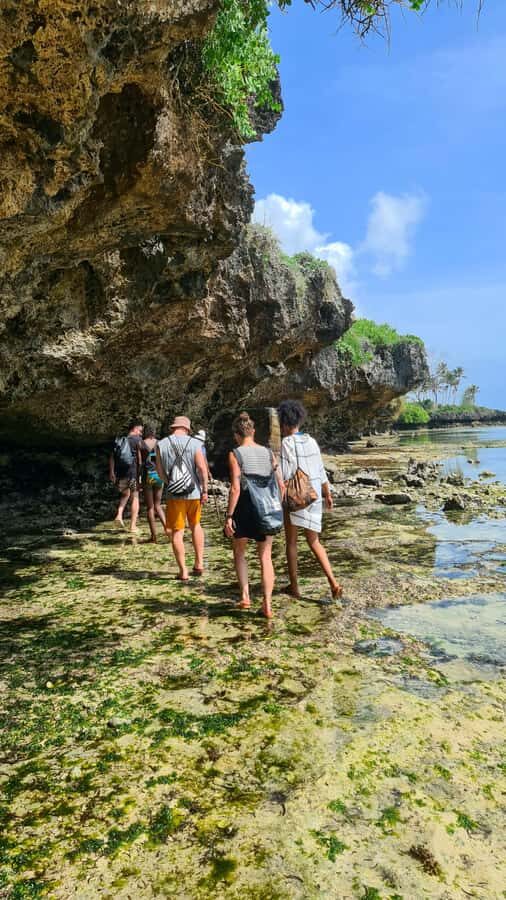
Once you’re dropped at the start of the beach approach, you’ll do about a 10-minute beach walk to the African Pool. This is where the scenery turns from pretty to interesting.
Along the shore, you pass significant caves and cliff areas. These formations have different shapes, and they change with the tide because waves repeatedly hit and reshape the rock. At low tide, you also get access to the smaller pools tucked into the shoreline.
This is where the guides earn their pay. With the right eye, those rock pools are full of small life. You may spot sea spiders, red crabs, sea urchins, sea cucumbers, and other tiny sea critters. It’s not a museum display—it’s the ocean’s small neighborhoods, and you’re walking through them carefully.
One small but important note: rock can be slippery. Guides provide protective shoes, and you’ll be glad for them on uneven, wet surfaces.
Snorkeling and swimming at the African Pool (about one hour)
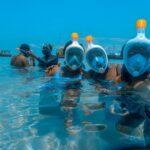
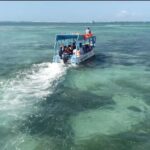
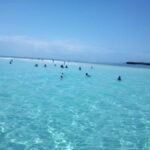
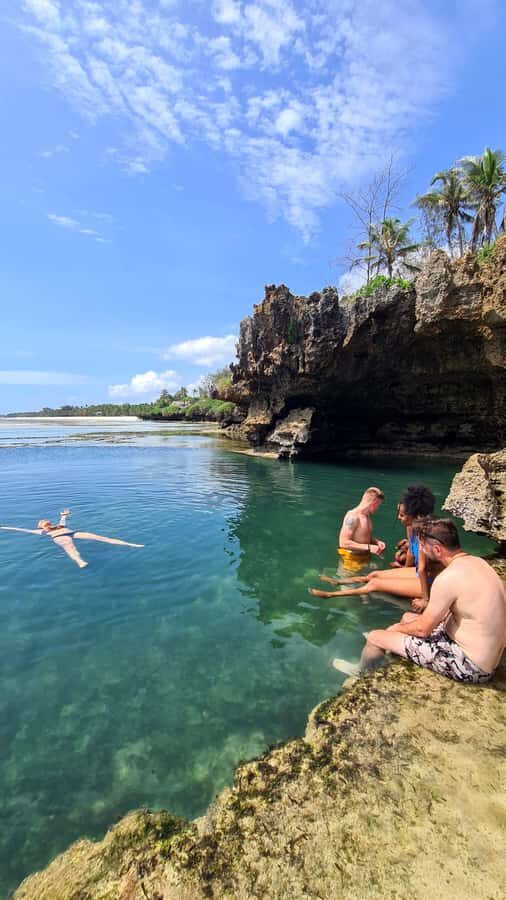
When you reach the African Pool, the plan is simple: swim and soak for about an hour. The water is described as turquoise blue, and that color is exactly why people get excited—this is the moment you came for.
You’ll have time to relax and enjoy the feel of a natural pool instead of an open beach surf zone. You’re also in an area with caves and rock features nearby, which makes snorkeling more interesting than just bobbing in open water.
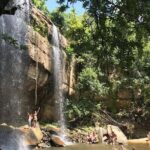
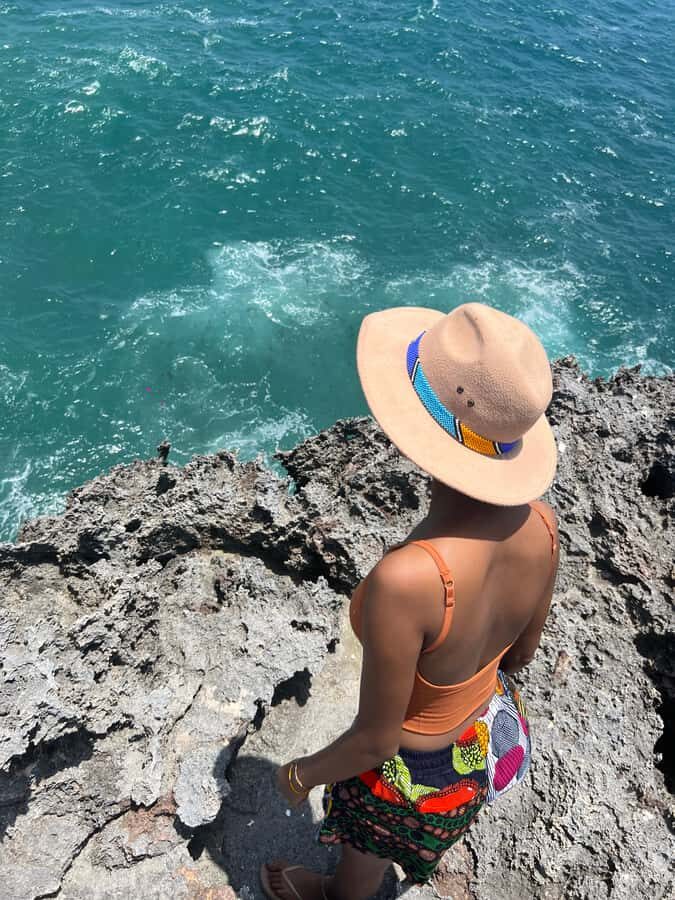
If you want to add adrenaline, there’s a possibility to climb nearby cliffs and jump into the pool if you’re comfortable. The key is that this isn’t presented as mandatory—it’s an option for the daring. If you’re unsure, you can still have a great swim without it.
In terms of what you’ll see, guides pay attention to aquatic life. One strong theme from past guests: the tour often includes spotting fish such as parrot fish and lionfish around the caves and water edges, plus starfish in certain spots. You’ll get the kind of guidance that turns random swimming into something you can actually observe and understand.
You can also read our reviews of more private tours in Diani Beach


Gear, footwear, and what to bring so you stay comfortable
This tour is built to keep you from needing extra rentals. It includes:
- Snorkeling equipment
- Feet protection shoes
- Pool access fee
- Transport from the meeting point
- A live English guide
Even so, you should show up ready for a wet, sunny coastal outing. Bring:
- Hat
- Sunscreen
- Water
- Beachwear
- Water shoes
- Reusable water bottle
A practical strategy: pack sunscreen and water where you can reach them quickly. You’ll spend time walking and then time in the sun, and the trip stays short enough that you won’t want to scramble later.
Also, if you have your own snorkel mask, you can bring it, but the tour provides snorkeling gear. Either way, keep an eye on fit and comfort when you first get in the water.
Price and value: what $35 per person really buys you
At $35 per person for about 3 hours, this doesn’t compete with a long excursion. Instead, it targets value through three things you’d otherwise have to arrange yourself:
1) Timed access to the African Pool (low tide matters, and the tour is built around it)
2) Transportation and guide support (the motorbike ride + river crossing + guided route)
3) Snorkeling setup plus protective footwear
If you were to do this independently, you’d spend time figuring out access timing, finding the correct shore area, and sourcing footwear and snorkeling gear that makes rock walking safer. Here, you’re paying for a smooth path to the right places at the right water level.
The private group structure also adds value. It’s easier to ask questions, move at a comfortable pace, and get help if someone isn’t a strong swimmer. Several guides are noted for being patient, which matters in a pool-and-caves environment.
Who should book this and who might want to skip it
This tour is a great match if you want:
- A short, guided adventure that feels different from standard beach time
- More nature observing than lying on a towel
- A fun mix of walk + snorkel + swim
- A guided route that helps you see small sea life you’d miss on your own
It may be less ideal if:
- You hate being at the mercy of low tide timing
- You’re not comfortable walking on wet, uneven rock (even with protective shoes)
- You want a long, slow day at the beach rather than a focused 3-hour loop
Should you book the Diani African Pool Map Tour?
If your priority is the actual pool experience plus a guided route to get there, I think it’s worth booking. The included gear, the short itinerary, and the way the tour connects the bike ride, caves, and the Africa-shaped pool make it feel like more than just a swim.
Just do one thing before you go: get the exact low-tide timings for your dates and confirm by WhatsApp after booking. If you respect that rule, you’ll be set for one of the most memorable, ocean-driven experiences along the Diani/Tiwi stretch.
FAQ
FAQ
Where is the meeting point?
You meet at Kongo Mosque.
How long is the tour?
The tour lasts about 3 hours.
What is included in the price?
It includes transport from the meeting point, pool access fee, snorkeling equipment, feet protection shoes, and a guide fee.
Is this a private tour?
Yes, it’s listed as a private group experience.
Do I need to swim or snorkel?
You’ll have an hour to swim at the African Pool. Snorkeling equipment is provided, and the route includes cave areas where snorkeling is part of the experience.
When can I access the African Pool?
The African Pool is only accessible during low tide, so you should request the correct timings for your dates before booking and confirm by WhatsApp after booking.
What should I bring?
Bring a hat, sunscreen, water, beachwear, water shoes, and a reusable water bottle.