REVIEW · DIANI BEACH
4-Day Safari to Tsavo and Amboseli from Diani Beach
Book on Viator →Operated by Africa Kenya Safaris Diani · Bookable on Viator
Tsavo and Amboseli in 4 days means you get serious wildlife time without weeks of planning. This trip links Tsavo National Park West, Amboseli, and Tsavo East with early starts, private 4×4 drives, and a few smart stops that change the pace. I like that the route is built for sightings (elephants, lions, leopards, cheetah) while still giving you breaks along the way.
The second thing I really like is the variety: rhinos at Ngulia Rhino Sanctuary, hippos and crocodiles at Mzima Springs, then the classic Tsavo watering holes. One consideration: you’re doing a lot of road time between parks, so it helps if you’re comfortable with long drives and early mornings.
In This Review
- Key moments you will care about
- Starting your safari from Diani Beach (and actually getting value)
- Day 1: Tsavo West first, with lunch-ready arrival and Ngulia Rhino Sanctuary
- Lions of Tsavo: why these cats feel different here
- Day 2: Amboseli sunrise, then Mzima Springs for hippos and crocodiles
- Day 3: The long-drive day with Tsavo’s early scout and afternoon safari
- Day 4: Final Tsavo East game drives around classic watering holes
- Transport, group size, and what a private tour actually means
- Meals and timing: how the day structure helps you spot more
- Where the trip feels special: targeted stops plus repetition
- The guide factor: communication and making it smooth
- Price and value: is $2,810 per person fair for this four-day route?
- How to prepare so you enjoy every drive
- Should you book this 4-day Tsavo and Amboseli safari from Diani Beach?
- FAQ
- How long is the safari from Diani Beach?
- What parks will I visit during this trip?
- Do I get pickup from the coast?
- Is this tour private or shared?
- What transport will we use on safari?
- Are meals included?
- Is there a mobile ticket?
- What happens if the weather is poor?
- Can I cancel and get a full refund?
Key moments you will care about
- Private 4×4 Land Cruiser safari drives, plus a flexible feel with rest stops on the journey
- Ngulia Rhino Sanctuary in Tsavo West, where shy rhinos hang out in a dedicated area
- Mzima Springs walk along cool shaded banks for hippos and crocodiles
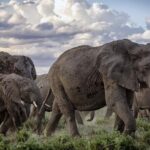
- Amboseli sunrise and Kilimanjaro views (weather permitting) with lots of elephants
- Tsavo watering holes like Mudanda Rock, Aruba Dam, and the Galana River for big-cat chances
- Guide-led big-cat context, including Tsavo East and West short-maned lions
Starting your safari from Diani Beach (and actually getting value)
Most safaris start in Nairobi or Arusha. This one starts right from Diani Beach, so you avoid the extra travel day that can steal a huge chunk of your trip. The payoff is simple: you roll straight into safari mode with a private Land Cruiser and a route that takes you through Kenya’s game-rich parks.
The other value point is time management. You get early starts on multiple days, and the day design mixes full game drives with targeted stops where wildlife is more predictable. That matters when you have only four days and want the best odds for cats, elephants, and the big “wow” moments.
One more detail worth noting: you’ll cross via the Likoni Channel ferry as you head from the coast toward Mombasa, then on to the national parks. That’s not a sightseeing stop, but it does break up the transfer so the day doesn’t feel like nonstop road time.
A few more Diani Beach tours and experiences worth a look

Day 1: Tsavo West first, with lunch-ready arrival and Ngulia Rhino Sanctuary
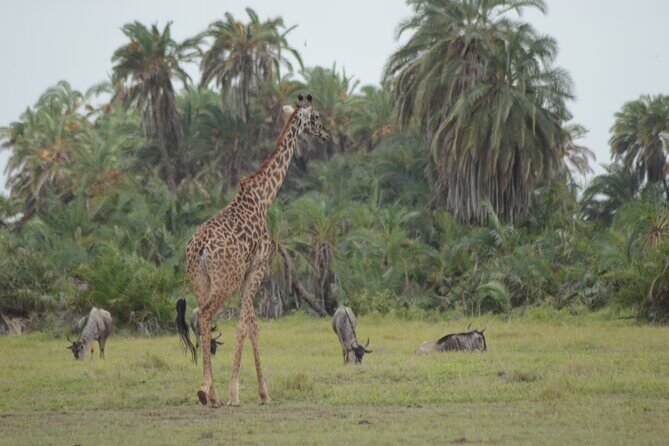
Your first morning starts early with a private pickup and the drive inland. The early departure is intentional. Game parks are best when wildlife is active and lighting is still good for spotting and photos.
When you reach Tsavo National Park West, you arrive in time for lunch, then you reset at your accommodation before afternoon game drives. This pacing is practical. You’re not forced to jump straight from travel into hours of scanning for lions; you get a chance to recharge.
Later, you head to Ngulia Rhino Sanctuary, a dedicated spot within the Tsavo West area known for its rhinos. The key word here is targeted: you’re not simply hoping to see a rhino somewhere in the park. You’re moving to a place built around them. The rhinos are described as shy, so manage your expectations—great sightings can still happen, but staying patient helps.
What to watch for on Day 1
You’ll be focusing on the classic Tsavo mix: large game in the afternoon light, plus the rhino sanctuary stop. If your priority is a first-day “hook,” this schedule gives you both: a proper safari drive and then a dedicated rhino moment.
Potential drawback
You may feel the first-day travel in your legs, especially if you’re coming from beach lounging mode. Pack a light layer for early air and keep water handy during the drive segments.
Lions of Tsavo: why these cats feel different here
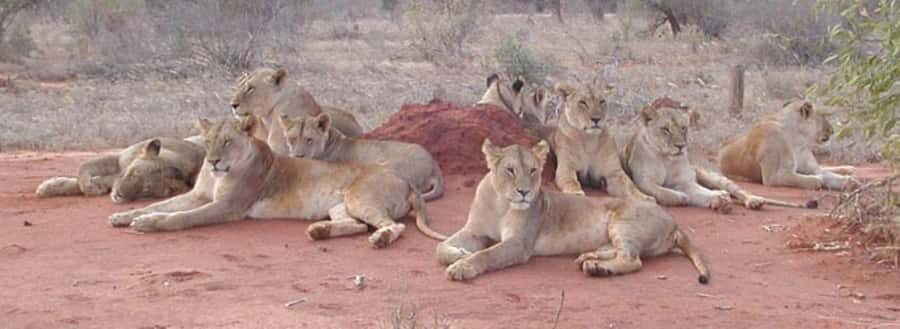
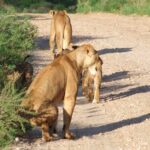
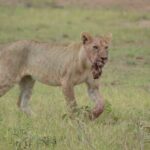
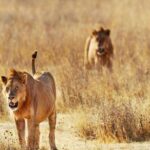
Tsavo is famous for its lions with short manes, especially in Tsavo East National Park and Tsavo West National Park. This is one of those details that makes the trip feel more than a standard animal checklist. The short mane feature is distinctive enough that your guide can explain what makes Tsavo lions notable and why you might see them differently than lions elsewhere.
This also ties into how you should approach your “big cat” time. Don’t only aim for a quick scan and move on. In Tsavo, you’re better off slowing down when your guide signals movement or changes in the terrain. The parks’ open areas and watering points can make cats easier to spot if you’re paying attention to patterns, not just positions.
If you’re new to safari, this is a good place to start. You’ll get repetition across days, which improves your odds and helps you learn what you’re looking at.
Day 2: Amboseli sunrise, then Mzima Springs for hippos and crocodiles
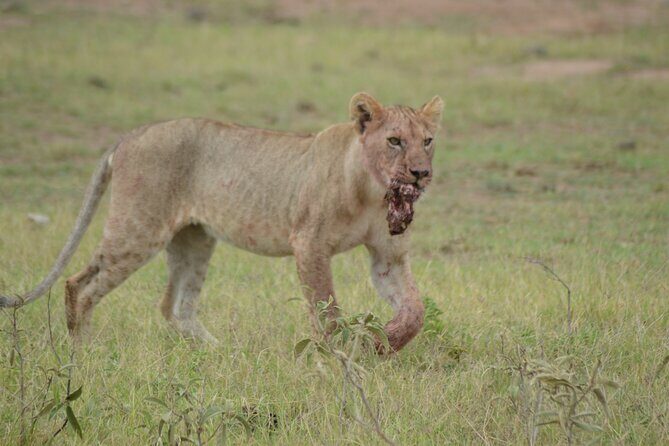
Day 2 is built for two kinds of sightings: big views and close-up wildlife behavior.
You start early for sunrise in Amboseli National Park. Sunrise matters here because the park’s rolling hills and open plains help you read the landscape as wildlife moves. It’s also when light can make “Kilimanjaro in the distance” more likely, assuming conditions cooperate.
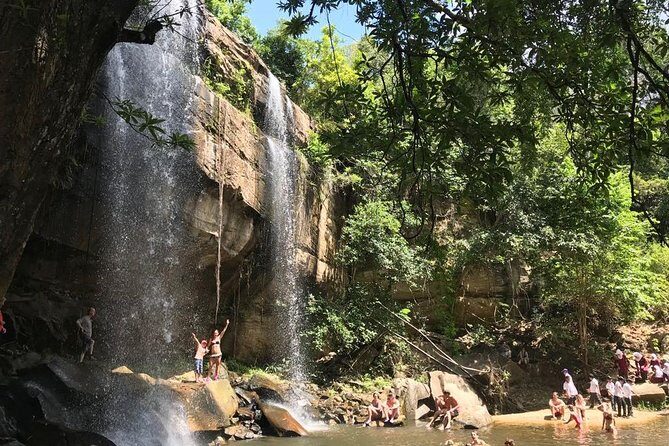
Then you shift from panoramic spotting to a very specific wildlife stop: Mzima Springs. Here, you leave the 4×4 and walk along shaded banks next to cool water. That’s the contrast I love for a safari sampler. It slows you down and lets you watch wildlife using water in real time.
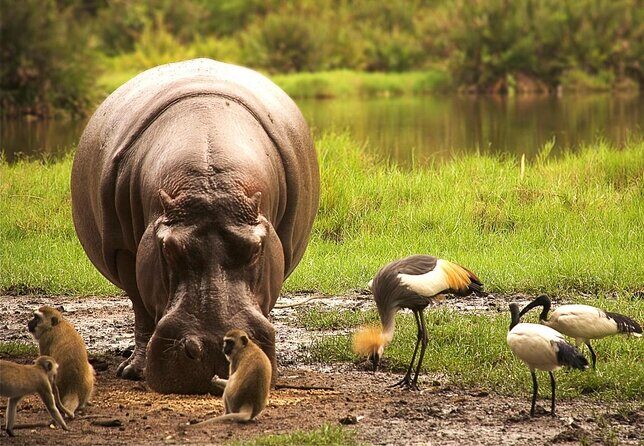
Mzima Springs is known for hippos and crocodiles, drawn to clear water. The best tip is to keep your pace calm and listen with your eyes. When hippos or crocs are active, they often show themselves in bursts—motion, a head break at the surface, then a pause.
After the springs, you enjoy another game drive as you exit and continue to the next park. This helps you avoid the “single-location fatigue” some short safaris can create. You get elephants at Amboseli, then you transfer focus toward Tsavo for your later big-cat opportunities.
What to prioritize in Amboseli
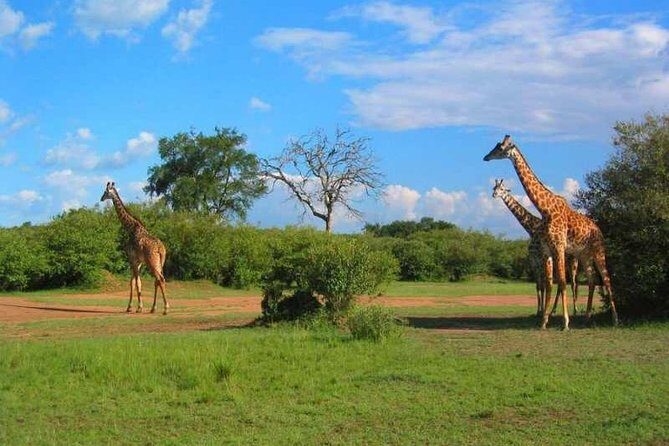
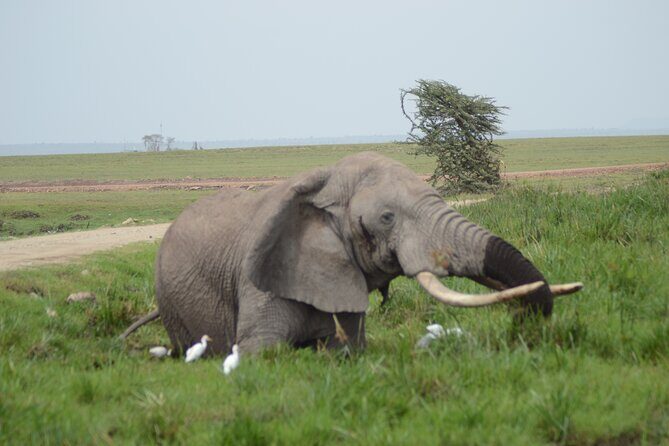
- Elephants: free-ranging presence is expected here
- Kilimanjaro views: weather can affect visibility, so stay flexible
- Water-dependent wildlife: Mzima Springs is your close-up day
Day 3: The long-drive day with Tsavo’s early scout and afternoon safari
Day 3 is where you earn your next batch of sightings. You wake up early again, with sunrise as your cue. There’s even a possibility of seeing Kilimanjaro’s snow-capped peak weather permitting, so the day starts with that “look up and check the sky” energy.
You take a short time in the park area before breakfast, then you get one more game drive as you exit and head into Tsavo East. This day is described as about a 5-hour drive, so plan for the reality of transfer time.
Once you reach Tsavo East, the afternoon safari kicks off. This is where you start looking at different habitat feel compared to West. It’s still Tsavo, but the park experience can feel different as the lighting, spacing, and watering habits change. That’s good news for your sightings—repetition is useful, but variety makes your photos and memories richer.
Practical drawback
If you get car-sore easily, Day 3 is the one to prepare for. Use breaks when the day allows them, and bring something for comfort. With safari, the best sightings often happen when you’ve stayed relaxed enough to focus.
Day 4: Final Tsavo East game drives around classic watering holes
Your last morning on safari is a “don’t miss anything” day. You head out early with the goal of seeing lions and leopards, plus the rest of the park’s characters.
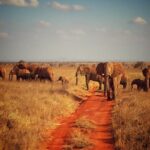
In Tsavo East, your timing centers on watering holes. The spots named for this day include Mudanda Rock, Aruba Dam, and the Galana River. Watering holes act like stage lights for wildlife. In dry terrain, animals cluster, and that concentrates your chances—especially for cats that hunt at times when prey is moving or resting.
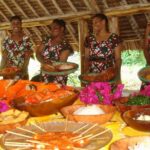
After the morning drives, lunch is served in an open-air restaurant overlooking the park’s expanse. That sounds simple, but it’s a smart way to end. You get a break without losing the safari mood. You can eat, reset, and still feel like you’re part of the park rather than stuck away from it.
Then it’s time to head back toward the coast. For most people, the drive out feels longer than the drive in. That’s normal. You’ve spent days training your eyes, and the last day is when you finally start spotting patterns faster.
Transport, group size, and what a private tour actually means
This is a private tour/activity, so only your group participates. That matters more than people think. With game drives, a private setup helps your guide tailor timing to your pace and attention span. It also reduces the chance of spending time waiting around for other vehicles.
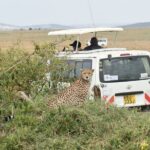
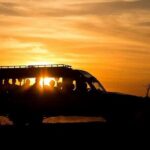
You’ll travel in a private 4×4 Land Cruiser. The road environment in and between parks is part of the experience—jolting terrain, wide-open visibility, and frequent stops for wildlife. A proper safari vehicle makes that easier, and it keeps you comfortable for long hours of scanning.
You’ll also receive a mobile ticket and confirmation after booking. The tour is described as suitable for most travelers, and that’s a good sign for first-time safari planning—especially if you’re comfortable with early mornings and long drives.
Meals and timing: how the day structure helps you spot more
Meals are included throughout the four days: breakfast (3), lunch (4), and dinner (3). That sounds like a standard list, but the schedule is what makes it useful.
Lunch on arrival day means you can settle in before afternoon drives, rather than feeling like you’re rushing through everything. Dinner inclusion also helps you avoid the common safari problem of choosing between wildlife time and finding food. When food is handled, you can stay focused on the park.
Timing-wise, you’ll be up early on multiple days—sunrise in Amboseli and Tsavo East scouting days, plus an earlier start in the first travel day. You don’t need to be superhuman for this, but you do want to sleep well on the days before safari begins.
Where the trip feels special: targeted stops plus repetition
A great safari sampler doesn’t try to do everything. It focuses your odds.
This trip uses repetition on purpose: multiple park days in Tsavo, plus a strong Amboseli block with elephants and water-focused wildlife at Mzima Springs. Then Day 4 adds the watering-hole emphasis in Tsavo East, which is exactly the kind of planning that helps big cats show up.
The Ngulia Rhino Sanctuary stop is another targeted element. If you care about seeing something unusual—something beyond the big cats—this is where your chances rise because you’re not relying on random luck across an entire park.
The guide factor: communication and making it smooth
One of the most reassuring parts of this experience is how the safari runs with a professional driver/guide. A guide named Salim is mentioned as staying with the group for the full four days, and the experience is described as smooth and well-managed.
There’s also praise for fast, professional handling when pickup faced a small issue. That kind of responsiveness is more than nice to have. On safari, delays can cascade into missed drives, changing your timing for sightings. When the handoff stays calm and the plan gets back on track quickly, your safari experience stays on track too.
If you’re doing a first safari, having a guide who knows how to manage pacing and scanning makes a difference. It turns the whole trip from a series of stops into a coherent wildlife experience.
Price and value: is $2,810 per person fair for this four-day route?
At $2,810 per person, this isn’t a budget safari. But it’s not priced like a random add-on either. You’re paying for a private vehicle transfer from Diani Beach, multiple full safari days across major parks, and included meals.
Here’s how I’d think about value:
- Private 4×4 transport across the coast-to-parks transfer and between parks is a big cost driver.
- You get targeted park experiences (Ngulia Rhino Sanctuary, Mzima Springs walk, and watering holes on the last day).
- Meals are included, which reduces day-by-day costs and planning headaches.
- You also get admission tickets listed as free/included across key park segments.
So the question becomes: are you the type of traveler who wants fewer compromises? If you want comfort, private pacing, and a route that hits the big names—Tsavo West, Amboseli, and Tsavo East—this can feel like a fair price for a four-day safari sampler.
If you prefer the cheapest possible option and don’t mind shared vehicles, you might find alternatives. But if your goal is wildlife-focused time with less friction, the price starts to make sense.
How to prepare so you enjoy every drive
You can’t control animal sightings, but you can control comfort.
For a four-day Kenya safari, I suggest:
- Bring a light layer for early mornings and breezy park drives.
- Plan on long sitting time in a 4×4, so wear comfortable clothing.
- Keep water close during transit segments and follow your guide’s rest-stop timing.
Also, be ready for weather to matter. The experience is described as requiring good weather. If conditions aren’t right, you may be offered a different date or a full refund.
Should you book this 4-day Tsavo and Amboseli safari from Diani Beach?
I’d recommend booking this if you want an efficient safari sampler that still feels serious. You get elephants in Amboseli, hippos and crocodiles at Mzima Springs, and repeated Tsavo game drives with watering-hole focus on the final day. You’re also not stuck with just one park or one type of wildlife experience.
I’d think twice if you get uncomfortable with long drives and early starts. Day 3 includes a substantial transfer time, and safari days are full days even when the pace is well-run.
One more decision factor: if you value a private setup and the chance to work closely with a guide throughout the whole trip, this format fits well. For first-timers especially, a steady guide presence like the one highlighted here can turn the experience from intimidating into totally manageable.
FAQ
How long is the safari from Diani Beach?
It’s a 4-day safari, with the schedule running across Tsavo West, Amboseli, and Tsavo East.
What parks will I visit during this trip?
You’ll visit Tsavo National Park West, Amboseli National Park, and Tsavo National Park East.
Do I get pickup from the coast?
Yes. Pickup is offered, and you’ll be collected early on the first day to start the journey by private 4×4.
Is this tour private or shared?
It’s a private tour/activity. Only your group will participate.
What transport will we use on safari?
You’ll travel in a private 4 x 4 Land Cruiser Jeep.
Are meals included?
Yes. Breakfast (3), lunch (4), and dinner (3) are included across the four days.
Is there a mobile ticket?
Yes. A mobile ticket is provided.
What happens if the weather is poor?
The experience requires good weather. If it’s canceled due to poor weather, you’ll be offered a different date or a full refund.
Can I cancel and get a full refund?
Yes. You can cancel for a full refund up to 24 hours in advance of the experience’s start time.