REVIEW · DIANI BEACH
Kaya Kinondo Sacred Forest Guided Tour
Book on GetYourGuide →Operated by Frenzy Adventures Limited Kenya · Bookable on GetYourGuide
A forest with rules you can feel. In the Kaya Kinondo Sacred Forest Guided Tour near Diani, you walk a shaded trail while a Digo guide explains why this place matters—spiritually, culturally, and for conservation. The soundscape alone (birds, insects, branches moving) makes it feel like you left the coast behind.
I especially love how the tour mixes real forest time with hands-on cultural meaning. You’re guided through the trees and sacred areas, with chances to spot monkeys and colorful butterflies, and you get context for the plants and the ceremonies tied to the forest.
One drawback to plan for: tour logistics and language coordination can be uneven depending on pickup point and the guide available. In one case, a long ride and even vehicle issues stretched the day, and there was trouble getting the exact language expected—so give yourself a bit of buffer time.
In This Review
- Key highlights worth your attention
- Kaya Kinondo: why a forest can feel sacred
- From Diani hotels to the sanctuary: the 09:30 pickup rhythm
- Briefing hall and traditional attire: setting the tone before you walk
- The forest walk: birds, monkeys, and butterflies in real time
- Shrines, altars, and Digo spirituality inside the trees
- Village and school moments: songs, gifts, and direct community contact
- Price and value: what $60 buys you (and what it doesn’t)
- Who should book this tour (and who should think twice)
- Final call: should you book Kaya Kinondo?
- FAQ
- How long is the Kaya Kinondo Sacred Forest Guided Tour?
- What does the tour cost?
- Where are the pickups?
- What’s included in the price?
- Are meals included?
- What languages are available for the guide?
- How big is the group?
Key highlights worth your attention
- A Digo-led sacred setting where the guide explains ancestry, rituals, and why the forest stays protected
- Wildlife spotting on a maintained trail (birds, monkeys, colorful butterflies, and lots of insects)
- Shrines and altars inside the forest often with offerings connected to ceremonies
- Traditional attire for the briefing before you step into the sanctuary
- A chance for village and school moments with singing and dancing, plus an opportunity for small gifts
- Small group size (max 8) with hotel transfers and water included
Kaya Kinondo: why a forest can feel sacred
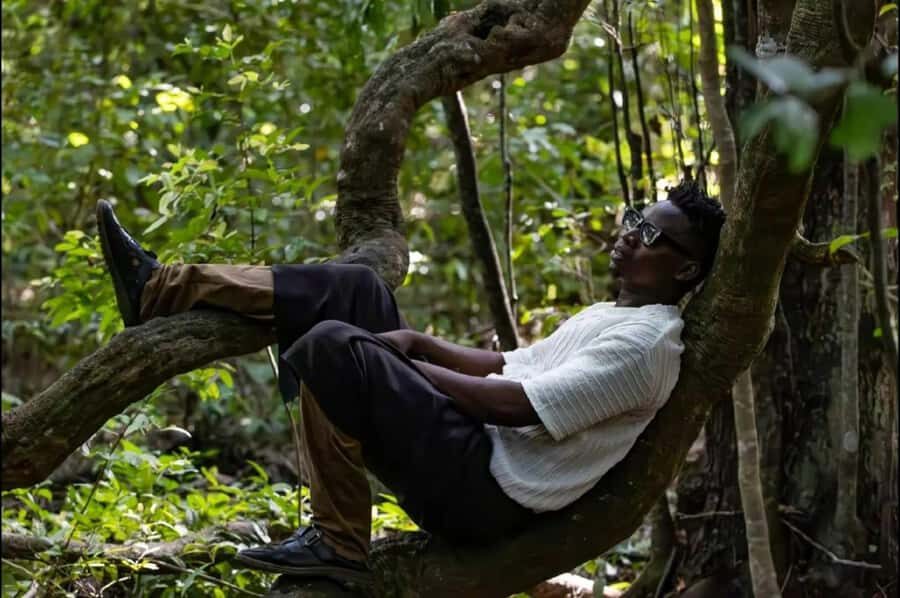
Kaya Kinondo isn’t just “a nice walk in the trees.” It’s a sanctuary tied to the Digo people, connected to ancestors and used as a spiritual space for traditional ceremonies. When your guide starts explaining what you’re standing in—why certain areas are respected, and what the symbols mean—the forest stops being scenery and becomes a living cultural map.
This matters because it changes how you move. You’re not rushing for selfies or treating the place like a checklist. You slow down to listen. You look up for birds. You notice the older trees and how the undergrowth feels different depending on where you are.
And yes, it’s also a genuinely good nature outing. You’re in Coast Province, and the forest air has that damp-soil, leaf-and-bark smell that instantly feels cooler than the beach.
You can also read our reviews of more guided tours in Diani Beach
From Diani hotels to the sanctuary: the 09:30 pickup rhythm
Your day starts with a hotel pickup around 09:30 from Diani-area hotels, followed by about a 30-minute drive to the Kaya Kinondo sanctuary. That drive time helps set expectations: you’re not spending the whole morning trapped in traffic; you’re getting to the experience early enough that you can enjoy the quieter forest hours.
The fact that they run a vehicle transfer to and from your hotel is also a real value point. On the coast, moving between places can add cost and hassle fast. Here, you’re paying for the convenience up front, and the tour stays anchored to a tight time window—3 hours in total.
One practical note: your pickup and drop-off can involve many possible hotel locations. If you’re on the farther edges of Diani, you should plan for slightly more time around the transfers. You want the forest hike to feel relaxing, not rushed.
Briefing hall and traditional attire: setting the tone before you walk
Before you enter the forest, you’ll be welcomed and guided to a hall for a briefing. This is where you’ll get special traditional attire to put on. It’s not just a costume moment; it helps frame the visit as participation, not just observation.
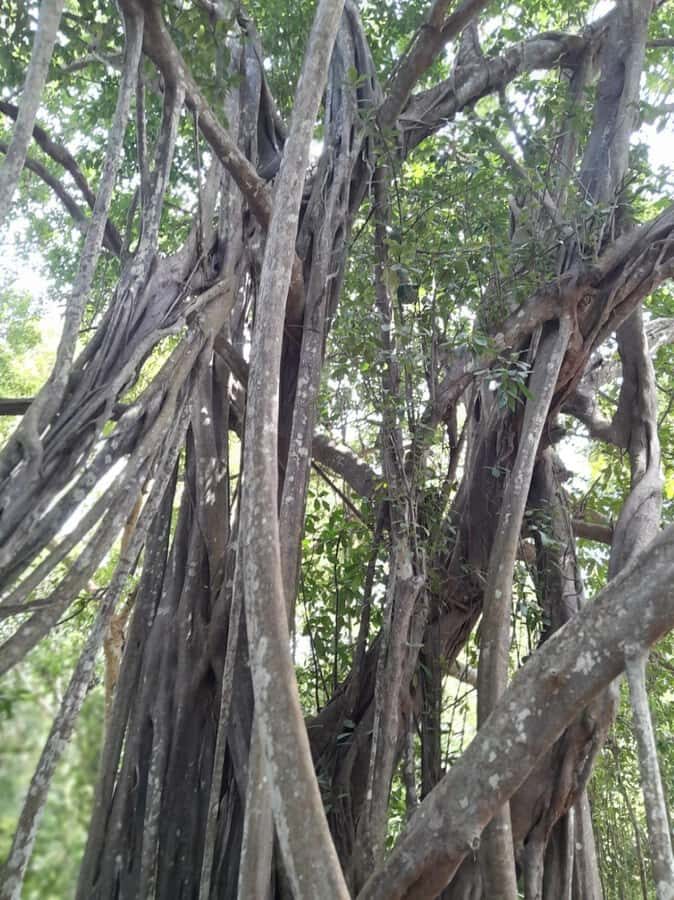
Then the forest takes over. Step into the trees and you’ll notice the shift immediately: the air smells fresh and earthy, and the soundscape gets loud in a natural way—birds calling, insects buzzing, branches moving overhead. One of the best parts of the tour is that you don’t wander off on your own. The guide keeps you oriented so you’re watching what’s relevant, not just what’s easy to spot.
Also, this is where the multi-lingual guide matters. The tour operates in English, German, French, Spanish, Polish, and Italian. In one case, there was a mismatch between what was expected and what was available, so if language is a must, it’s worth confirming your preference when you book.
The forest walk: birds, monkeys, and butterflies in real time
Once you’re on the trail, the tour stays focused on guided observation. The path is described as well-maintained, which matters because you can concentrate on the experience instead of constantly negotiating rough ground.
What you’re likely to see:
- Birds (a strong point for anyone who likes birdwatching)
- Monkeys (keep your eyes moving between branches and the canopy line)
- Colorful butterflies and lots of smaller insects
The guide also points out plants—some are described as medical plants, and you may be taught simple ways to recognize or understand them. This is one reason the forest walk feels educational without turning into a classroom lecture.
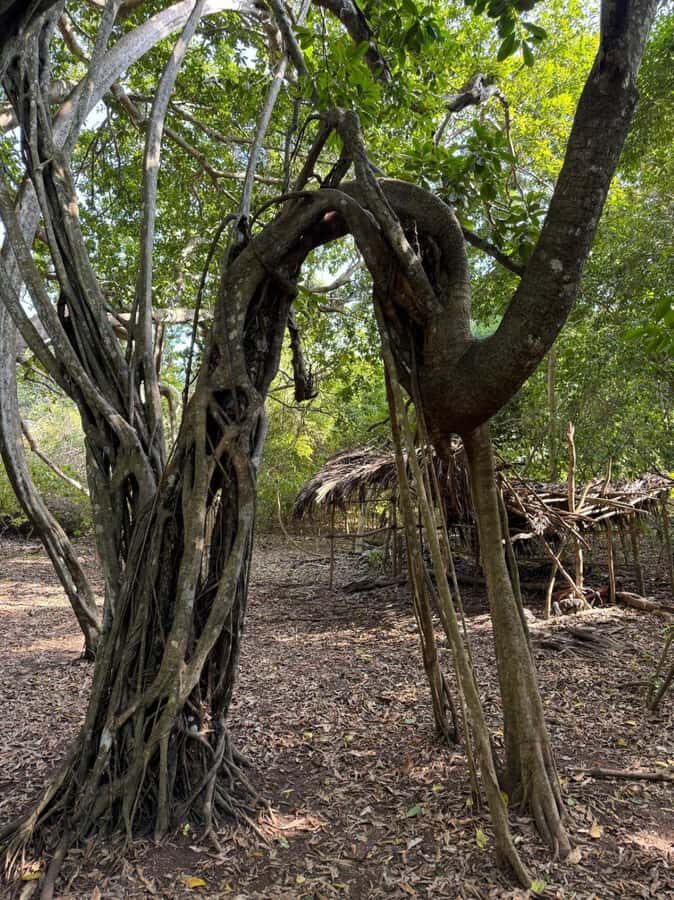
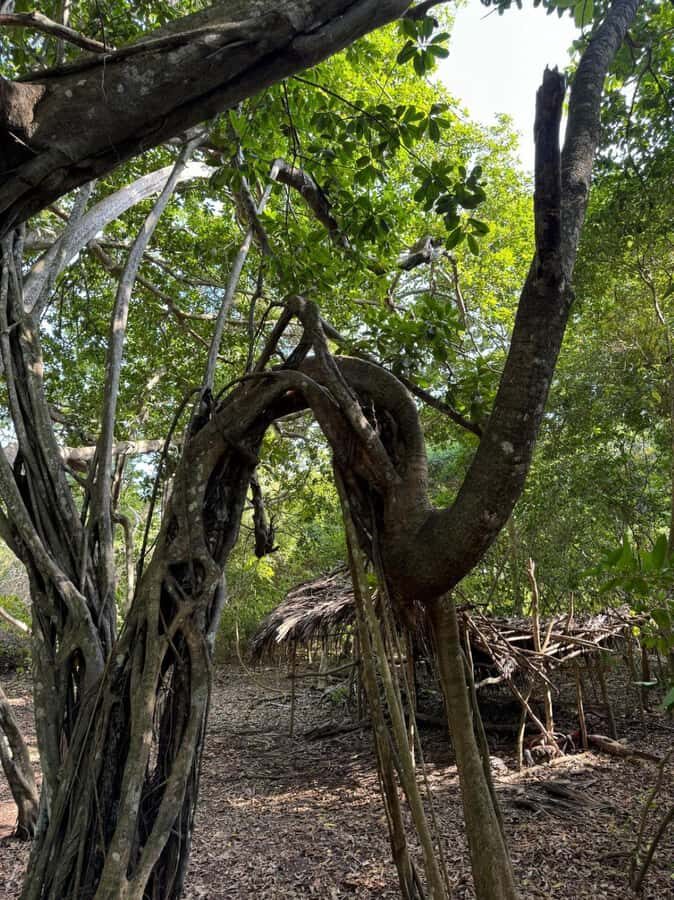
If you enjoy a bit of playful hands-on learning, you might get some interactive moments. In one experience, the guide encouraged guests to play with vines (the “Tarzan and Jane” kind of fun), which turns a nature lesson into a memory you’ll laugh about later.
Just remember: wildlife is wildlife. You’ll increase your odds by being alert, staying quiet when the guide stops, and not rushing ahead of the group.
Shrines, altars, and Digo spirituality inside the trees
This tour’s real “why it’s worth doing” part is the spiritual layer. As you move deeper, you visit sacred sites within the forest, including shrines and altars. These areas are often adorned with offerings, and the guide shares how rituals are conducted and why they matter for the Digo community.
You’ll hear about the forest’s significance to ancestors and how it functions as both a place for worship and a community connection to nature. That’s not abstract talk—it changes how the group behaves around specific points in the forest. You’re guided to treat certain spaces with respect.
One particularly memorable detail from a guide-led experience: guests were invited to interact with a prayer tree, which created an emotional pause in the tour. If that kind of spiritual moment matters to you, this is the highlight you should watch for during the sacred-site segment.
Even if you don’t follow the rituals yourself, hearing the logic behind them makes the forest feel less like “a place with rules” and more like “a place with meaning.” That’s the difference.





Village and school moments: songs, gifts, and direct community contact
There can also be a cultural stop connected to community life. In one guided experience, the tour continued beyond the forest into a village area, including a visit to a school, where children sang and performed.
If your plan includes small kindnesses, this is where you can act on it. One useful tip that came up: consider bringing small items like pens or sweets for kids. A small donation to the school can also be part of the experience, depending on how the guide structures the visit.
That said, don’t assume the village segment is guaranteed every time—some sacred-site tours are structured slightly differently by group. Still, if you’re the type who enjoys meeting people and supporting local community needs, you’re likely to appreciate this additional human dimension.
Price and value: what $60 buys you (and what it doesn’t)
The price is $60 per person for about 3 hours, and the included items are the big value drivers:
- Entrance fees
- Hotel transfers to and from with a vehicle
- Multi-lingual guide
- Water
The biggest “missing” item is meals—meals aren’t included. So plan to eat before or after. The tour is short enough that you likely won’t want to buy a snack mid-hike unless you’ve got time to spare.
Is it good value? For Diani, yes, especially because you get the forest access plus transportation plus guiding. Many tours like this end up costing more once you add entrance fees and independent transport. Here, the essentials are bundled.
Also keep the group size in mind: it’s capped at 8 participants. Smaller groups usually mean you get more guide attention, more time to ask questions, and less pressure trying to see over other heads in the trees.
Who should book this tour (and who should think twice)
I’d book this if you want:
- A guided walk where the meaning matters (spirituality, heritage, conservation)
- Nature time with a realistic wildlife focus (birds, monkeys, butterflies)
- A small-group experience with a guide who explains what you’re seeing
You might think twice if:
- You need very specific language support and want zero risk
- You hate anything that could stretch timing due to pickup logistics (especially from farther points along Diani)
- You’re looking for a “quick photo stop” rather than a paced, respectful cultural experience
There’s also a mindset fit. This tour works best when you’re curious and a little open-minded. It’s not just about collecting sights. It’s about understanding why people treat the forest the way they do.
Final call: should you book Kaya Kinondo?
If you’re torn, here’s the simple way to decide. Book it if you want a Kenya experience that feels local and grounded—forest first, culture in the foreground, and a guide who connects the physical place to Digo traditions. The combination of wildlife chances, sacred sites, and a small-group hike at a set price is a strong deal.
Skip it or choose carefully if language certainty or strict timing is non-negotiable for you. In that case, build extra margin around your day and confirm your preferred guide language when you reserve.
The tour is run by Frenzy Adventures Limited Kenya, and you’re paying for the full package: access, guiding, and transport. For many people, that’s exactly what makes a half-day feel like a real adventure instead of another logistical chore.
FAQ
How long is the Kaya Kinondo Sacred Forest Guided Tour?
The tour lasts about 3 hours.
What does the tour cost?
It costs $60 per person.
Where are the pickups?
You’ll be picked up from Diani hotels starting around 09:30, with many pickup options listed across the Diani area.
What’s included in the price?
Entrance fees, hotel transfers to and from by vehicle, a multi-lingual guide, and water are included.
Are meals included?
No, meals are not included.
What languages are available for the guide?
The guide is available in English, German, French, Spanish, Polish, and Italian.
How big is the group?
The group is limited to 8 participants.
If you want, tell me your hotel name in Diani and your preferred guide language, and I’ll help you sanity-check what your day will look like and how to plan around the 3-hour window.