REVIEW · NAIROBI
7 Day Maasai Mara, Lake Nakuru, Lake Naivasha and Samburu Safari
Book on Viator →Operated by PERFECT WILDERNESS TOURS AND SAFARIS · Bookable on Viator
Big cats start rolling on day one. This 7-day safari strings together Maasai Mara, Lake Nakuru, Lake Naivasha, and Samburu with park entrance fees and a pop-up roof vehicle built for spotting. I really like the early start game-drive rhythm and the fact you get guided time where animals actually are. One thing to plan for: drinks and the optional Maasai village visit cost extra, and tipping is not included.
What makes the route work is the mix of classic savanna with quick switches in scenery: Mara River crocodiles and hippos, white rhinos at Nakuru, then Hell’s Gate cycling plus a Lake Naivasha boat ride. You also get a 24-hour phone line for questions, and the safari runs as a private experience from Masai Mara through Samburu.
This is not a slow vacation. Some days run early and stay active, especially around game viewing and the cycling day—so pack for comfort and expect a full schedule.
In This Review
- Key highlights I’d circle before you book
- Price and what you really get for $2,574.65
- Pickup, transport, and the pop-up roof advantage
- Maasai Mara: big sightings, hippo/croc drama, and real rhythm
- A practical note on pacing here
- Leaving Mara for Nakuru: culture option and a no-game-drive travel day
- Lake Nakuru: white rhinos, flamingos (if you’re lucky), and early departures
- Hell’s Gate after Nakuru feels like a palate cleanser
- Lake Naivasha boat ride: birds and hippos in a calmer setting
- Samburu’s northern specialists: why this is the real climax
- Two game drives plus rest time
- Hotels and comfort: how lodging fits a game-drive schedule
- Small extras that can change your budget mid-trip
- What guide support feels like in real life
- Who this safari fits best (and who should adjust expectations)
- Should you book this Maasai Mara to Samburu safari?
- FAQ
- What time is pickup in Nairobi scheduled?
- What’s included for wildlife viewing and activities?
- Is this safari private?
- What kind of vehicle do you use for game drives?
- Are meals included?
- Is the Masai village visit included?
Key highlights I’d circle before you book
- Pop-up roof safari vehicle for easier sightlines and better photos from your seat
- Maasai Mara timing for Mara River action, including a chance for a guided walk near hippo/croc country
- Lake Nakuru wildlife focus with rare white rhinos plus possible pink flamingos
- Hell’s Gate on wheels and on foot via a biking safari (you get close to the scenery and animals)
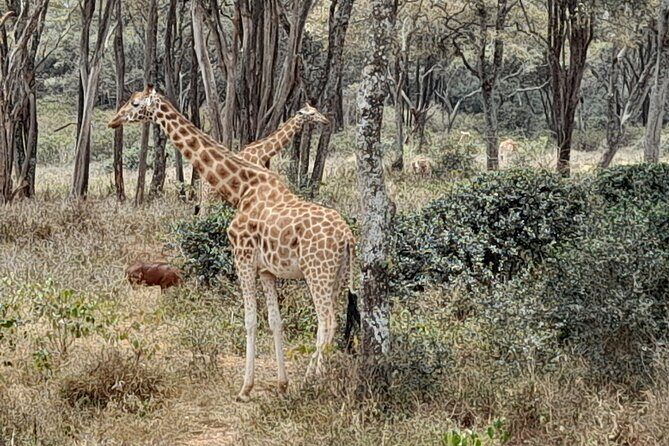
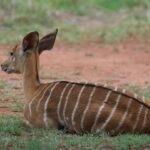
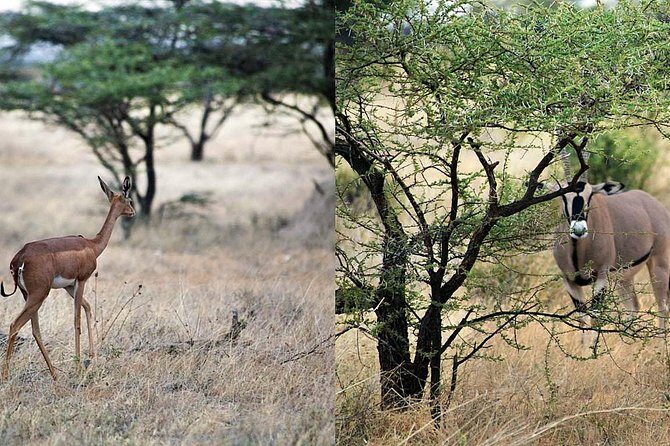
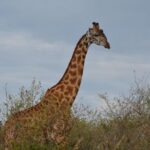
- Samburu northern species like gerenuk and reticulated giraffe, plus elephants and big cats in a smaller area
- 24-hour mobile support so you can call, text, or WhatsApp anytime during the trip
Price and what you really get for $2,574.65
At $2,574.65 per person, this safari sits in the “serious safari” category. The good news is a lot of the money is tied to the stuff that usually balloons in Kenya: transport in a customized game vehicle, park entrance fees, and guided time inside key wildlife areas.
You also get meals built into the schedule: 6 breakfasts and 6 dinners, plus 7 lunches. That matters because safari days are long, and eating on the go adds up fast. Even better, you have bottled water included, which is a small thing that makes the heat and dust days much easier.
The main value question is simple: does the itinerary match your style? This one blends classic game viewing with two “hands-on” activities—cycling at Hell’s Gate and a boat ride at Lake Naivasha—so you’re not stuck doing only drives all week. If you prefer low-activity travel, this may feel busy. If you like moving and spotting, it’s a strong fit.
A few more Nairobi tours and experiences worth a look
Pickup, transport, and the pop-up roof advantage
Getting picked up matters, because starting on time is how you maximize animal sightings. Your pickup is scheduled at 8:00 am from the city centre, and the tour also includes pickup and drop-off to your hotel plus a complimentary free airport pickup.
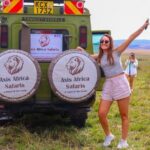
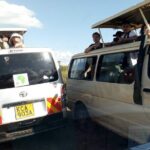
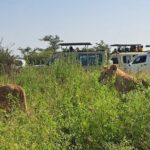
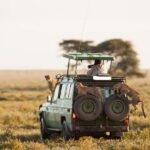
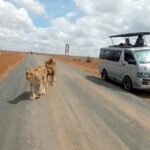
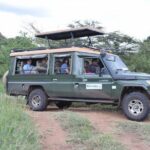
Once you’re in safari mode, the big practical win is the customised safari car with a pop-up rooftop. That roof isn’t just a gimmick. It gives you a higher viewing angle for spotting in tall grass and helps with photography when animals are just beyond the reach of regular car windows.
Also note the support style: there’s an open 24-hour phone line where you can call, text, or WhatsApp anytime. That’s helpful if you run into timing questions, need a quick clarification, or want to coordinate smoothly while you’re on the road.
Maasai Mara: big sightings, hippo/croc drama, and real rhythm
The Maasai Mara portion is built around prime wildlife hours. You kick things off with a drive from Nairobi toward the Great Rift Valley viewpoint, then lunch on arrival at the camp. In the afternoon, you move into the reserve for an early game viewing window starting around 4:00 pm. That timing is smart because light is still good and animals are often more active before nightfall.
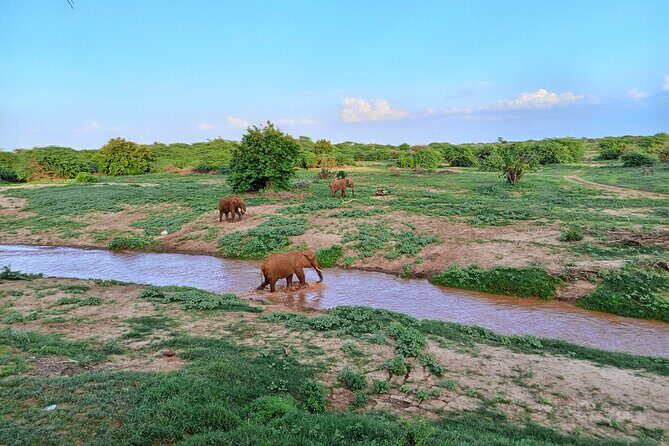
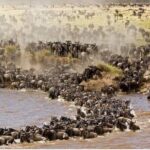
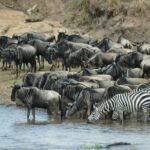
Next comes the full Mara day: long enough to look for the Big Five, with picnic lunches inside the reserve. The Mara is Kenya’s big wildlife magnet for a reason. The Mara is in the Great Rift Valley, and wildlife concentrates in the reserve’s western escarpment. If you’re coming during July to November, the wildebeest migration is the headline event, involving over 1.5 million animals. Even if you don’t time it perfectly, this is still the kind of place where you can see predators and river-life close together.
One of my favorite-feeling parts is the Mara River focus. You’ll have picnic lunch in the river area, and you may even be able to walk along the bank with guides if conditions allow. That’s where the drama lives: large hippos and Nile crocodiles are a core feature of the Mara River ecosystem.
A practical note on pacing here
Mara days can be long in the best way. You’re not just driving past scenery—you’re staying out for meaningful viewing time, and you’ll want to pack for heat, sun, and dust. A hat you actually trust and comfortable shoes help a lot.
Leaving Mara for Nakuru: culture option and a no-game-drive travel day
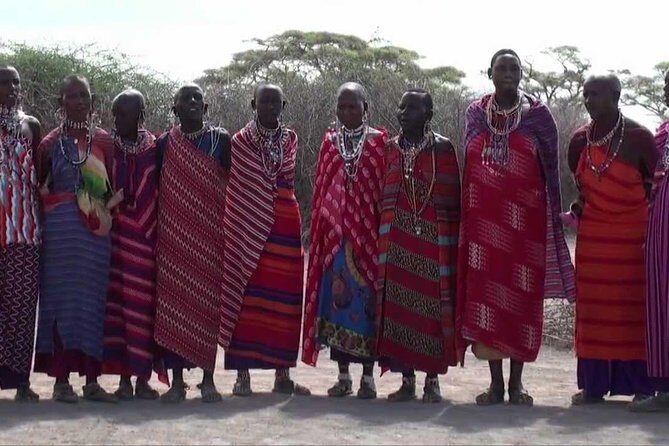
On the morning you’re moving on from the Mara, you start with breakfast and checkout. There’s also an option to visit a local traditional Maasai tribe so you can learn more about culture and lifestyle. That visit is listed as an add-on with a cost of USD 20, so treat it as optional value rather than a free bonus.
Then comes the reality of road time: you head toward Nakuru, with lunch on the way, and there is no game drive in Mara on this departure day. That’s an important consideration. You might be tempted to think every day should include a full set of park hours, but here the schedule uses that day to get you into Lake Nakuru territory efficiently.
You’ll overnight near Nakuru, setting you up for the early start that matters most for the next wildlife park.
A few more Nairobi tours and experiences worth a look
Lake Nakuru: white rhinos, flamingos (if you’re lucky), and early departures
Lake Nakuru National Park is compact, and that can be a big advantage. You leave for the park around 6:30 am, giving you those cooler hours when animals are easier to spot and wildlife viewing feels less rushed.
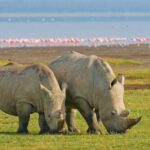
The core target here is rare white rhinos, which are part of the Big Five. You’ll also have a shot at pink flamingos—not guaranteed, but worth the early timing and a patient scan of the water and shore areas.
After roughly 3 hours of game viewing, you transition toward Naivasha and arrive in time for lunch at your hotel. This is a good structure: it breaks up the day so you’re not only spending daylight hours in a vehicle.
Then the plan flips into action.
Hell’s Gate after Nakuru feels like a palate cleanser
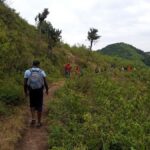
Hell’s Gate is special because you’re not limited to a classic car-only safari. You’ll do a cycling safari, and you’ll also have time for the park experience that can include walking routes depending on how your day is run. What makes Hell’s Gate a standout is the chance to get close—physically close—to the scenery while still looking for wildlife.
If you’re the type who gets restless watching only from inside a vehicle, Hell’s Gate often feels like a breath of fresh air. Just be ready for more physical movement and bring what you need to stay comfortable.
Lake Naivasha boat ride: birds and hippos in a calmer setting
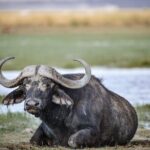
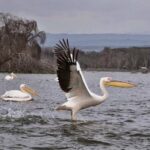
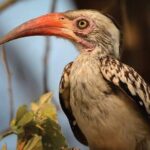
After Hell’s Gate, you’ll head to Lake Naivasha for a 1-hour boat ride geared toward bird watching and hippo viewing. Naivasha also has its own animal vibe on land and at the water’s edge. You might see buffalos wallowing in marshy areas, and you might spot huge hippos resting in shallow water.
This part of the week is valuable because it slows the pace slightly after the driving and cycling day. It’s a different way to look at wildlife—less about chasing and more about watching.
Samburu’s northern specialists: why this is the real climax
By the time you reach Samburu, the safari starts to feel more like a destination than just a checklist of parks. Samburu is in Northern Kenya, with a semi-arid look and a reputation for strong wildlife concentration in a smaller area.
You’ll depart for Samburu around 7:00 am, arrive in time for an evening game viewing drive, and then get two full viewing periods across the next two days. That rhythm is the point. Samburu animals often show up in patterns—watering spots, grassed areas, and the movement corridors between them—and having both morning and afternoon viewing increases your odds.
The species focus here is the big reason people fall in love with Samburu. This area is known for northern Kenya animals that you typically don’t see in other mainstream parks, including:
- Gerenuk
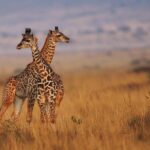
- Reticulated giraffe
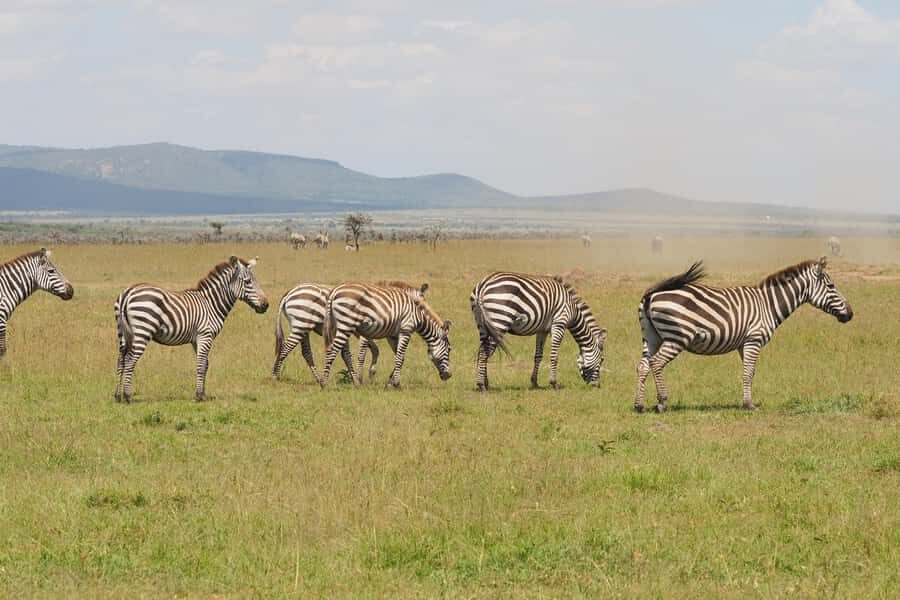
- Grevy’s zebra
- Beisa Oryx
- Somali Ostrich
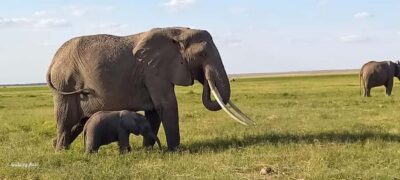
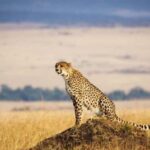
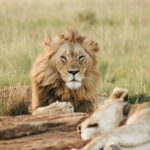
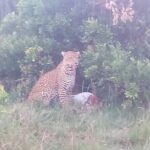
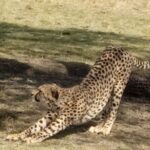
Then there’s the predator and megafauna mix you still expect from Kenya: elephants are common, and there’s a chance of seeing lions, leopards, and cheetahs among other wildlife like impala and waterbuck.
Two game drives plus rest time
The schedule gives you an early morning drive, breakfast back at camp, then mid-morning rest before lunch and an afternoon drive. That’s a smart setup for two reasons: you keep your viewing hours high, but you don’t burn yourself out with constant movement.
Samburu ends up feeling like the climax because you’re no longer only chasing Big Five on paper. You’re seeing a different set of wildlife personalities—animals adapted to drier country.
Hotels and comfort: how lodging fits a game-drive schedule
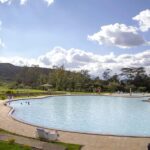
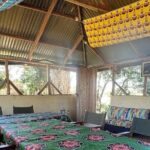
Accommodation is included for 6 nights, and the first night includes complimentary accommodation at The After 40 Hotel. After that, your bases rotate by region.
In the Maasai Mara, your lodge/camp can be Jambo Mara (or similar like AA Lodge Mara) or Enkorok Mara. In Lake Nakuru, accommodation is listed as Lanet (atfam) in Nakuru. Naivasha has Astorian/Chambai Hotel. For Samburu, expect Sopa Lodges or similar like Sentrim.
Here’s the balanced way to think about this: on safari, lodging isn’t the main attraction—you’re mostly sleeping and recharging. Still, the included meals and the fact you’re not managing transfers by yourself can make the difference between a smooth trip and a stressful one.
If you care about sleep quality, pack earplugs and plan to fall asleep fast. Safaris start early, and the animals don’t care if you stayed up late.
Small extras that can change your budget mid-trip
A few items are not included, and they can sneak up on you if you don’t plan:
- Drinks and alcohol are not included
- Gratuities are not included
- The Masai Village visit is listed as USD 20
If you’re trying to keep the overall trip price stable, I’d set aside a small daily amount for snacks and drinks, plus a separate fund for tipping. Your guide experience depends heavily on how well you budget for that end part.
On the supportive side, you’ll have bottled water during the safari, and you can reach the operator through the 24-hour mobile line if anything is unclear.
Also, the tour indicates it’s available in all languages—just state your language when booking. That can matter for something as simple as understanding animal behavior faster.
What guide support feels like in real life
Safari quality is often about the guide, not the car. This operator positions its guides as professional, skilled, and friendly, and past trips include guides such as Jeff, Joffrey, and John. You might also interact with staff like Betty, and other team members have been named as George and Beatrice.
Even when you don’t have a specific guide name, the practical advantage is this: trained guides help you spot what you’d miss, and they help you understand what you’re seeing—predator behavior, river ecology, and why certain species show up where they do.
If you’re the kind of traveler who wants to learn while you watch, this approach pays off.
Who this safari fits best (and who should adjust expectations)
This trip is a great fit if you:
- Want a classic Kenya wildlife arc (Mara → rhinos/flamingos at Nakuru → Naivasha birds and hippos → Samburu northern species)
- Like active days (especially cycling at Hell’s Gate)
- Prefer a guided safari with less decision fatigue
- Are okay with early starts and long drives when it helps wildlife viewing
It might be less ideal if you:
- Want heavy downtime every day
- Dislike cycling or walking-style safari components
- Hate any chance of timing disruptions on the road (a safari vehicle can occasionally have issues, so keep a little flexibility in your expectations)
Should you book this Maasai Mara to Samburu safari?
I’d book this if you want one trip that hits multiple Kenya wildlife styles without making you manage logistics. The included park fees, boat ride, and the pop-up roof transport help you get more out of the time you spend in each region. Samburu alone can justify the trip for people who love unique species like reticulated giraffe and Grevy’s zebra.
Before you decide, do three quick checks:
- Confirm what language support you’ll get.
- Plan a budget for drinks, gratuities, and the optional Masai village (USD 20).
- Make peace with an active schedule, especially the early Nakuru start and the Hell’s Gate cycling day.
If that sounds like your idea of Kenya, this is a strong choice.
FAQ
What time is pickup in Nairobi scheduled?
Pickup from the city centre is scheduled for 8:00 am.
What’s included for wildlife viewing and activities?
The tour includes park entrance fees, a boat ride on Lake Naivasha, and a cycling safari at Hell’s Gate.
Is this safari private?
Yes. It’s listed as a private tour/activity, with only your group participating. The summary also notes a private safari from Masai Mara through Samburu.
What kind of vehicle do you use for game drives?
You travel in a customised safari car with a pop-up rooftop for easier game viewing and photography.
Are meals included?
Yes. The package includes 6 breakfasts, 6 dinners, and 7 lunches.
Is the Masai village visit included?
No. The Masai Village visit is listed as an optional add-on costing USD 20.