REVIEW · DIANI BEACH
Day Trip – Tsavo East National Park ( Man Eater Lions of Tsavo & Other Big Five)
Book on Viator →Operated by Expedition Happy Hour · Bookable on Viator
Tsavo East starts with a 4:30am push and a whole new rhythm. From the coast, you’ll trade beach time for a fast jump into Tsavo East National Park with early road time, a pop-up roof vehicle, and two blocks of game driving designed for spotting big animals like lions, elephants, and rhinos. You’ll also get a front-row view of dry-country details that Kenya does so well, from the wide, flat ground to distant features like the Yatta Plateau on the horizon.
The main downside is simple: it’s a long day. You’re looking at roughly 11 to 12 hours total, with around three hours of driving each way, plus you’ll likely add costs for the park entrance fee and lunch once you’re there.
In This Review
- Why Tsavo East feels different from coastal Kenya
- Getting out of Diani and Mombasa at 4:30am
- Tsavo East National Park: dry country, big animals
- Morning game drive: where Tsavo’s habitat does the work
- Lunch break: keep it simple and plan your budget
- Afternoon game drive: dry-season strategy and patience
- The pop-up roof vehicle: why “seeing” changes when you can look up
- Lions, elephants, rhinos, and the real meaning of “chance”
- Price and value: what $200 really turns into
- Transport realities from the coast: long roads, uneven comfort
- Who this day trip suits best (and who should think twice)
- Should you book Tsavo East from the coast?
- FAQ
- What time does pickup start?
- How long is the Tsavo East day trip?
- Is the Tsavo entrance fee included in the price?
- What’s included in the safari experience?
- Is lunch included?
- Is this tour private or group-based?
- Is there free cancellation?
Why Tsavo East feels different from coastal Kenya
Here are the parts that make this day trip click, even if you’re only visiting the coast:
- Early pickup (4:30am) gives you a better shot at animal activity before the day heats up
- Pop-up roof vehicle helps you see over branches and other passengers, especially during bushy or dusty sections
- Morning and afternoon game drives mean more time searching, not just one short loop
- Yatta Plateau views add variety beyond wildlife, with that long horizon line people photograph
- Private guide for your group keeps the pace flexible as sightings happen
- Dry-season reality: it’s harsh country, and your driver’s choices really matter near water
Getting out of Diani and Mombasa at 4:30am
Your day begins with pickup from places around Diani, Mombasa, Nyali, Watamu, and Malindi, starting at 4:30am. That early start is not there for drama. It’s there because Tsavo East is a long drive from the coast, and game viewing is usually about timing as much as luck.
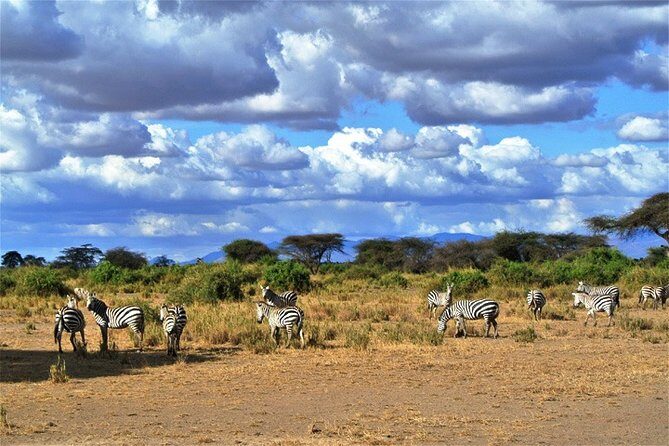
Once you leave the shoreline area behind, you’ll feel the environment change fast. Expect roughly a three-hour drive into the park region, and then the wide-open “no hiding” feel of Tsavo East: flat, dry ground and long sightlines that can make animals easier to spot from a distance.
If you’re sensitive to rough roads, plan for it. Some parts of Kenya’s road network can be bumpy, and the drive is long enough that your comfort matters.
A few more Diani Beach tours and experiences worth a look

Tsavo East National Park: dry country, big animals
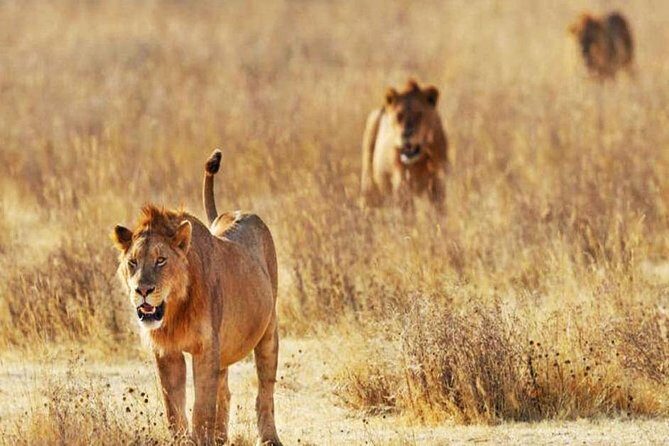
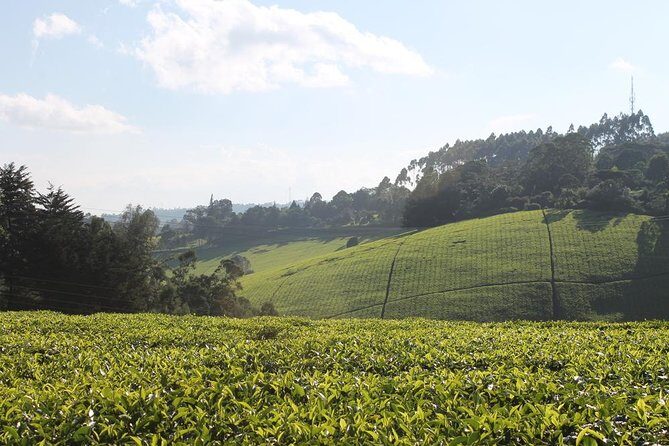
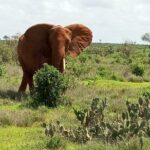
Tsavo East is the kind of park where the setting helps you understand the wildlife. You’re moving through semi-arid to arid habitat, and the animals you’re trying to see are adapted to a place where water is precious.
One neat detail you’ll likely hear as you enter is how the rivers shape the park. Tsavo and Athi rivers feed into the area, and together they form the Galana River system. Even if you don’t see roaring water, it’s a reminder that this dry country isn’t random—it’s connected.
And yes, the trip is framed around the Man Eater Lions of Tsavo theme, which gives the whole day a story feeling. You’re not there for a museum stop. You’re there to look for the real animals that make this region famous.
Morning game drive: where Tsavo’s habitat does the work
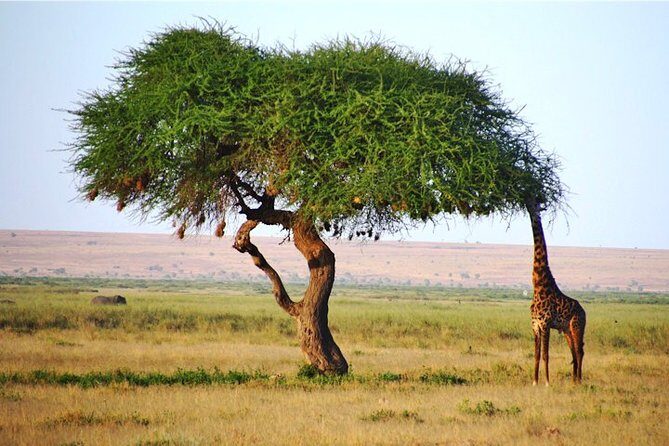
In the morning, you’ll spend the bulk of your game drive time in Tsavo East’s semi-arid to arid habitat. This is where the early timing helps: animals tend to move more actively earlier in the day, and the light is often better for spotting coats, faces, and movement at range.
You’ll also get the kind of views that make a safari feel bigger than just a checklist. On the horizon, keep an eye out for the Yatta Plateau, described as the world’s largest lava flow. It’s not an attraction you walk through, but it’s a visual anchor that tells you where you are and what kind of ground you’re driving across.
What to watch for on this morning loop:
- Elephant behavior close to the right habitat edges (not just where you hope they are)
- Predators that rely on visibility and timing
- Rhino sign and movement, if your guide positions you well
Game driving is always partly about chance, but the morning plan usually gives you more chances to see something early rather than waiting for the day to change.
Lunch break: keep it simple and plan your budget
Lunch is your flexible pause in the middle of the day. The tour notes that you should discuss or request options with your guide in advance, and lunch is not included in the base price.
This matters because pricing can jump from reasonable to painful if you arrive without a plan. You can expect lunch to fall somewhere in the range listed (about 5 to 20 USD), but your final total depends on what you choose and what’s available when you stop.
My practical advice: confirm before the day starts where you’ll have lunch and what meal types are realistically in that range. If you’re picky about food or diet, don’t leave it for the last minute. A safari day is tight even when the animals are doing you favors.
Also, remember that water isn’t listed as included. On a long drive plus park time in dry conditions, bring what you need for comfort.
Afternoon game drive: dry-season strategy and patience
After lunch, you’ll head back out for an afternoon game drive. Tsavo East’s dry and unforgiving character is part of the game here. During the dry season especially, animals crowd into smaller areas where water and usable habitat exist.
This is where you’ll feel the value of a good driver and guide. The afternoon isn’t just more time in the vehicle. It’s more time making decisions—where to stop, how long to scan, and when to move.
A helpful mindset: don’t treat the afternoon as a bonus. Treat it as a second hunting round. If the morning was quiet for a certain target, this is often when you get a better chance because animals may shift toward concentrated areas.
If you’re someone who likes photography, this is also where the heat can work against you. Dust haze can soften distance shots, so you’ll want to be ready to act fast when visibility is good and animals come close.

The pop-up roof vehicle: why “seeing” changes when you can look up
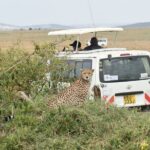
The safari vehicle used here is customized with a pop-up roof for easier game viewing. This sounds like a comfort feature, but it changes what you can actually spot.
With a normal vehicle, sightlines can be blocked by the roofline and by the angle of sitting passengers. With the pop-top, you can often see over branches and get a better view when animals appear unexpectedly.
That said, a day like this is still long. Bring sunscreen, something for dust, and a layer for the early-morning air. Even in Kenya, the first hours can feel cooler before the day settles in.
Lions, elephants, rhinos, and the real meaning of “chance”
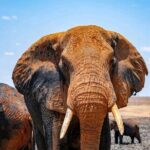
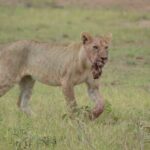
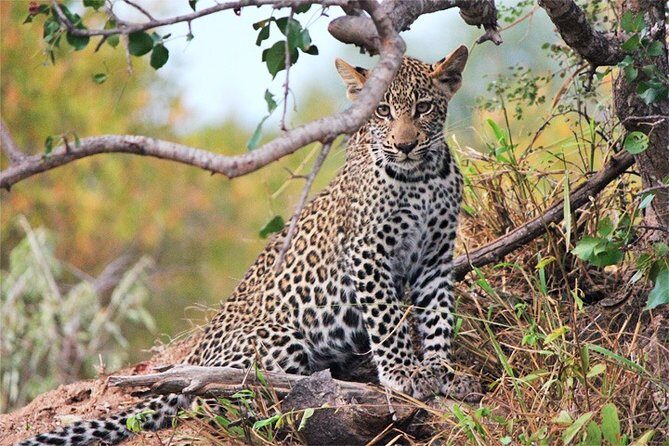
The tour is built around the big-ticket hopes: lions, rhinos, elephants, and more. That’s common safari marketing language, but in Tsavo East it feels more grounded because the habitat is open and the driving plan covers both morning and afternoon.
Some highlights you can realistically aim for during a day like this:
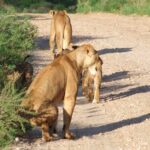
- Lions: usually depend on timing and where prey activity is happening
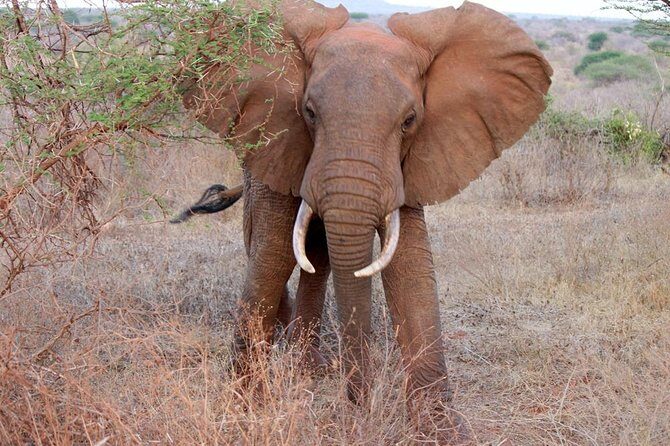
- Elephants: often show up when you’re positioned well for the right habitat edges
- Rhinos: sightings can be less frequent, so your guide’s scanning and patience matter
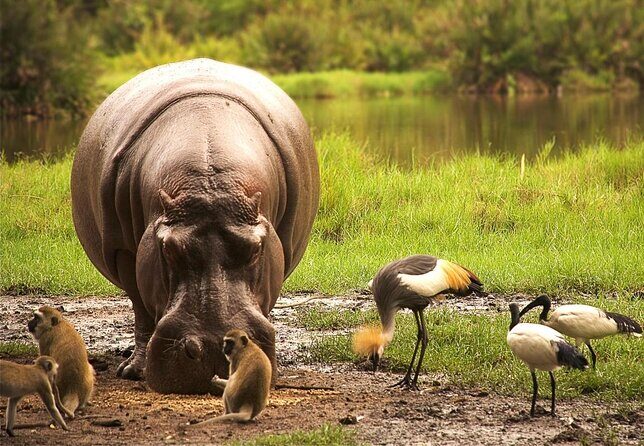
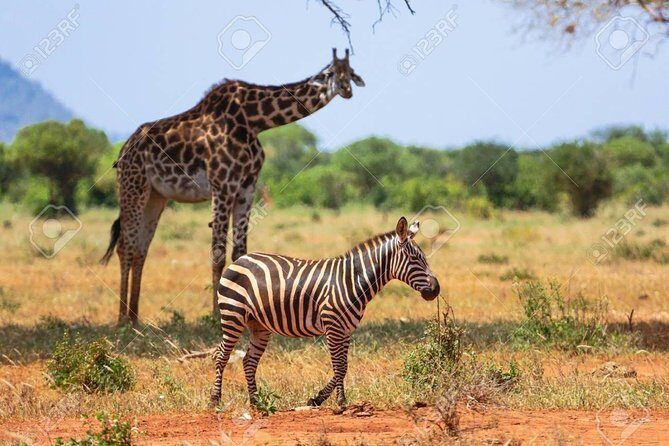
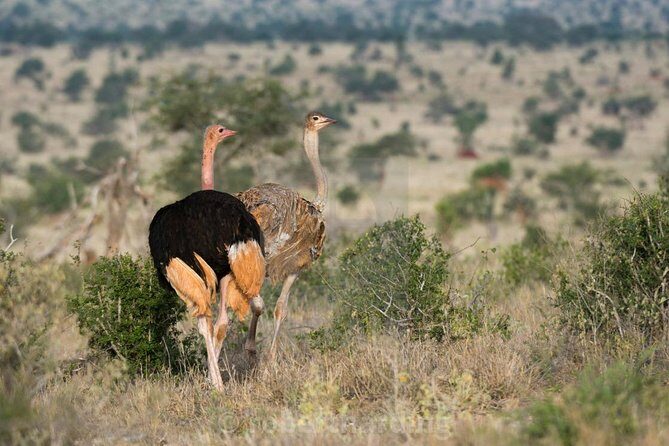
- Other wildlife: you’ll also pick up giraffes, hippos in the right areas, and many smaller moments that keep the drive interesting
The big thing you should remember: no day trip can guarantee any specific animal. What you can control is your odds by going early, staying in the park for real driving time, and having a guide who keeps the vehicle moving when it counts.
Price and value: what $200 really turns into
The base price is listed at $200 per person. That’s for pickup and drop-off, and for transportation in the customized safari vehicle.
What’s not included can change your final spend:
- Tsavo entrance fee: about 52 USD for adults / 35 USD for children, paid via card on the government website
- Lunch: typically 5 to 20 USD, arranged with your guide
- Tips and personal expenses
So what does that mean for value? If you’re an adult, your day can land around the low-to-mid 200s USD once entrance and a reasonable lunch choice are added. For a full-day safari with early pickup from multiple coastal areas, that can still be fair value—especially because the vehicle is built for viewing rather than just transport.
Where the math can feel less friendly is if you end up adding a higher lunch option, or if you’re paying entrance fees for kids at the higher end of the listed range. If you’re cost-sensitive, plan lunch choices ahead and confirm how entrance fee payment is handled so you don’t get stuck at the last step.
Transport realities from the coast: long roads, uneven comfort
This day trip is a coast-to-park-to-coast marathon. The upside is you get a true safari day without changing hotels. The downside is that the road time eats daylight, and comfort can vary.
Some people love the day because the guide stays focused and the vehicle works well for sightings. Others find the drive harder because Kenya’s infrastructure and driving habits can be different from what you may be used to, and road surfaces can be rough.
My practical takeaway:
- If motion sickness is a thing for you, take precautions before you leave
- Bring layers and something to cover up from dust
- If you’re booking as a couple or small group, ask what vehicle you’ll be using so expectations match reality
The guide names you might meet are Francis or Kelli, and both have a reputation for steering the day smoothly, including handling heavy traffic when needed.
Who this day trip suits best (and who should think twice)
This is best for you if:
- you’re staying on the coast and want a safari day without lodging changes
- you want a private setup for your group, not a crowded cattle-car ride
- you’re comfortable with an early start and a long day
It may be less ideal if:
- you strongly dislike long road days
- you’re traveling only for one specific animal and can’t handle the odds
- you want more time in the park with fewer hours spent driving
There is a sensible alternative mentioned by the operator: they also offer a 2-day safari option. If your goal is maximum time for rhinos and lion-range patience, two days often feels more respectful to the park than one hurried push.
Should you book Tsavo East from the coast?
I’d book this day trip if your priorities are early-game visibility, a pop-top viewing vehicle, and the chance to cover the big-name animals with a private guide for your group. It’s a long day, but it’s a classic Kenya trade: a quick hit of rugged country for a big dose of wildlife possibilities.
Don’t book it if you expect a relaxed schedule. This is an early departure, long-drive safari day. Bring comfort items, plan lunch, and accept that Tsavo East is dry-country time where your best moments depend on timing and where the animals decide to be.
If you’re on the fence, the most useful question to ask yourself is this: do you want one safari day now, or would you rather spread it out across two days for more park hours and less road fatigue?
FAQ
What time does pickup start?
Pickup starts at 4:30am from Diani, Mombasa, Nyali, Watamu, and Malindi.
How long is the Tsavo East day trip?
It’s listed as about 11 to 12 hours.
Is the Tsavo entrance fee included in the price?
No. The entrance fee is listed as about 52 USD per adult and 35 USD per child, and it’s paid via card on the government website.
What’s included in the safari experience?
Pickup and drop-off around the coast areas, plus all transportation in a customized safari vehicle with a pop-up roof for game viewing.
Is lunch included?
Lunch is not included. You’ll need to discuss lunch options with your guide, and lunch is listed as roughly 5 to 20 USD depending on the choice.
Is this tour private or group-based?
It’s a private tour/activity, and only your group participates.
Is there free cancellation?
Yes. Free cancellation is available up to 24 hours in advance of the experience start time for a full refund.
If you tell me your exact pickup area (Diani, Mombasa, Watamu, or Malindi) and how many people are in your group, I can help you estimate your realistic total budget including entrance and a lunch pick.