REVIEW · NAIROBI
2 Days Amboseli Safari Adventure from Nairobi Classic Game Drives
Book on Viator →Operated by Safarilinks Africa Limited · Bookable on Viator
Kilimanjaro and elephants in just two days. This short safari is interesting because it squeezes real game-drive time into a tight schedule with door-to-door pickup from your Nairobi hotel or the airport, then keeps you out on the savannah when animals are most active. You’re not just passing through; you’re set up for sightings with morning and afternoon drives that line up with wildlife behavior.
I especially like the chance to see large elephant herds in one of Africa’s best places for it, with the dramatic Mount Kilimanjaro backdrop making even ordinary moments feel cinematic. One thing to consider: the park entrance fee is not included, so your final total will be a bit higher than the headline price.
In This Review
- Key highlights to know before you go
- Nairobi to Amboseli: the value of short, efficient transport
- Your game drives: why morning and afternoon change everything
- Amboseli National Park: elephants first, drama always
- Day-by-day breakdown: what to expect on each of the two days
- Day 1: Arrival energy and your first game-drive session
- Overnight: what’s included vs what you should confirm
- Day 2: One more chance to catch action at the right time
- Price and logistics: is $410 good value?
- Comfort and practical tips that make a safari easier
- Guides and the difference between seeing animals and understanding them
- Should you book the 2 Days Amboseli Safari Adventure from Nairobi?
- FAQ
- How much does the safari cost?
- How long is the tour?
- Where does the safari take place?
- Is pickup included?
- What is included in the price?
- Is the park entrance fee included?
- What kind of wildlife viewing can I expect?
- Will I have morning and afternoon game drives?
- What if I’m traveling with kids?
- What is the cancellation rule?
Key highlights to know before you go
- Two game-drive windows each day: morning and afternoon timing helps you catch active wildlife.
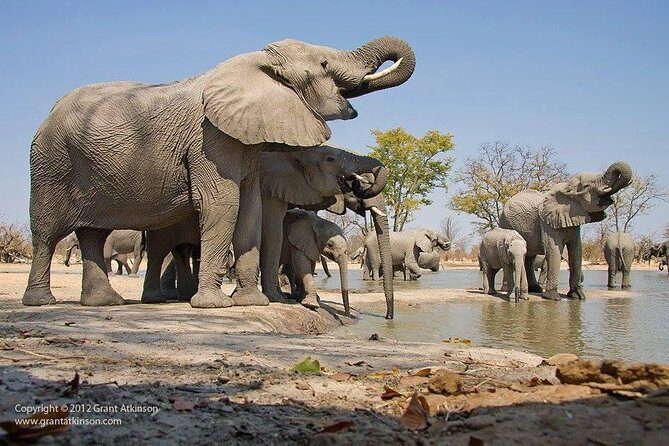
- Amboseli’s elephant focus: this is built around herds you can actually watch calmly from close range.
- Kilimanjaro as your skyline: clear-sight days make for great wildlife photography.
- Hotel-to-park transport that saves time: door-to-door pickup means fewer logistics headaches in Nairobi.
- Meals and bottled water included: you spend less time tracking basics and more time looking for animals.
Nairobi to Amboseli: the value of short, efficient transport
Let’s be honest: getting from Nairobi to Amboseli takes time, and that can kill a safari if you waste hours on the road. This trip is designed to protect your wildlife time. You get pickup from your hotel or from the airport, then travel south toward Amboseli with an air-conditioned vehicle. For many people, that comfort matters more than they expect after a flight or a long day in Nairobi traffic.
You’re also looking at a true “two-day” style safari, so every hour counts. The big advantage is that you don’t need a whole week to feel like you did something real. If you’re visiting Kenya for work, or you only have a short window, this format is a practical way to get classic savannah scenery plus serious animals.
One more practical note: the group size can be up to 99 travelers. That doesn’t automatically mean you’ll be packed tight, but it does mean you’ll likely be sharing space and timing with other guests. Your best move is to be ready to follow your driver’s guidance closely so you don’t miss the good sighting windows.
A few more Nairobi tours and experiences worth a look
Your game drives: why morning and afternoon change everything
This safari is built around daily drives that happen in the morning and afternoon. That timing is not just marketing. On the savannah, animal movement and feeding patterns often shift through the day, and many of the best sightings come when the light and temperatures cooperate.
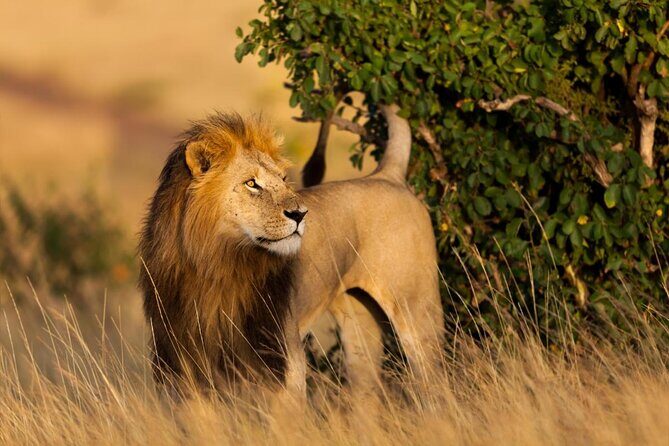
What I like about this setup is that it doesn’t rely on one single drive to “make the trip.” Two windows give you more chances to find action—whether that’s elephants moving in a line, other herbivores crossing the plain, or predators appearing when conditions are right.
What you can do to improve your odds: keep your eyes up when the vehicle slows. Many of the most memorable moments in places like Amboseli happen in the seconds between the first sighting and the moment the animal turns toward you. If you treat every pause like a possible highlight, you’ll get more out of the ride.
Also, the drive flow matters. If your guide or driver is giving explanations as you go (and some trips include guides such as Alex, praised for taking guests to many wildlife areas and answering questions), you’ll understand what you’re seeing. That’s when the safari stops being just watching and becomes learning—without making it feel like a lecture.
Amboseli National Park: elephants first, drama always
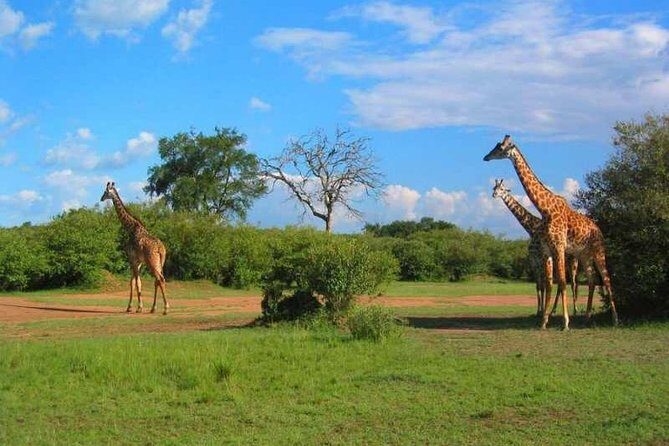
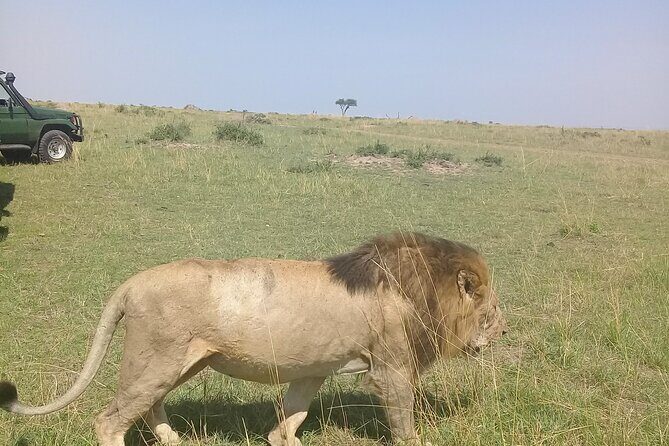
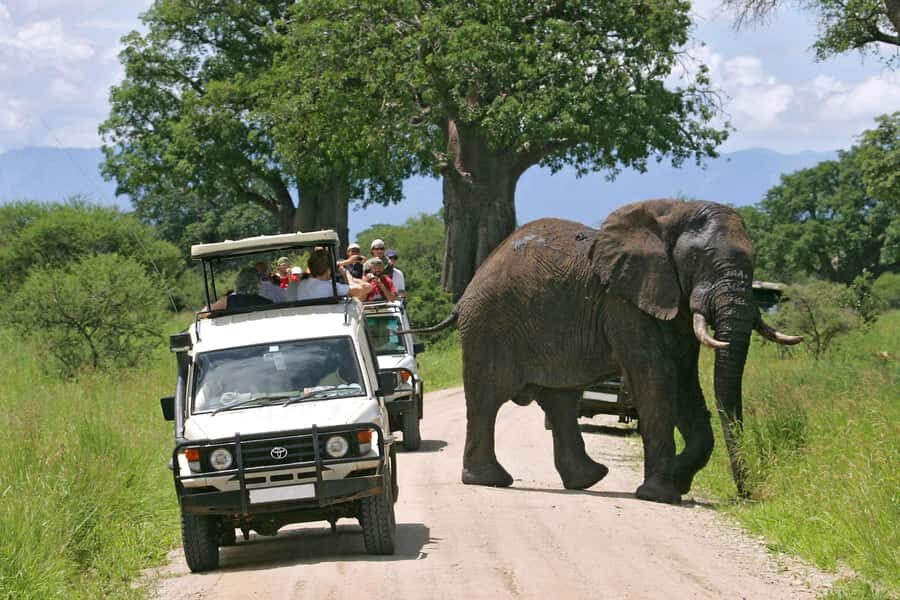
Amboseli is famous for a reason: the elephants are the headline. This is one of the best places in Africa to spot elephant herds, and the experience here is often about watching how they live as a group—moving, feeding, and keeping their social rhythm even while the landscape changes.
You’ll likely feel it most during a “slow moment.” Elephants aren’t always sprinting across the plain; sometimes they pause, gather, and decide where to go next. When you’re in the right spot, you can watch behavior rather than just catch a quick glance. That’s where the two-day structure pays off, because you’re not rushing to squeeze everything into one drive.
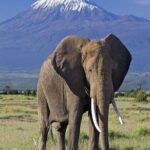
Amboseli also has a photographic edge. Mount Kilimanjaro sits as a dramatic backdrop, and in clear conditions it can turn even a standard animal encounter into a postcard-worthy frame. Even when Kilimanjaro isn’t fully visible, the contrast of sky, dust, and open plains still helps you “read” the landscape quickly—so you know where animals might appear next.
Day-by-day breakdown: what to expect on each of the two days
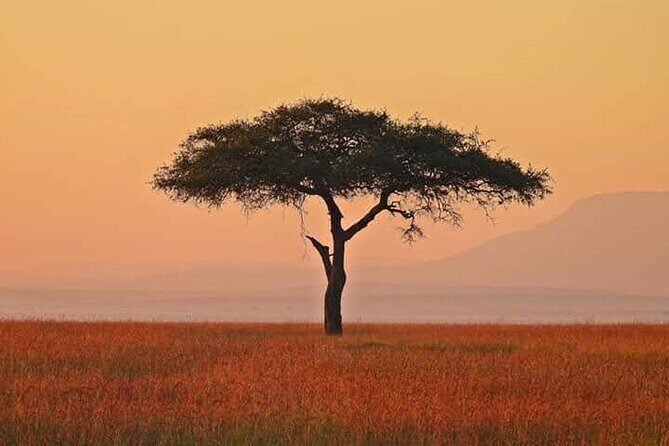
Day 1: Arrival energy and your first game-drive session
Your adventure starts with pickup in Nairobi and travel to Amboseli. Once you reach the park area, you’ll begin with multiple game drives across the day, starting with wildlife-focused time when animals are active.
The first day often feels like it’s about orientation. You’re learning the rhythms: when drivers slow down, how they scan, and how quickly conditions can shift from quiet to suddenly busy. This is also the day where you’ll set expectations about what you’re likely to see. If you’re hoping for elephants, you’ll probably want to stay patient and look for the herds rather than chasing one-off sightings.
You’ll also have meals included and bottled water, which helps keep the day moving. Since the trip is short, it’s nice not to lose time negotiating food or water stops.
A few more Nairobi tours and experiences worth a look
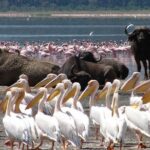
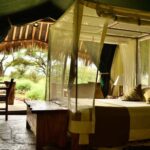
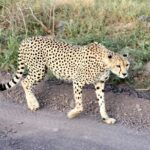
Overnight: what’s included vs what you should confirm
The trip is presented as a classic safari format that includes an overnight in a camp or lodge. However, the listed inclusions you’re given focus on meals, transport, bottled water, and pickup—not specifically overnight lodging.
So here’s the practical way to handle it: before you go, confirm in writing what your package covers for the night stay. There has been at least one raised complaint about a request for money related to a hotel, and the operator responded denying it. That doesn’t mean it will happen to you—but it does mean it’s smart to verify what’s truly included so you’re not surprised mid-trip.
If you confirm everything up front, you’ll get the best part of an overnight: the mood shift. Your safari doesn’t end when the drives stop; you get that slower evening pace that makes the whole trip feel more like a real safari than a day trip.
Day 2: One more chance to catch action at the right time
Your second day continues with classic game-driving time, again using morning and/or afternoon periods that fit animal activity.
If Day 1 gave you the elephants and Day 2 gives you the smaller surprises—different herds, other species, or a rare moment where something unexpected happens—you’ll feel like you got full value for two days. That’s why I like this format more than a single-day safari: it reduces the chances of disappointment from one slow wildlife window.
As the trip winds down, you’ll be ready for the return journey with Nairobi in mind. The big upside is that door-to-door pickup style logistics mean you’re not dealing with separate transfers at the end.
Price and logistics: is $410 good value?
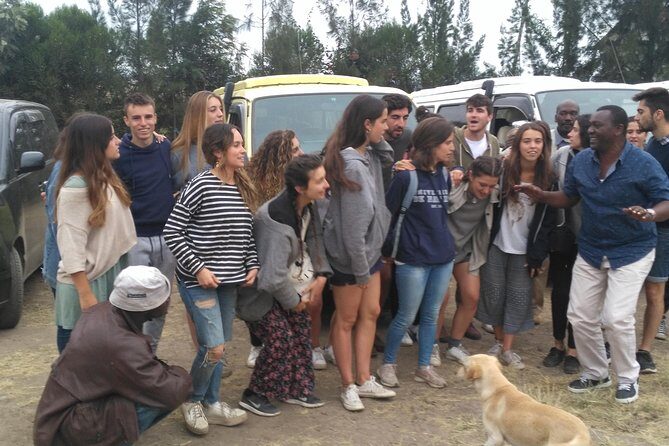
At $410 per person for roughly two days, the value depends on what you need most: time efficiency and convenience, or maximum inclusion of costs.
Here’s what you can anchor on. The trip includes hotel pickup, an air-conditioned vehicle, meals, and bottled water. It also includes a mobile ticket and uses a group format. Those are real savings in hassle and day-to-day friction.
The catch is that entrance fee is not included. That’s common on safaris, but it matters for budgeting. So if you’re trying to compare this to other tours, don’t just compare the headline price. Ask what’s included for park access on your specific departure date.
Also, because the overnight lodging inclusion isn’t spelled out in the listed inclusions, confirm that piece directly. One raised concern in the available feedback centers on lodging-related payments, so it’s worth checking.
If you do those two checks—entrance fee total and overnight lodging—you’ll know whether you’re getting a fair deal. For many people, the short-door-to-door nature makes it feel worth it even with a bit of extra add-on cost.
Comfort and practical tips that make a safari easier
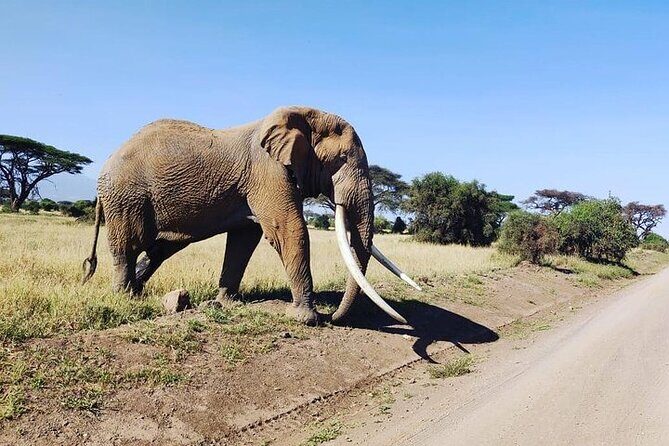
This is a “small details” trip, and the small stuff adds up.
- Bring a light layer for early mornings. Morning drives can feel cooler than the middle of the day.
- Pack for dust. Amboseli is dry and open, and dust follows you from the road to your clothes and camera gear.
- Keep your phone/camera ready during slow moments. Wildlife sightings often happen during the seconds you’re most tempted to look away.
- Expect time on bumpy roads. Even with air-conditioning, the vehicle ride can be jostly, especially off main tracks.
One more thing: because the group can be large (up to 99), you should plan to be patient and follow your driver’s pace. The best sightings usually go to whoever’s focused at the right moment, not whoever tries to guess where the herd will be next.
Guides and the difference between seeing animals and understanding them
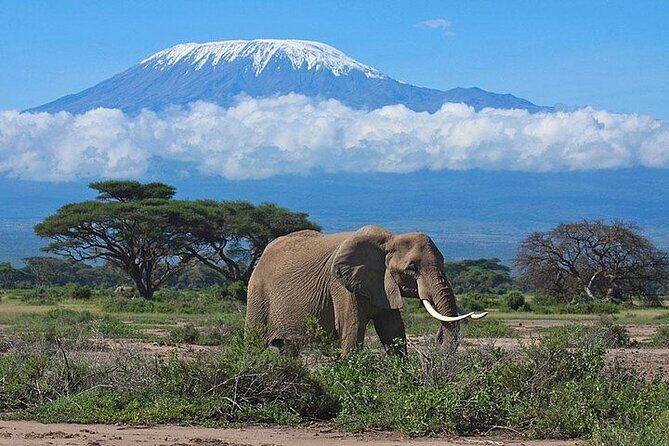
A safari becomes better when someone helps you interpret the landscape and behavior you’re watching. In the available feedback, a guide/driver named Alex was specifically praised for taking guests to many wildlife areas, providing lots of explanations, and answering questions.
That kind of guidance matters because Amboseli isn’t just a zoo-like encounter. Elephants have patterns: where they feed, how groups move, and how they respond to movement around them. When you understand the “why,” the sightings feel more meaningful.
Even if your guide isn’t Alex on your departure, the lesson stands: when explanations are offered, take advantage. Ask questions when you see something you don’t recognize. It’s one of the easiest ways to make the two-day format feel fuller.
Should you book the 2 Days Amboseli Safari Adventure from Nairobi?
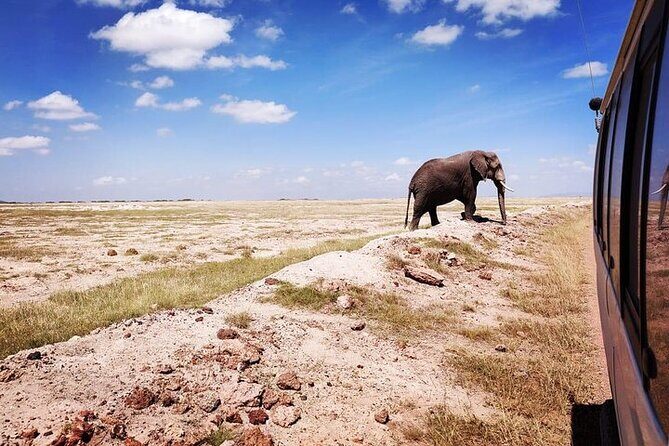
Book it if you want a short, classic safari that protects your time and gives you morning and afternoon game drives, with a strong chance at elephant herds and Kilimanjaro views. It’s also a smart pick if you value door-to-door pickup and don’t want to stitch together transport on your own.
I’d be cautious before booking if you don’t want to handle cost add-ons. Since entrance fees aren’t included, you’ll pay extra. And because the overnight lodging is not clearly listed in the inclusions you see, I’d confirm the night stay details up front so you’re not stuck clarifying payment later.
If you confirm those two points, this is a very reasonable way to experience Amboseli without spending a week on logistics.
FAQ
How much does the safari cost?
The price is $410.00 per person.
How long is the tour?
It runs for 2 days (approx.).
Where does the safari take place?
It includes a visit to Amboseli National Park.
Is pickup included?
Yes. Hotel pickup is included, and pickup is also offered from the airport.
What is included in the price?
Included items are bottled water, hotel pickup, an air-conditioned vehicle, and meals.
Is the park entrance fee included?
No. Entrance fee is not included.
What kind of wildlife viewing can I expect?
The trip focuses on game drives with a strong chance to see elephant herds, and it also offers dramatic wildlife photo opportunities with Mount Kilimanjaro.
Will I have morning and afternoon game drives?
Yes. The tour highlights morning and afternoon drives to catch animals when they’re active.
What if I’m traveling with kids?
Children must be accompanied by an adult.
What is the cancellation rule?
You can cancel for a full refund if you cancel up to 24 hours in advance of the experience start time.