REVIEW · MOMBASA
Mombasa:Street food Experience
Book on GetYourGuide →Operated by Experience Kenya · Bookable on GetYourGuide
Street food in Old Town can teach you fast. This 150-minute walk turns bites into stories, with Swahili kitchen favorites like mshikaki skewers and sweet coffee. I especially like the way you’re guided from stall to stall while learning how people actually live and eat. The main drawback to consider: it’s mostly on-street eating, so it helps if you don’t mind standing, moving, and sharing the pace.
This tour is built for people who want flavor plus context, not just a quick snack stop. You meet at Treasury Square Roundabout, get a short safety chat, then spend most of your time walking between nearby areas in Old Town. I also like that everything you eat and drink is included in the price, and the guide can work with dietary needs like vegetarian, vegan, and pescatarian options.
One more practical note: the experience is designed for an empty stomach. If you arrive already full, you’ll likely miss out on the best sampling, since the plan includes multiple items like seafood, cassava chips, and potato snacks.
In This Review
- Key points to know before you go
- Meeting at Treasury Square Roundabout: pace, safety, and where you’ll actually spend time
- Sweet coffee, tea, and juice ya miwa: the warm-up that sets the tone
- Mshikaki skewers, viazi karai/bhajia, and kachiri cassava chips: the core street-food lineup
- Seafood in Old Town: octopus, prawns, or fish stop
- Food markets and guided sightseeing: why the walk matters as much as the bites
- Price and value: what $37 includes and when it’s worth it
- Your guide matters: Joan or Nicole’s relaxed style, and one caution on tone
- Who should book this Mombasa street food walk, and who might skip it
- Should you book Mombasa: Street Food Experience?
- FAQ
- How long is the Mombasa street food experience?
- Where do we meet for the tour?
- Is drop-off included at the end?
- Are food and drinks included in the price?
- Do you offer vegetarian, vegan, or pescatarian options?
- What languages will the live guide speak?
- Can I cancel or pay later?
Key points to know before you go
- Old Town walking route stays short and manageable, so you can focus on the food.
- Swahili street staples are the main event, from mshikaki to bhajia/viazi karai.
- You start with sweet coffee, tea, and sugarcane juice, not just savory bites.
- Seafood can be part of your tasting (octopus, prawns, or fish), depending on what’s served.
- All food and drinks are included, so you can relax and taste more.
- Tell the guide about allergies ahead of time, and they’ll adjust what you sample.
Meeting at Treasury Square Roundabout: pace, safety, and where you’ll actually spend time
You start at Treasury Square Roundabout, then get a quick safety briefing before you begin walking. The walk itself is the format: you move from one Old Town area to another while your guide connects what you’re eating to daily life in Mombasa.
The good news is that distances are short. The tour is designed so you won’t feel like you’re doing a marathon through the heat just to reach the next snack. And because there’s a second safety briefing during the main stretch, you also get a light reset point as you transition between areas.
You should also expect a street-market style rhythm. That means you’ll spend time close to where food is prepared and sold, rather than eating everything at a sit-down restaurant. If you like real local settings over polished dining rooms, this setup fits your style.
You can also read our reviews of more food & drink experiences in Mombasa

Sweet coffee, tea, and juice ya miwa: the warm-up that sets the tone
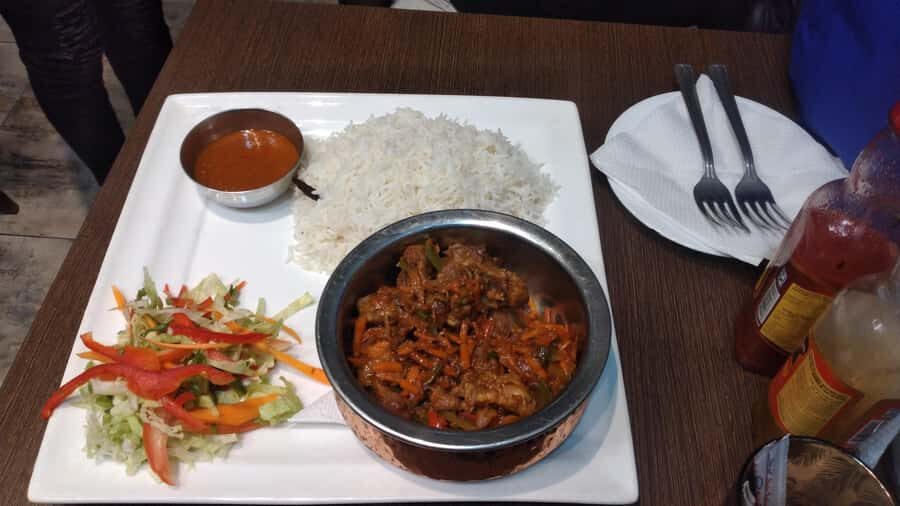
Before savory food takes over, the tasting lineup starts with drinks that feel distinctly coastal. You’ll sample Kahawa, a Swahili sweet coffee, plus Chai, Swahili tea. You’ll also get Juice ya Miwa, fresh sugarcane juice, which is the kind of refreshing start that makes the later snacks easier to enjoy.
What I like about beginning with drinks is that it helps you get comfortable with the pace. You’re not thrown straight into eating heavy items right away. Instead, you ease into flavors that locals actually start with, then build upward into skewers, fried bites, and seafood.
This also matters if you have a sensitive stomach. Even if you’re not used to street food, a gradual start with cold or warm drinks can make the whole experience feel smoother. Keep an eye on how you feel after the first few tastings, and tell the guide if you need to slow down.
Mshikaki skewers, viazi karai/bhajia, and kachiri cassava chips: the core street-food lineup
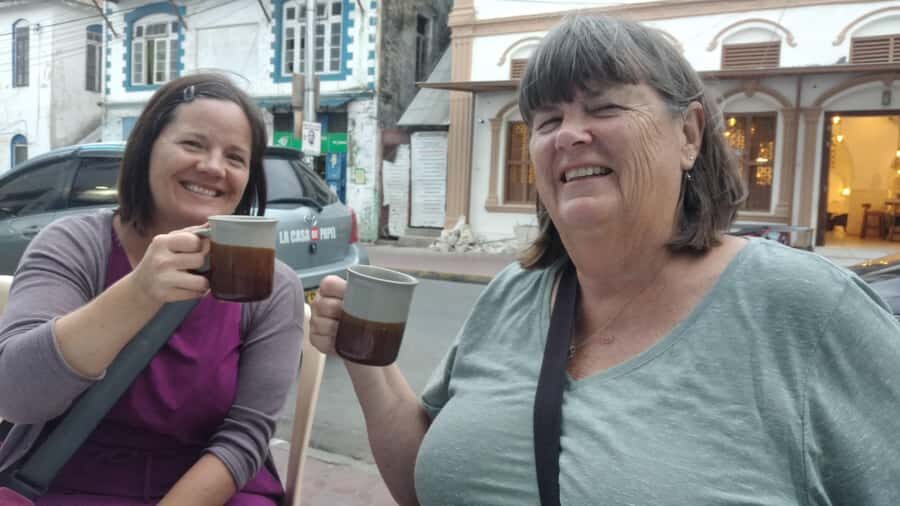
The heart of the tour is the Swahili street kitchen, built around small, shareable bites you can sample without committing to one single meal. You’ll likely try mshikaki, with beef or chicken skewers—classic, smoky, and easy to keep eating while you talk. Next up are Viazi karai/Bhajia, potato snacks that bring salt, crunch, and the kind of frying you can smell from a block away.
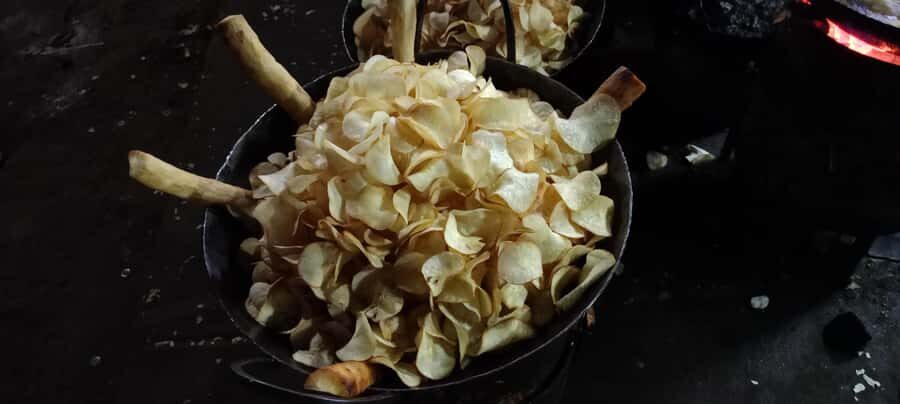
Then comes kachiri, cassava chips or crisp-style cassava snacks. This is the kind of local comfort food that helps you understand the coastal snack culture, because cassava shows up in lots of everyday eating beyond just one special dish.
Here’s what makes this lineup more than a random list of foods: your guide ties each bite to preparation and to local habits. You’ll learn how the food is made so you can recreate the idea at home—even if you can’t replicate every ingredient exactly. In other words, the tastings come with context, not just flavor.
Practical tip: because you’re eating multiple items, take small bites and pause between stops. It’s tempting to eat fast, but the tour is set up for enjoying the progression. If you go in with a full stomach, the later items like seafood or cassava chips can feel like too much, too quickly.
Seafood in Old Town: octopus, prawns, or fish stop
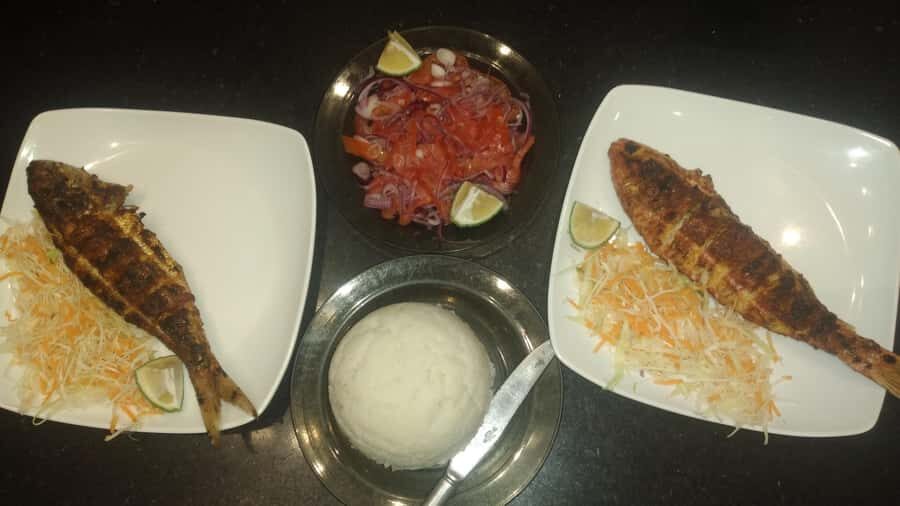
For many people, the best surprise is the seafood portion. Depending on what’s being served, you may try octopus, prawns, or fish. This is where the tour earns its coast credentials, since seafood isn’t an afterthought—it’s part of how Mombasa tastes.
The value here is not just the dish itself. It’s the fact that you’re learning what coastal street food looks like in real time: where it’s sold, how it’s portioned, and how people fit it into everyday life. Even if you’re not a seafood person, the guide can help you think through alternatives if you’ve got dietary preferences.
If you’re pescatarian, this part is likely to feel satisfying because you’re sampling in the street-food style rather than at a generic seafood restaurant. If you’re not into seafood, plan to tell your guide clearly at the start so your tastings stay enjoyable instead of stressful.
Food markets and guided sightseeing: why the walk matters as much as the bites
The experience includes a food market visit and guided sightseeing while you’re on your feet. That combination is more useful than it sounds. You get the why behind the food—how street stalls fit into daily schedules, how people move through markets, and what locals consider normal.
It’s also one of the biggest reasons this type of tour can feel more personal than a standard restaurant meal. You’re constantly connecting what you see with what you taste. Your guide also handles small safety briefings, which helps you stay focused instead of distracted.
One more detail I appreciated: the guide helps you understand how to try these flavors back home. That means you don’t leave with only full pockets and empty plates—you leave with a mental map of flavors you can repeat, even if you need a local substitute.






Price and value: what $37 includes and when it’s worth it
At $37 per person for 150 minutes, this is one of those deals that depends on what you normally spend and how much you like guided structure. The big win is that all food and drinks are included. That takes away the common problem with street-food exploring, where you pay for “a little bit here, a little bit there” and suddenly you’re spending more than expected.
You’re also paying for guidance that does the hard part: selecting a variety of items so you taste across the coastal spectrum—sweet drinks, fried snacks, skewers, cassava chips, and possibly seafood. Without that structure, you’d need to be brave, curious, and willing to experiment on your own.
Is it a bargain for everyone? It’s best if you’re hungry and open-minded. The tour explicitly expects you to come with an empty stomach, and that’s not a small request. If you barely eat during the tasting, you won’t feel the full value.
Your guide matters: Joan or Nicole’s relaxed style, and one caution on tone
A street-food tour lives or dies on guide energy. Some of the strongest praise centers on guides like Joan and Nicole, described as relaxed, easy to talk to, and strong at mixing food with cultural context. That friendly vibe makes the experience feel like chatting while you eat, not like following instructions in silence.
There is also a caution worth taking seriously. In one case, a guest felt uncomfortable due to the guide’s tone and the way questions were handled. That doesn’t mean every tour will be the same, but it’s a reminder: if you prefer gentle coaching and patient answers, communicate how you like to learn. If you’re worried about misunderstanding, ask your first question clearly and see how the guide responds.
Bottom line: choose this tour if you enjoy casual conversation and you’re comfortable eating street food in an authentic setting. If you want a very formal, rigidly respectful style no matter what, you might consider confirming that your guide will be hands-on and supportive.
Who should book this Mombasa street food walk, and who might skip it
This tour fits best if you want Swahili street food plus culture in the same package. You’ll get multiple tastings rather than one big meal, and you’ll hear stories connected to food and everyday life. It also works well for couples and solo travelers who enjoy walking and talking with a guide.
It may be less satisfying if you expect fully seated dining or a slow, restaurant-style pace. This is a walk-and-eat format with street stops. You should also plan around appetite: they strongly suggest you don’t eat much before you go.
Good news for dietary needs: vegetarian, vegan, and pescatarian options are available, and you can message about allergies in advance so the guide can adjust sampling. That’s an important quality-of-life detail, especially when the plan includes skewers, fried potato snacks, and seafood.
Should you book Mombasa: Street Food Experience?
Book it if you want a structured way to taste the coast: sweet coffee and tea, sugarcane juice, skewers, fried potato bites, cassava chips, and possibly seafood—while you learn how street food connects to local life. I’d especially recommend it if you like authenticity and conversation, and if you’re hungry enough to enjoy the full sequence.
Skip or reconsider if you hate street settings, don’t want to walk, or you’re likely to arrive already full. Also, be aware that the experience can feel guide-dependent, so bring your questions and your expectations clearly.
If that sounds like your style, this is a fun, practical way to get under the skin of Old Town Mombasa for just a bit over two hours.
FAQ
How long is the Mombasa street food experience?
The experience lasts 150 minutes.
Where do we meet for the tour?
The starting location is Treasury Square Roundabout.
Is drop-off included at the end?
No, drop-off is not included.
Are food and drinks included in the price?
Yes. All food and drinks are included, and the tour expects you to come with an empty stomach.
Do you offer vegetarian, vegan, or pescatarian options?
Yes. Vegetarian, vegan, and pescatarian options are available. If you have allergies, you should let the guide know in advance.
What languages will the live guide speak?
The live guide speaks English and Swahili.
Can I cancel or pay later?
Yes. You can cancel up to 24 hours in advance for a full refund, and there’s an option to reserve now and pay later.