REVIEW · MOMBASA
Watamu Marine Park & Sudi Island Mangrove Forest Canoe Ride.With sea food lunch
Book on Viator →Operated by AFRICAN NATIVES TOURS & TRANSFERS · Bookable on Viator
Dolphins and mangroves in one long coastal day. This Watamu tour takes you north from Mombasa for dolphin sightings on a two-deck glass boat, plus snorkeling in the marine park waters and a satisfying seafood lunch at the end. It’s one of those days where you’re constantly switching scenes: open water, then mangrove calm, then beach food.
I also like the small-group feel. Guides such as Derrick and Jim are specifically praised for being insightful and for keeping you comfortable, which matters when you’re out on the water for hours.
One thing to keep in mind: dolphin sightings are seasonal. You can only realistically expect dolphins in Watamu from October to April, and the day depends on workable weather too.
In This Review
- Key highlights you’ll feel on the day
- From Mombasa to Watamu: the 100 km morning plan that sets the tone
- Watamu National Marine Park: that two-deck glass boat experience
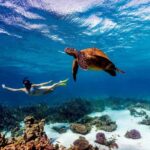
- Snorkeling in the marine park: what you’re actually buying with the time
- The Sudi Island mangrove canoe ride: slow travel through roots and channels
- Seafood lunch on the beach: real value comes from what’s included
- Transfers, timing, and the real feel of a 9.5-hour day
- Price and value: what $101.05 buys you in Kenya’s coastal zone
- Who should book this Watamu + Sudi Island day trip?
- Should you book Watamu Marine Park & Sudi Island?
- FAQ
- Where does this tour start and how do you get there?
- What do I do at Watamu National Marine Park?
- Is snorkeling equipment included?
- Can I eat something other than seafood for lunch?
- What’s included with lunch?
- When can I see dolphins in Watamu?
- How long is the tour?
- How large is the group?
- What happens if the weather is poor?
Key highlights you’ll feel on the day
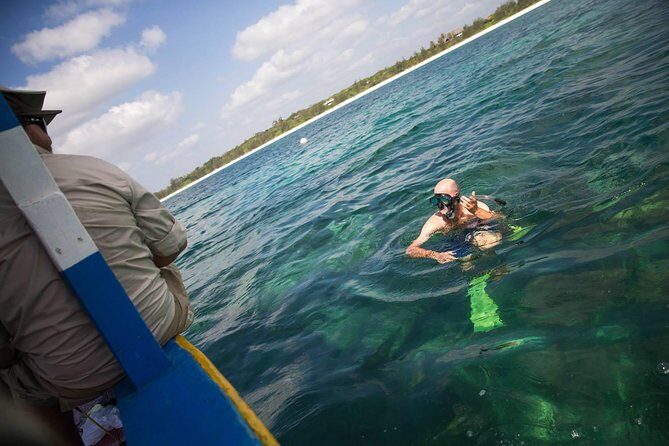
- Two-deck glass boat: you can sunbathe on top while also watching underwater life from below
- Dolphins are seasonal: October to April is your best bet
- Snorkeling gear is included: you won’t need to source equipment last-minute
- Sudi Island mangrove canoe ride: a guided trip through mangrove channels, not just a quick stop
- BBQ-style seafood lunch (with soda and water): plus a chicken option for non-seafood eaters
From Mombasa to Watamu: the 100 km morning plan that sets the tone
This is a full-day outing, so the timing matters. You’re picked up early from your hotel or another preferred pickup point, then you head north toward Watamu. The drive is about 100 kilometers and roughly 1.5 hours in normal conditions, so you’re not stuck on the road forever before the fun begins.
Along the way, you get a sense of coastal Kenya beyond Mombasa—plantations and changing scenery along the Mombasa–Malindi road. By the time you reach Watamu, you’re usually ready to be outside and active, not just sightseeing from a window.
When you arrive (around 9:30 am), you shift from driving mode to water mode quickly. Your driver hands you over to the marine captain/guide so the park fees get handled and you can board without a long wait. That handoff is one of those small details that keeps the day flowing.
You can also read our reviews of more food & drink experiences in Mombasa
Watamu National Marine Park: that two-deck glass boat experience
At Watamu National Marine Park, the day kicks off on the water with a motorized two-deck glass boat. This isn’t just a seat-and-stare cruise. There’s a real difference between the decks.
On the top deck, you can lay back and catch the sun. The lower deck is where the glass concept pays off: you can look down and see underwater life while you cruise toward the marine park zone. It’s a neat way to enjoy the environment even if you’re not in the water yet.
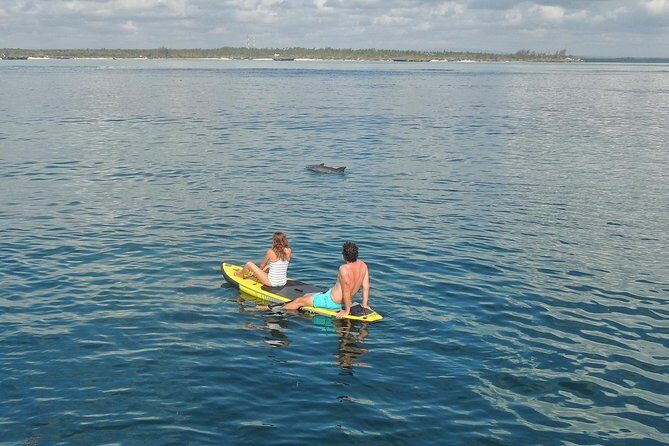
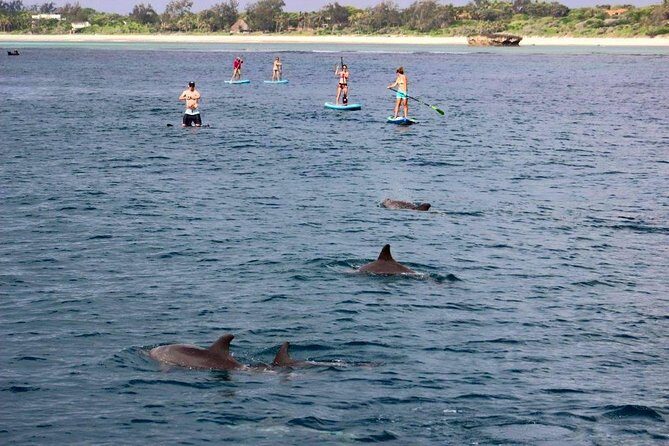
Then comes the star moment: dolphin sighting. The tour is designed around the chance to see dolphins close by, but do yourself a favor and treat it as wildlife viewing, not a guaranteed show. The schedule is built to look for them, and that’s the point—but your season still counts.
If dolphins are spotted, the whole mood lifts fast. Expect a lot of excitement, cameras out, and guides working to keep everyone in the right position. If dolphins are quiet or absent, you still have the marine-park setting, boat viewing, and snorkeling time to fall back on.
Snorkeling in the marine park: what you’re actually buying with the time
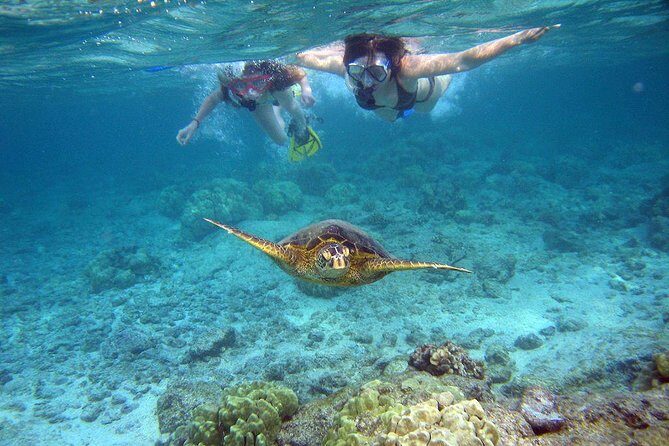
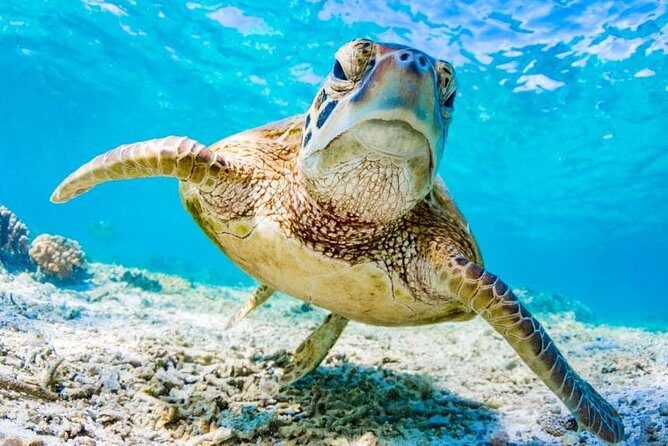
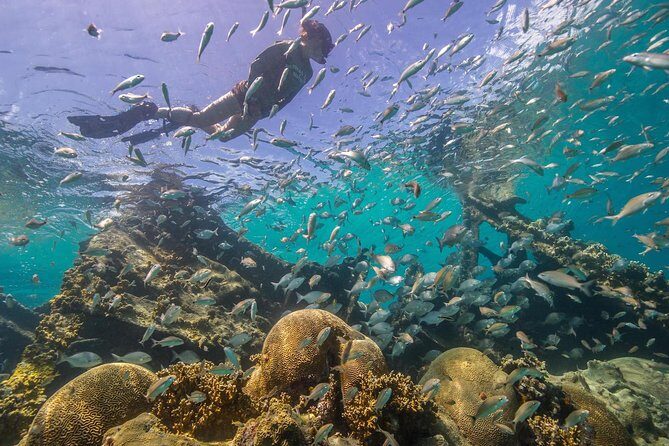
Snorkeling is a key part of this outing, and the good news is that snorkeling equipment is included. That saves you from renting gear on short notice. It also means you can focus on the water time instead of logistics.
Here’s the realistic part: snorkeling isn’t just one thing. Sometimes it’s clear, calm, and exactly what you hoped for. Other times, conditions shape what you see and how long you feel comfortable swimming.
Also, manage expectations about dolphin snorkeling. The tour experience is described as snorkeling with dolphin opportunities, but the nature of the day is still wildlife-dependent. I’d assume you may spot dolphins from the boat while you snorkel in the surrounding waters, and you might not always get the kind of dolphin-meets-snorkeler moment that people dream about. That doesn’t make the snorkeling bad—it just means you’re planning for a likely dolphin sighting window rather than promising a dolphin swim.
Practical tip: if you’re going for clear-water confidence, pick your season wisely. Dolphins are seasonal (October to April), and the tour also requires good weather. In other months, the marine park beauty still comes through, but dolphin action is less predictable.
The Sudi Island mangrove canoe ride: slow travel through roots and channels
After the marine park portion, the day shifts into a calmer gear: the canoe guided tour into the Sudi Island mangrove forest. Instead of a motorized boat feeling, you’re in a smaller craft moving through mangrove channels.
This is the part many people remember because it’s different from the open-water section. Mangroves change how water moves, and the whole environment feels quieter. You’ll get a guided experience through the forest rather than just paddling around aimlessly.
The tour also includes a chance to meet locals of Sudi Island. That matters because it turns the day from wildlife viewing only into something more human and local. Even if the specifics vary by timing, you’re not just passing through—you’re spending time on the island and seeing how the community fits into the coastline.
One more reason I like this stop: it balances the energy. After being on the water and in the sun, the canoe ride gives you a slower pace, with a different kind of attention—watching the mangrove edges, listening, and taking in the surroundings as the canoe moves through narrow waterways.
Seafood lunch on the beach: real value comes from what’s included
Let’s talk food, because this tour’s lunch is part of the value package—not an add-on.
You’ll enjoy a fresh seafood lunch with drinks, and you get a soda/pop bottle plus bottled water during lunch time. There’s also an option of chicken for anyone who doesn’t eat seafood.
In practice, this means you’re not spending your limited time searching for a restaurant after a day on the water. You also don’t have to decide what to order with a hungry crowd waiting. The lunch timing fits the flow: you’ve worked up an appetite, and then you get fed.
Several details from the experience help explain why it feels worthwhile:
- It’s described as a BBQ-style seafood lunch on the beach area.
- One review specifically mentioned half langouste, which gives you an idea of the kind of substantial seafood portions that can show up.
If you’re someone who hates tours that nickel-and-dime you for basic meals, this is the opposite. You’re paying once, then lunch is handled with the seafood option (and chicken backup).


Transfers, timing, and the real feel of a 9.5-hour day
This trip is listed at about 9 hours 30 minutes. In real life, that usually means a whole-day commitment where you’re active for a big chunk, then settled for a shorter return period.
You’ll get round-trip transfers from most Mombasa hotels, and that’s a big deal if you don’t want to figure out transport on your own. The day is also designed for a small group. The maximum is 37 travelers, which keeps things organized on boats and during the canoe segment, and it’s easier for guides to manage.
One caution: some parts of the day can include bumpy surface travel, depending on how the return logistics are handled at the marina. If you’re sensitive to rough rides, it’s worth planning for that possibility.
Still, the overall structure is good: early pickup, morning marine park boat segment, snorkeling time, canoe through mangroves at Sudi Island, then lunch, then the return. It feels like a cohesive itinerary rather than a string of random stops.
Price and value: what $101.05 buys you in Kenya’s coastal zone
At $101.05 per person, this tour isn’t the cheapest way to spend a day near the water—but it is trying hard to be a good deal.
Here’s what you’re effectively getting in the ticket:
- Private transportation (round-trip from most Mombasa hotels)
- All fees and taxes
- Snorkeling equipment
- Lunch (seafood, with a chicken option)
- Soda/pop and bottled water during lunch
- Canoe guided tour into the Sudi Island mangrove forest
That combination is what makes the price feel reasonable. If you tried to piece this together yourself—boat time, marine park fees, snorkeling gear rental, a guided canoe, and lunch—the total usually climbs quickly. You’re paying to remove the planning burden and get a guided route that hits both marine park wildlife viewing and mangrove exploration.
What’s not included matters too. Coffee/tea, alcoholic beverages, snacks, and personal items are not part of the package. So if you love a morning coffee or you want extra drinks beyond soda/water at lunch, budget for it.
My takeaway: if you want a guided day that covers the main coastal highlights—marine park boat viewing + snorkeling + mangrove canoe + a proper included lunch—this is a sensible value.
Who should book this Watamu + Sudi Island day trip?
Book it if you want:
- Wildlife time without doing everything yourself
- A day that mixes open water and mangroves
- Included snorkeling gear and an included meal
- A guided group format with a manageable cap of 37
Skip it (or adjust expectations) if:
- You’re visiting outside October to April and dolphins are your main goal
- You’re very strict about what snorkeling has to look like (since conditions can shape what you see and whether you get specific dolphin moments)
- You have trouble with bumpy surface transfers later in the day
This tour also fits well if you’re the type who likes local connections—because the Sudi Island stop includes meeting locals, not just a wildlife checklist.
Should you book Watamu Marine Park & Sudi Island?
I’d book this tour if you’re traveling in the dolphin season (October–April) and you want one guided day that meaningfully combines marine park wildlife viewing, snorkeling with included gear, a guided mangrove canoe ride, and a beach lunch that’s already paid for. The money feels tied to real included value: transfers, fees, snorkeling equipment, and lunch.
If you’re outside dolphin season, you can still enjoy the marine park and the Sudi Island mangroves, but the day becomes more about the broader coastal experience than guaranteed dolphin encounters. In that case, go in with a flexible mindset and focus on the canoe + snorkeling + included lunch rhythm.
FAQ
Where does this tour start and how do you get there?
It starts in Mombasa and uses round-trip transfers from most Mombasa hotels. You drive north to Watamu (about 100 kilometers and roughly 1.5 hours).
What do I do at Watamu National Marine Park?
You board a motorized two-deck glass boat for the marine park cruise, with dolphin sighting as part of the experience. Snorkeling time is included as well, with snorkeling equipment provided.
Is snorkeling equipment included?
Yes. The tour includes the use of snorkeling equipment.
Can I eat something other than seafood for lunch?
Yes. Lunch is seafood, but there’s also an option of chicken for people who do not eat seafood.
What’s included with lunch?
Lunch includes seafood (or chicken option), plus soda/pop and bottled water during lunch time.
When can I see dolphins in Watamu?
Dolphins are seasonal and can only be seen from October to April.
How long is the tour?
The tour runs for about 9 hours 30 minutes (approx.).
How large is the group?
The tour has a maximum of 37 travelers.
What happens if the weather is poor?
This experience requires good weather. If it’s canceled due to poor weather, you’ll be offered a different date or a full refund.