REVIEW · NAIROBI
Nairobi: Explore Maasai Market for Unique Souvenirs
Book on GetYourGuide →Operated by KCOOP Tours & Travels · Bookable on GetYourGuide
Bargaining in Nairobi gets easier. With a local guide, you’ll move through Maasai Market and nearby gift shops with help that goes beyond pointing at items. It’s a fast, practical way to shop for souvenirs while also understanding what you’re buying and who made it.
I especially like two things: the hands-on bargaining tips (including how to negotiate without turning it into a stressful scene), and the chance to chat with artisans so the crafts feel personal, not random.
One consideration: bring cash and keep your phone and wallet secure. Markets are busy, and not every stall runs on card payments, so you’ll want to be ready.
In This Review
- Key things to know before you go
- Meeting Erick at Hilton Arcade and Getting Oriented Fast
- First Stop: City-Center Gift Shops to Set Your Price Baseline
- Maasai Market: How the Shopping Loop Really Works
- What you should watch for while you browse
- The Bargaining Lesson: How to Negotiate Without Losing Your Cool
- Meeting Artisans: Turning Souvenirs Into Stories
- Optional Detours: Extra Craft Centers If You Still Want More
- Short City-Center Walk: Making Shopping Part of Nairobi
- Price and Value: Why Two Hours Can Be Worth $10
- Practical Tips So You Leave With the Right Stuff
- Bring cash (and expect some haggling)
- Wear comfortable shoes
- Weather changes fast—dress for Nairobi
- Keep belongings secure
- Respect the craft and the people making it
- Who This Tour Fits Best
- FAQ
- Where does the tour start?
- How long is the tour?
- Is the guide available in English?
- What kinds of souvenirs can I find at Maasai Market?
- Do I get help with bargaining and communication?
- Should I bring cash?
- What should I wear and bring for comfort?
- Should You Book This Maasai Market Shopping Tour?
Key things to know before you go
- Meet at Hilton Arcade (Mama Ngina Street) and get your bearings before you step into the market maze
- Bargaining guidance + translation help, so you can talk confidently and compare prices
- Direct access to artisans and social-impact entrepreneurs, which makes your purchases feel more grounded
- Quality checking support, helping you pick better-made pieces and avoid obvious low-grade stuff
- A chance to visit additional craft production/selling centers if you still want more shopping
- A short city-center walk after shopping, so you get context for what you’re seeing
Meeting Erick at Hilton Arcade and Getting Oriented Fast
Your tour starts at Hilton Arcade on Mama Ngina Street. That matters more than you’d think. Nairobi’s center is active, and markets can feel like sensory overload if you show up alone. Starting with a guide means you get your plan straight away: where you’re going, what to look for, and how to avoid getting pressured by the loudest vendor in the room.
In my experience with guided shopping like this, the biggest value is not speed—it’s clarity. You’re not guessing how the market works or whether the price you hear is normal. You’re also not stuck translating your way through basic questions. You’ll get language barrier help, plus practical guidance on what kinds of souvenirs are worth your time.
And if you’ve got a specific gift goal—beaded jewelry for a friend, textiles for family, carvings for a collector—you can usually steer the route that way. This tour is designed to be flexible.
You can also read our reviews of more shopping tours in Nairobi


First Stop: City-Center Gift Shops to Set Your Price Baseline
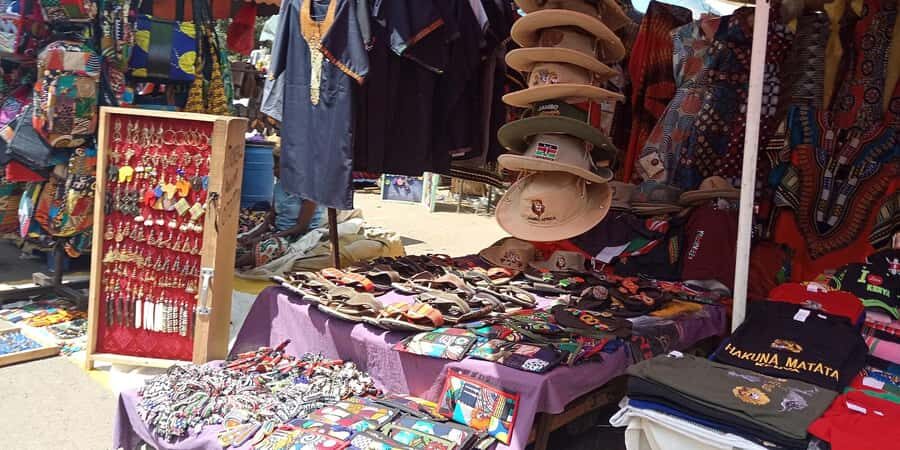
Before Maasai Market, you’ll visit some gift and craft shops in the city center. This is a smart warm-up. Prices in markets can swing wildly depending on what a seller thinks tourists will pay, and you’ll benefit from seeing how the range looks before you enter the open-air bazaar.
Think of this part as your “price calibration.” You’ll learn what different items cost, how sellers talk about materials, and what kinds of pieces show up most often (so you don’t waste time browsing the same low-value items later).
You’ll also meet local artisans and entrepreneurs through the shopping network around the center, which helps the whole experience feel less transactional. You’re not just buying; you’re learning who’s behind the craft.
Maasai Market: How the Shopping Loop Really Works
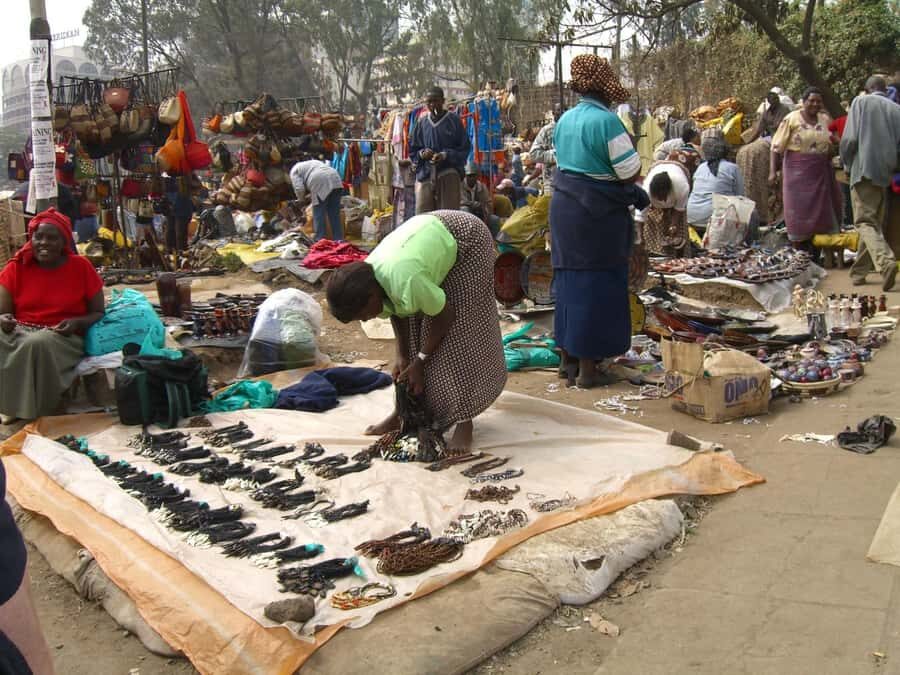
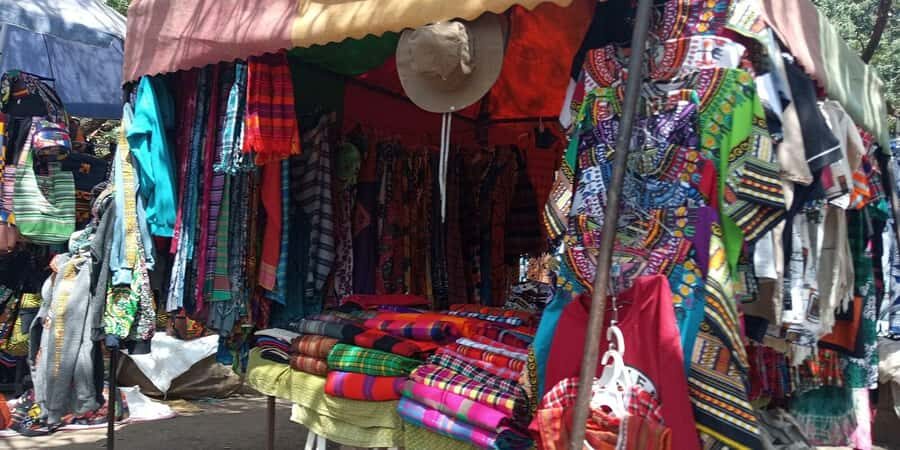
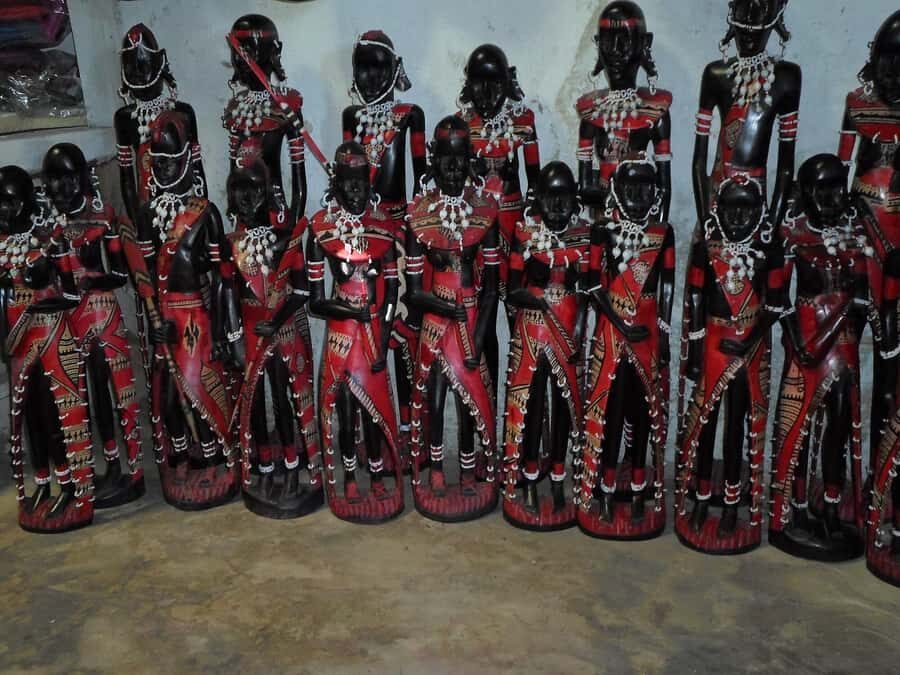
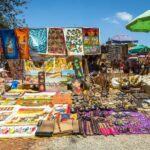
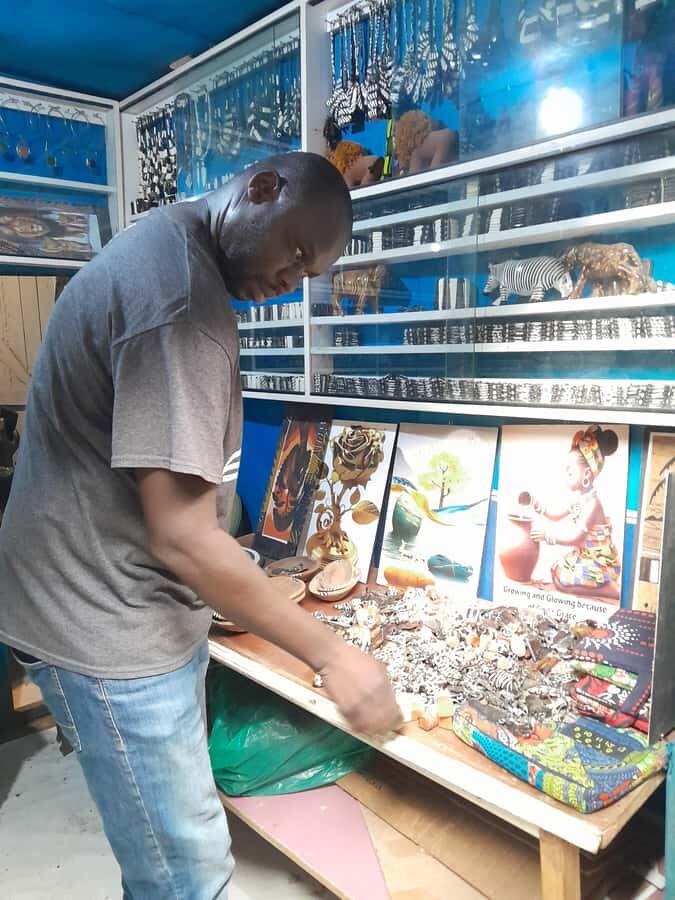
Then comes the main event: Maasai Market—an open-air bazaar packed with handmade crafts. You’ll see jewellery, textile items, carvings, paintings, and beadwork. The market is busy, and vendors will approach you. That’s normal here, and your guide’s job is to help you handle it smoothly.
Here’s what makes the experience work well: you’re not left alone to bargain with strangers while you figure out the rules. You get local bargaining tips and practical negotiation help so you can compare prices and avoid getting steamrolled.
Also, the market’s layout and location can shift day to day. One review notes that it moves each day except in the weekend. So if you’re used to markets that stay fixed, treat Maasai Market like a living setup—your guide will bring you to the right areas.
What you should watch for while you browse
You’ll get quality checking support during the shopping process. Use that time well. Ask questions and look for consistency:
- Are the materials and finishing uniform, or sloppy?
- Does the piece look like it was made carefully, not assembled quickly?
- Do the colors and patterns look intentional rather than random?
Your guide can also help you understand the cultural meaning behind items. That’s useful because a lot of souvenirs are sold as decoration, but some crafts carry specific symbolism. When you know what you’re buying, you’re less likely to end up with something that’s purely generic.
The Bargaining Lesson: How to Negotiate Without Losing Your Cool
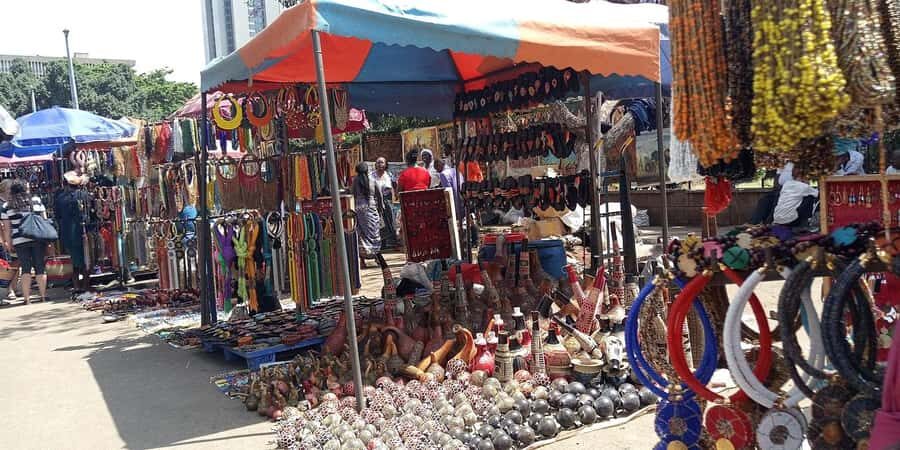
Bargaining is part of the culture, not a personal challenge. The goal isn’t to “win.” It’s to talk prices in a way that respects the maker and still lands you somewhere fair.
What I like about this tour’s approach is that it’s taught as a skill:
- You’ll learn what to say and how to respond when the first price is high
- You’ll get help translating questions and requests
- You’ll receive feedback on pricing so you can adjust as you go
You’ll also get help with choosing the right items—because the best bargain in the world isn’t much fun if the souvenir breaks, fades, or doesn’t match what you wanted in the first place.
One practical detail: crowded markets mean you’ll spend energy moving and holding bags. If you’re buying heavier items, your guide provides help with carrying bulky shopping. It turns “shopping as a workout” into something you can enjoy.
A few more Nairobi tours and experiences worth a look


Meeting Artisans: Turning Souvenirs Into Stories
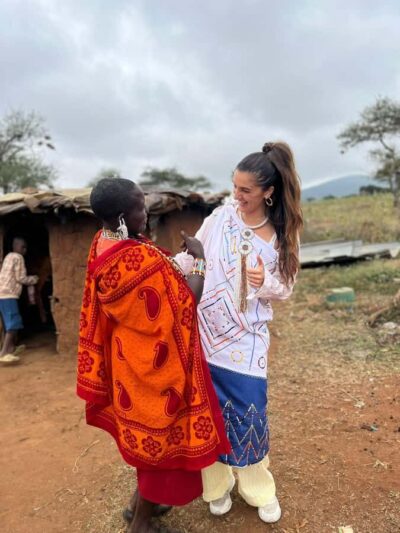
This is where the tour becomes more than shopping. You’ll have time to meet and chat with artisans and entrepreneurs making the crafts you’re seeing. That changes the whole feeling of the market.
Instead of thinking, I’m just picking something cute, you start thinking, This was made by a person who knows this craft. You may also learn how different items are made and why certain designs matter. Even small explanations can make gifts feel more meaningful when you hand them over back home.
A guide who knows people on the ground can also help you avoid the worst kind of buyer-seller mismatch—where you’re being pushed toward items that aren’t what they seem. The guide’s presence helps keep the experience respectful and more direct.
Optional Detours: Extra Craft Centers If You Still Want More
After Maasai Market, there’s room to keep exploring if you want extra shopping. The plan can include additional craft production and selling centers, especially if you’d like a wider selection or want to compare styles and quality across different stops.
This is a smart option for two types of travelers:
- You want more souvenirs, and the market alone won’t cut it
- You want to compare workmanship, not just price
One of the most praised moments in the reviews is the sense of getting beyond the standard stalls. A review mentions a wholesale-style shop where prices were extremely low, and that local shop owners also buy supplies there. If that kind of stop appeals to you, this tour’s flexibility makes it easier to find.
If you prefer a lighter pace, you can keep it focused on Maasai Market and skip extra detours—your guide can personalize the route to your interests.
Short City-Center Walk: Making Shopping Part of Nairobi
After shopping, you’ll add a short walking tour and sightseeing in the city center if you like. This is a great way to break up shopping fatigue and get context for what you’re seeing around you.
It also keeps the day from feeling like a single-location sprint. You get a bit more Nairobi in the same window, without needing to plan a separate outing.
Price and Value: Why Two Hours Can Be Worth $10
The price is $10 per person for about 2 hours, guided in English. That’s not just “cheap,” it’s about what you get packed into the time.
Here’s the value math:
- A local guide saves you time finding good vendors and understanding the market flow
- Bargaining tips and translation support help you negotiate with confidence instead of guesswork
- Quality checking reduces the odds of buying something that looks good in a photo but isn’t well made
- Help with carrying purchases makes the shopping part more comfortable
If you’d shop alone, you might spend extra time running from stall to stall without a plan, and you’d likely spend energy bargaining without knowing what you’re doing. With a guide, you shop smarter inside the same time window—and that’s where the real savings are.
Also, you can book with flexibility. There’s free cancellation up to 24 hours in advance and reserve now, pay later, which is helpful when weather or flight timing could shift.
Practical Tips So You Leave With the Right Stuff
Here’s how to make the most of your souvenir budget and your energy.
Bring cash (and expect some haggling)
Not all vendors accept credit cards, so bring cash. Also, don’t treat the first quote like the final word. Your guide will help you bargain, but you should still be ready for negotiation.
Wear comfortable shoes
You’ll be on foot, and markets involve lots of walking on uneven surfaces. Comfortable shoes keep you focused on choosing gifts, not nursing sore feet.
Weather changes fast—dress for Nairobi
Bring a hat and sunscreen for sunny moments, and consider a light jacket if it cools down. Nairobi weather can shift, and you’ll feel it more while you’re outside.
Keep belongings secure
Crowded markets can attract pickpockets. Keep your bag zipped, don’t leave your phone loose, and hold onto valuables with intention.
Respect the craft and the people making it
When you’re interacting with artisans and vendors, be polite and mindful. Simple respect goes a long way, and your guide will help you navigate cultural norms in a smooth way.
Who This Tour Fits Best
This works well if you:
- Want authentic souvenirs with real maker interaction
- Feel awkward bargaining and want guided practice
- Prefer shopping with a plan, not wandering randomly for hours
- Want gifts that feel meaningful, not mass-produced
- Like the idea of a shortcut to Nairobi craft shopping plus a bit of city-center context
It may feel less ideal if you want a fully private, slow luxury shopping session with minimal interaction. This is a market experience, with vendor contact and the energy that comes with it.
FAQ
Where does the tour start?
You meet your guide at Hilton Arcade along Mama Ngina Street.
How long is the tour?
The duration is 2 hours.
Is the guide available in English?
Yes, the live tour guide speaks English.
What kinds of souvenirs can I find at Maasai Market?
You can shop for handmade jewellery, textile items, carvings, paintings, and beadwork.
Do I get help with bargaining and communication?
Yes. The tour includes local bargaining tips and translation help, plus assistance with quality checking and price negotiation.
Should I bring cash?
Yes. Bring cash because not all vendors accept credit cards.
What should I wear and bring for comfort?
Wear comfortable shoes for walking, and consider a hat/sunscreen for sunny weather and a light jacket if it gets cooler.
Should You Book This Maasai Market Shopping Tour?
If you want souvenirs in Nairobi without the typical stress—getting lost, overpaying, or feeling awkward while bargaining—this is a strong choice. The guide support is the key: negotiation help, translation, quality checks, and artisan conversation all work together so you shop with confidence.
Book it if you’re buying gifts and you care about the story behind what’s in your bag. Skip it only if you want a quiet, hands-off shopping trip where you do everything completely independently.