REVIEW · NAIROBI
MASAI VILLAGE CULTURAL EXPRIENCE DAY TOUR.
Book on GetYourGuide →Operated by Tourniquet Travel · Bookable on GetYourGuide
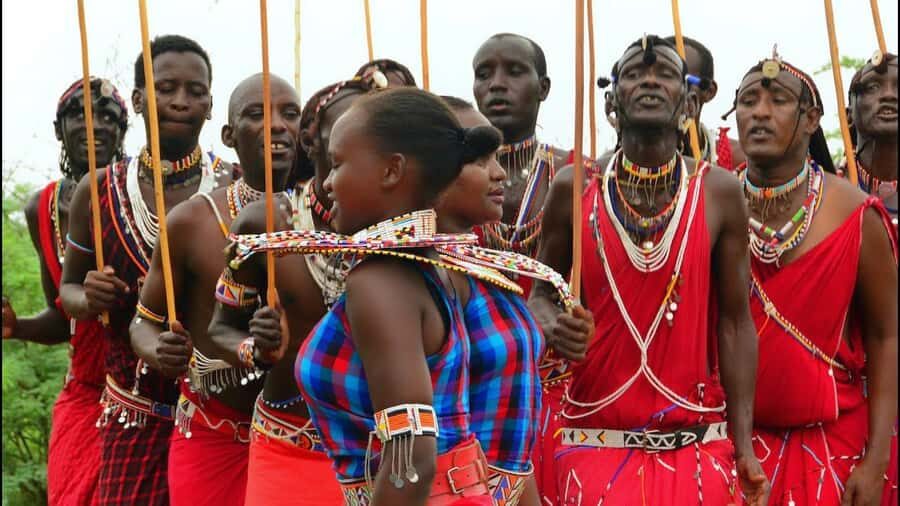
Maasai life hits you fast—without the museum feel. A day tour to a Maasai village outside Nairobi gives you a guided look at semi-nomadic routines, animal-raising, and the everyday choices behind the culture. It’s designed for real interaction and questions, not just a quick photo stop.
My two favorite parts are the chance to ask questions directly and the way the guide structure turns a village visit into a short, understandable story. One consideration: there’s a separate $30 per person entrance/guide fee not included in the $75, and service quality can vary depending on how smoothly transport details line up.
In This Review
- Key highlights to know before you go
- How the 6-hour Maasai village tour actually feels
- Pickup in Nairobi, plus the drive out in an AC van
- The village schedule: photo stop, guided tour, and a sunrise moment
- What you’ll learn: semi-nomadic life, family structure, and daily routines
- Agriculture, food preservation, and local enterprise talk
- Respect, consent, and the real-world photo and cash question
- The cost reality: $75 plus the separate $30 entrance/guide fee
- Your guide experience: English, Spanish, French—and what that means for questions
- Who this Maasai village tour is best for
- Should you book this Maasai village tour?
- FAQ
- What’s included in the Maasai village tour price?
- What extra fees should I expect?
- How long is the tour?
- Where do pickup and drop-off happen?
- What languages is the guide available in?
- Are food and drinks provided?
Key highlights to know before you go
- A real guided village visit (not a drive-by) with time for sightseeing and a photo stop
- Semi-nomadic daily life explained through family structure, education, society, and routines
- Hands-on cultural moments you may see like making fire and living-with-animals practices
- Agriculture and food preservation talk that connects land use to survival
- Jewelry and small purchases can happen, so cash helps if you want souvenirs
- A common practical add-on: entrance/“Masai guide” fee is separate from the tour price
How the 6-hour Maasai village tour actually feels

This is a short day, built for one main event: a village visit. You start with hotel pickup in Nairobi, then you’re on the road for about 1.5 hours before the village portion begins. The full experience runs around 6 hours, with the village time kept to roughly 3 hours, which is long enough for questions but not so long that you feel stuck.
The vibe is conversational. You’re not just watching a performance; you’re learning how people describe their own lives—family roles, social life, and how traditions are practiced day to day. That’s what makes this kind of tour work: it’s more about understanding than collecting.
You can also read our reviews of more tours and experiences in Nairobi.



Pickup in Nairobi, plus the drive out in an AC van
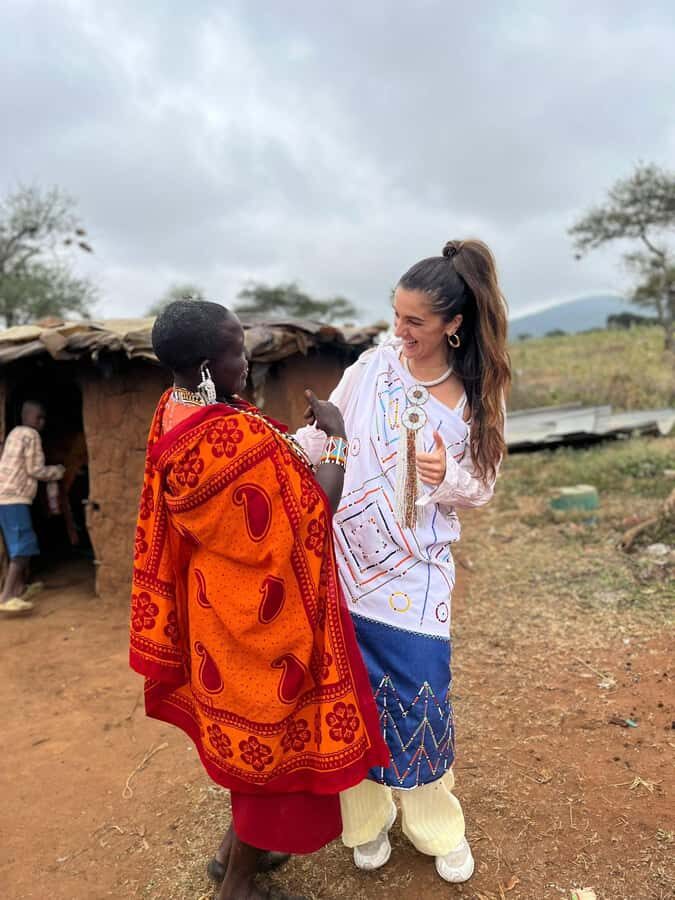
You’ll be picked up from one of three Nairobi-area locations: Hilton Garden Inn Nairobi Airport, Jomo Kenyatta International Airport, or Villa Rosa Kempinski. The tour uses an air-conditioned vehicle, and bottled water is included, which matters because the drive can feel long in traffic.
Your guide and driver are part of the experience, because they set the tone before you ever reach the village. In one of the best experiences, Anthony served as the driver/guide, and the drive was described as safe, with friendly company along the way. That same point matters practically: when transport is smooth, you arrive in a better mood and you can focus on the village interaction.
Still, here’s the caution I’d carry into any booking: in at least one case, a driver change happened close to departure and the driver wasn’t familiar with the area. You can’t control everything, but you can protect yourself—make sure you’re reachable by phone, and double-check the exact pickup point you selected.
The village schedule: photo stop, guided tour, and a sunrise moment
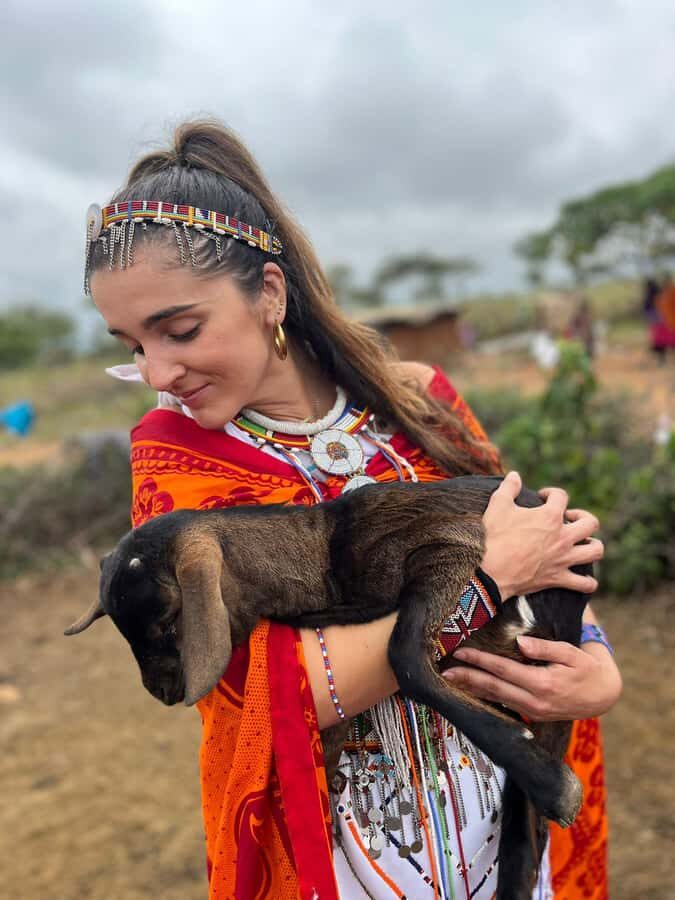
Once you arrive, you don’t just step into the village cold. You’ll have a photo stop and time for sightseeing before the main guided portion. The tour also includes a sunrise element during the visit window, which is a nice touch if you like photos with soft light and a less harsh sky.
The photography angle is practical. This is one of those experiences where you’ll want your camera ready, but you also need to stay present. If you treat it like a photo-only sprint, you’ll miss the explanations that make the visit worthwhile.
Expect the guide to manage the flow between you and the Maasai community. The best moments tend to come when you slow down, listen, and ask one clear question at a time.
What you’ll learn: semi-nomadic life, family structure, and daily routines
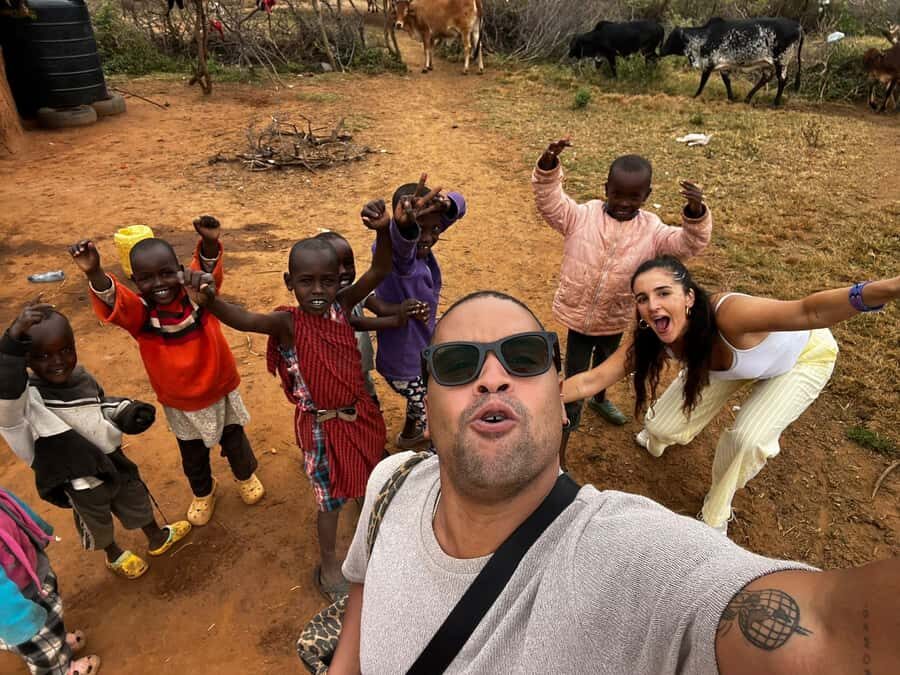
This isn’t sold as a lecture, and it shouldn’t feel like one. The village guide work usually covers what daily life looks like when your movement, work, and social structure aren’t built around a fixed schedule the way city life is.
A common theme is semi-nomadic living—how people explain their relationship to land, animals, and seasonal choices. You may also hear about family structure and relationships, and how community life connects to education and society. When the guide is good, those topics don’t sound abstract. They land as real answers to real questions.
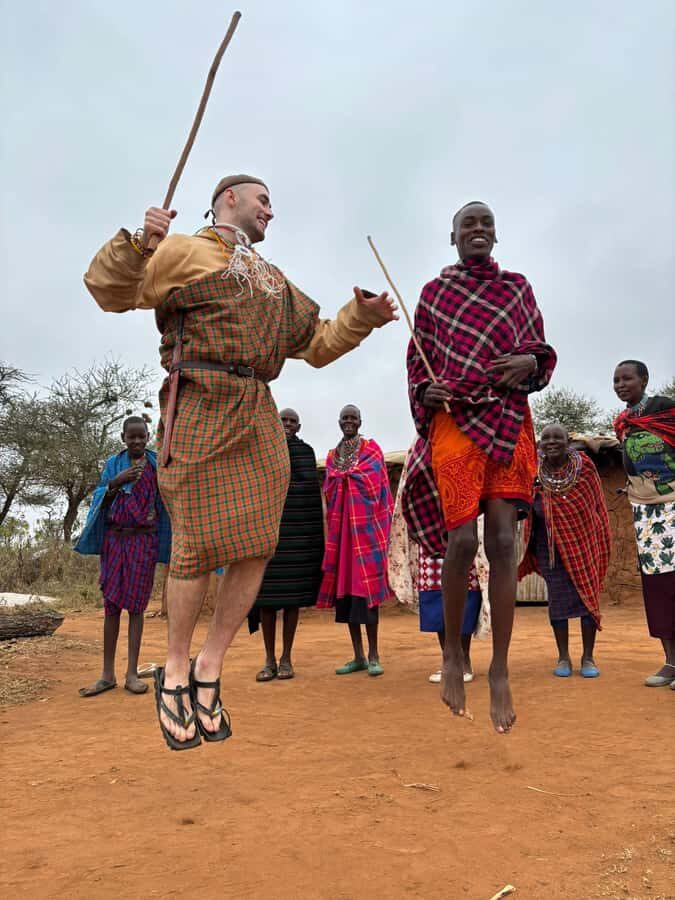
In the strongest experiences, guests described seeing how Maasai people raise animals, interact in community, and spend time living their culture rather than demonstrating it like a stage show. You may also encounter a “how it works” style of explanation for everyday skills—like fire-making and household routines—meant to help you understand, not just to impress.
Agriculture, food preservation, and local enterprise talk
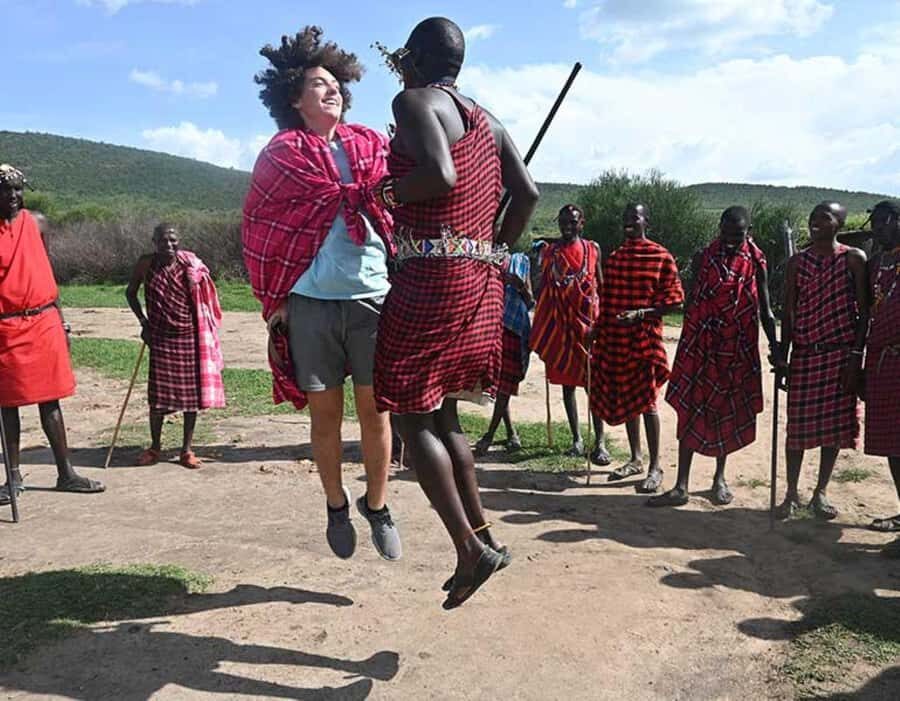
One of the most useful parts for many visitors is the focus on how people make life work. You’ll have interaction that points to agricultural techniques, and you may be shown methods connected to food preservation and practical survival.
Even when you don’t catch every detail (language can be a factor), the takeaway is clear: this is not only about tradition; it’s about problem-solving. Land use and food storage are part of the reason cultures survive and adapt. That’s the lens that makes the tour more than a quick cultural stop.
Another element you’ll hear about is entrepreneurial life and local endeavors. The idea here isn’t “tourist shopping,” it’s how people describe their own ways of earning income and sharing culture with visitors. You’ll be better prepared if you go with curiosity and a calm, respectful attitude toward questions about money and trade.


Respect, consent, and the real-world photo and cash question
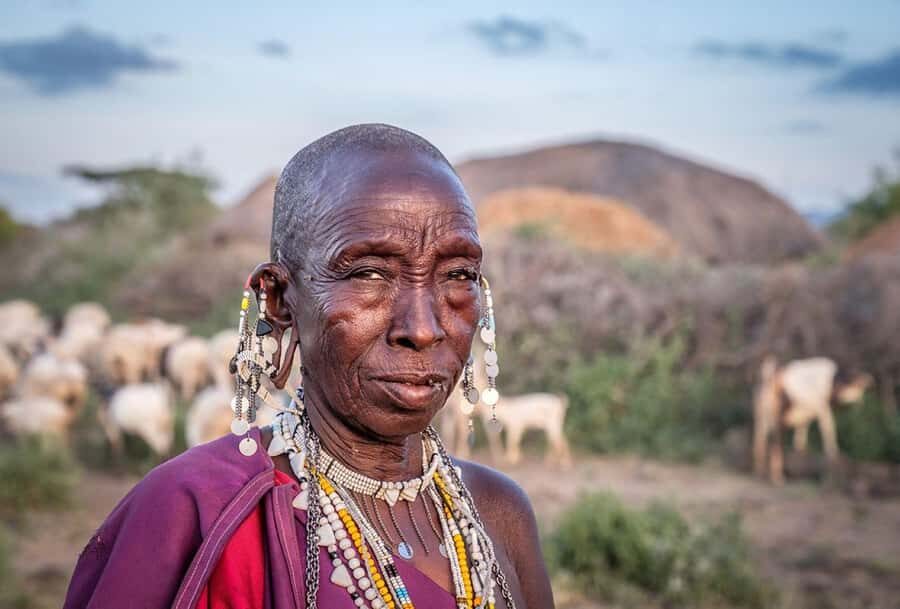
I like tours that treat people like people, not attractions. That means two things for you: ask before you point a camera at someone closely, and don’t assume a price tag is the default exchange for attention.
Cash can come up quickly. One strong recommendation: carry cash if you want to buy jewelry. That’s practical, because you may see handmade pieces and want to support the people making them. It also helps you avoid awkward moments if you’re asked about payment on the spot.
Here’s the consideration I’d keep in mind: one experience described Maasai women being put in an awkward situation because they didn’t seem prepared for visitors arriving. That tells you the tour experience can depend on planning at ground level. The best thing you can do is keep your tone friendly, follow the guide’s lead, and avoid acting like you’re entitled to extra time or special treatment.
The cost reality: $75 plus the separate $30 entrance/guide fee
At $75 per person for a 6-hour day tour with pickup, an air-conditioned van, bottled water, and a professional driver/guide, this is priced for comfort and convenience. But the bigger picture is the add-on.
The activity does not include the entrance fee and the Maasai guide fee of $30 per person. So your real day cost is $105 plus any optional purchases like alcohol (available to purchase) and any food and drinks you choose to buy.
Is it worth it? Usually, yes—if you care about interaction and you’re okay with paying the local costs required for access and guiding. If you’re only looking for a quick look and you hate the idea of extra charges, you might feel annoyed by the split. I’d treat the $30 as part of the plan from the start, not a surprise at arrival.
Your guide experience: English, Spanish, French—and what that means for questions

The live tour guide can be in English, Spanish, or French. That’s a big deal because village explanations often rely on nuance. When you understand the guide, you can ask better questions and get answers that actually connect.
One standout experience credited Anthony as a fantastic guide and driver, and people appreciated the safety and friendliness during the long drive as well as the cultural exchange on arrival. Another set of positive feedback focused on Maasai women answering questions directly and being welcoming, which is the kind of interaction that only works when the communication is smooth.
So if language matters to you, pick the language option you’re most comfortable with—your questions will be the difference between a good visit and a great one.
Who this Maasai village tour is best for
This tour fits best if you want a structured cultural encounter without needing to plan logistics yourself. It’s also a good match if you like guided Q&A and you’re interested in how communities live—family roles, education, society, and survival skills like agriculture and food preservation.
It may be less ideal if you’re very time-sensitive or easily frustrated by extra fees. And if you’re uncomfortable with photography or shopping-for-culture dynamics, go in with a respectful mindset and let the guide set the boundaries.
Should you book this Maasai village tour?
Book it if you want a guided, short day that focuses on real interaction and you’re ready to budget the extra $30 entrance/guide fee. Bring cash for jewelry if that interests you, and keep your expectations grounded: this is a living community, not a staged show.
Skip it or reconsider if you hate add-on costs, or if you need guaranteed smooth transport no matter what. Since the experience depends on day-of logistics, it helps to choose this only if you have some flexibility and you can stay reachable for pickup.
If you do book, show up with curiosity, ask thoughtful questions, and be patient. That’s how you’ll get the kind of exchange that people remember.
FAQ
What’s included in the Maasai village tour price?
Hotel pickup and drop-off in Nairobi, a professional driver and guide, bottled water, and an air-conditioned vehicle are included.
What extra fees should I expect?
Entrance fee and the Maasai guide fee are not included. The additional cost is $30 per person.
How long is the tour?
The tour lasts about 6 hours, with about 1.5 hours driving and around 3 hours at the Maasai village.
Where do pickup and drop-off happen?
Pickup and drop-off options include Hilton Garden Inn Nairobi Airport, Jomo Kenyatta International Airport, and Villa Rosa Kempinski.
What languages is the guide available in?
The live tour guide is available in English, Spanish, and French.
Are food and drinks provided?
Food and drinks are not included. Alcoholic drinks may be available to purchase.