REVIEW · NAIROBI
From Nairobi: Bomas of Kenya Cultural Dance Tour and Show
Book on GetYourGuide →Operated by GRACEPATT SAFARIS · Bookable on GetYourGuide
A trip to Bomas of Kenya moves fast and teaches a lot. I liked the mud-hut village layout that shows everyday life by region, and I also enjoyed the live cultural performances that mix dance, music, and storytelling. One thing to watch: the schedule is tight, so if anything runs late or the day is show-heavy, you may lose the time you wanted for wandering the huts and craft stalls.
This is a good add-on for a half-day in Nairobi when you want something more “hands-on” than a museum. You’ll see clustered homesteads set up by region, with details like first wife and second wife huts, plus granaries and livestock areas. And yes, there’s an arena portion with acrobatic action, which is often the part kids talk about afterward.
In This Review
- Key things I’d plan around before you go
- Nairobi pickup and the 4-hour time crunch you should respect
- The mud-hut “village” setup: what you’ll actually be seeing
- The show in the arena: dance, music, folklore, and acrobatics
- Craft shops at the village: shopping time that can add stress
- Getting the most from the guide and the English narration
- Kids and families: why this site works better than many tours
- Food, breaks, and the reality of not being fed
- Value for $70: when this feels like a smart choice
- Who should book this tour, and who might want a different plan
- Should you book the Bomas of Kenya Cultural Dance Tour from Nairobi?
- FAQ
- How long is the Bomas of Kenya tour from Nairobi?
- What is included in the price?
- Is food included?
- Does the tour include a guide?
- Is there pickup in Nairobi?
- What kind of performances can I expect?
- Will I have time to explore the mud huts?
- Is the experience suitable for children?
- Are craft shops part of the visit?
- How flexible is cancellation?
Key things I’d plan around before you go
- Mud huts arranged by region: You’re not just watching a show; you’re seeing how homesteads are grouped and how spaces connect.
- A real kids corner: There’s a wooden play area and plenty of room for running in and out of the huts.
- Short time means quick priorities: If your top goal is browsing the bomas, plan to move early and stay focused.
- Acrobats bring energy to the arena: Expect a crowd-pleasing set in a dedicated performance space.
- Crafts take time (and you need cash): You’ll have craft-shop access, so keep some money aside for souvenirs.
Nairobi pickup and the 4-hour time crunch you should respect

This tour is designed as a compact, guided half-day: pickup in Nairobi, a ride out to Central Kenya, time inside the Bomas site, and then back to Nairobi. It runs about 4 hours, and the exact start time depends on availability, so choose a slot that gives you breathing room before or after.
Here’s the practical reality: your total time inside Bomas is limited. That means the day can feel like a fast circuit—huts, performances, then shopping—rather than a slow, relaxed walk where you take your time at every cluster of buildings. If you’re the type who likes to linger for photos, read details, and browse stalls, you’ll want to stay disciplined once you arrive.
On the upside, the included roundtrip transport and entry fee take away the main logistical friction. You’re paying for a guide-led visit and a structured experience, not having to organize everything yourself.
A few more Nairobi tours and experiences worth a look

The mud-hut “village” setup: what you’ll actually be seeing

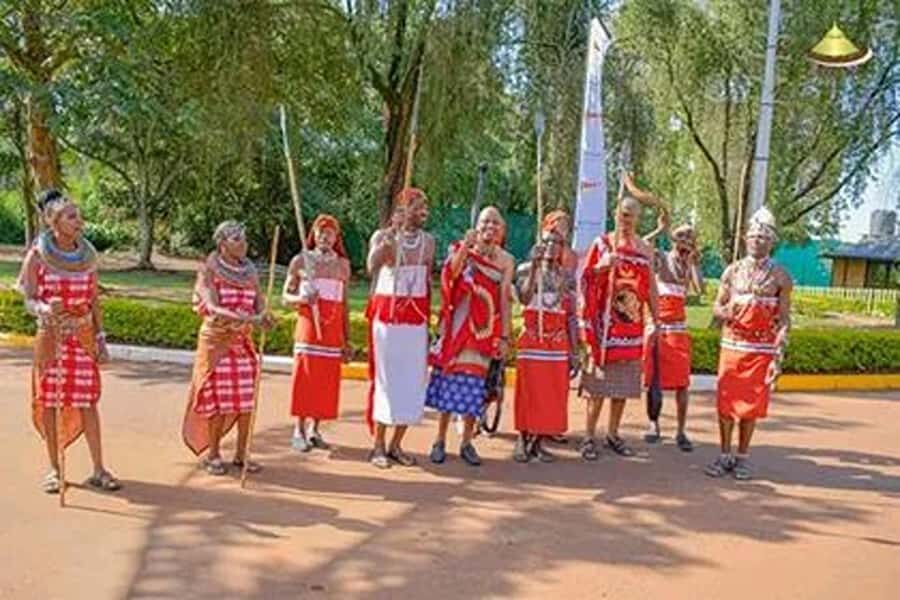
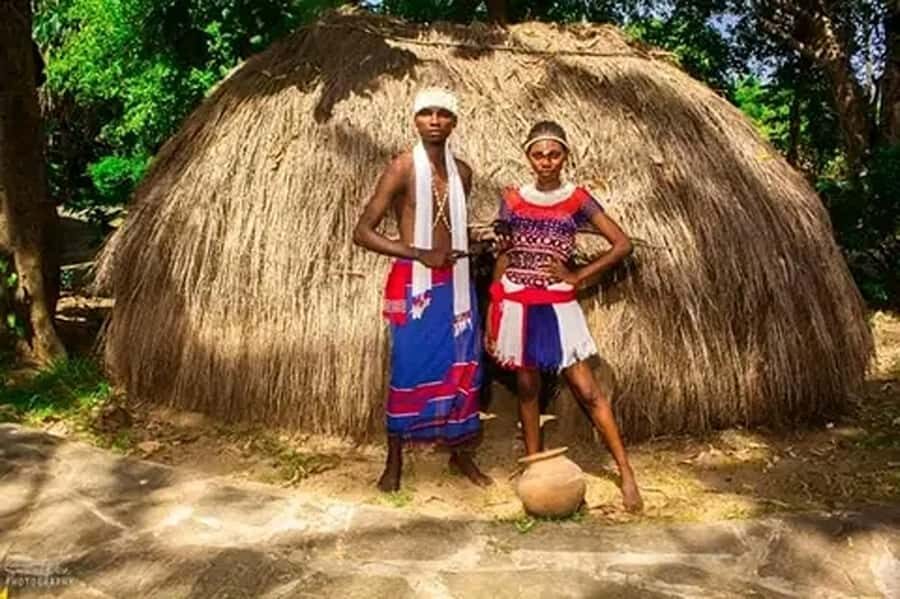
The core of Bomas of Kenya is the display of traditional homesteads made to represent different regions and cultural ways of life. You’ll move through mud huts and homestead clusters that are set out so you can compare living spaces across areas.
I particularly like how the layout is organized. Instead of a random scatter of buildings, you’ll see huts grouped in a way that reflects how communities arrange structures. The tour experience highlights things like:
- the first wife hut and second wife hut (as part of the household arrangement)
- granaries
- areas tied to where livestock are kept
- visible differences between the huts and how they relate to daily life
That household-level detail is what makes this more memorable than a simple dance-and-exit show. Even if you only catch parts of the storytelling, the physical arrangement helps you understand what you’re looking at.
You’ll also see the site described as representing many of Kenya’s ethnic groups—specifically 42 different ethnic groups—so the goal is breadth. The tradeoff is that you won’t get to “deep study” every region equally in a half-day visit. It’s more like sampling the big picture and then letting the moments you like most stick with you.
The show in the arena: dance, music, folklore, and acrobatics
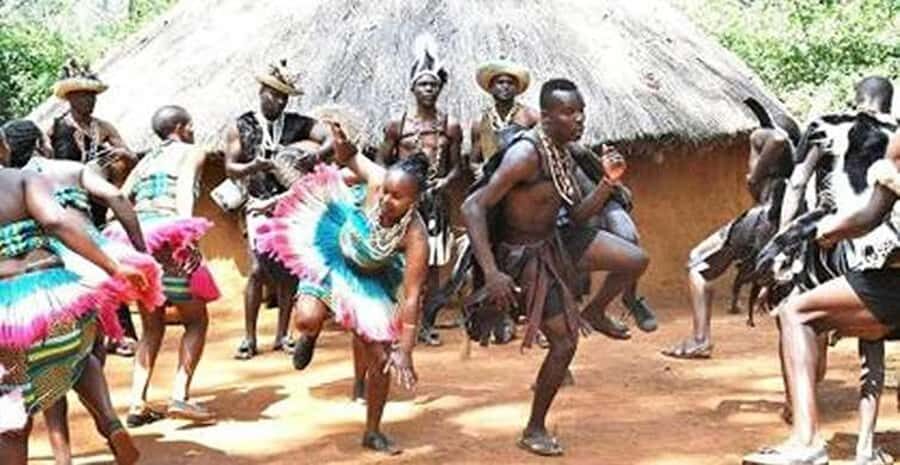
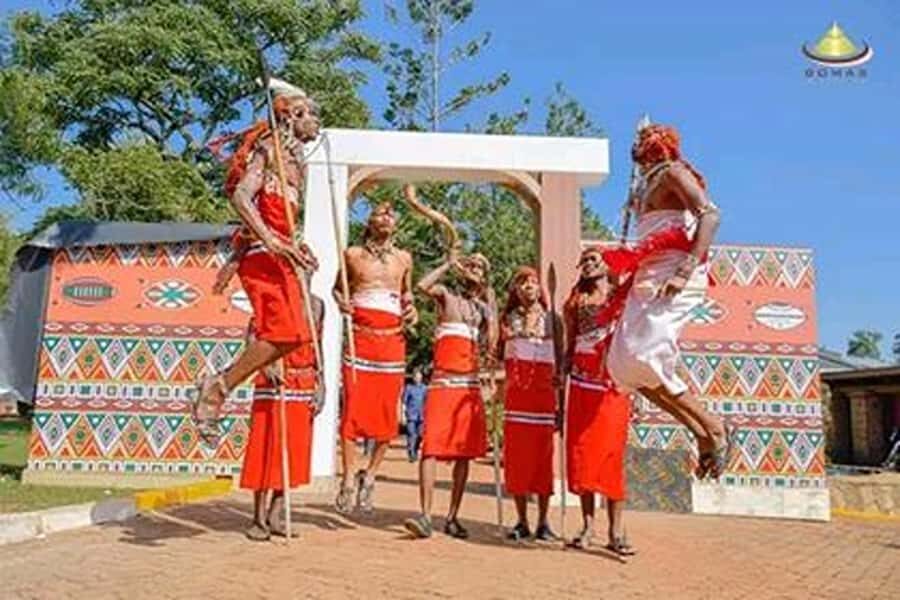
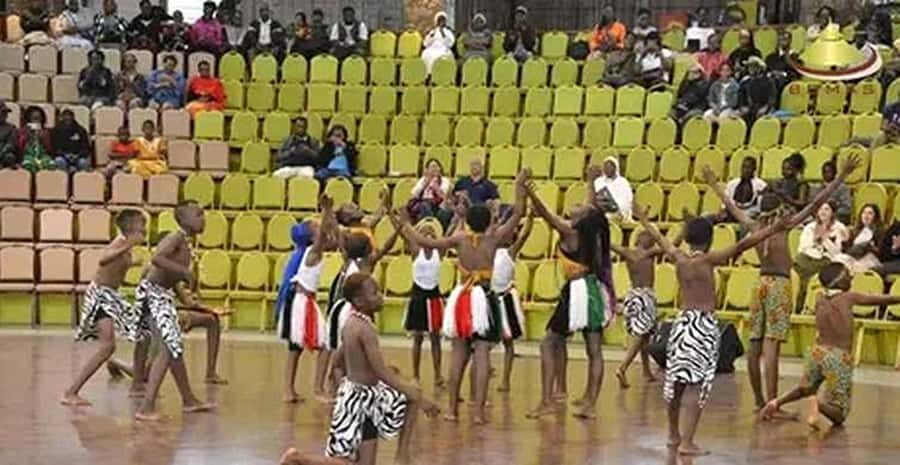
Bomas isn’t just a walk-through. It builds in live performance time—traditional dance, music, singing, and folklore—plus an arena show featuring acrobatic performances. The acrobatics part matters because it changes the rhythm of the day. You go from exploring at your own pace to sitting (or standing) for a concentrated set.
What you should expect from the cultural performances:
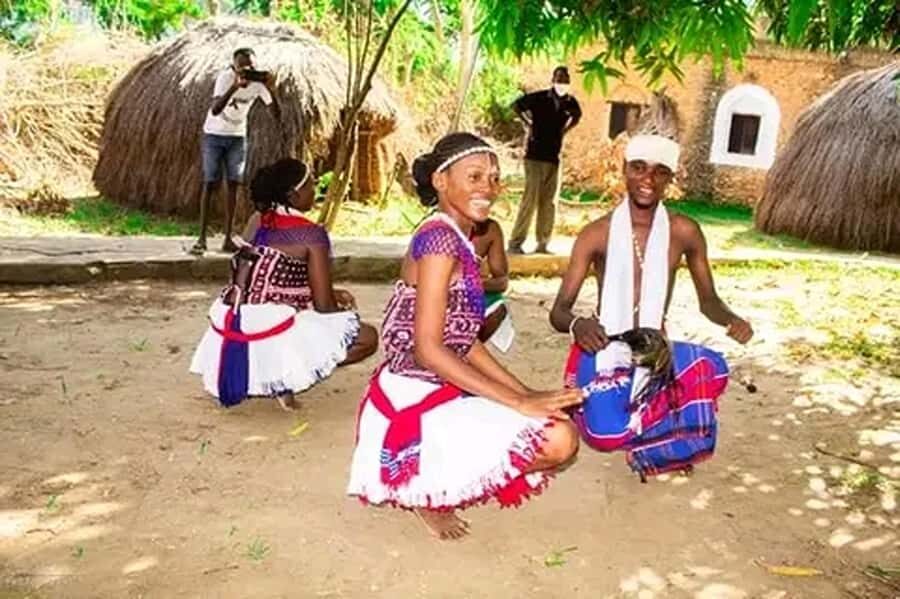
- Dancers performing traditional styles tied to different groups
- Live music and singing linked to the theme of the show
- Storytelling elements meant to connect movement to culture
One word of advice: if you’re expecting something highly varied every minute, manage expectations. With limited time, shows can repeat performers and keep the format moving so the program fits the schedule. If you’re going to focus on just one thing, focus on how the group connects dance and music, not on getting a never-ending parade of brand-new acts.
For kids, the arena moment is usually a win. Even the adults who are more “here for the huts” often end up watching the acrobatics because it’s loud, fast, and built for attention.
Craft shops at the village: shopping time that can add stress
There are traditional craft shops at the village area, and you’ll have a chance to browse and buy Kenyan-made items. This is a genuinely fun part of the experience because it turns the cultural visit into something tangible you can take home.
But here’s where timing can trip you up. When a tour has a fixed duration, craft browsing can either feel like a relaxed stop or like a rushed sprint. Some days can also include extra time spent watching how certain items are made (for example, demonstrations connected to beadwork), and that can feel like it steals minutes from the huts.
My recommendation: go in with a simple plan.
- Decide what kind of souvenir you want: textiles, wood carvings, beadwork, or something else.
- Set a rough budget in advance.
- If you want more time in the huts, treat shopping as the last “nice bonus,” not the main event.
Also remember the tour doesn’t include food and drinks, so if you’re buying souvenirs, you’ll likely need to budget for snacks too.
Getting the most from the guide and the English narration

The tour includes a live tour guide in English, and that narration can make a big difference because the place is visual and structured. A good guide helps you connect what you’re seeing—like how hut clusters are arranged—to what it means culturally.
In the best cases, guides also add local context that makes the Nairobi-to-site trip feel less like dead time. A courteous, informative driver/guide experience can turn the ride itself into part of the value.
One thing to keep in mind: not every guide interaction lands the same way. If the day’s narration is thin, you may lean more on your own curiosity—looking closely at hut features, household layout, and the way the site organizes the regions. That’s still doable, but it changes the experience from guided meaning to mostly self-guided observation.
If you’re the type who learns through stories and explanations, aim to sit closer to the guide during key moments so you catch the details.




Kids and families: why this site works better than many tours
If you’re traveling with children, Bomas of Kenya has a strong advantage: it’s built for families. The site is described as ideal for kids and includes an interactive feel beyond sitting through performances.
You’ll find:
- a wooden play area
- space for kids to run in and out of the huts
- ladders and climbing opportunities around the hut structures
That matters because many cultural tours are “adult focused”—mostly listening, walking, and watching. Here, children can burn energy while still being inside the cultural environment.
Practical tip: keep an eye on shoes and balance. Hut areas can mean uneven ground and close quarters around doorways and ladders. If you’re bringing young kids, plan for active supervision rather than expecting the space to be fully stroller-friendly.
Food, breaks, and the reality of not being fed
The tour includes entry and transport, but food and drinks are not included. That’s not a dealbreaker, but it affects how you pace your day.
If you’re sensitive to long stretches without eating, bring a plan:
- bring water (and some kind of snack if you’re allowed to have it onsite)
- keep yourself hydrated, especially if you’re watching an arena show after walking around
- think about timing: the most “busy” parts can be the huts-to-show transitions
A short tour can still feel tiring if you’re doing sun, walking, and seating without a break. Your best move is to arrive prepared so you aren’t stuck deciding on food when you’d rather be exploring.
Value for $70: when this feels like a smart choice
At around $70 per person for a 4-hour experience, you’re paying for a package: Nairobi pickup and drop-off, roundtrip transportation, entry into Bomas, and a live English guide.
So the question is value for you, not value on paper.
This tour tends to be a strong value if:
- you want a guided, structured way to see traditional village structures
- you’re okay with sampling many regions rather than deeply studying one
- you want both performances and hands-on browsing
- you’re traveling with kids who will enjoy the play area
It can feel less valuable if your top priority is slow exploration of the huts and craft area. If the schedule feels more show-heavy than you expected, you may finish wishing you had more time in the hut clusters and village browsing areas.
Also consider that half-day tours can be sensitive to timing. If the pickup is delayed or the route planning is off, your “inside Bomas” minutes shrink quickly. For that reason, if you’re very time-focused, pick a starting slot that supports your whole day and build a little buffer into your plans.
Who should book this tour, and who might want a different plan
This is ideal for:
- first-time visitors to Nairobi who want a culture-focused outing without spending a full day
- families with children who want both performances and a place to move around
- people who like physical, visual experiences—like how homesteads are arranged by region
You might want to think twice if:
- you’re mainly after quiet, unhurried sightseeing and photo time
- you dislike shows with repeated performers and a set format (because the program has to fit the time window)
- you want a long craft shopping session rather than a short browsing stop
Should you book the Bomas of Kenya Cultural Dance Tour from Nairobi?
I’d book it if you want a half-day that blends traditional performances, mud-hut village layout, and family-friendly energy—especially at a price that includes entry and transport. It’s a practical way to get oriented in Kenya’s cultural geography without planning a whole day of logistics.
I’d hesitate if your number one goal is spending a lot of time inside the bomas at your own pace or if you’re very sensitive to schedule shifts. In that case, either choose a time slot that feels calm in your day, or look for an option that offers more on-site hours.
If you do go, come with a clear priority list: huts first, arena second, crafts last. That simple order will help you enjoy what’s here instead of rushing to fit everything in.
FAQ
How long is the Bomas of Kenya tour from Nairobi?
The tour duration is listed as 4 hours.
What is included in the price?
It includes pickup and drop-off within Nairobi, roundtrip transportation, and the Bomas of Kenya entry fee.
Is food included?
No. Food and drinks are not included.
Does the tour include a guide?
Yes, there is a live tour guide in English.
Is there pickup in Nairobi?
Yes, pickup starts from a location in Nairobi and you return to Nairobi at the end.
What kind of performances can I expect?
You can expect traditional dances, music, singing, folklore-style storytelling, plus an arena segment with acrobatics.
Will I have time to explore the mud huts?
Yes. You’ll have guided sightseeing through mud huts and traditional homestead clusters arranged by region.
Is the experience suitable for children?
It’s described as ideal for children, including an interactive area with a wooden play space.
Are craft shops part of the visit?
Yes, there are craft shops in the village area where you can discover authentic Kenyan crafts.
How flexible is cancellation?
Free cancellation is available up to 24 hours in advance for a full refund.