REVIEW · NAIROBI
4 DAYS MAASAI MARA & LAKE NAKURU SMALL GROUP SAFARI BY 4WD
Book on GetYourGuide →Operated by EXCELLENT GAMESPOTTING ADVENTURES · Bookable on GetYourGuide
Maasai Mara rewards patience and early starts. I like this safari for two very specific reasons: the 4WD game drives with a pop-up roof for easy spotting, and the chance to time your wildlife viewing around the Mara River and Lake Nakuru’s famous flocks. One thing to consider: Day 3 is a long transfer day to Nakuru, so you won’t be in the parks for long daylight game time that evening.
This is a small-group safari (max 8) that moves at a steady, practical pace. You’ll get park entrance fees, most meals, and transport handled, so you’re not constantly figuring out logistics while you’re chasing wildlife. If your idea of safari is nonstop action every hour, you may find the travel time a bit much.
In This Review
- Key points to know before you go
- Nairobi to the Rift Valley viewpoint: how the trip kicks off
- Day 1 in the Mara: the 2-hour game drive and your first camp night
- Day 2: the full-day Maasai Mara drive built around the Big Five odds
- Night routine at Rhino Tourist Camp: why rest matters
- Day 3: transfer to Nakuru (and what you might lose in evening viewing)
- Day 4 in Lake Nakuru: white rhinos, possible pink flamingos, and a 3-hour drive
- 4WD logistics: how the vehicle and group size affect your sightings
- Where you eat and sleep: Rhino Tourist Camp and Lanet Matfam Resort
- Value check: is $750 per person fair for this itinerary?
- Who this safari suits best (and who should consider another option)
- Practical tips to get more out of your big-cat day
- Should you book this 4 days Maasai Mara & Lake Nakuru safari?
- FAQ
- What does the safari include?
- How many days is the safari?
- What is the maximum group size?
- Where are pickups and drop-offs included in Nairobi?
- Is a Maasai village visit included?
- Is the balloon safari included?
- What are the game drive plans in Maasai Mara?
- What do you do in Lake Nakuru?
- What kind of accommodation should I expect?
- Are there any restrictions on who can join?
Key points to know before you go
- Small group (up to 8) means more time actually watching animals, not waiting.
- Pop-top 4×4 Land Cruiser helps you see over the vehicle and keep eyes on fast-moving action.
- Mara River + ranger-guided viewing focuses your day on where wildlife gathers.
- Lake Nakuru for white rhinos and (possible) flamingos adds variety beyond the Mara.
- Maasai culture is optional (extra cost), so you can choose how much you want.
- Day 3 is mostly driving, so plan for a quieter evening routine.
Nairobi to the Rift Valley viewpoint: how the trip kicks off
Day 1 starts with a pickup around 8:00 am from Nairobi city center or Westlands. That matters more than it sounds—being close to the pickup zone keeps the day smooth and reduces the risk of losing early Mara hours to traffic.
You drive via a Rift Valley viewpoint, with a quick stop to see Mt Longonot (semi-active) and two dormant volcanoes: Mt Suswa and Mt Margret. It’s only about 10 minutes, but it sets the stage. When you later look out over the savanna in the Mara, you’ll understand how this region was formed and why the terrain looks the way it does.
Then it’s on to Maasai Mara in time for lunch, followed by check-in and a late-afternoon game drive from about 4:00 pm to 6:00 pm. That timing is smart. Late day in the Mara is often when animals start moving more confidently, and the light makes everything easier to spot and photograph.
A few more Nairobi tours and experiences worth a look
Day 1 in the Mara: the 2-hour game drive and your first camp night
Your first Mara session is short by design—about two hours—but it’s enough to get your “wildlife eyes” working. You’ll head back to Rhino Tourist Camp or similar for dinner and overnight.
The pace here is important. Safari days can be exhausting, especially if you’re in a new country and trying to stay alert for sightings. This plan keeps that first evening calm: buffet dinner, then time to rest at camp.
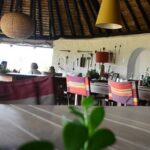
One guest specifically praised the camp setup as camp-style glamping (tents) and said the meals were plentiful and tasty, including an extensive lunch package (with vegan offered on request). That aligns with the idea of traveling hard by day and eating well at night.
Day 2: the full-day Maasai Mara drive built around the Big Five odds
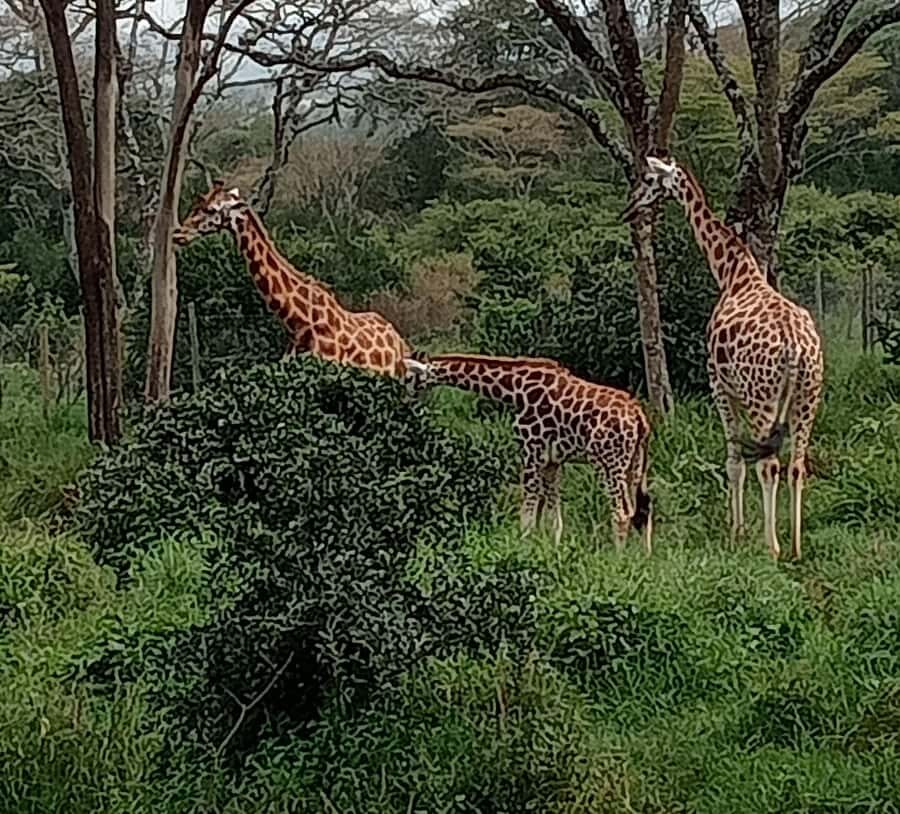
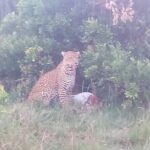
Day 2 is the heart of the itinerary: early breakfast at 6:30 am, then a full day of game viewing in Maasai Mara. This is the day you’ll care about most if your goal is the Big Five, especially the big cats, which are often harder to pin down.
Here’s what makes the day more than just “drive and hope”:
- You’re looking for a wider set of wildlife patterns across the day, not only at one time slot.
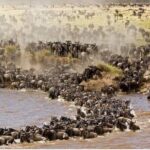
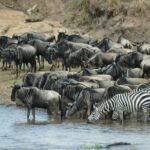
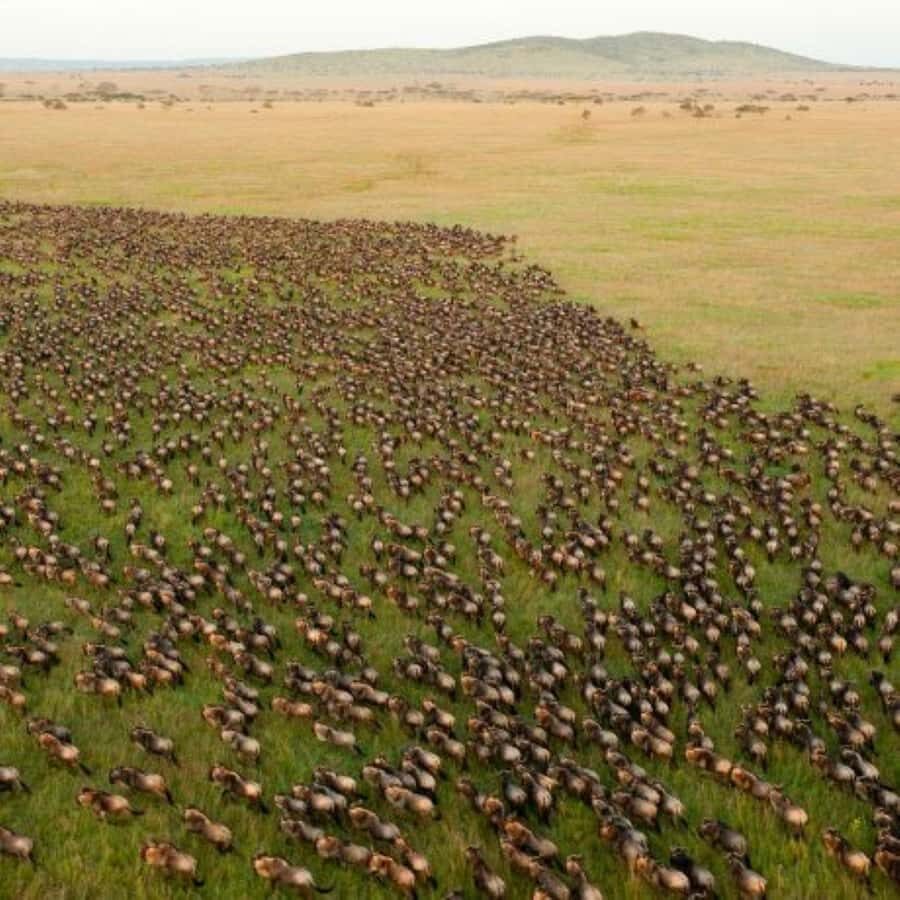
- You’re given a focal point for action at the Mara River, where the Great Migration happens as wildebeest and zebra move between feeding and water points.
- You get a guided tour by rangers aimed at specific species you can’t always spot on luck alone.
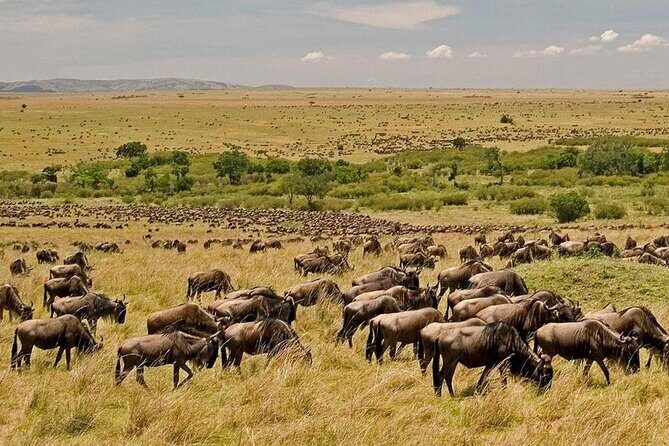
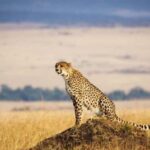
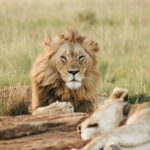
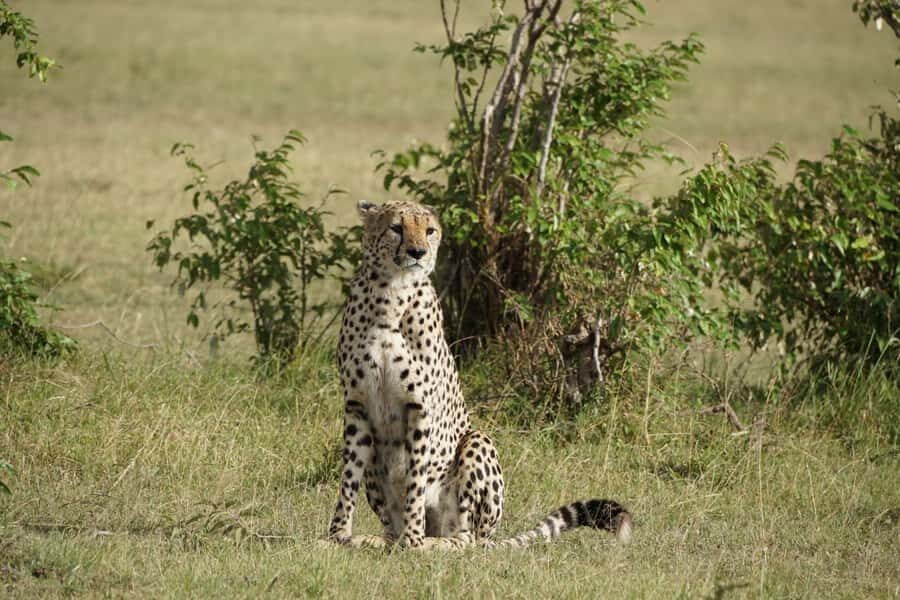
The Mara River segment is where the safari becomes really meaningful. The Great Migration is described as an annual movement of millions from the Serengeti area into Kenya in search of water and pasture. Predators follow. So your chances of seeing lions, cheetahs, hyenas, and other carnivores aren’t random—they’re connected to animal behavior and timing.
You also get a picnic lunch under a tree overlooking the Mara, plus ranger-led viewing for Nile crocodiles and hippo families. That mix is a great combo: predator potential, prey movement energy, and the water-edge activity that draws both big and small life.
Night routine at Rhino Tourist Camp: why rest matters
After a full day out in the vehicle, your night at Rhino Tourist Camp or similar is part of the safari experience—not an afterthought. You’ll have dinner and overnight again, which keeps the schedule predictable.
When wildlife viewing is going well, it’s easy to stay “on” all night in your head—wondering when you’ll see the next sighting. The camp setup and the fact that meals are included as part of the package help you switch gears and sleep, so Day 3 and Day 4 don’t feel like a slog.
Day 3: transfer to Nakuru (and what you might lose in evening viewing)
Day 3 starts with breakfast at camp, then you drive from Maasai Mara to Nakuru. You’re expected to arrive late evening, check in, and overnight at Lanet Matfam Resort or similar.
The main trade-off is simple: this day is heavy on travel. The itinerary doesn’t list an evening game drive in Nakuru, so you should treat Day 3 as a logistics day. A previous guest noted that this timing can mean you miss out on a more extended safari session during the transfer day. That’s not a dealbreaker—it just means your big viewing expectations should be strongest for Day 2 in the Mara and Day 4 in Nakuru.
If you’re someone who hates rushing, you’ll probably appreciate that you arrive late enough to settle quickly. If you’re someone who wants maximum park time every day, Day 3 will feel like a pause between the two key wildlife chapters.
A few more Nairobi tours and experiences worth a look
Day 4 in Lake Nakuru: white rhinos, possible pink flamingos, and a 3-hour drive
Day 4 is a focused wrap-up. You get an early breakfast, then you’re out by around 7:00 am. After check-out, you go straight to the park for a 3-hour game drive.
Lake Nakuru is positioned here for one standout reason: rare white rhinos, described as part of the Big Five. That gives the morning a clear mission—rhino viewing—before you broaden the search.
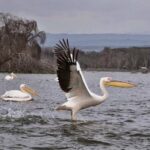
There’s also a possibility of seeing pink flamingos, depending on conditions. Flamingos at Nakuru are famous, but even with that reputation, sightings can be variable. The best way to handle that as a traveler is to treat flamingos as a bonus, not the core of your morning.
After your drive, you start the 3-hour return journey to Nairobi, with drop-off around 3:00 pm. That’s a practical end time, especially if you’re continuing travel later the same day.
4WD logistics: how the vehicle and group size affect your sightings
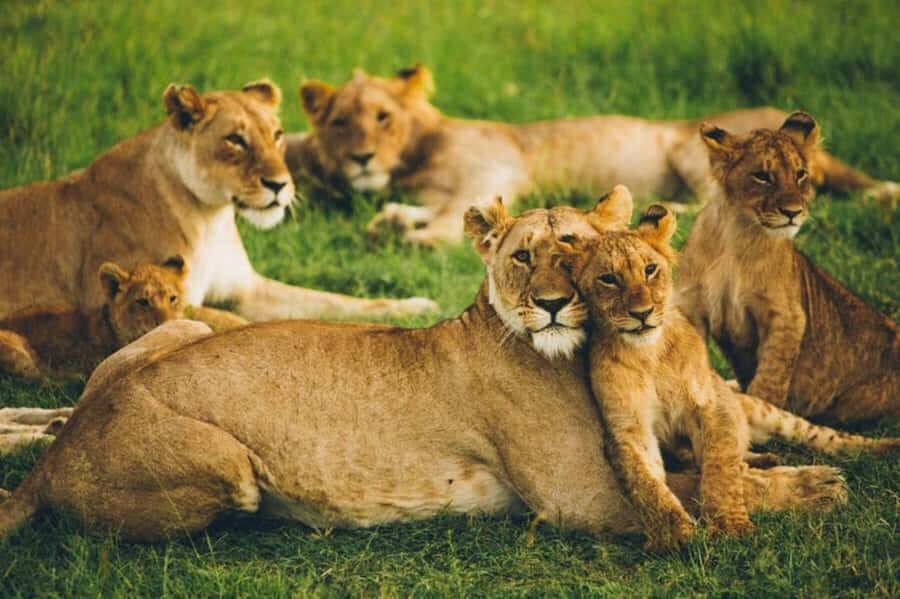
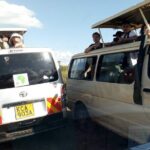
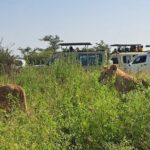
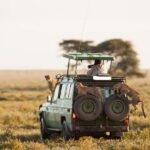
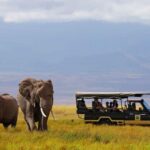
This safari uses a 4×4 Land Cruiser with a pop roof for easier game viewing. That detail isn’t just comfort—it changes what you can spot. When animals move quickly, you need clear sightlines, and a higher viewing position helps with scan speed.
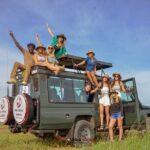
The max group size of 8 also matters. In larger groups, you often end up waiting while others climb down, ask questions, or get photos from the exact same spot. With eight people or fewer, the vehicle schedule stays tighter and the guide can keep you moving to the best viewing angles.
Transport is also handled end-to-end, including bottled water throughout the safari. That’s one less thing to think about in the field.
Where you eat and sleep: Rhino Tourist Camp and Lanet Matfam Resort
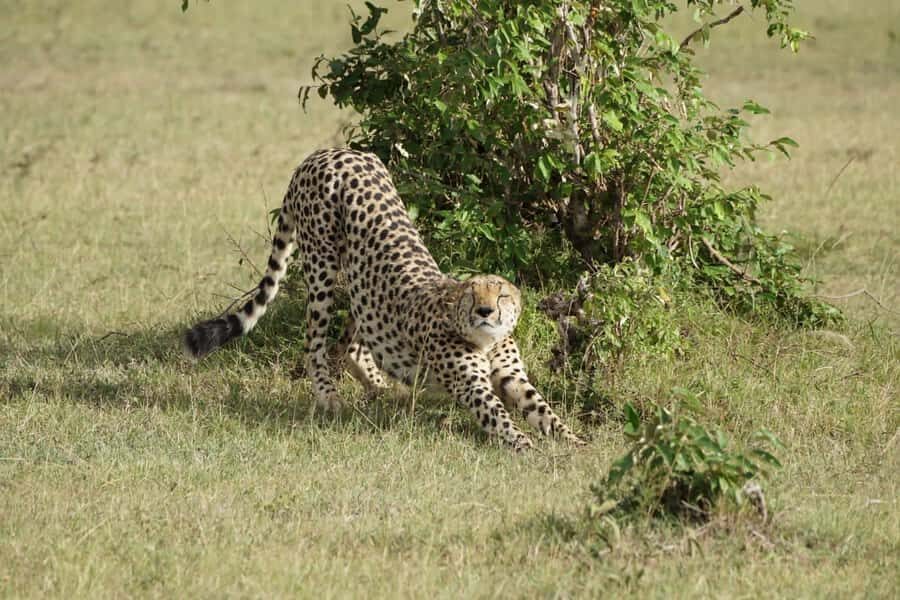
You’ll stay 3 nights total: three nights across Rhino Tourist Camp or similar (Maasai Mara) and Lanet Matfam/similar (Nakuru).
The structure is simple: breakfast before big viewing windows, included meals during the day plan, and dinner back at camp. One guest highlighted that lunch packages were extensive, and they even received a vegan lunch on request, which is a good sign for dietary flexibility if you mention needs ahead of time.
One practical note: safari meals are timed to animal behavior, not to restaurant schedules. If you’re the type who needs long meals at fixed hours, you’ll want to go with the flow and trust the rhythm.
Value check: is $750 per person fair for this itinerary?
At $750 per person for a 4-day/3-night package, the value comes down to what’s included versus what you’d likely pay separately.
You’re getting:
- 3 nights accommodation
- Park entrance fees for Maasai Mara and Lake Nakuru
- All meals as per the itinerary
- 4×4 transport with pop roof
- Bottled water
- Pickup and drop-off within Nairobi city center/Westlands
- Assistance during the trip
What’s not included:
- Drinks (like alcohol)
- Tips/gratuities
- Maasai village (extra cost)
- Balloon safari (extra cost; mentioned as day 2 early morning in the program)
For many travelers, park fees and safari transport are the biggest chunks of the budget. Bundling them—plus including meals—often makes this a cleaner deal than piecing everything together. The only real “value friction” is the optional extras. If you want a balloon, you’ll pay more. If you want the Maasai village, that’s another add-on.
Who this safari suits best (and who should consider another option)
This is a strong fit if you want:
- A classic East Africa wildlife circuit: Mara for big cats and migration action, Nakuru for rhinos and flamingos.
- A small group and a vehicle designed for spotting.
- Clear daily structure: full day in the Mara, focused morning in Nakuru, and a simple end in Nairobi.
It may not be the best match if:
- You’re pregnant (not suitable per the tour notes).
- You need a lot of evening activity on Day 3. That day is mostly driving and check-in.
Practical tips to get more out of your big-cat day
The schedule is built around the reality that sightings aren’t guaranteed. So your job is to make every drive hour count.
Pack smart:
- Bring your passport or ID card.
- Wear layers for early mornings and game drives.
- Expect that the best viewing will depend on where animals are, not only on the clock.
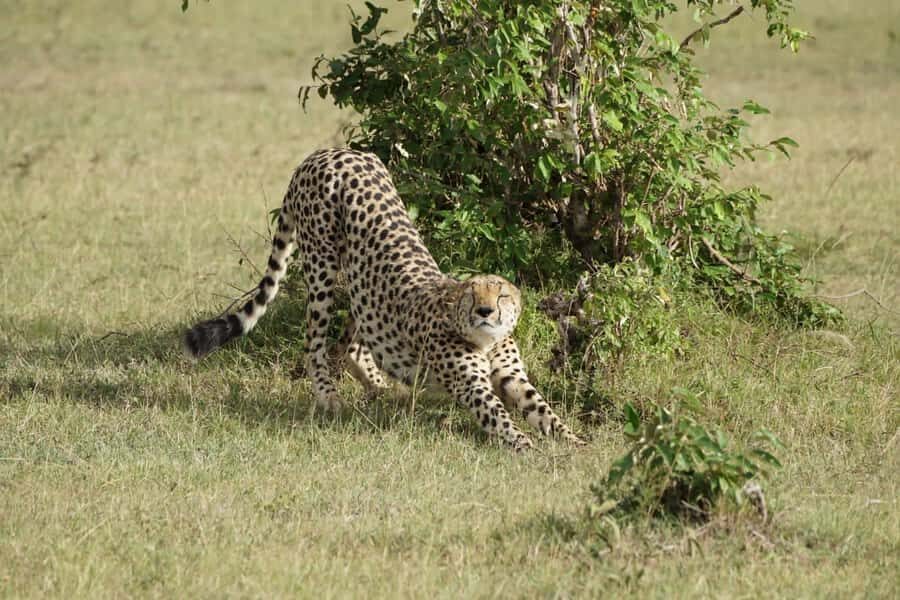
On the behavior side, aim for patience on Day 2. Big cats can be elusive, and the guide’s job is to find the conditions where they’re most likely to appear. A guide who’s calm, experienced behind the wheel, and quick to reposition is worth its weight in gold.
A recent guest also praised a guide’s safe driving and friendly, sometimes humorous vibe. That’s not a small detail. When you feel safe and comfortable, you actually see more.
Should you book this 4 days Maasai Mara & Lake Nakuru safari?
If your travel style is “good game drives, solid logistics, and real wildlife time,” I’d book it. You’re paying for park access, transport with the right viewing setup, and a day in the Mara designed around migration timing and ranger-guided viewing.
Skip it only if you’re expecting constant park time with zero transfer effort, or if you’re pregnant. For everyone else, this is a well-paced route with strong chances of major sightings—especially on the full-day Mara drive and the targeted white rhino session at Nakuru.
FAQ
What does the safari include?
It includes 3 nights accommodation, park entrance fees for Maasai Mara and Lake Nakuru, all meals as per the itinerary, and transport in a 4×4 Land Cruiser with a pop roof. Bottled water and assistance during the trip are also included.
How many days is the safari?
The safari runs for 4 days.
What is the maximum group size?
The maximum group size is 8 people per safari vehicle.
Where are pickups and drop-offs included in Nairobi?
Pickup and drop-off are included within Nairobi city center and Westlands.
Is a Maasai village visit included?
The Maasai village visit is not included in the main price and is available at an extra cost.
Is the balloon safari included?
No. Balloon safari is an extra cost and is described as happening on Day 2 early in the morning, then the normal program continues.
What are the game drive plans in Maasai Mara?
You have a game viewing drive on Day 1 from about 4:00 pm to 6:00 pm, then a full-day game drive on Day 2 (with breakfast at 6:30 am).
What do you do in Lake Nakuru?
On Day 4, you drive into the park for about a 3-hour game drive, with a focus on rare white rhinos and a possibility of pink flamingos.
What kind of accommodation should I expect?
You’ll stay at Rhino Tourist Camp or similar in Maasai Mara and at Lanet Matfam or similar in Nakuru.
Are there any restrictions on who can join?
The tour is not suitable for pregnant women. Pets are also not allowed.
If you tell me your travel month and whether you want the Maasai village and/or balloon, I can help you decide which optional add-ons are worth it for your goals.