REVIEW · NAIROBI
Nairobi Bomas Cultural Dance Show & Dinner Carnivore Restaurant
Book on Viator →Operated by Gracepatt Safaris · Bookable on Viator
Dance first, then meat on swords. This Nairobi afternoon links Bomas of Kenya with the Carnivore Restaurant so you can watch traditional dance and music across Kenya, then switch to a no-holds-barred dinner. I like that it’s built as two focused stops, so you’re not burning the whole day just moving around town.
My second favorite part is the dinner format: unlimited carving at your table, starting with soup and bread before the hot cast-iron plates arrive. One thing to consider is that the Bomas lighting can be hit-or-miss; one recent experience noted plain daylight lighting and a flickering bulb, which can make the show feel less stage-like.
In This Review
- Key takeaways before you go
- A One-Afternoon Kenya Plan: Bomas at 1PM, Meat at Night
- Bomas of Kenya: 42 Ethnic Groups in One Arena Show
- Village Reproductions, Dance Details, and the Acrobat Moment
- Carnivore Restaurant: How the Sword-Carving Dinner Really Works
- Unlimited Meat With a Real Rhythm (Not Just a Pile on a Plate)
- Timing and Transportation: Why the Schedule Feels Efficient
- Price and Value: What $225 Buys You in Nairobi
- Food and Culture Fit: Who This Tour Suits Best
- When Things Change: A Note on Rescheduling
- Should You Book This Nairobi Bomas and Carnivore Combo?
- FAQ
- What time does the Nairobi Bomas and Carnivore tour start?
- How long is the experience?
- What’s included in the price?
- Is lunch included?
- Is pickup and drop-off included?
- Can children participate, and what if I need to cancel?
Key takeaways before you go
- One afternoon, two major Nairobi experiences: a tight schedule that keeps driving time down.
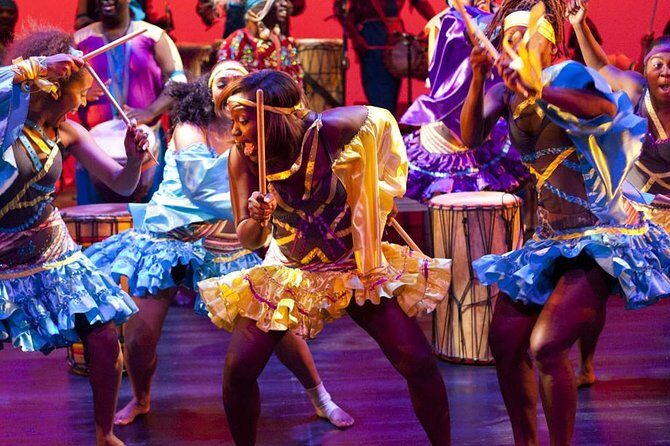
- Bomas covers 42 ethnic groups: traditional dance, music, song, folklore, plus acrobat performances in an arena.
- Carnivore dinner starts with soup and bread: then meats get carved onto sizzling plates in front of you.
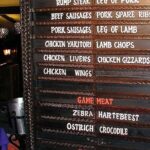
- Unlimited prime meats at the table: you’ll see options like leg of beef, leg of lamb, and pork spare ribs, with more to follow.
- Masai sword carving is part of the show: carvers move through the dining room with striped aprons and straw hats.
- Group size is capped at 100: better odds of a smoother experience than very large crowds.
A One-Afternoon Kenya Plan: Bomas at 1PM, Meat at Night
This tour runs in the late afternoon and early evening, starting with pickup from your Nairobi hotel at 1:00 pm. That timing matters: you avoid a full-day grind, and you still get daylight for Bomas before the dinner scene turns into something louder and more social.
It’s also a smart pairing. Bomas gives you the cultural stage—dancers, drummers, songs, and storytelling—while Carnivore gives you the other side of Kenyan social life: food that’s served family-style, then carved repeatedly right where you’re sitting. If you like experiences that feel like a production (not just a museum stop), this combo is built for you.
A few more Nairobi tours and experiences worth a look
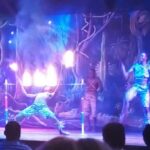
Bomas of Kenya: 42 Ethnic Groups in One Arena Show
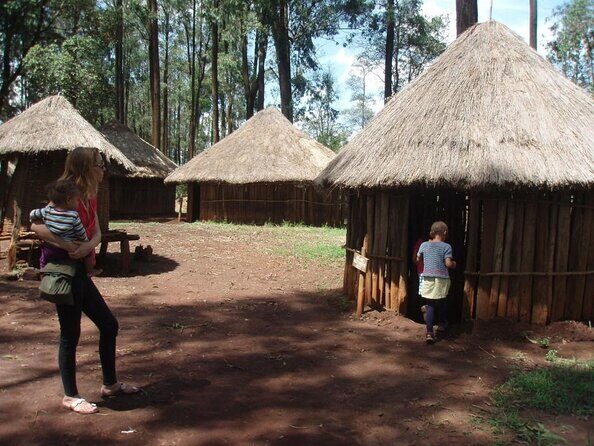
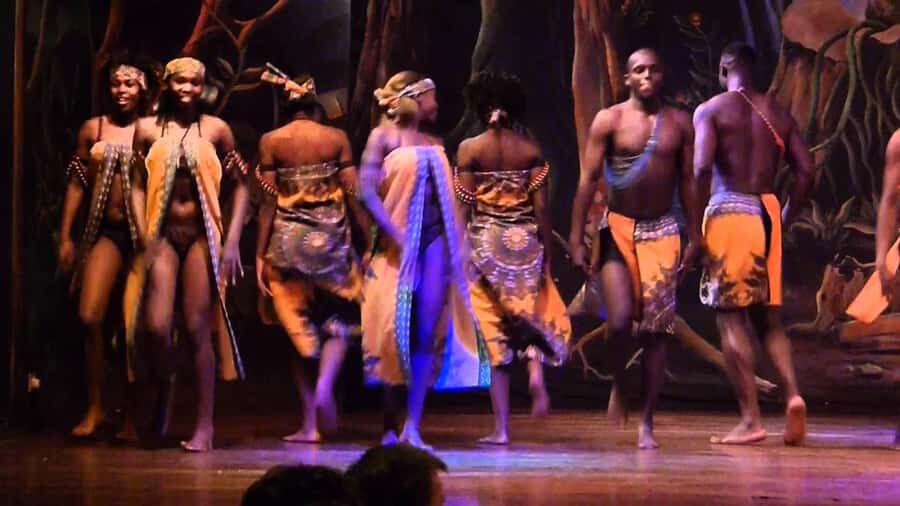
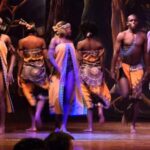
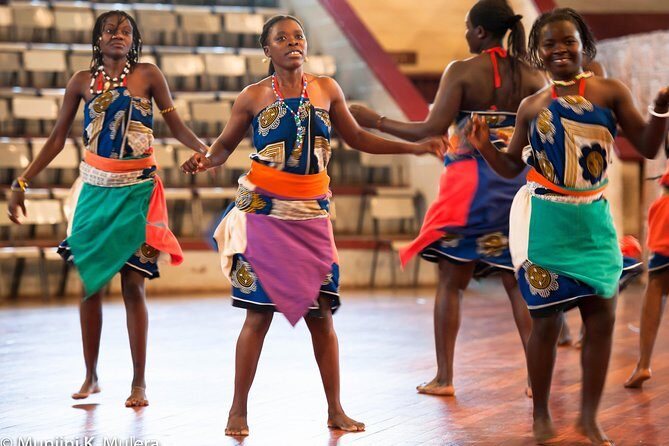
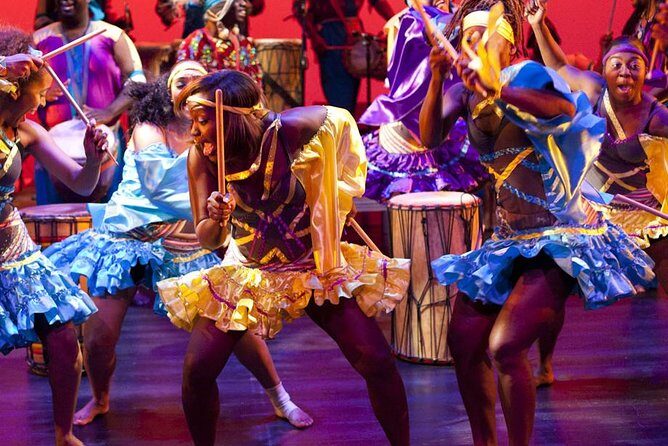
Your first stop is the Bomas of Kenya, set up as a day-to-day style presentation of Kenya’s many ethnic groups. The show is designed around traditional dance, music, song, and folklore, and it’s framed so you can see a lot without needing to plan multiple separate visits.
The main win here is scope. You’re not learning one region or one community. You’re seeing a concentrated sampler of Kenya’s cultural variety, all within the same property and event flow. And because it’s presented in an arena, the pacing tends to stay steady rather than scattering you across different locations.
You’ll also get to see the show’s acrobatic segment, performed in that same arena setting. That mix of dance and athletic performance helps keep energy up, especially if you’re going with people who want more than just sitting through music.
Village Reproductions, Dance Details, and the Acrobat Moment
Bomas isn’t just a stage show. It’s built around reproductions of rural Kenyan villages, so even before the dancing starts you get a sense of how community spaces are organized. That kind of setting helps the performances land better, because you’re not just watching from a blank room—you’re surrounded by the environment the performers are representing.
As the program moves through different groups, you’ll get the practical rhythm of the event: dancers step forward, musicians support, songs carry the mood, and stories come through in the performance structure. It’s very much a “watch and feel the pattern” experience.
The acrobat show is often the part that adds pure wow-factor. Even if you’re not deeply focused on costumes or specific dance forms, the athletic control usually pulls your attention back every time the segment hits.
One small caution: lighting. A previous guest pointed out that Bomas lighting can be poor, with plain daylight lighting and mentions of a flickering bulb. The good news is you’re still seeing dancers and musicians clearly enough for the experience to work; the bad news is the show may feel less polished if you’re used to strong stage lighting.
Carnivore Restaurant: How the Sword-Carving Dinner Really Works
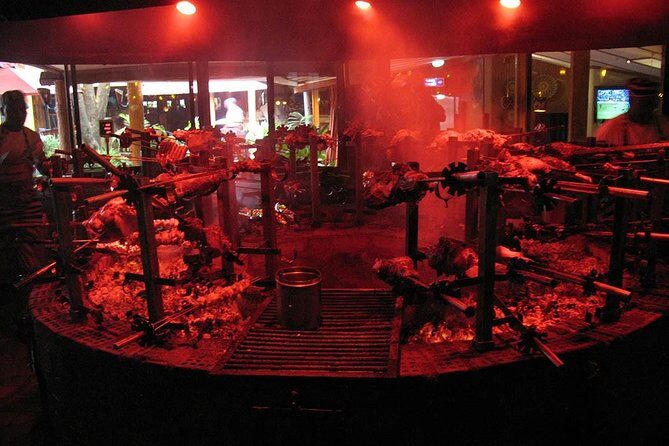
After Bomas, the tour switches gears to dinner at the Carnivore Restaurant. The setup is designed so you arrive, sit down, and the show starts quickly—no long wait while you search for what to order.
You’ll take your seat on the restaurant’s zebra striped chair setup, then the meal begins with the soup of the day. After that comes home baked brown bread and butter. This matters because it gives you something to eat while the meat service ramps up, rather than waiting hungry for the first carving.
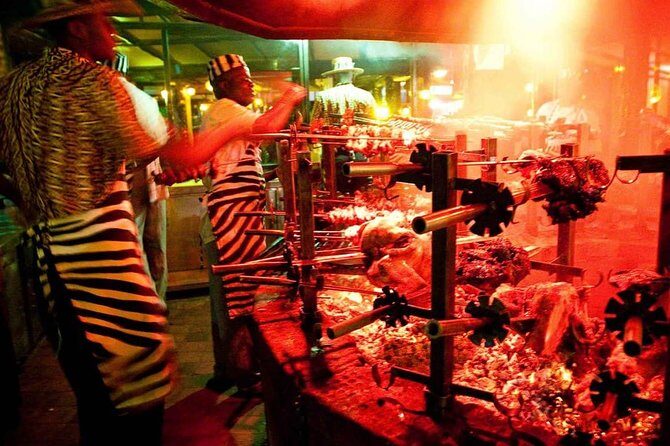
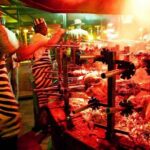
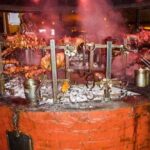
Then comes the centerpiece: sizzling cast-iron plates placed in front of you, with carvers bringing meats table to table using Masai swords. Different prime meats get carved onto your plate again and again, which is why the dinner is described as unlimited.
In terms of what you can expect, the listed options include leg of beef, leg of lamb, pork spare ribs, and more. If you like variety, you’ll likely enjoy this format because you’re not limited to a single “main.” You’re watching the selection change as carvers circulate.
Unlimited Meat With a Real Rhythm (Not Just a Pile on a Plate)
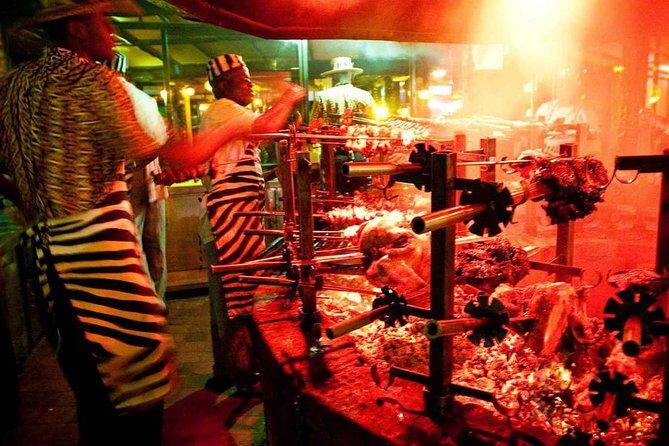
Carnivore’s biggest strength is that the meal behaves like an ongoing performance. You don’t just sit and receive food once. Carvers keep moving through the room with swords and portions, so the dinner has momentum.
The zebra-striped aprons and straw hats aren’t just decoration. They make the service easy to track—you can spot who’s coming, and you can tell when your table is in the rotation. That helps the whole thing feel deliberate, like the restaurant is running a show for the dining room rather than a plain buffet.
Also, the sizzling cast-iron plate does two things at once. It keeps the meat hot, and it makes the carving moment visible. If you’re curious about how restaurants build a “meal as an event,” Carnivore is a clear example.
Downside-wise, this is heavy food. If you’re not a big meat eater, you might find it hard to make yourself comfortable with the pace of repeated carving. The dinner is built for appetite and carnivorous enthusiasm.
A few more Nairobi tours and experiences worth a look
Timing and Transportation: Why the Schedule Feels Efficient
This is a 4-hour experience (approx.), built to move you from one major stop to the next with pickup and drop-off included. You’re picked up at 1:00 pm from your Nairobi hotel, then you’re returned after the two main segments.
From a planning perspective, the tour’s value is in its reduced travel time. Instead of you researching transit, timing, and entry tickets across two separate locations, the operator packages it as a single block. That’s not glamorous, but it’s exactly why these combos work in a city where you may not want to spend every hour in traffic.
The group size limit is 100 travelers, which is a practical detail. It’s not tiny, but it’s not a massive stampede either. If you like group tours that still feel manageable, this cap is a good sign.
And there’s a group-discount angle if you’re traveling as part of a larger party. That doesn’t change the experience, but it can make the overall price feel less painful.
Price and Value: What $225 Buys You in Nairobi
At $225.00 per person for about four hours, you’re paying for a bundle: guide, admission for Bomas, dinner at Carnivore, plus convenient pickup and drop-off.
Here’s the math that matters most for value:
- You get admission built into the experience, so you’re not separately buying tickets for Bomas.
- Dinner is included, and it’s not a small plate. It’s the restaurant’s carving setup with multiple meats and unlimited service.
- The guide and transport reduce the mental load of coordinating two separate sites.
Lunch is not included, so you’ll want to plan your day around that. If you arrive hungry and assume lunch is covered, you’ll feel that gap. But if you eat earlier and treat this as your late afternoon + dinner anchor, the pricing starts to make sense.
One more value point: this is run by Gracepatt Safaris, and you’ll receive a confirmation at booking time. Mobile tickets are also mentioned, which helps reduce last-minute paperwork stress.
Food and Culture Fit: Who This Tour Suits Best
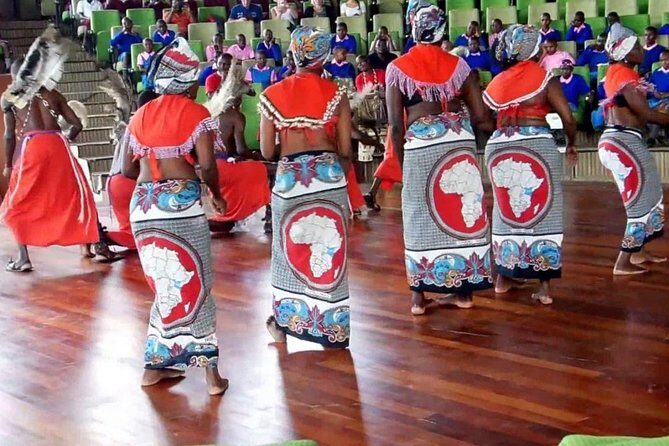
This tour is a strong match if you want two high-impact experiences in one afternoon. Bomas is for people who enjoy watching tradition in a staged setting—dance, music, and storytelling in a formal arena. Carnivore is for people who enjoy communal, interactive dining where the food arrives as part of a visible service ritual.
It’s also a solid choice for groups who don’t want to debate schedules. Instead of splitting into different interests (culture camp vs. food camp), you can land in the middle and do both.
Families should know that children must be accompanied by an adult. And while the experience notes that most travelers can participate, the dinner is meat-forward and the Bomas show is an arena format, so it may not be the best fit for someone who hates crowded seating or heavy dining.
When Things Change: A Note on Rescheduling
Sometimes Nairobi schedules shift due to events. In at least one reported case, the original Bomas timing was canceled due to a nation election, and a substitution was arranged involving a giraffe breeding facility plus dinner at a local restaurant serving barbecued meats.
That doesn’t mean it will happen to you. But it’s a useful reality check: if you’re traveling at a busy time, keep a little flexibility, and expect the operator to work within the day’s constraints.
Should You Book This Nairobi Bomas and Carnivore Combo?
Book it if you want a practical cultural showcase paired with a dinner that’s clearly designed as an experience, not just a meal. The combination of Bomas’s 42-group dance and folklore program with Carnivore’s unlimited sword-carved meats gives you two very different kinds of memories in one afternoon.
Skip it (or reconsider) if you’re mainly looking for a quiet, lightweight cultural visit, or if you don’t want meat-based dinner service as the main event. Also, if stage lighting quality affects your enjoyment, know that Bomas lighting has been criticized for being basic in at least one instance.
If you’re okay with that, this tour is a tidy way to make Nairobi feel bigger than the map—culture first, then a table-side show you won’t forget.
FAQ
What time does the Nairobi Bomas and Carnivore tour start?
It starts at 1:00 pm, with pickup offered from Nairobi hotels.
How long is the experience?
It runs for about 4 hours (approx.).
What’s included in the price?
You get a professional guide and dinner, and admission tickets are included for the Bomas show.
Is lunch included?
No, lunch is not included.
Is pickup and drop-off included?
Yes, the tour includes pickup and drop-off at Nairobi hotels.
Can children participate, and what if I need to cancel?
Children must be accompanied by an adult. You can cancel for free up to 24 hours in advance for a full refund.