REVIEW · NAIROBI
Nairobi souvenir Shopping and Historical Half day Tour
Book on Viator →Operated by Safari Port · Bookable on Viator
Souvenirs can be a headache in Nairobi. This tour makes it easier with a private driver/guide who helps with language, pricing sense, and carrying heavy finds, while you hit top craft stops like Kazuri Beads Factory. The main drawback to plan for is that the Maasai Market can feel loud and crowded, so you’ll want patience and a game plan before you bargain.
What I like most is that it’s door-to-door and time-smart: you’re not wandering city blocks trying to find the good places, and you get a short Nairobi history walk wrapped into the shopping. Guides such as Tim, Obed, and Mwose have been praised for being helpful, flexible, and easy to talk to. Still, like any shopping day, the results depend on what you want to buy and how much time you’re willing to spend inside each stop.
In This Review
- Key Highlights You’ll Actually Feel During the Day
- Why Nairobi Souvenir Shopping Needs a Driver With a Translator
- Price and Time: What $70 Really Buys You in Nairobi
- Stop 1: Kazuri Beads Factory and the Clay-to-Finished Craft You Can See
- Stop 2: Utamaduni Crafts Centre in Karen/Langata for Real Craft Variety
- Stop 3: Golden Eagle Art Gallery for Wood Crafts and the People Behind Them
- Stop 4: Maasai Market Timing by Day and How to Shop in the Crowd
- Stop 5: Nairobi’s Short Historical Walk Plus the 360 Rooftop View
- How the Best Guides Make Shopping Feel Easy (Not Pushy)
- What to Bring and How to Shop Smart for Value
- Who This Nairobi Tour Fits Best
- Should You Book This Nairobi Souvenir and Historical Half-Day Tour?
- FAQ
- How long is the Nairobi souvenir and historical tour?
- Is pickup and drop-off included?
- How much does the tour cost?
- What stops are included during the half-day?
- Are admission tickets included?
- Where is the Maasai Market on different days?
- Are drinks and food included?
- Are souvenir photos included?
- Is this tour private?
Key Highlights You’ll Actually Feel During the Day
- Kazuri’s clay-to-beads process explained step by step, tied to community women’s empowerment
- Utamaduni Crafts Centre in Karen/Langata, with a garden break and staff who help pack or ship
- Golden Eagle Art Gallery where you can see wood-carving in action
- Maasai Market locations by day, so your shopping timing matters
- Nairobi history + a 360 city view finish that ties the modern skyline back to culture
- Private pickup and drop-off, with translation and help carrying items
Why Nairobi Souvenir Shopping Needs a Driver With a Translator
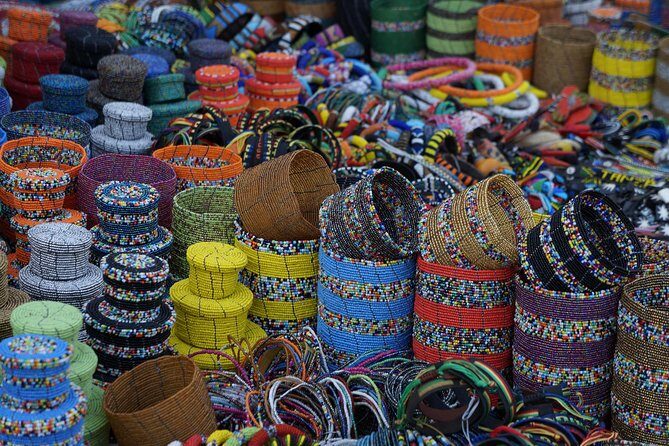
Nairobi souvenir shopping has two real challenges: the language barrier and the way quality can vary a lot from place to place. On your own, you might miss which shops are genuinely producing good work versus selling odds and ends. Even if you spot something you like, it can be tough to confirm materials, craftsmanship, or fair pricing.
That’s where a private driver/guide changes the day. You’re not just getting transportation. You’ve got someone there to help you ask questions, interpret what you’re being told, and keep the shopping focused on solid places. I also like that the tour is built around multiple stops, so you’re comparing options instead of gambling on one store.
There’s another subtle win: shopping often becomes stressful when you’re carrying bags, trying to move through crowds, and negotiating at the same time. Here, you’re not doing it all solo.
You can also read our reviews of more historical tours in Nairobi


Price and Time: What $70 Really Buys You in Nairobi
At $70 per person for roughly 4 to 6 hours, the value comes from what’s included and how it saves you decision fatigue. You get a driver/guide, hotel pickup, and hotel drop-off, plus admission listed as free for the main stops (Kazuri Beads Factory, Utamaduni, Golden Eagle Art Gallery, and the Maasai Market, plus the short Nairobi historical walk).
This is a good deal if you want to buy gifts before safari, or if it’s your first day in town and you want to “get your bearings” fast. It’s also a fair price for a private format—this is set up so only your group participates.
The one time consideration is simple: shopping takes longer than you think. If you fall in love with a few items, the day can stretch toward the 6-hour end. If you’re the type who wants quick in-and-out buys, tell your guide early so the stops stay efficient.
Stop 1: Kazuri Beads Factory and the Clay-to-Finished Craft You Can See

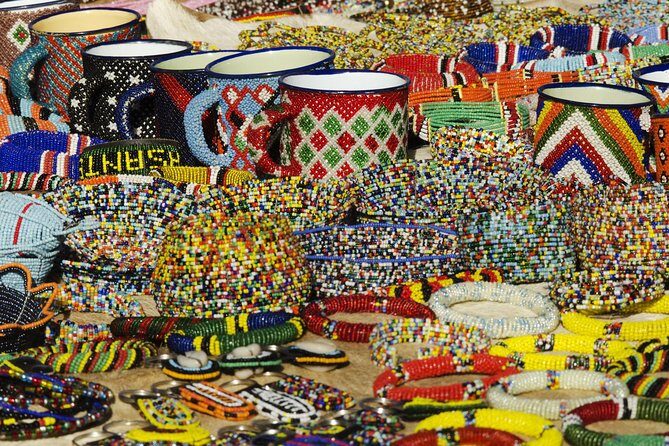
Kazuri Beads Factory is the kind of stop you remember because it’s practical and visual. You get a guided, step-by-step walk through how the beads start from clay and end up as finished jewelry and related items in the shop.
What makes this stop valuable isn’t just the product. It’s the story of community women empowerment. You see craft at work, and you can feel the difference between mass-produced souvenirs and pieces with actual thought behind them.
A good way to shop here is to decide what you want first:
- jewelry (beads, necklaces, earrings)
- gift size pieces
- items you can pack easily
Then ask your guide to help you compare materials and finish quality. If you want something that lasts, spend a few extra minutes checking the details up close—clasps, bead consistency, and how the piece is assembled.
This is also a popular highlight, and I’d treat it as your anchor stop. If your schedule is tight, make sure you don’t rush through Kazuri.
Stop 2: Utamaduni Crafts Centre in Karen/Langata for Real Craft Variety
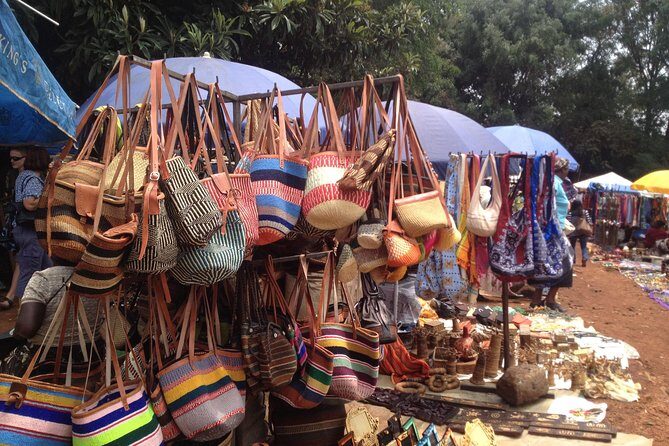
Utamaduni Crafts Centre is built for people who want more than one style. The place is a converted Kikuyu house with 18 shops, so you can move from crafts to antiques and art without repeating the same display over and over.
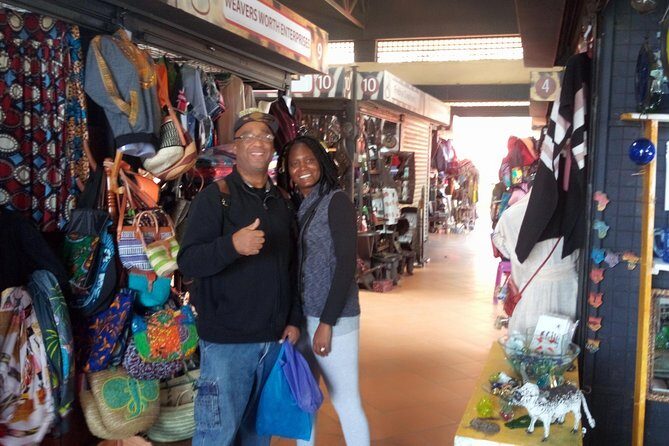
The staff are described as friendly and helpful, including help with packing or shipping if you need it. That matters because buying souvenirs is one thing; getting them home intact is another. If you’re not traveling with much luggage, this kind of support can be the difference between enjoying the day and stressing about your bags afterward.
There’s also a garden restaurant where you can pause for refreshments. If you like bird watching, the garden area can keep you entertained while you take a breather. It’s a nice break from shopping heat and crowd noise.
One more context note: Utamaduni fits well on a day that already includes nearby Karen/Langata sights. That area is known for the writer Karen Blixen’s original farm and views toward the Ngong hills. Even if you’re not doing the full set of nearby attractions, Utamaduni gives you a peaceful craft-and-culture reset.
Stop 3: Golden Eagle Art Gallery for Wood Crafts and the People Behind Them
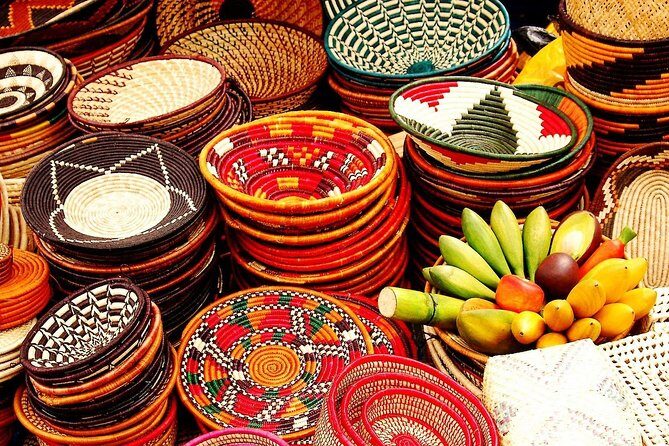
If you’re into texture and workmanship, Golden Eagle Art Gallery is a logical stop. You can see men working on wood carving, and the shop has a variety of wood crafts.
This is a good place to slow down slightly. Watch how carvings are made, then shop with your eyes open for:
- clean lines
- even sanding or finishing
- consistent detail depth
Wood crafts can range widely in quality, so ask questions even if something looks nice at first glance. With a guide, you can also compare similar items so you don’t end up paying for flaws you didn’t notice.
Admission is listed as free, so you’re not losing anything by walking through carefully.
You can also read our reviews of more shopping tours in Nairobi



Stop 4: Maasai Market Timing by Day and How to Shop in the Crowd

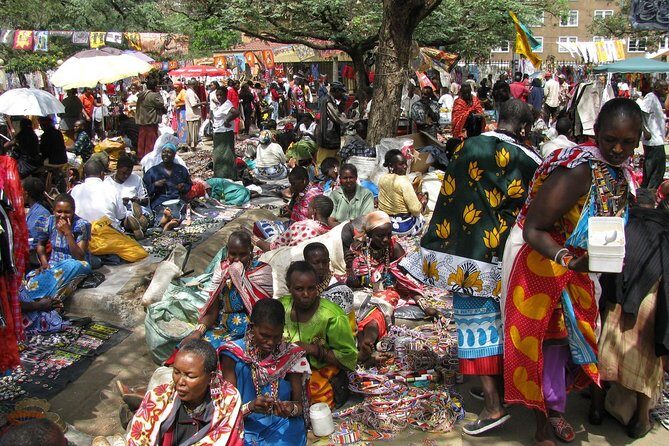
The Maasai Market is the stop that feels the most alive. It moves around Nairobi, and it generally runs from 8am to 6pm at different locations depending on the day.
Here’s where it usually is:
- Tuesday: Westgate Shopping Mall in Westlands (upper car park), opposite the Norfolk Hotel area
- Wednesday: Capital Centre on Mombasa Road near the airport
- Thursday: Nakumatt Junction Shopping Mall on Ngong Road
- Friday: Village Market in Gigiri (upper car park)
- Saturday: High Court parking lot in the city center (behind the Hilton)
- Sunday: Yaya Centre in Hurlingham
One review described it as a little crazy, but still good for deals. That matches what most markets feel like: noise, motion, people calling out, and lots of options competing for your attention.
My advice: go in with a simple plan. Decide what you’ll buy—beadwork, small crafts, or wearable items—and set a rough budget range. If you don’t like crowds, this stop can feel draining, so lean on your guide to help you navigate and prioritize.
Also remember: souvenir photos are available to purchase separately, and drinks/food aren’t included on the tour.
Stop 5: Nairobi’s Short Historical Walk Plus the 360 Rooftop View
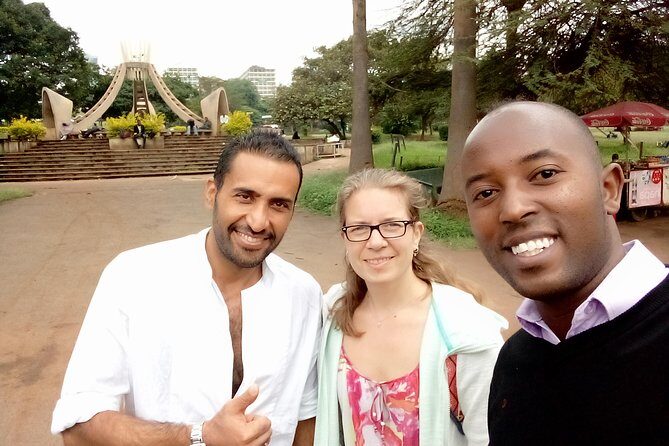
The final piece turns the shopping day into a proper introduction to the city. You get a brief walk and a historical tour where the guide explains the values of Kenyan cultures, with a nod to the artistic traditions across Kenya’s 42 tribes.
What I like here is that it doesn’t try to turn the half-day into a museum marathon. It gives you context so your shopping makes more sense. You’re buying craft, so it helps to understand what craft represents—identity, skill, and local tradition.
And there’s a payoff mentioned in the tour experience: a stop at the convention center for a 360 rooftop view of the city. People highlight the skyline moment as memorable, and it’s a smart way to end. You see Nairobi from above, then you can mentally connect the modern city with the cultural story you just heard.
If you love viewpoints, don’t treat that ending like a quick photo stop. Look around for a full minute. It helps you lock in your mental map of the city for the rest of your trip.
How the Best Guides Make Shopping Feel Easy (Not Pushy)
This tour lives or dies by the guide. In the feedback you’ll see the same patterns again and again: guides like Tim, Obed, and Mwose have been praised for being helpful, friendly, and responsive to questions.
A standout theme is that guides don’t just drop you at a shop and disappear. They help you figure out what to buy, and they can tailor timing and focus to what you want. One guide experience even included making time for a 360 view finish and keeping conversation going during the ride.
You’ll also see the value of a guide who’s good at pacing. If you spend 20 minutes deciding on beads, you need the rest of the day to stay balanced. Good guides keep you moving, but not rushed.
One note: any transport day can hit bumps. There’s at least one case where the start was late due to unavoidable circumstances. That’s not your fault, and it’s not something you can fully predict—so if your schedule is tight, give yourself buffer time.
What to Bring and How to Shop Smart for Value
To get the most out of a half-day like this, you’ll want to travel ready.
Bring:
- a light bag for purchases (and think about how you’ll carry heavy items)
- comfortable shoes for walking between stops and through markets
- small bills and a method for paying where you’re asked (the tour doesn’t mention card details)
- a short list of gift ideas so you don’t overbuy random items
Shop smart tips that fit this specific tour:
- At Kazuri, use the step-by-step process as your quality guide. If the story matters to you, it usually means the craftsmanship matters too.
- At Utamaduni, ask about packing or shipping help if you’re worried about damage.
- At the Maasai Market, decide your budget before you start. Crowd energy makes it easy to spend more than you planned.
Also plan for what’s not included. Drinks and food aren’t listed as included, and souvenir photos cost extra if offered.
Who This Nairobi Tour Fits Best
This tour is a great match if:
- you want high-quality souvenirs from multiple reputable craft stops
- you prefer a private, door-to-door day over DIY navigating
- you’d like a quick culture and Nairobi context, not just shopping
- you’re heading to safari soon and want gifts before you leave town
It may be less ideal if you want a long, slow museum-style day or if you dislike any kind of market crowd. It’s also worth noting that children must be accompanied by an adult, and it’s described as suitable for most travelers.
If you’re the kind of traveler who likes learning what you’re buying and where it comes from, you’ll likely enjoy this more than standard souvenir hunts.
Should You Book This Nairobi Souvenir and Historical Half-Day Tour?
If you’re weighing this against solo shopping, I’d lean toward booking. The combination of craft-focused stops, language help, and the quick Nairobi history finish makes it feel efficient without turning into a rushed shopping spree. The best part is the craft stops, especially Kazuri, and the fact that you end with a city view that gives the day meaning.
Book it if:
- you want gifts with better odds of quality
- you appreciate a guide who helps you ask questions
- you like craft, culture, and a skyline ending
Skip or adjust your plan if:
- you hate crowded markets and don’t want the Maasai Market experience
- you only want one type of souvenir and you’re comfortable shopping independently
If your travel dates line up with the market location that day, you’ll get even more value out of the day.
FAQ
How long is the Nairobi souvenir and historical tour?
The tour lasts about 4 to 6 hours.
Is pickup and drop-off included?
Yes. Hotel pickup and hotel drop-off are included, along with a driver/guide.
How much does the tour cost?
It costs $70 per person.
What stops are included during the half-day?
You’ll visit Kazuri Beads Factory, Utamaduni Crafts Centre, the Golden Eagle Art Gallery, the Maasai Market, and then a short Nairobi historical walk.
Are admission tickets included?
Admission tickets are listed as free for the main stops: Kazuri Beads Factory, Utamaduni Crafts Centre, Golden Eagle Art Gallery, the Maasai Market, and the Nairobi historical walk.
Where is the Maasai Market on different days?
The Maasai Market moves around Nairobi. It’s typically at Westgate Shopping Mall on Tuesdays, Capital Centre near the airport on Wednesdays, Nakumatt Junction on Thursdays, Village Market on Fridays, the High Court parking lot on Saturdays, and Yaya Centre on Sundays.
Are drinks and food included?
No. Drinks and food and drinks are not included.
Are souvenir photos included?
No. Souvenir photos are available to purchase, but they are not included.
Is this tour private?
Yes. This is a private tour/activity, and only your group participates.