REVIEW · NAIROBI
Memorable Daily KIBERA Slums/Toi Market Tour with Locals (2 hours)
Book on Viator →Operated by DALA TOURS, SAFARIS & VOLUNTEERS KENYA · Bookable on Viator
Nairobi has a side few see. This 2-hour Kibera walk swaps headlines for day-to-day context, with stops that connect community life to real education and housing work.
I especially like having a local youth guide who can translate what you’re seeing into plain talk, and I like that the tour includes more than street views by adding time around Olympic Primary School.
One thing to consider: this is people’s home, not a theme park—so keep your camera down and wear sturdy shoes that can handle mud or wet ground.
In This Review
- Key things you’ll notice on this Kibera tour
- Kibera with locals: why this tour feels real
- Olympic Primary School: the start, the context, and the end
- Walking Kibera with guides like Bramwel and Frederick
- What “NGO projects” look like in real neighborhoods
- The informal economy: where work and money actually happen
- A market-style feel, plus the respect rule
- Price and value: is $25 a fair deal?
- How DALA’s mission shows up during the tour
- What to pack and how to behave (so this stays respectful)
- Who should book this Kibera walking tour
- Should you book? My decision guide
- FAQ
- How long is the Kibera Slums/Toi Market tour?
- How much does the tour cost?
- Where is the meeting point and where does the tour end?
- Are round-trip transfers included?
- Is admission to stops included in the price?
- Is lunch included?
- What will I see during the tour?
- What group size should I expect?
- What is the cancellation policy?
- Are service animals allowed?
- Is there a mobile ticket?
Key things you’ll notice on this Kibera tour
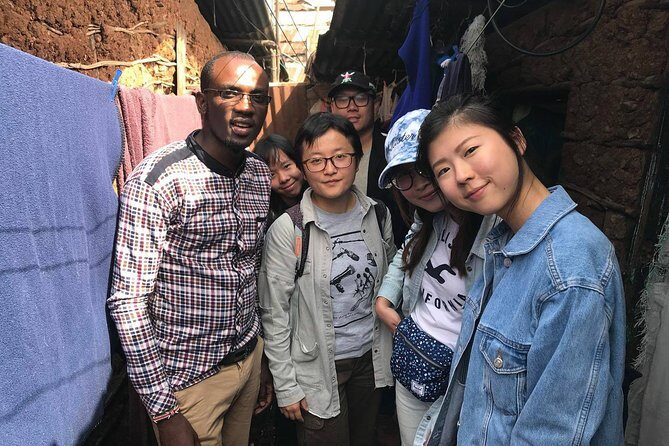
- Youth guide-led walking that keeps the focus on people, not performance
- NGO projects in housing, education, and health explained in everyday terms
- A look at the informal economy and how residents create income and support each other
- Olympic Primary School visit at the start and end, with its long-running role in change
- Round-trip transfers from the meeting point to reduce hassle
- Small-group feel with a maximum of 50 travelers
Kibera with locals: why this tour feels real
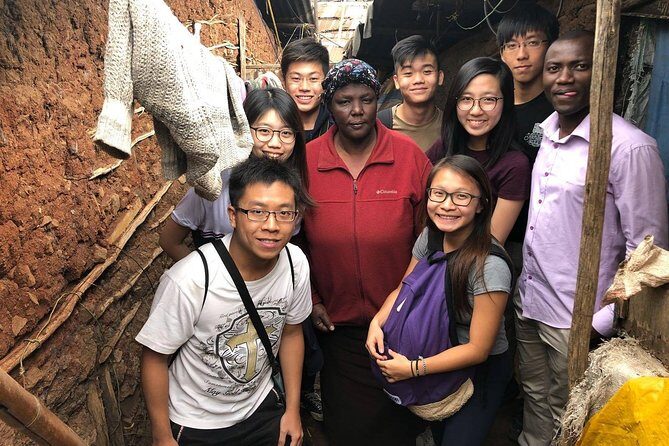
Kibera is one of Africa’s most talked-about informal settlements, but that “largest” label doesn’t tell you what it feels like on the ground. This tour is built to help you slow down and understand how daily life works—through conversation, careful walking, and guided context that doesn’t try to turn hardship into entertainment.
What I like is the balance. You’re not just shown buildings and pathways. You’re guided toward the bigger picture: how communities organize, how education and health projects try to fill gaps, and how people keep moving forward anyway. It’s also a walking tour, which matters here. You’ll notice details that can’t fit in a quick bus window.
The tour also comes with an important tone: respect. The experience is designed around the idea that you’re visiting homes. That shapes everything, from camera habits to how questions land. If you go in expecting a standard sightseeing loop, you’ll miss the point.
You can also read our reviews of more shopping tours in Nairobi

Olympic Primary School: the start, the context, and the end
Your tour meets at Olympic Primary School and returns there at the end. That’s not just convenient logistics—it’s a way to anchor what you see in a place tied to schooling and opportunity. The school is described as Kenya’s largest public primary school, and it’s known for a history of lifting families out of poverty.
This matters for your understanding. Kibera is often described through the lens of lack, but education is one of the clearest paths people can point to when they talk about change. When you’re standing near the school, you get a better sense of why so many local and NGO efforts focus on students, learning, and attendance.
Timing is also practical. The tour runs about 2 to 3 hours, and the pace is designed for walking while still giving time for explanations. Round-trip transfers are provided from the meeting point, which helps if you’re short on local navigation confidence.
Walking Kibera with guides like Bramwel and Frederick
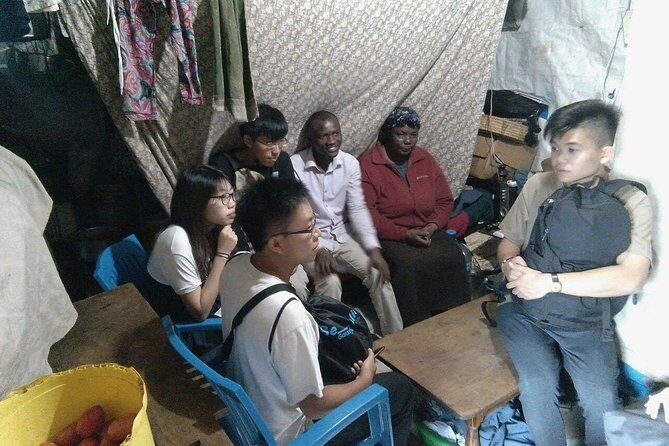
The heart of this experience is the guide. In the stories people share, guides aren’t treated like a translator who recites facts and moves on. You’ll get someone who can answer questions and connect details to real life.
In particular, guides such as Bramwel and Frederick come up repeatedly. One review-style account highlights how Bramwel grew up in Kibera, moved out of the deep slum but still lives nearby, and even plays for the Kibera football team. That kind of background often changes how a guide speaks: less scripted, more rooted in lived experience.
Another common theme is safety and comfort. More than once, the guidance comes through strongly: you’ll feel looked after while still being treated like a visitor who needs to behave respectfully. If you’re worried about the usual “Can I do this safely?” question, this is the kind of tour that tries to make that practical, not vague.
You should also expect personal conversation. Some guides are described as showing their own place or introducing you to someone who can share what life is like inside the community. That doesn’t mean it’s a staged show. It’s more like getting a short, guided window into how residents explain their world to an outsider—carefully, honestly, and sometimes with a sense of humor.
What “NGO projects” look like in real neighborhoods
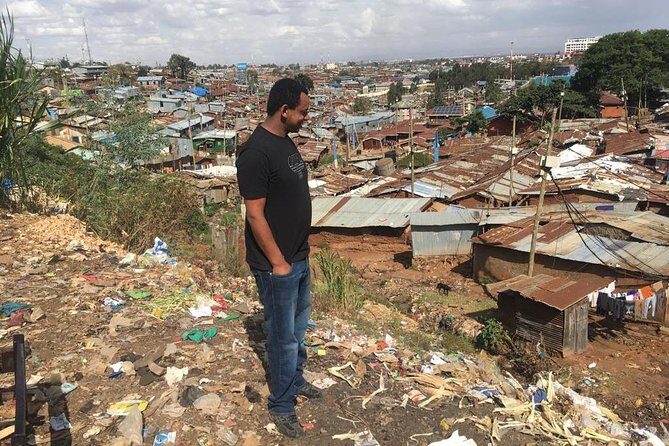
One of the tour’s stated aims is to show NGO projects connected to improving housing, education, and health. That topic can sound abstract until someone on the ground ties it to what you’re seeing with your own eyes.
Here’s what you’ll likely pick up: these projects are trying to solve problems that are bigger than any single donation. Housing and sanitation challenges don’t vanish overnight. School support is often about consistency and access. Health improvements can depend on infrastructure, outreach, and sustained effort.
In the conversations, corruption and limits show up too. You may hear that some efforts work better than others, and that funding doesn’t automatically guarantee results. That’s uncomfortable, but it’s also useful. It keeps the visit from turning into a simple “good guys vs bad guys” story.
So the value isn’t just seeing a program sign or learning a buzzword. The value is understanding the logic behind the work: what NGOs try to change, what residents need most, and why progress can be uneven. If you’re the kind of traveler who likes impact stories with nuance, this is a strong fit.
The informal economy: where work and money actually happen
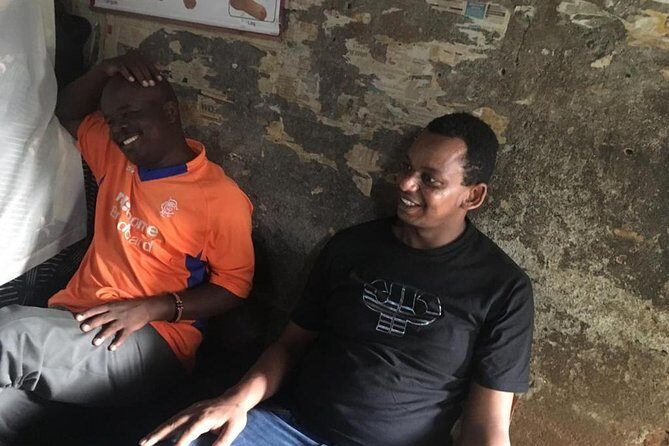
Kibera is frequently described by outsiders as deprived, but the local story includes something just as real: systems for making a living inside limited space. This tour is positioned to help you understand the informal economy—not in a textbook way, but through how people describe daily routines.
You’ll be walking through places where economic life doesn’t fit neat categories. Markets, trade, and side work may appear in the way your guide explains who earns what, how goods move, and how residents support each other. Even if you don’t see every transaction, you’ll leave with a clearer sense that “informal” doesn’t mean “random.”
That’s important because it changes how you look. Instead of viewing the area as purely a hardship zone, you start noticing community resilience: people building networks, finding customers, and turning small opportunities into survival strategies. This tour is designed to make that shift feel concrete.
And yes, you should be prepared for the emotional contrast. Some of the most powerful moments aren’t dramatic. They’re simple: a family conversation, a practical explanation, or a guide pointing out what matters to the people living there.
A few more Nairobi tours and experiences worth a look


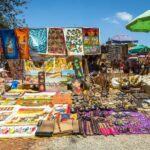

A market-style feel, plus the respect rule
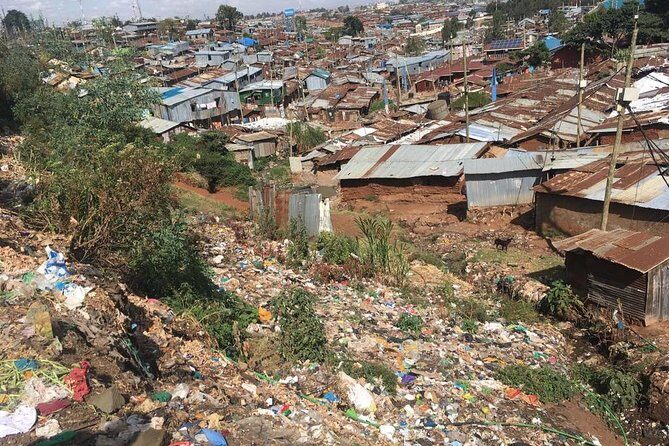
Even with a short duration, the experience can feel surprisingly “full,” because the guide connects what you see to how people live. The tour also includes a focus on the day-to-day rhythms of the community, which is where the realism comes from.
A recurring piece of advice from the experience highlights is clear: treat it like a home. Put your camera down. Don’t act like you’re collecting “views” for your feed. If you want good answers from your guide and a good experience for everyone around you, your attitude matters as much as your clothing.
That’s also why your behavior should stay calm and curious. Ask questions respectfully, but keep them grounded. You’ll get more out of asking how education or health efforts work for families than asking for spectacle-style details.
Price and value: is $25 a fair deal?
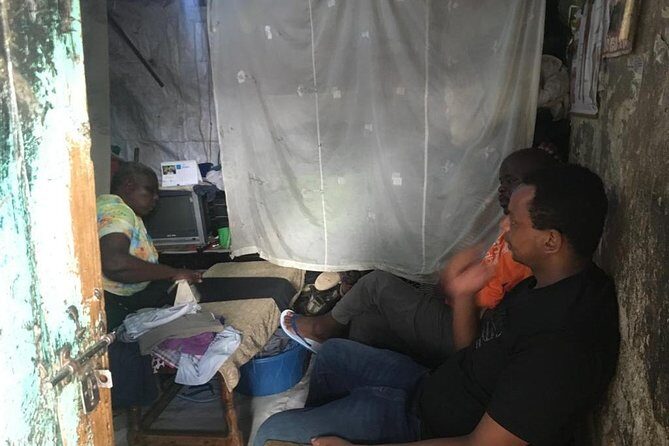
At $25 per person for a 2 to 3 hour walking experience, this isn’t a luxury add-on. It’s priced like an experience where the main “cost” is guide time and local coordination, not comfort upgrades.
For value, the big items are:
- A local youth guide who can translate life in Kibera
- A visit that includes Olympic Primary School
- Round-trip transfers from the meeting point
- Time spent on NGO projects tied to housing, education, and health
Also, the tour is capped at a maximum group size of 50. That cap isn’t a guarantee of intimacy, but it usually helps keep the experience organized, especially on crowded walking routes.
One more value angle: this is tied to local employment and youth support. The tour explains it helps employ local youth and that the firm is 100% indigenous. It also frames part of proceeds as support for MAKLWETA, a charity focused on rural girl child education.
If you care about impact tourism that supports local livelihoods and doesn’t pretend to “fix” everything with one visit, this price can feel reasonable. If you only want photos and quick facts, you may feel like the time is too short for that kind of approach. Choose based on how you travel.
How DALA’s mission shows up during the tour
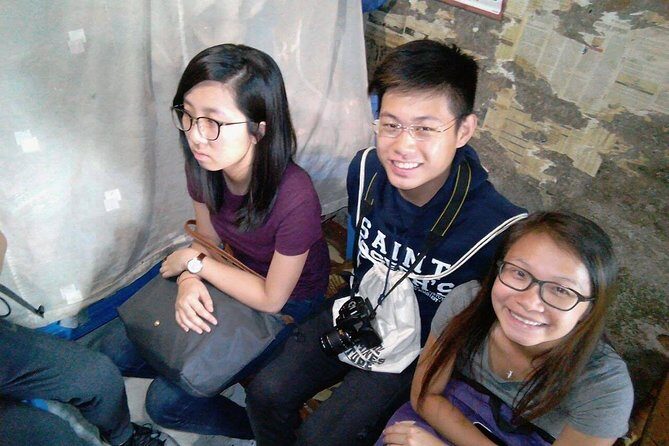
There’s a built-in stop connected to why the tour exists. The tour explains that it employs local youths, that Kenya has high youth unemployment, and that the company aims to deliver an authentic local touch rather than a generic sightseeing product.
It also shares that the team invests part of proceeds in MAKLWETA, supporting rural girl child education. The point isn’t to turn your visit into a lecture. It’s to show the chain from your booking to real-world funding goals.
Another detail that affects your peace of mind: the experience uses a pay-as-you-go policy, framed as no money sent in advance. You’ll still want to confirm how it works with your specific booking, but the overall message is trust and simple handling—no heavy bureaucracy.
Finally, the tour positions itself as “easy going.” In a place where logistics can be tricky, that calm approach tends to matter. If you’re the type of traveler who hates waiting around for unclear instructions, the guided structure and transfer help reduce stress.
What to pack and how to behave (so this stays respectful)
If you only remember one practical tip, make it this: wear shoes that can get wet or muddy. The walk is outdoors, and the terrain isn’t built for fragile footwear.
Beyond clothes, the biggest “pack” item is your mindset:
- Expect people to live their real lives around you
- Keep your questions human and respectful
- Put your camera away when your guide asks, or when you’re close enough that it feels intrusive
One review-style highlight calls out that your guide becomes an amigo by the end—someone who keeps you comfortable and safe. That only works if you meet them halfway with good manners, patience, and an honest curiosity.
If you’re traveling with kids, this is doable for many people, but you’ll want to watch how your group acts. Small kids can be unpredictable, and attention can feel like pressure. A short, thoughtful visit usually reads better than a loud one.
Who should book this Kibera walking tour
This is a strong match if you want:
- A guided, local perspective rather than a quick drive-by
- Real context about education and health efforts
- A walking experience where conversation matters
It’s also good if you like tours that don’t pretend poverty is simple or that NGO work is always successful. The nuance—progress with limits—fits travelers who prefer honesty over marketing.
If you’re uncomfortable with walking in densely populated areas, or you hate the idea that you might feel emotional at times, you might struggle. Not because the tour is unsafe in general, but because the content is direct.
And if your goal is mostly shopping for souvenirs or taking lots of photos, you’ll probably get more out of a standard market tour. This one is about understanding.
Should you book? My decision guide
Book this tour if you’re ready to trade “easy sightseeing” for a respectful, guide-led walk through real community life. The combination of local youth guides, a visit connected to schooling at Olympic Primary School, and explanations of NGO projects makes it more than a quick photo stop.
Skip it if you’re looking for a carefree outing with minimal emotional weight. Kibera will challenge your assumptions, and that’s the point.
Also, do a quick common-sense prep: wear durable shoes, keep your camera use thoughtful, and be ready to ask questions. If you do that, you’ll likely leave with a clearer understanding of daily life and how education and health efforts try to create pathways forward.
FAQ
How long is the Kibera Slums/Toi Market tour?
The tour runs about 2 to 3 hours.
How much does the tour cost?
It costs $25.00 per person.
Where is the meeting point and where does the tour end?
The tour starts and ends at Olympic Primary School in Nairobi.
Are round-trip transfers included?
Yes, round-trip transfers from the designated meeting point are provided.
Is admission to stops included in the price?
Yes, admission tickets are included.
Is lunch included?
Lunch is not included. Lunch and drinks are optional, and you can visit local restaurants at your request.
What will I see during the tour?
You’ll visit Kibera with a local youth guide and you’ll learn about NGO projects connected to housing, education, and health. The tour also includes a visit to Olympic Primary School.
What group size should I expect?
The tour has a maximum of 50 travelers.
What is the cancellation policy?
You can cancel for a full refund up to 24 hours in advance. Within 24 hours of the start time, no refund is offered.
Are service animals allowed?
Yes, service animals are allowed.
Is there a mobile ticket?
Yes, the tour uses a mobile ticket.
If you tell me your travel dates and whether you want more of a school/NGO focus or more street-level life context, I can help you decide if this 2-hour format will fit your style in Nairobi.