REVIEW · NAIROBI
Nairobi Guided Cultural Shopping Experience Day Tour
Book on Viator →Operated by Gracepatt Safaris · Bookable on Viator
Nairobi shopping can feel like a maze. This guided day tour turns it into a plan, not a panic. I like that the experience runs with door-to-door hotel pickup and drop-off, so you spend less time figuring out transport and more time actually shopping.
My favorite part is the mix of stops. You get guided access to craft centres and maker-focused places like the Kazuri Beads Factory (Karen) and the City Market, with time to browse, compare, and ask questions without getting rushed.
One drawback to keep in mind: it’s very shopping-forward, and some markets depend on the day they’re open. Also, if you prefer your guide not ask personal questions, bring that up early.
Key points at a glance
- Small-group feel (max 7 travellers), so you can ask details without yelling over a crowd
- Maker-led stops like Kazuri (handmade ceramic beads and jewellery) and craft centres with lots under one roof
- City Market bargaining practice in a real local space (it’s an old aircraft hangar area)
- Maasai Market only if open, since it runs on market-day schedules
- Admissions listed as free at the main stops, so your spend stays focused on what you buy
In This Review
- Door-to-door Nairobi shopping: how this 8-hour plan saves your energy
- African Heritage House Museum: textiles and handicrafts on a first-stop foundation
- Utamaduni Craft Centre: a one-roof shortcut for masks, rugs, furniture, and more
- Kazuri Beads Factory in Karen: small ceramic beads, real craftsmanship
- City Market: where bargaining is normal and the hangar layout affects your choices
- Maasai Market when it’s open: direct-from-women crafts and beadwork
- What $90 buys: value, pricing style, and how to avoid souvenir regrets
- Guide style and shop pacing: the real difference between a good day and a frustrating one
- Who should book this Nairobi shopping tour
- Should you book this Nairobi guided cultural shopping day?
- FAQ
- What time does the Nairobi guided shopping tour start?
- How long is the tour?
- What is the price per person?
- Are hotel pickup and drop-off included?
- Is lunch included?
- How many people are in the group?
- Which places are visited during the day?
- Is the Maasai Market guaranteed?
- Is admission free at the stops?
- What’s the cancellation policy?
Door-to-door Nairobi shopping: how this 8-hour plan saves your energy
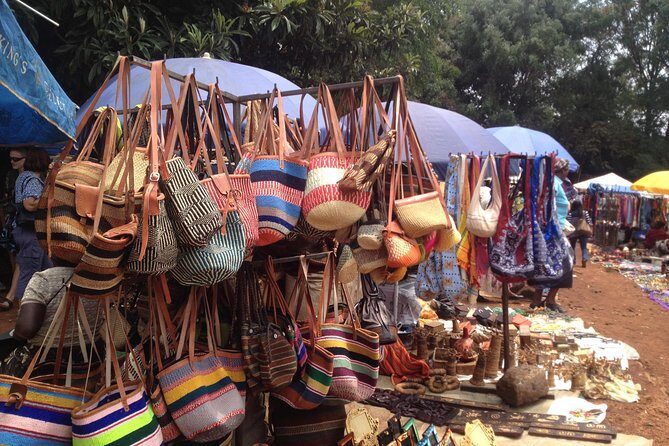
This is an 8-hour Nairobi shopping day built for people who want results. You start at 9:00am, and you’re picked up and dropped back at your hotel. That matters in Nairobi. Traffic and distance can eat a half day fast, especially when you’re trying to hit several places and still carry bags.
The group size is capped at 7 travellers, which keeps the pace realistic. You’ll still be shopping with others, but you won’t feel like you’ve joined a bus tour where the guide is herding everyone toward the next stop. The goal here is to shop with help—what to look for, what’s good quality, and where a fair deal tends to show up.
The price is $90 per person. That sounds simple until you think about what’s included: a professional guide plus round-trip hotel transfers. If you were doing this on your own, you’d be paying for taxis (or negotiating rides repeatedly), and you’d still need to figure out which places are actually worth your time. Here, the guide does the route-building so you can spend your energy on shopping choices instead of logistics.
One more thing: lunch isn’t included. In other words, bring patience at meal time, and plan to grab something when the tour day allows. If you’re prone to getting cranky when hungry, bring a snack.
African Heritage House Museum: textiles and handicrafts on a first-stop foundation
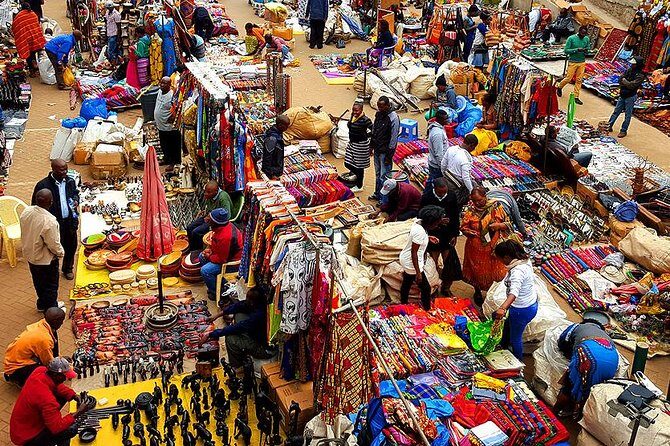
You begin at the African Heritage House Museum on the Carnivore grounds. The first part is the African Heritage Gallery, where the African Trader Gallery focuses on textiles, sculpture, and handicrafts across Africa.
Why start here? Because it gives you a baseline. Before you hit markets and craft counters, it helps to see examples of what quality and workmanship can look like. You can also get your eye tuned to materials, carving depth, weave style, and how pieces are presented. That matters later when you’re comparing similar-looking souvenirs at different price points.
This stop is listed as about 1 hour, and admission is shown as free. That’s a small but real value perk. It also keeps the day from becoming all bargaining and no context.
What to do in your hour:
- Scan for categories you like: textile patterns, wood work, metal work, sculptures.
- Take note of how items are finished. Clean edges and consistent detailing usually cost more, but they’re easier to spot once you’ve trained your eyes for 10–15 minutes.
- If you’re aiming to buy one “signature” piece, decide your target first: masks, jewellery, or a textile-based souvenir.
Potential drawback: this is a gallery setting, not a street market. You’re more in browse-and-learn mode than “grab and haggle” mode.
You can also read our reviews of more guided tours in Nairobi



Utamaduni Craft Centre: a one-roof shortcut for masks, rugs, furniture, and more

Next comes Utamaduni Craft Centre, a big shopping stop where you can find a wide mix of items in one place. The list of what’s available is huge: masks, rugs, furniture, antiques, jewellery, dolls, and even safari clothes like kikoy and sarongs, plus beads.
This is the stop that makes the tour feel efficient. Instead of bouncing between small shops that each specialize in one thing, you get a concentrated shopping area. That helps you compare styles faster and avoid the classic travel problem: you buy your first souvenir too early, then realize the next shop had a better piece for the same money.
The guide’s role is practical here. Ask questions about what materials are used and how items are made. If you care about authenticity, it’s also smart to ask how the pieces are sourced. Even when you’re not buying expensive antiques, you can learn what’s real craft work versus mass-produced copies.
What’s likely easiest to shop at Utamaduni:
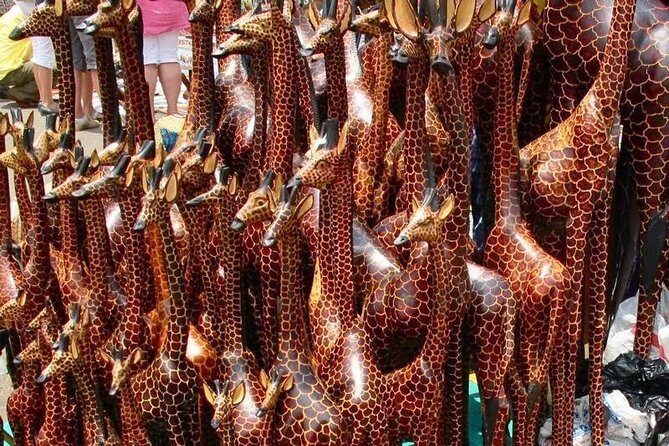
- Wood carvings (you can compare carving quality quickly)
- Beadwork and small accessories
- Textile items like sarongs and kikoy
- Rugs and larger items, if you’re prepared to think about packing
One watch-out: when you’re in a store with a lot of variety, it’s easy to drift into impulse buying. Have a plan before you walk in—set a limit and decide on a few categories you’ll actually carry home.
Kazuri Beads Factory in Karen: small ceramic beads, real craftsmanship
The tour then heads to Kazuri Beads Factory in Karen, at Mbagathi Ridge—not far from the Karen Blixen Museum area.
Kazuri means small and beautiful, and that shows up in what they produce: handmade ceramic beads, jewellery, and pottery. This is a good stop if you want souvenirs that feel different from the typical keychains and mass souvenirs.
You get about 1 hour here, with admission listed as free. In a short time, you can still learn what makes a handmade beaded product feel better than machine-made alternatives:
- Look at bead consistency. Handmade beads often have tiny variations.
- Check how jewellery parts are assembled.
- Notice the finishing and how pieces are presented and protected.
Why this stop is often a crowd favorite: it’s maker-focused. You’re not just window-shopping random items. You’re seeing a craft product line built around a specific material and process.
If you like jewellery, you’ll likely leave with bead-based earrings, necklaces, or bracelet pieces. If you prefer decor, keep an eye out for pottery items that match the textures and colors you already like.
Tip that saves money: if you’re buying multiple items, compare the price-per-piece category instead of only the total bundle. A small difference in bead or finishing quality can change the value a lot.
City Market: where bargaining is normal and the hangar layout affects your choices
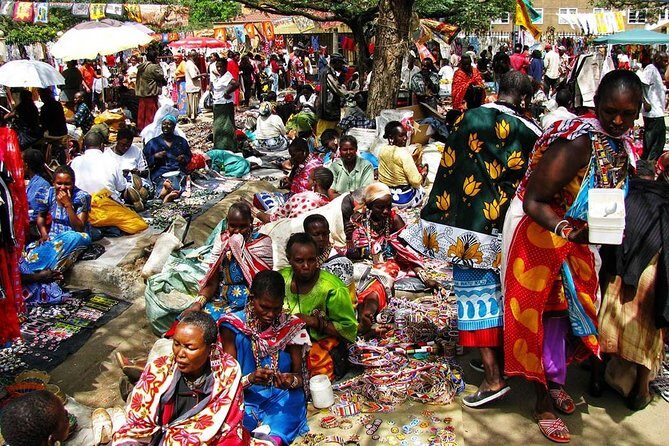
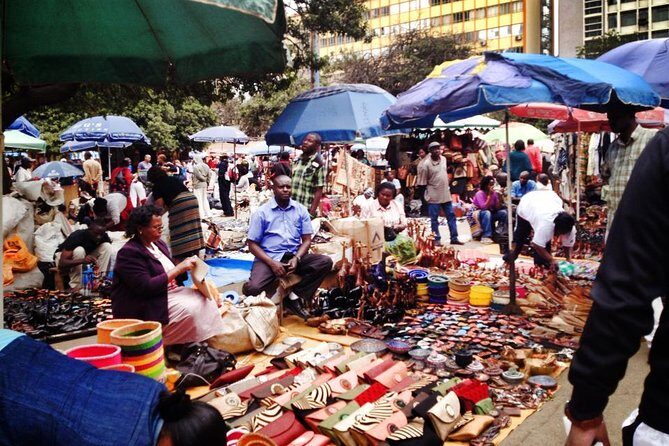
Then you’ll hit Nairobi City Market on Muindi Mbingu Street. This is the bargaining part of the day, and the market is described as a sprawling complex originally built like an aircraft hangar. That layout matters because it changes how you browse.
In a hangar-style market, stalls can feel endless. You can also lose track of which items you saw earlier. This is where you benefit from having a guide: they can help you compare across stalls without you wandering in circles.
You get about 1 hour here, and admission is listed as free. You’ll find curios and other souvenirs, plus food vendors.
What I’d focus on at City Market:
- Masks and carvings if you want variety
- Smaller home items and wall decor
- Any accessory you can pack without drama
Bargaining tip, Kenyan-market style: don’t start with your lowest offer. Start with a friendly, serious question about materials and workmanship. Then negotiate based on quality, not only price. It’s less stressful and it tends to lead to deals that don’t feel like you got played.
Also, keep a mental note of what you’ve already bought at earlier stops. Buying duplicates happens fast when you see similar items back-to-back.
Maasai Market when it’s open: direct-from-women crafts and beadwork
If the conditions line up, you may visit the Maasai Market. It’s run by Maasai women who wanted to sell directly to visitors, and over time it’s grown.
This stop is explicitly conditional: it depends on whether it’s open, and it’s tied to market-day schedules. That means the day you go could include it, or it might be replaced by time in other shops on the route.
The upside is the type of items you’re shopping for. The market is described as strong for arts and crafts, wooden carvings, and beadwork. If you’re looking for pieces that feel like they belong to a cultural maker tradition rather than just general souvenirs, this is the kind of place to look.
Plan for a bit of extra attention to detail. When you’re buying beadwork, check color consistency, stringing or fastening quality, and how well pieces hold shape.
If you’re the type who hates surprises, you’ll want a Plan B in your head: even if Maasai Market isn’t open, the rest of the tour still gives you multiple chances to buy.
You can also read our reviews of more shopping tours in Nairobi



What $90 buys: value, pricing style, and how to avoid souvenir regrets
This tour is priced at $90 per person, and you can get a lot of that value back through what’s included. The biggest value driver is the guide plus hotel pickup/drop-off. The second is the structured route, which saves time, and the third is the mix of stop types: galleries, craft centres, a factory, and a market.
One guest noted they shopped at locations with fixed prices and that the guide knew where to go for good finds. That’s a good sign. Fixed prices don’t eliminate bargaining everywhere, but they can protect you from the worst end of price confusion.
Here’s my practical way to shop smart on a day like this:
- Choose one category for your biggest purchase. Jewellery, a textile, or a carved piece. Then browse the rest as “top-ups.”
- Compare quality at the factory and craft-centre stops. If you can spot the finish differences there, you’ll bargain better later at City Market.
- Keep your bag strategy in mind. Markets can be easy to overbuy at. Pack light if you can.
And since lunch isn’t included, remember your day might cost a little extra for food. Factor that in so the total spend doesn’t surprise you.
Guide style and shop pacing: the real difference between a good day and a frustrating one
A big part of whether this tour feels great comes down to guide style and pace. One named guide—Stephen—stood out in a positive review for being patient and friendly, especially helpful for a solo traveller who didn’t feel rushed. That kind of calm matters when shopping gets overwhelming.
Another review was less happy and said the experience didn’t match expectations, calling it not a tour in the way they wanted it. That’s a reminder to set your expectations before you go: this day is built around shopping stops with guidance, not a deep cultural lecture marathon.
If you want to have a smooth day, do this early:
- Ask how the guide handles pricing and bargaining style at each stop.
- Tell the guide what you’re actually hunting for, like beads, carvings, textiles, jewellery, or homewares.
- If you’re uncomfortable with personal questions, say so politely at the start. You’ll get better guidance when you feel respected.
In markets, a guide can either help you feel in control or make you feel like you’re being pushed. If you get the second vibe, speak up quickly.
Who should book this Nairobi shopping tour
Book it if:
- You want a guided shopping route across multiple maker-style places
- You like the idea of comparing products at a gallery, a craft centre, and a factory
- You’re buying for yourself or as gifts and you want fewer wasted hours
Consider skipping or switching to something else if:
- You hate shopping days and prefer museums or nature time
- You need a structured cultural program beyond shopping
- You’re very strict about meal planning and don’t like that lunch isn’t included
- You want markets only, with no gallery or craft-centre browsing
For families, children must be accompanied by an adult. Most people can join, and the small group size helps keep the day manageable.
Should you book this Nairobi guided cultural shopping day?
Yes, if you want the practical win: hotel pickup, a small group, and a route that takes you from craft foundations to real market bargaining. The stops are well chosen for shopping outcomes, especially if you care about beads, jewellery, textiles, masks, and carved souvenirs.
But book with your eyes open. This is a shopping-focused day, and one key market stop depends on whether it’s open. If you’re the type who likes freedom to roam alone, you might find it a bit structured. If you’d rather get help navigating prices and quality, this is a solid fit.
FAQ
What time does the Nairobi guided shopping tour start?
It starts at 9:00am.
How long is the tour?
The tour lasts about 8 hours.
What is the price per person?
The price is $90.00 per person.
Are hotel pickup and drop-off included?
Yes. Hotel pickup and drop-off are included.
Is lunch included?
No. Lunch is not included.
How many people are in the group?
This tour has a maximum of 7 travellers.
Which places are visited during the day?
Stops include African Heritage House Museum (African Heritage Gallery), Utamaduni Craft Centre, Kazuri Beads Factory, Nairobi City Market, and Maasai Market if open.
Is the Maasai Market guaranteed?
No. The Maasai Market is included if it’s open, which depends on market-day timing.
Is admission free at the stops?
Admission is listed as free for the stops in the itinerary.
What’s the cancellation policy?
You can cancel for a full refund up to 24 hours before the experience’s start time.