REVIEW · NAIROBI
Nairobi national park and elephant orphanage
Book on GetYourGuide →Operated by Nairobi city safaris · Bookable on GetYourGuide
Early morning in Nairobi can feel surreal. You get a real safari drive right at the edge of the city, then you head to the David Sheldrick Wildlife Trust to see rescued elephants up close. I especially like the guided wildlife viewing time in Nairobi National Park and the elephant rehab storytelling that helps you understand what conservation actually looks like on the ground. The only real drawback to plan for is that the tour price does not include the big entrance fees, so your day budget needs a little math.
This is a 7-hour outing with hotel pickup and drop-off across several Nairobi areas (Karen, Westlands, Kileleshwa, and Syokimau among them). The best days tend to come down to your guide and vehicle setup. In the real world, I’ve heard examples like Douglas and William being praised for keeping things lively and making strong animal-spotting happen, but I’ve also seen complaints about vehicle visibility and pickup issues—so it’s smart to confirm details before you go.
In This Review
- Key highlights you should care about
- Nairobi National Park at 6:30 am: wildlife near the capital
- Vehicle setup: comfort matters, but visibility matters more
- David Sheldrick Wildlife Trust: elephants, keepers, and the meaning behind the visit
- Beads Women Factory: a short stop with real local flavor
- Price and value: what the $35 really covers
- The 7-hour rhythm: when to be ready and when to be flexible
- Guides and real-world reliability: what to verify before you roll
- Should you book the Nairobi National Park and Elephant Orphanage tour?
- FAQ
- FAQ
- How long is the Nairobi National Park and Elephant Orphanage tour?
- Where are pick-up locations in Nairobi?
- What are the main stops during the day?
- Is there a guide during the tour?
- Are entrance fees included in the $35 tour price?
- Do you provide food or drinks?
- Is the Beads Women Factory visit included?
- What is the payment/cancellation policy?
- Is the tour wheelchair accessible?
Key highlights you should care about
- Nairobi National Park from sunrise hours: wildlife viewing starting around 6:30 am when animals are most active
- Real conservation focus at David Sheldrick: rescued elephants and keepers’ care explained on-site
- Hotel pickup and drop-off around Nairobi: saves you time and hassle if you’re staying in the city
- A vehicle safari experience (check visibility): comfort is included, but vehicle features can vary
- Good add-on: complimentary beads women factory visit: a cultural stop included in the package
Nairobi National Park at 6:30 am: wildlife near the capital
Nairobi National Park is one of those places that makes you rethink distance. You’re not driving out to a remote corner of Kenya for hours just to start seeing animals. Your day starts early—around 6:30 am—and that timing matters. In the morning, you typically get better chances for sightings, plus the light is better for photos and it feels cooler before the city heat ramps up.
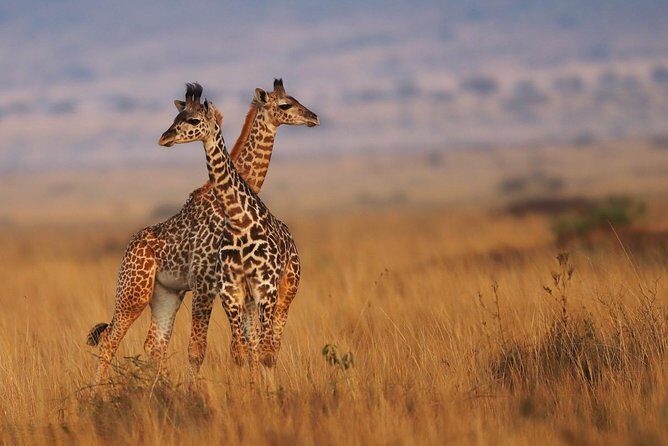
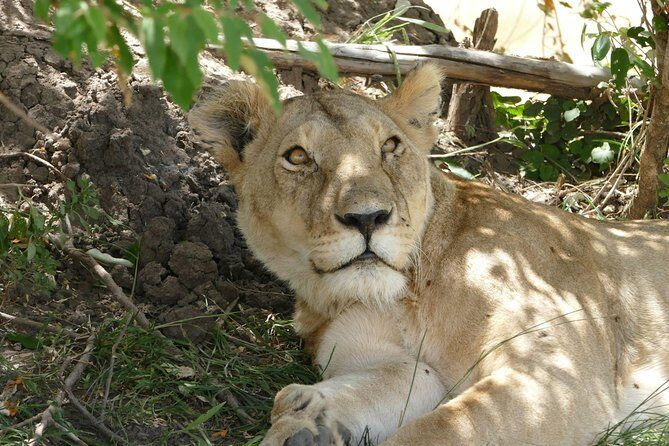
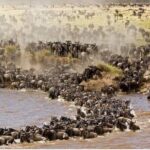
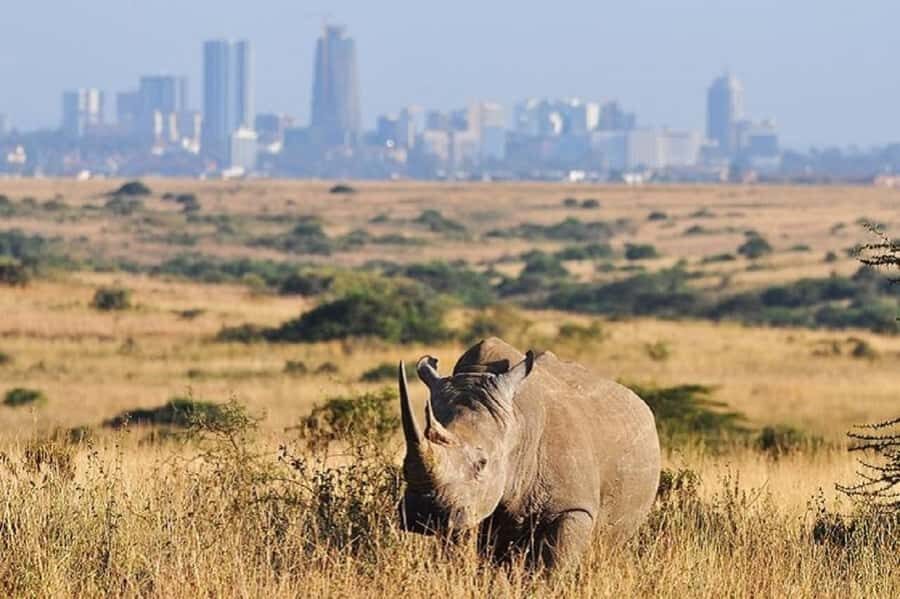
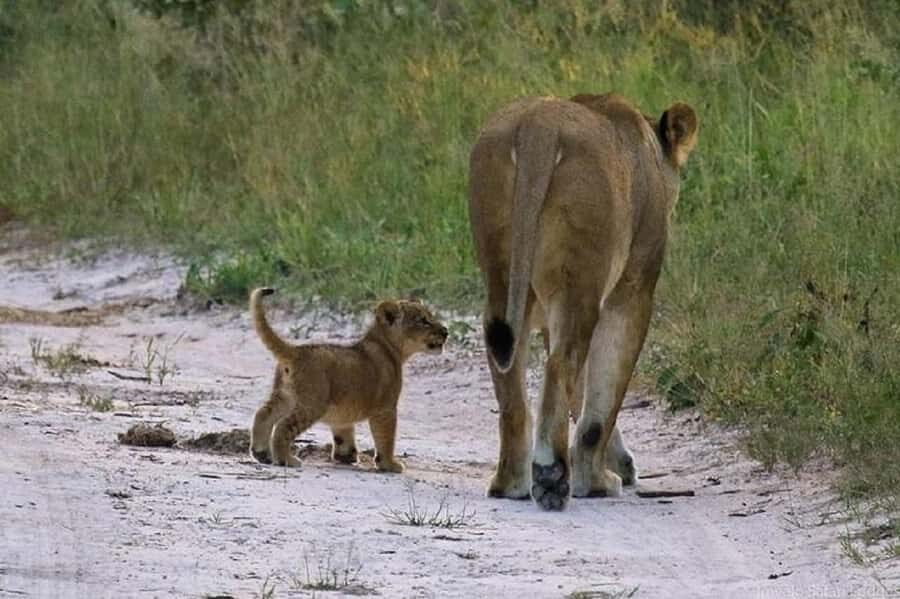
The park portion runs about 3.5 hours with a guided safari drive and wildlife viewing. Expect to scan for the headline species that are part of the Nairobi National Park story: lions, giraffes, zebras, and even rhinos (yes, rhinos are part of what you can hope for here). You’re also looking at a neat contrast: wildlife moving through protected habitat while the skyline sits in the background, which gives the whole experience a very Kenya-in-one-morning feel.
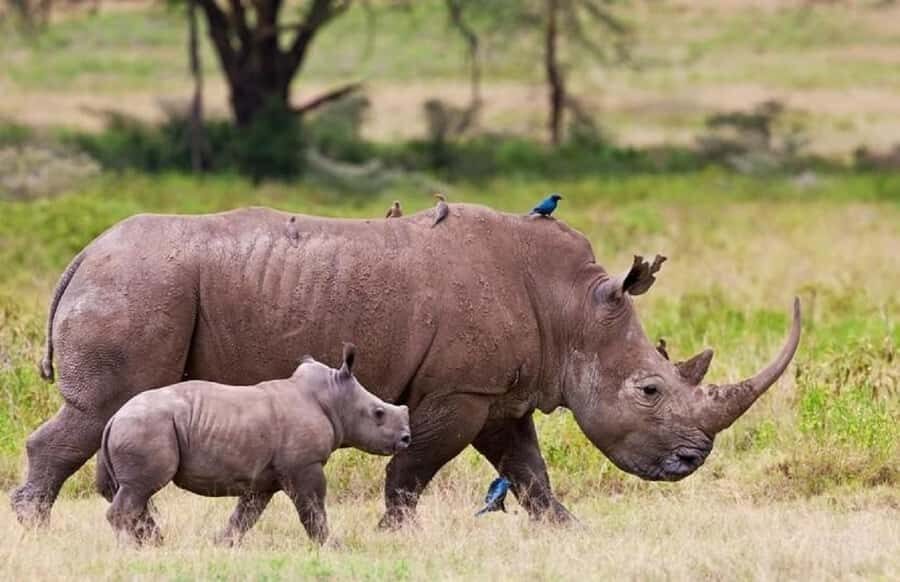
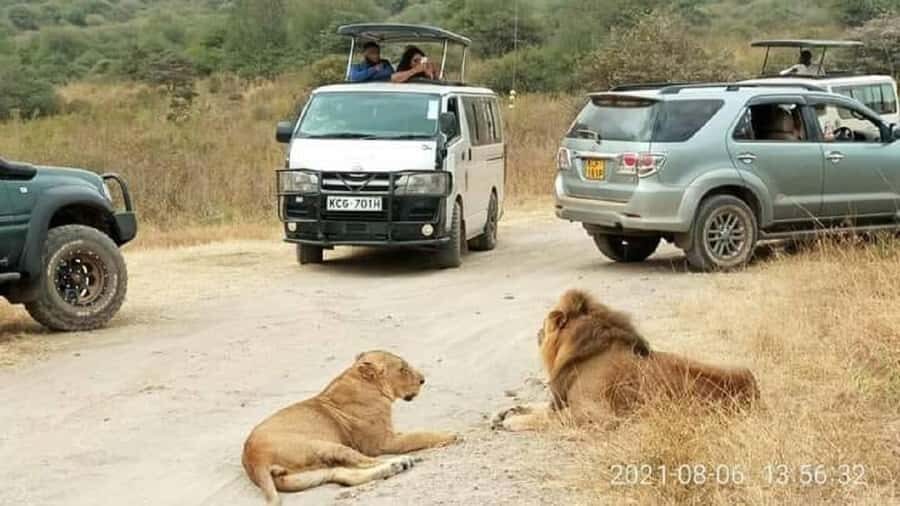
One of the most memorable safari moments people talk about from this route is a rhino sighting involving a very young calf and a lion scene where lions were resting after a nearby kill. You can’t guarantee any specific animal (that would be wishful thinking), but the park’s mix and the morning timing combine to give you a fair shot at something unforgettable.
Practical tip: if you care about photos, dress for the morning (warm layer early, lighter layer later). Also bring a camera strap you can keep hold of when the vehicle is bouncing over uneven ground.
You can also read our reviews of more tours and experiences in Nairobi.



Vehicle setup: comfort matters, but visibility matters more

The tour is described as traveling in a well-equipped safari vehicle, and that’s a big plus for a smooth day. Still, here’s the reality check: not every vehicle is identical, and sightlines can make or break your wildlife viewing.
I’ve seen first-hand complaints about vehicles that did not have the advertised roof-opening feature, plus windows that were tinted and only partially able to open. That combination can reduce how much you can see and how easy it is to shoot photos out of the side. If you’re the type who really wants that classic safari view, you’ll want to pay attention to the specifics.
When you book, you can ask a simple question: do you have a vehicle with a roof opening and fully adjustable viewing windows? Even a quick confirmation helps you avoid a day where you’re stuck shooting through glass and restricted openings.
This also ties into group comfort. When you’re on a safari drive for 3.5 hours, the best experience is the one where you can keep your body comfortable and your eyes working. If you’re sensitive to motion, you might want to sit where you get the most stable ride.
David Sheldrick Wildlife Trust: elephants, keepers, and the meaning behind the visit
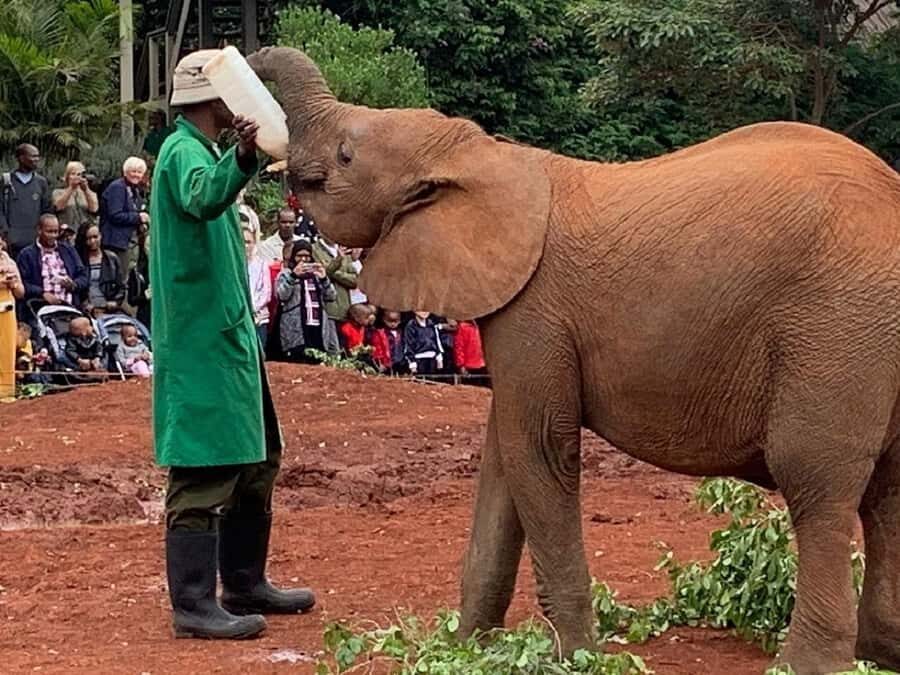
After the park, the day shifts from wide-open sightings to close-up conservation. Your schedule moves you to the David Sheldrick Wildlife Trust around 10:30 am. The time at the sanctuary is about 1.5 hours, including a guided visit and a safety briefing.
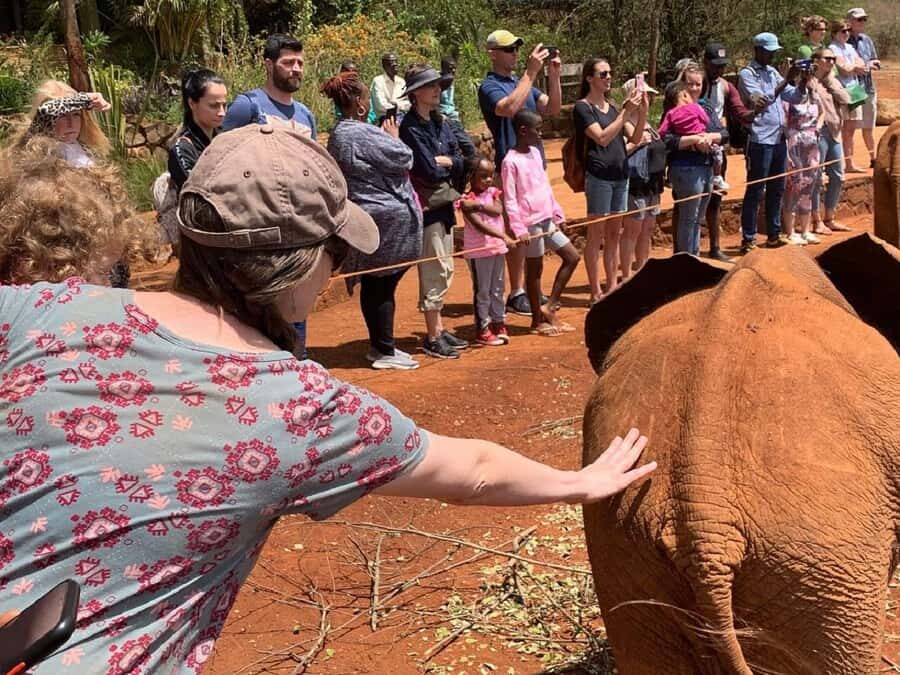
Here’s what makes this stop feel more than just a photo opportunity: you’re learning how rescue and rehabilitation works for orphaned elephants, and you’re seeing how keepers care for them as part of a long-term process. The elephants are the stars, of course, but the human element is what gives the visit weight. It’s a chance to connect animal welfare to real-world actions, not just the idea of wildlife protection.
One helpful detail from real experiences: people who arrive at a good viewing angle often feel the whole visit clicks. There have been mentions of staff who guide guests to an optimal spot, which makes sense—if the crowd is large, the view can change quickly.
Speaking of crowds: the orphanage stop can get busy. Even in a good system, there are limited viewing spaces and you’ll likely be sharing the moment with other visitors. That’s not automatically bad; it just means you should manage your expectations. Go with patience, keep your movements calm, and focus on watching the elephants’ behavior rather than trying to get the perfect angle every second.
Practical tip: the elephant orphanage entry fee is $20 per person and it’s payable only in cash. Bring cash before you arrive so you don’t waste time searching for an ATM.
Beads Women Factory: a short stop with real local flavor
This tour includes a complimentary visit to the Beads Women Factory. It’s not the main event, but it’s a smart add-on when you’re already spending a half-day in and around conservation-focused work.
Why it’s worth paying attention to: it gives you a different side of Nairobi that isn’t about wildlife. Crafts and small business support are a practical part of travel value, especially when the visit is included rather than tacked on as a separate paid excursion.
You’ll likely treat this as a quick cultural pause between the park and the elephant sanctuary. If you enjoy shopping for small, locally made items that don’t feel like generic souvenirs, this is your time to look.
Price and value: what the $35 really covers
Let’s break down the money in a way that helps you plan.
The tour price is $35 per person, and that portion includes:
- Pick-up and drop-off within Nairobi
- A guided experience and safari vehicle transport
- Complimentary Beads Women Factory tour
- Bottled mineral water
Then come the entrance fees, which are not included:
- Nairobi National Park entrance fee: $80 per person, payable by card on the e-citizen website
- Elephant orphanage entry fee: $20 per person, payable only in cash
So your typical day total looks like $35 + $80 + $20 = $135 per person, before food and drinks. Food isn’t included, so you’ll either grab snacks on your own or plan accordingly.
Is it worth it? For most people, yes—if you want both experiences in one day. You’re paying for early transport, guided safari time, and entry into a major elephant rescue and rehabilitation site. You’re not paying for a standalone private driver, so the value depends on whether the vehicle and guide match what you want for wildlife viewing.
Budget tip: carry cash for the orphanage fee, and make sure you handle the e-citizen park payment ahead of time with a card so you don’t get stuck at the gate with the wrong payment method.

The 7-hour rhythm: when to be ready and when to be flexible
This is a 7-hour tour, and it runs on an early schedule. You’ll start your day with hotel pickup options across Nairobi areas including Karen, Westlands, Kileleshwa, Syokimau, and Nairobi. Then the timeline hits the park early, and the elephant sanctuary follows in late morning.
You should assume the day will feel like two concentrated blocks:
- Morning safari drive and viewing (about 3.5 hours)
- Late-morning sanctuary visit (about 1.5 hours), plus travel time between stops
That structure is good if you want a full wildlife-and-elephants day without losing your entire afternoon. It can also be a bit tiring if you’re used to late starts, so set expectations for an early morning pickup.
Also note what’s not included: food and drinks. If you’re prone to getting cranky when hungry, pack a snack and keep water handy. Yes, bottled mineral water is included, but it’s not always enough to carry you through a long morning plus travel.
Guides and real-world reliability: what to verify before you roll
A big part of whether this day feels smooth is how well your pickup and communication happen.
On the plus side, there are reports of guides like Douglas keeping the day fun and animal-focused, and other experiences where William worked hard to make sure guests saw as much as possible in the park. When that happens, the visit feels like it has momentum and you’re not just sitting in traffic waiting for something to happen.
On the caution side, there have been complaints about communication gaps and even one case where someone wasn’t picked up and messages weren’t answered. That’s rare, but it’s enough to treat pickup confirmation as part of your responsibility.
Here’s what I recommend you do:
- Confirm your pickup location clearly (street or neighborhood point, not just the area name)
- Keep your phone available early morning for any driver updates
- If you don’t get a clear response before the tour, follow up again the day prior and the morning of
This isn’t about being anxious. It’s about getting the day you paid for.
Should you book the Nairobi National Park and Elephant Orphanage tour?
Book it if you want a high-impact day with two conservation-focused stops that fit into a 7-hour schedule. This is especially good for first-time Nairobi visitors who want wildlife viewing without complicated logistics, and for elephant lovers who want to understand rescue and rehabilitation—not just see animals from a distance.
Skip or adjust your expectations if:
- You’re extremely sensitive to vehicle visibility and want a very specific window/roof setup
- You dislike busy, crowded viewing environments
- You don’t want to manage entrance fees separately (because $80 park and $20 cash elephant entry fees are on top of the $35 tour price)
If you do book, you’ll get the most from the experience by preparing for the early morning, carrying cash for the sanctuary, and taking vehicle visibility seriously.
FAQ
FAQ
How long is the Nairobi National Park and Elephant Orphanage tour?
It runs for about 7 hours.
Where are pick-up locations in Nairobi?
Pick-up options include Karen, Westlands, Kileleshwa, Syokimau, and Nairobi.
What are the main stops during the day?
You’ll visit Nairobi National Park for wildlife viewing and then head to the David Sheldrick Wildlife Trust Elephant Orphanage.
Is there a guide during the tour?
Yes. You’ll have a live English-speaking tour guide.
Are entrance fees included in the $35 tour price?
No. Nairobi National Park entrance fees are $80 per person (paid by card on the e-citizen website), and the elephant orphanage entry fee is $20 per person (paid only in cash).
Do you provide food or drinks?
Food and drinks are not included. Bottled mineral water is included.
Is the Beads Women Factory visit included?
Yes. A complimentary tour to the Beads Women Factory is included.
What is the payment/cancellation policy?
You can reserve and pay later. Cancellation is allowed up to 24 hours in advance for a full refund.
Is the tour wheelchair accessible?
Yes, it’s listed as wheelchair accessible.
—
If you want, tell me your Nairobi neighborhood and your travel style (early riser vs. not, photo-focused vs. relaxed). I’ll suggest the smartest way to plan the day around those entrance fees and morning timing.