REVIEW · MOUNT KENYA
From Nairobi: Mount Kenya National Park Full-Day Hike
Book on GetYourGuide →Operated by GRACEPATT SAFARIS · Bookable on GetYourGuide
Six hours on Kenya’s big mountain, then dinner in Nairobi.
This hike is interesting because it keeps the day moving: Naro Moru route up, 6-hour hike on the mountain, and you still get back to Nairobi afterward. I love the combination of lush rainforests plus guide-led bird and animal spotting, and I also like the way you get views of Mount Kenya’s peaks—Batian, Nelion, and Lenana—without needing a multi-day summit trek. One thing to consider: it’s strenuous and you’ll spend a good chunk of the day in a vehicle, so it’s not a casual outing.
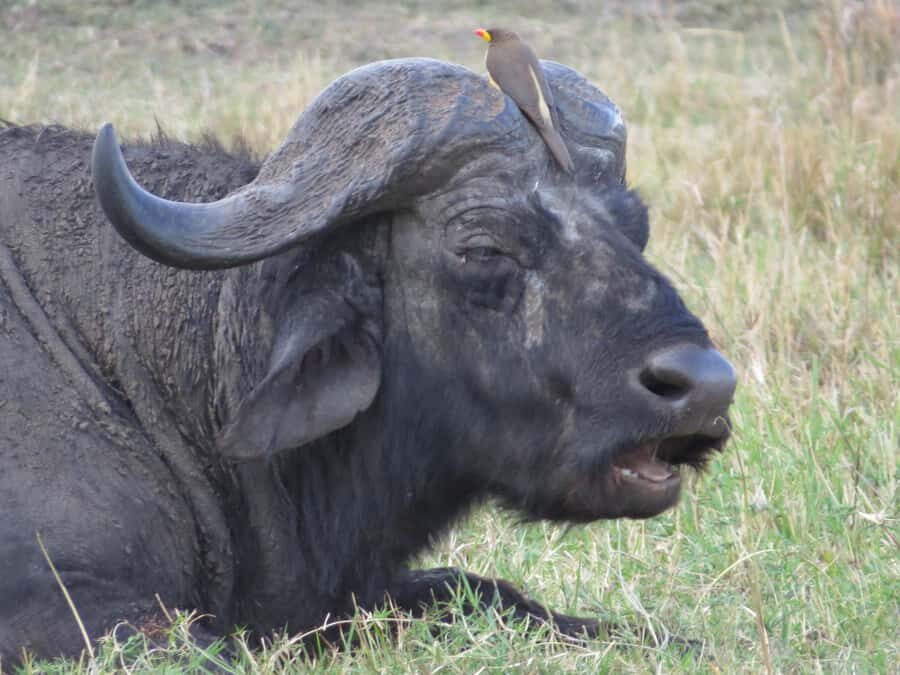
You’ll start with an early Nairobi pickup and a drive into Mount Kenya National Park, a UNESCO World Heritage Site. The park is a great stage for wildlife—elephants, Cape buffalos, and monkeys (including black-and-white colobus)—and the small-group size (up to 15) helps keep the pace comfortable with your English-speaking guide. Reviews also mention the guide’s pacing was spot-on (one guide named Jj), which matters when you’re climbing and descending on a tight half-day schedule.
In This Review
- Key things I’d bet on (before you go)
- From Haile Selassie Avenue to Naro Moru Gate
- The 9:00 AM start: why the timing works
- Climbing through rainforest: where the day starts to feel alive
- Peak views near the Meteorological Station (no summit required)
- Heading down through the bamboo forest
- Wildlife spotting: how to make it actually happen
- The packed lunch and the 2:00 PM return rhythm
- Fitness and gear: the simple checklist that prevents problems
- Price and value: what $565 is really paying for
- Who should book this Mount Kenya hike (and who should skip it)
- Should you book this tour?
- FAQ
- How long is the hike part of the day?
- What route do you take on Mount Kenya?
- Where does the hike turn around?
- What time do you return to Nairobi?
- What’s included in the price?
- What should I bring for the hike?
Key things I’d bet on (before you go)
- Rainforest to bamboo forest in one day: you’ll change scenery as you go, not just walk uphill.
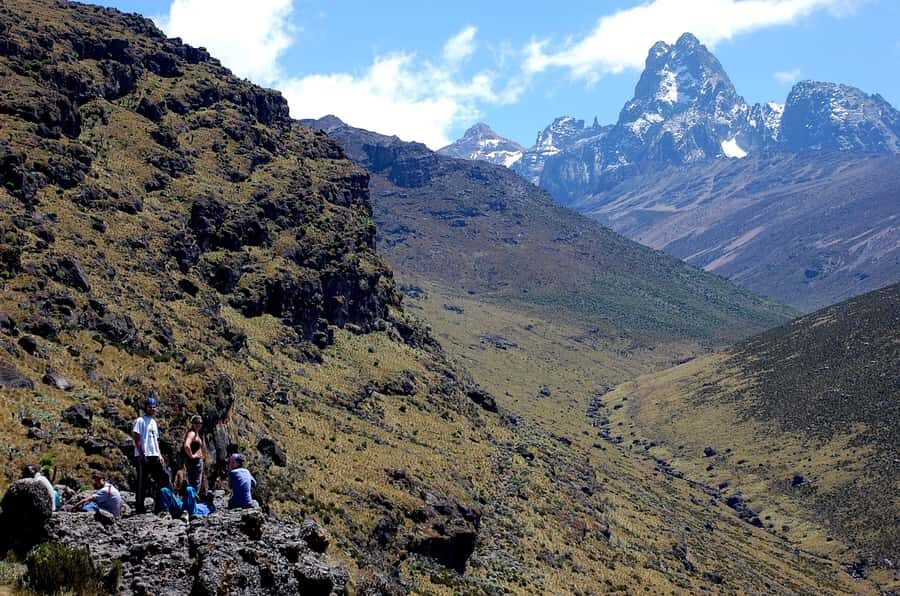
- Peak views without a full summit push: you can see Batian, Nelion, and Lenana from a few hundred meters away.
- Wildlife and birds are part of the hike: your guide points out what’s around you as you walk.
- A real mountain feel, still timed for Nairobi: reach the Meteorological Station around noon, then head back by about 2:00 PM.
- Small group support: limited to 15 participants, which helps with pacing and attention.
- Extra help is possible: you can hire porters if you have bulky luggage.
From Haile Selassie Avenue to Naro Moru Gate
Your day starts with pickup from your hotel area in Nairobi, with one pickup point being Haile Selassie Avenue. Then it’s a long road transfer into Mount Kenya National Park. This isn’t the kind of tour where you “warm up” with a short drive and then magically start hiking. Plan for travel time. The schedule shows a van ride of about 7 hours, plus a 3-hour drive back after you finish on the mountain.
That matters because your experience depends on energy management. You’re going to hike for about 6 hours, so the less time you feel frazzled before you start, the better. If you’re prone to getting stiff in the car, stretch when you can, and keep your daypack organized so you’re not digging for sunscreen five minutes into the climb.
The 9:00 AM start: why the timing works
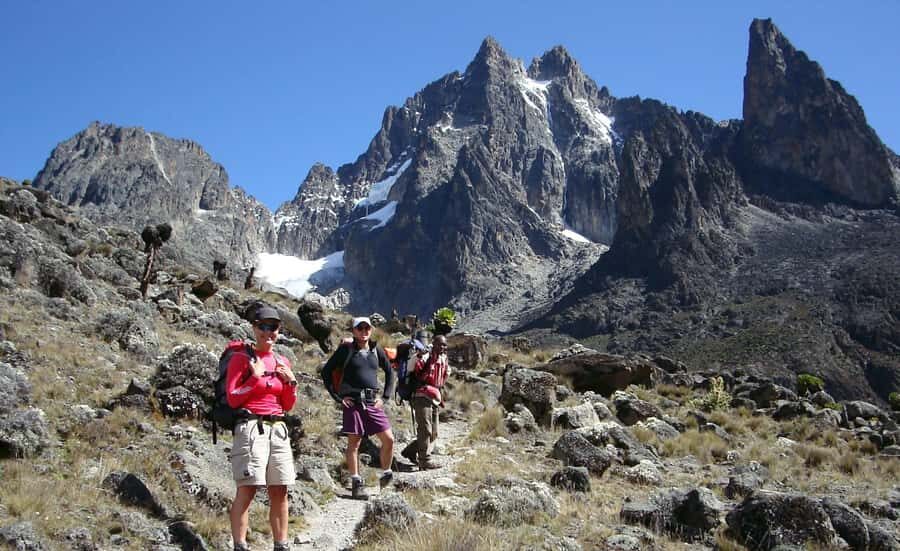
You begin the hike at the Naro Moru Gate around 9:00 AM. Starting earlier is a big deal on high terrain, even if your hike is only half a day. You’ll get fresh morning light, steadier conditions, and you’ll also protect your schedule so you can make the return timing.
You’re not aiming for the summit. Mount Kenya is so significant that people commonly take 3 to 5 days to climb and come back. This tour gives you a strong taste of the mountain: you’ll climb up toward the Meteorological Station, then turn around and go down the same general corridor.
The biggest value of that timing is that it’s a balance. You get a proper hike and a chance at wildlife, but you also get back to Nairobi in time for dinner, which changes the emotional vibe of the day. Instead of feeling trapped in “adventure mode” for days, you get a day trip that still feels real.
Climbing through rainforest: where the day starts to feel alive
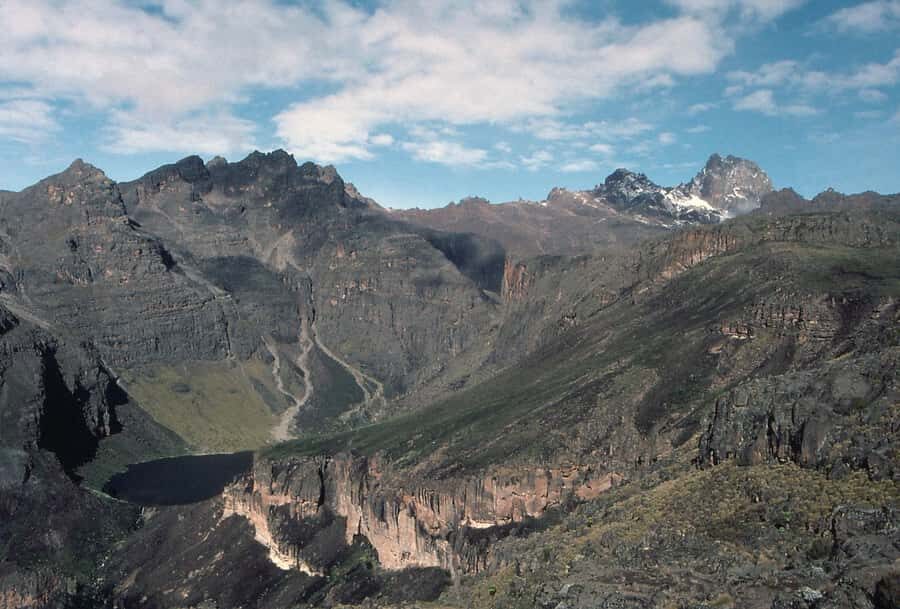
Once you begin at Naro Moru, you’ll hike through lush rainforests. This is one of the most appealing parts of the experience because rainforest hiking doesn’t feel like a monotonous grind. The air, the sounds, and the constant change in what’s around you keep you alert—and your guide is there to help you notice more than you would on your own.
This is where you’ll likely connect with the park as a living ecosystem. Your guide will talk about the flora and fauna you pass. The park area is inhabited by animals including elephants, black-and-white colobus, monkeys, and Cape buffalos. You may also catch birds in the mountain forests.
Practical tip: don’t just stare at the view line all day. When your guide stops or slows, it’s usually for a reason—eyes level for birds, slower steps for wildlife. If you rush, you’ll miss the small moments that make a hike like this feel special.
Also, this rainforest section is a good test of your shoe choice. Comfortable shoes matter because your feet will be the limiting factor before your lungs do.
Peak views near the Meteorological Station (no summit required)
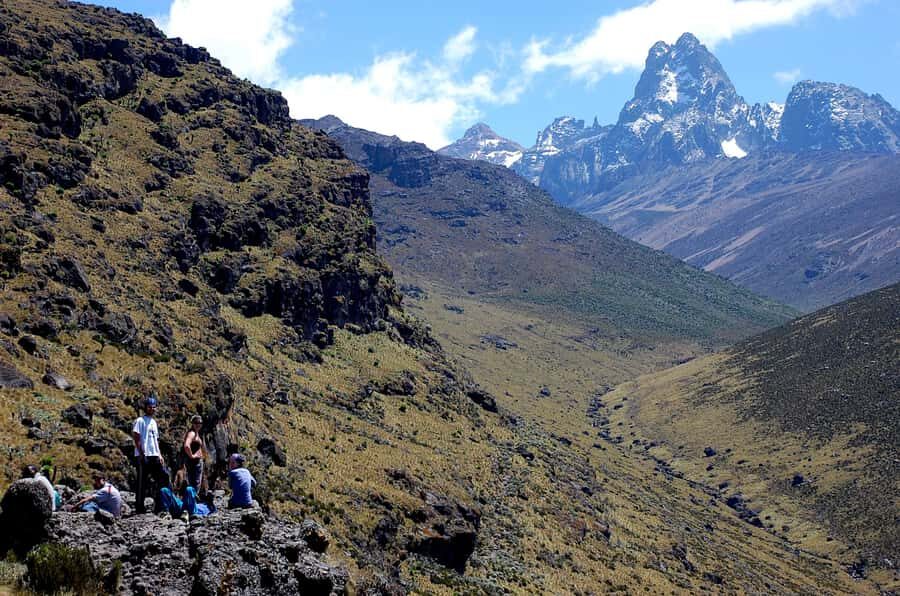
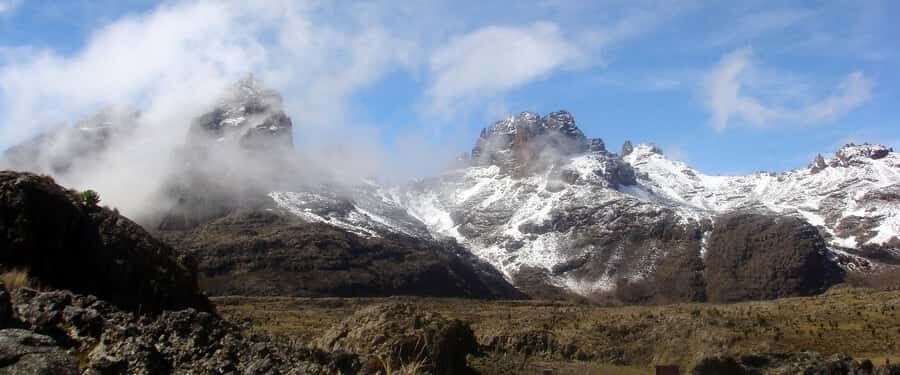
Around noon, you reach the Meteorological Station and then start heading back down. Even though you’re not going for the summit, you’ll still get rewarding sights. One of the highlights is seeing Batian, Nelion, and Lenana from a few hundred meters away.
That’s a smart way to do Mount Kenya if you’re aiming for a strong day without turning it into a weeks-long training project. You get the feeling of scale—those peaks are the reason hikers dream about this mountain—while your body gets the benefit of a planned turnaround time.
What I like about this is the clarity. You always know where you are in the story: climb, reach the station, then descend. That structure keeps the day from feeling vague or exhausting in a way you can’t measure.
If the weather is clear, the station area and the surrounding viewpoints can be your moment for photos. If it’s not, the value still holds. You’ll have already hiked through rainforest, and you’ll still be descending through another distinct forest zone.
Heading down through the bamboo forest
After you turn around, you’ll head back down through the bamboo forest. This is more than a scenic bonus. Forest changes can be a breathing strategy. Different terrain and vegetation affects how your brain feels during the descent, and that matters when you’re tired.
Downhill is where people often feel it in their knees and ankles. So take the pace your guide sets seriously. If you’re lucky enough to have a guide like Jj (named in one of the standout experiences), you’ll notice they often choose a pace that matches your group—steadier than trying to “win” the hike in your own time.
One more practical note: bamboo areas can look like a place to pause, but keep moving safely. Watch your footing, especially if the trail is slick or shaded.
Wildlife spotting: how to make it actually happen
This tour promises the chance to see animals like elephants, buffalos, rhinos, antelopes, and more. It also lists park residents such as Cape buffalos, plus black-and-white colobus and monkeys. Realistically, wildlife sightings are never guaranteed on a single hike—but you can stack the odds by doing two simple things:
1) Walk at the pace your guide recommends so you don’t rush past active areas.
2) Look up and around, not only forward. Birds in mountain forests often show up where you’d least expect if you’re locked onto your next step.
The rainforest and bamboo forest sections are also where you’ll likely notice more bird activity because the vegetation structure gives birds places to perch and move.
And even if you don’t see the bigger animals, wildlife spotting isn’t just about the headline species. Hearing calls, noticing movement, and learning what the guide is pointing out makes the whole hike more than exercise.
The packed lunch and the 2:00 PM return rhythm
You’ll arrive back at the Naro Moru gate around 2:00 PM. Then you get a well-deserved packed lunch. This is a smart design feature for this specific day trip. A packed lunch prevents the “where do we eat?” scramble, and it keeps you from losing time before the drive back to Nairobi.
After lunch, you’ll take the 3-hour drive back. That’s how the tour keeps its main promise: you can do a challenging mountain experience and still be home for dinner.
If you’re the type who gets grumpy from being hungry, treat this lunch as part of the plan, not an afterthought. Eat when offered, not when you feel like it. A long day plus elevation work makes energy dips happen faster than you expect.
Fitness and gear: the simple checklist that prevents problems
This is a strenuous hike. The tour notes that you should be at least moderately physically fit. If you’re used to regular walking but not steep or steady climbs, take that as your cue to prepare.
Here’s what you should bring, based on the tour guidance:
- Comfortable shoes and hiking shoes
- Sun hat
- Sunscreen
- Water (the tour includes bottled drinking water, but you should still bring your own)
- Food and drinks plus trail snacks
- A practical plan for whatever weather you’re facing that day
I’d also recommend you pack snacks that don’t melt in your daypack and a small layer for morning cloud cover (the data doesn’t specify weather, but mountain days love to change their mood).
And one more smart move: keep your water easy to access. If you’re stopping constantly because you can’t find your bottle, you’ll burn energy you need for the climb.
Price and value: what $565 is really paying for
At $565 per person for a 12-hour day, it’s not a cheap outing. But it’s also not just “a hike with a guide.” You’re paying for the full package: transportation to and from Nairobi, pickup and drop-off to your hotel, a professional mountain guide, a packed lunch box, and bottled drinking water. The tour is also small group, limited to 15 participants.
Here’s how I think about value for this specific experience:
- If you tried to organize this independently, you’d likely spend time coordinating transport, park entry logistics, and hiring local guiding support. That coordination time is real money in itself.
- The guide is a big part of what you get: wildlife and bird spotting, plus explanations about flora and fauna along the way.
- The schedule is built for an all-in-one day. You’re not committing to multi-day camping, porters, and a longer wilderness timeline.
So yes, it’s pricey. But if you want a structured Mount Kenya hiking day without turning the trip into a logistical project, the cost starts to make sense.
Who should book this Mount Kenya hike (and who should skip it)
This tour is best for you if:
- You want a strong mountain hike without a 3–5 day summit commitment.
- You enjoy nature walking that includes wildlife and birds, not just scenery.
- You can handle 6 hours of hiking and don’t mind a longer car day from Nairobi.
It may not be for you if:
- You’re pregnant, or
- You have mobility impairments (it’s listed as not suitable for these).
And if you’re carrying bulky items, ask about help. One experience mentions you can hire porters if you have bulky luggage.
Should you book this tour?
I’d book it if you’re craving a real Mount Kenya day and you want the sweet spot: rainforest up, bamboo forest down, peak views near the Meteorological Station, and still being back in Nairobi afterward.
Skip it if you want an easy stroll, or if the idea of a full 6-hour strenuous hike feels like a stretch right now. Also, be honest about the travel day. This is a long ride day, so pack smart and don’t treat it like a quick nature break.
If you match the fitness level and you value a guided day with wildlife potential, this tour is a solid way to experience Mount Kenya without signing up for a multi-day summit trek.
FAQ
How long is the hike part of the day?
You’ll hike for about 6 hours total, going up toward the Meteorological Station and then returning down.
What route do you take on Mount Kenya?
The tour uses the famous Naro Moru route, starting at Naro Moru Gate.
Where does the hike turn around?
You reach the Meteorological Station at around noon, and then you begin the descent back down.
What time do you return to Nairobi?
You arrive back at the Naro Moru gate around 2:00 PM and then take about a 3-hour drive back to Nairobi.
What’s included in the price?
Transportation to and from Nairobi, hotel pickup and drop-off, a packed lunch box, bottled drinking water, and the services of a professional mountain guide are included.
What should I bring for the hike?
Bring comfortable shoes (and hiking shoes), a sun hat, sunscreen, water, and trail snacks/food and drinks.