REVIEW · NAIROBI
4 Day Mount Kenya Trek Up Chogoria Down Sirimon
Book on Viator →Operated by wilderness Alternative Expedition · Bookable on Viator
Mount Kenya by Chogoria feels like a guided tour of the mountain’s best features. This 4-day route stacks together alpine rock ledges, big-name tarns, moorland ridges, and a summit morning that starts in the dark. You go up the scenic Chogoria side and come down through the Sirimon forests for a satisfying traverse.
I especially like how the walk is built around places you can actually point at: Lake Ellis, Lake Michaelson, the Temple cliffs, and the Austrian Hut position before the summit push. The other big plus is the way the experience is run for real people, with a small group limit (max 12) and a licensed guide leading the whole thing. One thing to consider up front: you’re dealing with altitude and steep, rocky footing, and Day 4 is early and demanding.
In This Review
- Key things I’d bookmark before you go
- Why the Chogoria Route Feels Like a Mountain Walkthrough
- Getting From Nairobi: Pickup, Timing, and Your First Climb Day
- Day 1: Chogoria Banda to Lake Ellis Through Hargenia Forest and Nithi Water
- Day 2: Forest Glades to 4200m Lake Michaelson and the Gorges Views
- Day 3: The Temple Cliff Drop to Austrian Hut at 4790m
- Day 4: 04:30 Summit Start, Loose Scree, and the Via Ferrata Section
- Sirimon Descent on Forest Tracks: Comfort After the High Rock
- What’s Included for Value: Tents, Licensed Guide, and Meal Coverage
- Fitness, Altitude, and Rope-Assisted Reality Checks
- Price and Logistics: Is $900 Worth It for a Summit Route?
- Who This Trek Suits Best (and Who Should Rethink It)
- FAQ
- FAQ
- What route is the trek using?
- How long is the trek and what does it cover?
- What time do you start the summit day?
- Is pickup from Nairobi included?
- What meals are included?
- What is not included in the price?
- Should You Book This 4-Day Mount Kenya Trek Up Chogoria and Down Sirimon?
Key things I’d bookmark before you go
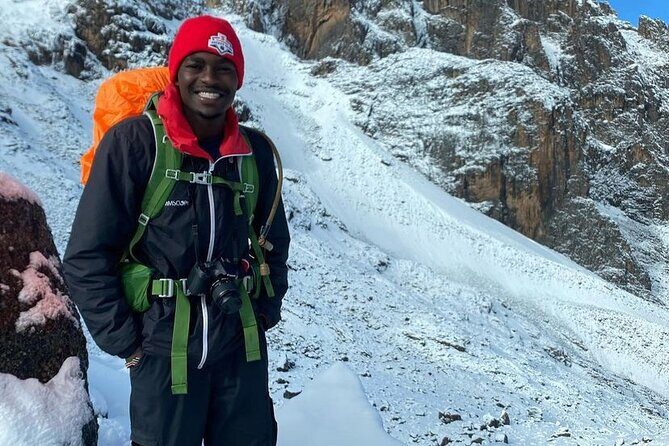
- Chogoria’s “Temple” zone: the route hugs spectacular cliff country and views over Hall Tarns and Lake Michaelson
- High camps with purpose: Lake Michaelson (4200m) and Austrian Hut (4790m) set you up for an efficient summit morning
- Day 4 is the big day: a 04:30 start, loose scree caution, and a rope-assisted via ferrata section near the top
- Sirimon descent completes the story: forest tracks bring you back down to earth and end with breakfast at Shipton’s Camp
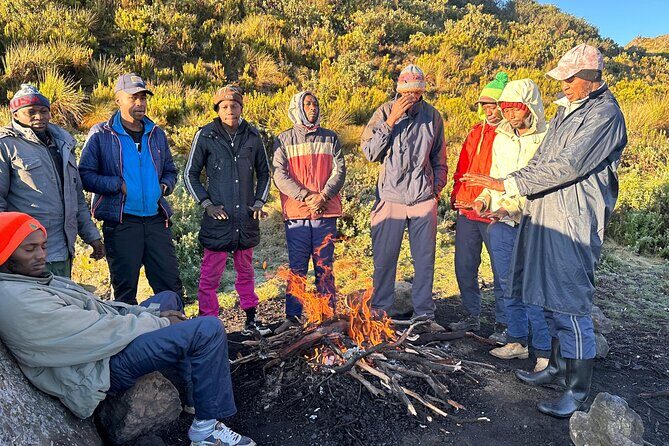
- Small-group feel: maximum 12 travelers, with a licensed guide and team support
Why the Chogoria Route Feels Like a Mountain Walkthrough
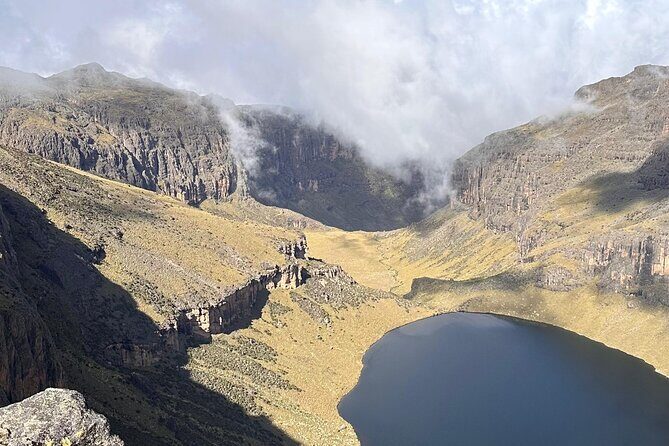
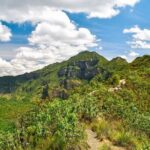
Chogoria is a classic choice for a reason: it doesn’t just funnel you through one long glacial valley. Instead, it curves around the head of the Temple, so you keep getting new angles on the rock ledges, tarns, and cliff drops. The Hall Tarns perch above, while Lake Michaelson sits down in the base of the Amphitheatre like a destination you can slowly work toward.
The “Temple” area is also where the mountain starts to feel less like a hike and more like a place with drama. You’re not only moving uphill; you’re reading the mountain as you go—seeing where water collects, how the ridges connect, and how the trail changes from forest glades to moorland and alpine rock.
My only caution is practical: Chogoria demands attention underfoot. There are steep sections, high elevations, and loose rock on the summit approach. If you want a relaxed stroll with minimal risk, this isn’t that kind of trek.
You can also read our reviews of more hiking tours in Nairobi
Getting From Nairobi: Pickup, Timing, and Your First Climb Day
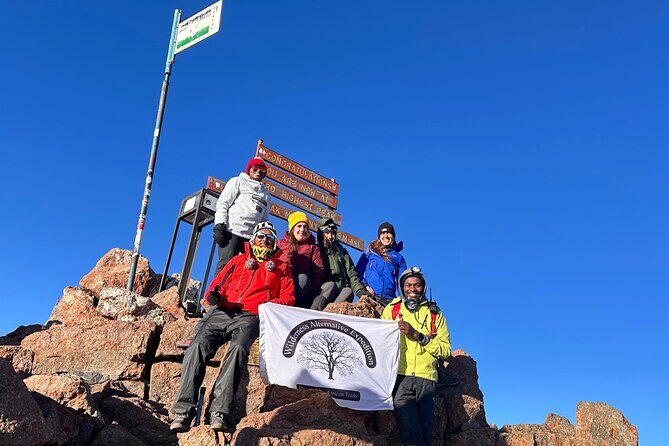
The tour starts in Nairobi, with transport from Nairobi provided and pickup offered. The meeting point is Jomo Kenyatta International Airport in Embakasi. The listed start time is 12:00 am, so do yourself a favor and confirm the exact pickup time when you book so you can match flights and avoid a last-minute scramble.
You’ll drive from Nairobi up toward Chogoria town, then continue by 4×4 to where the trek begins at Chogoria Banda. That 4×4 segment matters because it gets you into position for the first hike without burning energy on road time.
This trek also keeps a clear rhythm: early mornings when you need them, and camp nights at big points on the route. That’s helpful if you want a guided experience that’s organized, not improvised.
Day 1: Chogoria Banda to Lake Ellis Through Hargenia Forest and Nithi Water
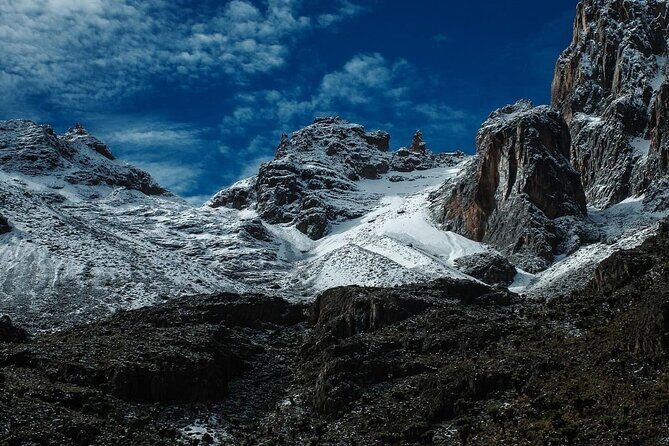
Day 1 is your on-ramp. After lunch in Chogoria, you take the 4×4 ride to Chogoria Banda, then start hiking toward Lake Ellis. The day is listed as about 10 km with roughly 650 m ascent, spread across a full day pace (plan on around 3 hours plus breaks and transitions).
What makes this first walking day satisfying is the mix. You move through Hargenia forest and tussock grass, so the footing and feel of the path change as you go. You’re also treated to a string of natural features along the way, including River Nithi and Nithi Falls. These aren’t just scenic stops; they help break up the mind-numbing monotony that some hikes can create.
You’ll also pass key visual landmarks tied to the Chogoria “best-of” theme: views of Mugi Hill and the Giant’s Billiard Table. By the time you reach Lake Ellis, you understand why Chogoria is considered so magnificent—the trail keeps pointing you toward the mountain’s signature shapes.
The day ends with camping at Lake Ellis, plus a bonfire moment and supper. For many people, that’s the best way to shift gears after a first climbing day: hot food, a fire, and time to breathe before the real altitude work begins.
Day 2: Forest Glades to 4200m Lake Michaelson and the Gorges Views
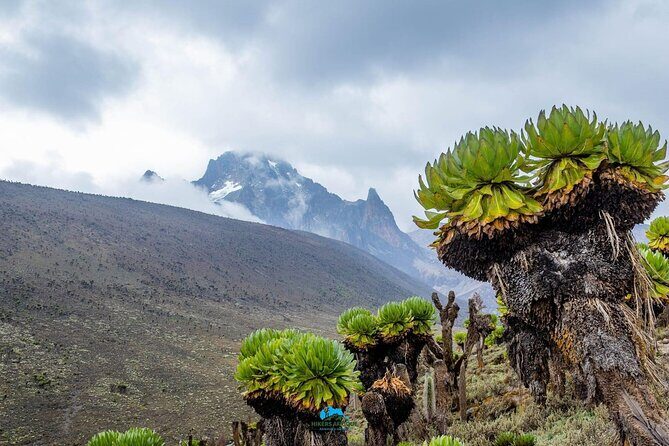
After breakfast, Day 2 starts with a climb through montane forest glades, then gradually shifts away from Lake Ellis on the west side. From there, the trail travels across moorland to a ridge that reconnects with the main Chogoria line.
This is where the scenery expands. You get views over the Gorges Valley, with back looks toward Ithanguni and the Northern Moorlands. It’s the kind of “stop and stare” walking that makes the effort feel justified, because you can see progress in every direction.
Lunch is served at a small stream crossing, then you continue for about another hour to Lake Michaelson (4200m), where you rest for the night. That camp at 4200m is a big deal. You’ll likely feel the altitude more than on Day 1, so take it slow, sip water steadily, and don’t treat your first minutes at camp like a time trial.
Dinner and overnight are at Lake Michaelson camp, giving you a night positioned for the next day’s dramatic Temple-area walking.
Day 3: The Temple Cliff Drop to Austrian Hut at 4790m
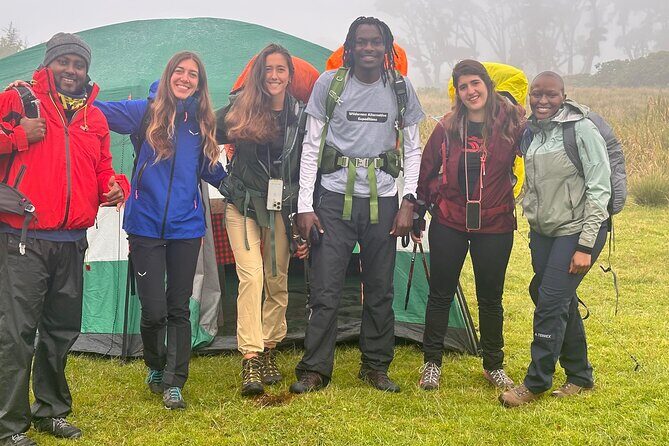
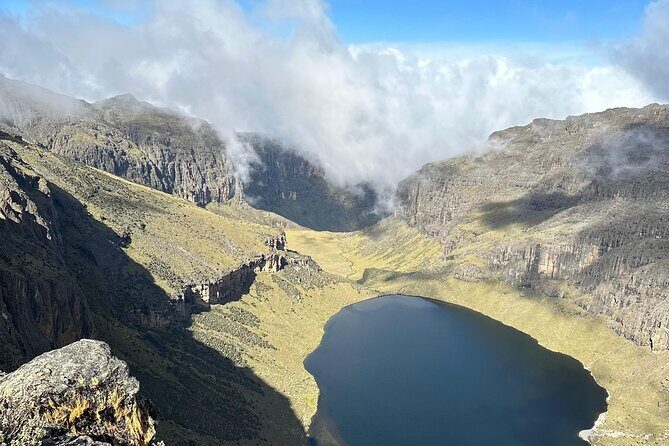
Day 3 is about setting yourself up for a summit that isn’t far away. After breakfast, you walk from Lake Michaelson toward the Temple cliff drop, and the view is the point. You’re essentially standing where the mountain begins to show its steep interior angles, with Lake Michaelson framed below.
Then you proceed to circumnavigate the peaks around the mountain to reach Austrian Hut (4790m). The hut sits at a vantage point, and the key advantage here is timing and positioning: with a night at 4790m, your summit push can be shorter than it would be from much lower camps.
You’ll sleep at Austrian Hut after dinner. Mentally, I think this day is where you should shift from “tour mode” to “summit mode.” Keep your steps conservative, protect your breathing on any steeper ground, and be ready for an early start that will feel like a sprint even if you go slowly.
A few more Nairobi tours and experiences worth a look
Day 4: 04:30 Summit Start, Loose Scree, and the Via Ferrata Section
This is the day you came for, starting at 04:30. You walk up a rope-lined steep path toward the summit, and the itinerary notes that the scree is loose in this section. That means you need steady footing, a controlled pace, and enough attention that you’re not just scanning for photos.
The timing is also part of the magic. You get the crack of dawn and sunrise from the eastern side of the Chogoria route. It’s one of those “you remember it forever” mountain moments because the light changes fast and the slope is steep enough that your body feels the shift from night to morning.
Near the top, there’s a via ferrata section described as the highest in the world. You’ll have ropes and protection on this assisted climbing route, which is designed to be safer than scrambling on your own. Still, you should treat it with respect: keep your movements deliberate and don’t rush hand or foot placements.
After reaching the summit, you’ll take photos and spend a short time enjoying the view, then start down. The plan is to descend west via the Sirimon route, then get breakfast at Shipton’s Camp.
From there, you walk down 14 km to Old Moses Camp, arriving later in the afternoon. A short farewell ceremony closes out the trek before transport back to Nairobi, arriving late in the evening.
Sirimon Descent on Forest Tracks: Comfort After the High Rock
There’s a reason the route pairs Chogoria with Sirimon. Chogoria builds you into high country; Sirimon helps you come back down without making the descent feel like a second summit.
As you descend, you go through forest tracks, which tends to feel cooler, less exposed, and easier on the mind after rocky alpine walking. The itinerary completes the traverse of the mountain, and that matters: you’re not just going up and down the same way.
The breakfast at Shipton’s Camp is a practical morale boost after a summit morning. Then the final long walk to Old Moses Camp gives you that “we really finished” feeling, with the ceremony as a human touch that turns a logistics-heavy day into a shared moment.
What’s Included for Value: Tents, Licensed Guide, and Meal Coverage
This is not a bare-bones summit sprint. The included package covers key costs and reduces decision fatigue once you’re on the mountain:
- Transport from Nairobi (and pickup is offered)
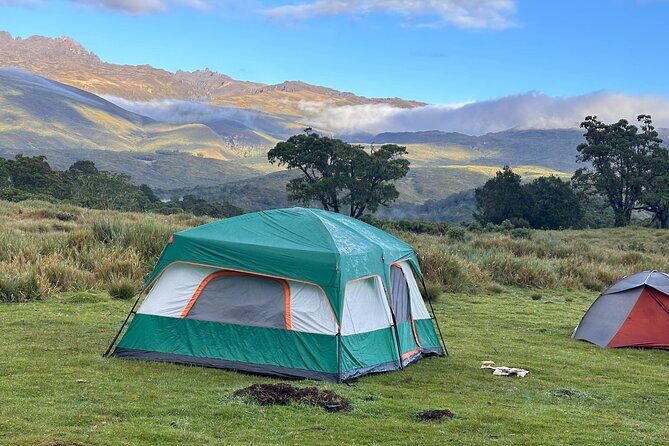
- Tents provided
- Licensed guide throughout
- Meals: Breakfast (3), Lunch (4), Dinner (4)
For a $900-per-person trek, the value isn’t only the scenery. It’s also the fact that your food and sleeping setup are handled. That can be a big deal on an expedition where buying meals along the way or organizing camping gear would be messy.
Group size is also part of value. With a maximum of 12 travelers, you usually get a better managed pace and more attention when conditions change—especially helpful on the steep summit approach.
Tips aren’t included, so factor that into your budget. I’d also plan for the cost of personal gear you might need for cold, wet, and rocky conditions, since the package list only calls out tents.
Fitness, Altitude, and Rope-Assisted Reality Checks
The trek is listed for travelers with moderate physical fitness. That sounds friendly, but the route has a few clear stress points:
- Altitude: you’ll sleep at Lake Michaelson (4200m) and Austrian Hut (4790m)
- Steep and rocky walking: the summit path is described as rope-lined and steep, with loose scree
- Early start: the summit day begins at 04:30, which can feel punishing even for strong hikers
If you’re considering this, I’d take training seriously in the weeks before. Focus on uphill stamina, steady pacing, and time on your feet. Also practice how you’ll handle cold mornings—your hands and feet matter when you’re moving on ropes.
Altitude isn’t automatically dangerous, but it does mean you should act boring: slow down, hydrate, and don’t treat the first hours at camp like a sightseeing walk.
Price and Logistics: Is $900 Worth It for a Summit Route?
At $900 per person, the price sits in the “serious experience” tier. Here’s what helps justify it based on what’s actually included:
- Transport from Nairobi and a guided start into the park area
- Tents provided, plus a licensed guide and team support
- Multiple meals across the full 4 days
- A high-quality route structure: Chogoria ascent and Sirimon descent, with camps positioned for an early summit window
The cost becomes less appealing if you’re already comfortable organizing your own gear, food, and route security. But if you want the summit done with a guide, managed camps, and meals handled, it’s a straightforward package.
One more logistics detail to take seriously: the itinerary involves a late return to Nairobi on Day 4. Plan your travel or onward plans with cushion time so you’re not rushing airport connections.
Who This Trek Suits Best (and Who Should Rethink It)
This tour fits best if you want:
- a well-chosen route with Chogoria’s “Temple” views and landmark features like Lake Ellis and Lake Michaelson
- a real summit day with ropes and a protected via ferrata section
- a small group setting (max 12) and a licensed guide guiding the full plan
- camp nights at high points rather than constant back-and-forth
You might want to rethink it if:
- you’re not comfortable with steep, loose-rock footing, especially on a very early summit start
- you need a low-effort itinerary or a long, slow, non-rugged walk
- you’re easily rattled by altitude and early-morning physical stress
FAQ
FAQ
What route is the trek using?
You go up Mount Kenya via the Chogoria route and down via the Sirimon route.
How long is the trek and what does it cover?
It’s a 4-day trek with a Chogoria ascent, overnight camps at high elevations (including Lake Michaelson and Austrian Hut), a summit push early on Day 4, and a descent through Sirimon.
What time do you start the summit day?
Day 4 starts at 04:30 for the summit push.
Is pickup from Nairobi included?
The tour includes transport from Nairobi, and pickup is offered. The meeting point listed is Jomo Kenyatta International Airport (Embakasi, Nairobi).
What meals are included?
Meals are included across the trek: Breakfast (3), Lunch (4), and Dinner (4).
What is not included in the price?
Tips are not included.
Should You Book This 4-Day Mount Kenya Trek Up Chogoria and Down Sirimon?
If you want a Mount Kenya experience that feels like a guided tour of the mountain’s best zones, I think this is a strong choice. The Chogoria-to-Temple-to-Lake Michaelson setup is built for big views and interesting terrain, and Sirimon gives you a forested finish instead of another raw rock descent.
Book it if you can handle altitude, early mornings, and steep rocky sections with ropes. If that sounds like your idea of fun, this trek is a very good value for the amount of guiding, camping support, and meals you get in a compact 4-day schedule. If you’re unsure, send a message to confirm the exact summit-day pacing and what you should bring for cold, wet, and loose-rock conditions before you commit.