REVIEW · NAIROBI
11 Days Guided Group Safari in Kenya And Tanzania
Book on Viator →Operated by DRONES AFRICA SAFARIS · Bookable on Viator
Wheels roll fast here. This 11-day Kenya and Tanzania safari lines up the big-name parks—Maasai Mara, Serengeti, and Ngorongoro Crater—with guided game drives that help you spot animals and understand what you’re seeing. I like the small-group feel (max 8 people), which makes it easier to move as a unit and keep your eyes on the same action. I also like the vehicle setup: a safari van with a hatch roof in Kenya, then a 4×4 Land Cruiser in Tanzania for the crater and park roads. One drawback to consider: there have been serious safety-and-logistics complaints in the feedback, including hotel reservation problems and a driver behavior issue (speeding, tailgating, and phone use), so you should stay alert and confirm practical details before you’re on the road.
By the end, you get a classic “big wildlife” arc: open savannah hunting grounds in the Mara, flamingo-and-rhino focus at Lake Nakuru, elephant-and-hippo scenes in Amboseli, tree-climbing cats at Lake Manyara, and crater-style viewing at Ngorongoro. If you’re the type who enjoys learning what animals do all day—not just taking photos—this format suits you. Still, expect long travel days between regions and meals that run on a set schedule, with many days listing drinking water but not other drinks.
In This Review
- Key things I’d zero in on before you book
- Entering the Kenya–Tanzania circuit: why this route feels efficient
- Vehicles and group size: hatch-roof views vs crater-ready 4×4
- Day 1: Maasai Mara arrival by Rift Valley viewpoints
- Day 2: Full day in Maasai Mara plus Hippo Pool picnic
- Day 3: Mara to Lake Nakuru, with Rift-side scenery breaks
- Day 4: Flamingos and white rhinos at Lake Nakuru, then onward to Amboseli
- Day 5: Amboseli game drives—elephants, hippos, and Kilimanjaro weather
- Day 6: Arusha reset day, plus possible Kilimanjaro views
- Day 7: Lake Manyara’s tree-climbing lions and flamingo flocks
- Day 8: Ngorongoro Crater—2,000 feet down and back up again
- Day 9: Serengeti begins with Olduvai Gorge and ends with afternoon driving
- Day 10: Final Serengeti drive, then back to Arusha
- Day 11: Back to Nairobi via shuttle bus
- Price and value: is $2,400 a fair deal?
- Safety and hotel logistics: what to watch so the trip stays fun
- Who this safari fits best (and who should consider alternatives)
- Final verdict: should you book this Kenya and Tanzania safari?
- FAQ
- What parks are included in this 11-day safari?
- What’s included in the tour price?
- Is Nairobi accommodation included?
- Is Olduvai Gorge included?
- What vehicle do you use in each country?
- How big is the group?
Key things I’d zero in on before you book
- Max 8 travelers for a more controlled safari rhythm than giant group tours
- Two vehicle styles: hatch-roof safari van in Kenya, then 4×4 Land Cruiser in Tanzania
- Big park “stacking” across Kenya and Tanzania in just 11 days
- Ngorongoro’s 2,000-foot crater descent—short time, concentrated wildlife viewing
- Olduvai Gorge stop in the Serengeti day, plus lunch at the gorge museum area
- Most of your meals are included, but other drinks (besides drinking water) aren’t
Entering the Kenya–Tanzania circuit: why this route feels efficient
This safari is built like a hit list: five Kenya highlights, then the northern Tanzania system. You start in Nairobi and work your way through Kenya’s parks in a logical flow—Mara to Nakuru to Amboseli—then cross into Tanzania for Arusha, Lake Manyara, and Ngorongoro before finishing with Serengeti and a final push back to Arusha.
That “circuit” matters for value. Instead of sitting in one region for days, you’re changing scenery every couple of nights. The trade-off is time in the vehicle—this is a road-trip safari, not a slow-lodge retreat.
You can also read our reviews of more guided tours in Nairobi
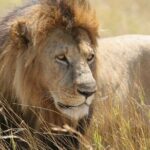
Vehicles and group size: hatch-roof views vs crater-ready 4×4
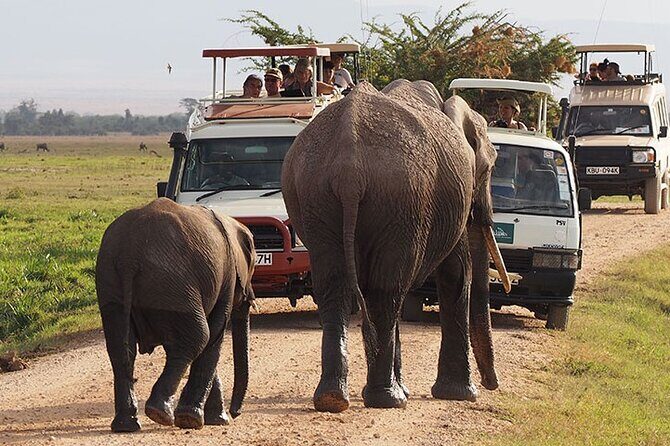
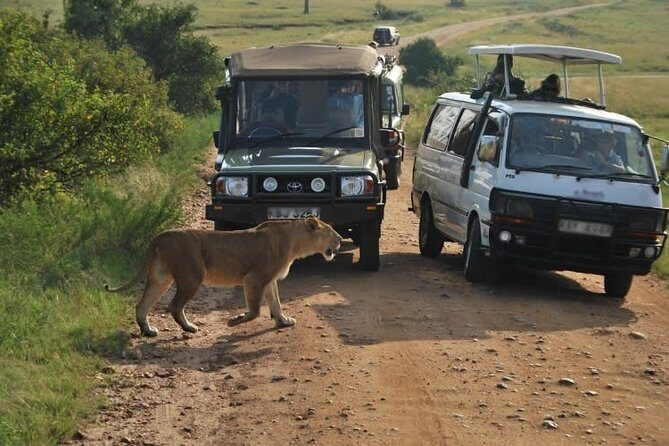
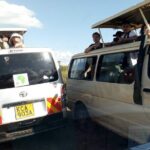
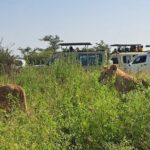
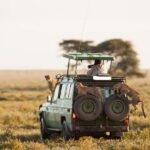
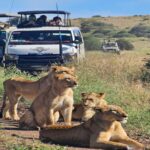
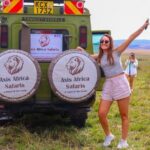
In Kenya, you’re in a safari van with a hatch roof. For wildlife spotting and photography, that extra viewing angle is a real advantage. It can also make spotting animals easier when they’re slightly higher than eye level.
Once you’re in Tanzania, the tour switches to 4×4 Land Cruisers. That’s the right choice for rougher roads and the crater area where traction and control matter. You’ll also likely feel the difference in how the vehicle handles sudden stops and turns while searching for animals.
And because the group is capped at 8 travelers, you avoid the chaos that can happen when someone in a bigger group is always lagging behind. Your guide’s directions can actually stay relevant to everyone.
Day 1: Maasai Mara arrival by Rift Valley viewpoints
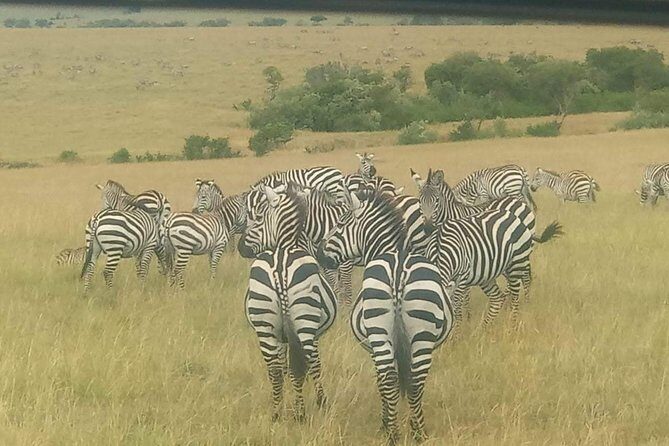
Your pickup from Nairobi hotels runs between 07:00 and 08:00 (depending on where you’re staying). Then you head out toward Maasai Mara with a Great Rift Valley viewpoint and a pass through Narok town on the way to lunch.
The first game drive isn’t just a warm-up. It sets the tone for the Mara’s “savannah grassland on rolling hills” vibe—open sightlines with animals spread across the terrain. You’ll spend the night at a camp described as fixed with bed and beddings, which suggests a proper campsite setup rather than a totally spartan arrangement.
Practical note: first-day drives often feel long. Give yourself permission to be tired—tomorrow is where you usually get your best rhythm.
Day 2: Full day in Maasai Mara plus Hippo Pool picnic
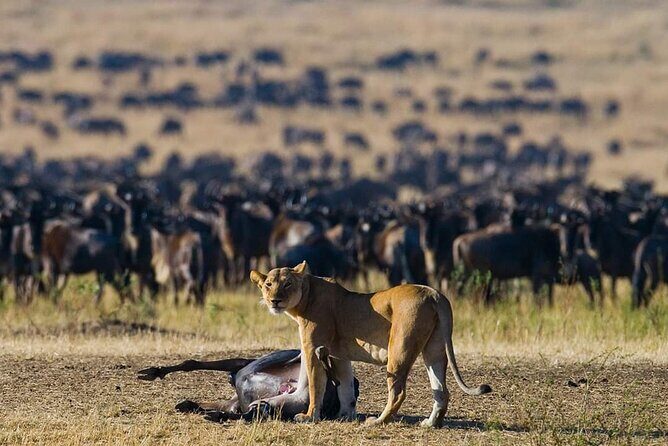
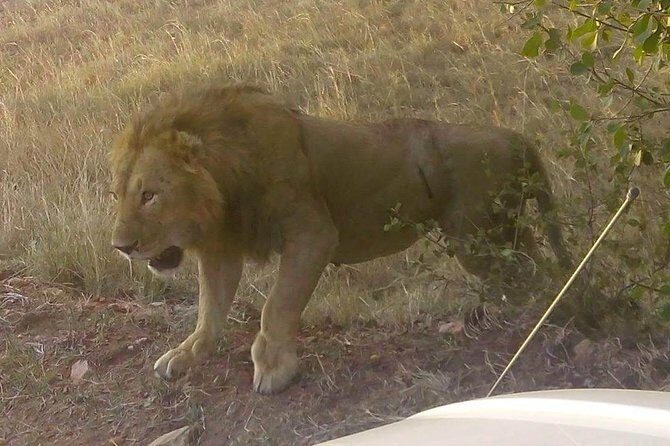
Day 2 is the big Mara day: a full day of game viewing inside the reserve, with enough road and track network to allow close-range viewing and photography. That’s a key “why” for this tour—Maasai Mara is one of the best places in Kenya for seeing wildlife frequently and from good angles.
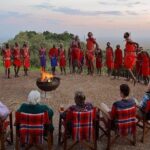
You’ll break for a picnic lunch at the Hippo Pool, scanning for hippos and crocodiles. I like this kind of scheduled “station,” because it turns random sightings into focused viewing. There’s also an optional Maasai village visit at extra cost, which can be a meaningful add-on if you want cultural context alongside the wildlife.
Overnight is at Miti Mingi Eco Camp. The eco label isn’t a guarantee of luxury, but it often signals a thoughtful, safari-camp approach rather than a city hotel feel.
Day 3: Mara to Lake Nakuru, with Rift-side scenery breaks
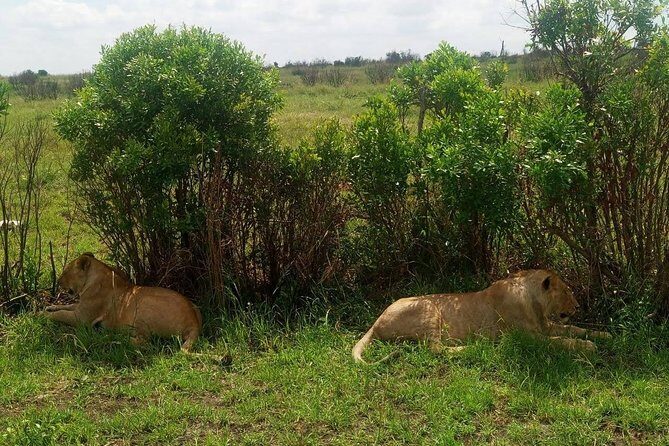
After breakfast, you depart the Mara region for Lake Nakuru National Park. The drive includes lunch en route with views of Mount Longonot and Lake Naivasha from afar on the main highway. These “from the road” views are short, but they help you understand the region isn’t just flat savannah—it’s a patchwork of lakes, volcanic features, and wildlife corridors.
You’ll end the day at a budget hotel with self-contained rooms. That’s a practical change of pace after camp nights. Dinner is included, and you’ll have water, while other drinks are not.
A few more Nairobi tours and experiences worth a look
Day 4: Flamingos and white rhinos at Lake Nakuru, then onward to Amboseli
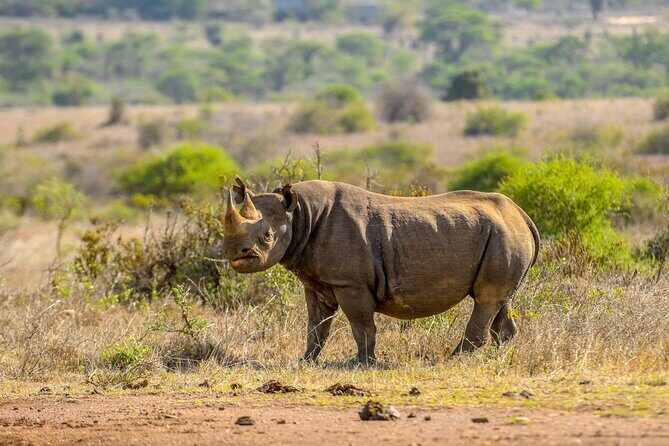
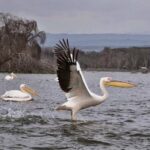
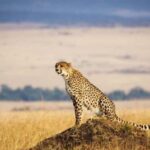
Lake Nakuru is known for bird-life, and the highlight here is the flamingos. You’ll also find a sanctuary for conservation of the white rhinos, plus shoreline-adjacent species like Cape buffalos and waterbucks.
Then you’ll drive to Amboseli National Park and stay at a camp with bed and beddings. This is a common safari pattern: one day for a strong themed park, then a move to the next “big scene” so you don’t lose momentum.
Day 5: Amboseli game drives—elephants, hippos, and Kilimanjaro weather
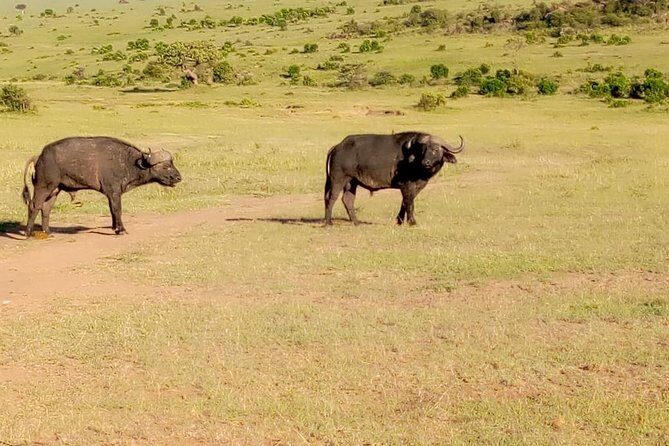
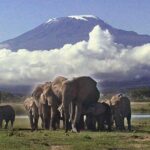
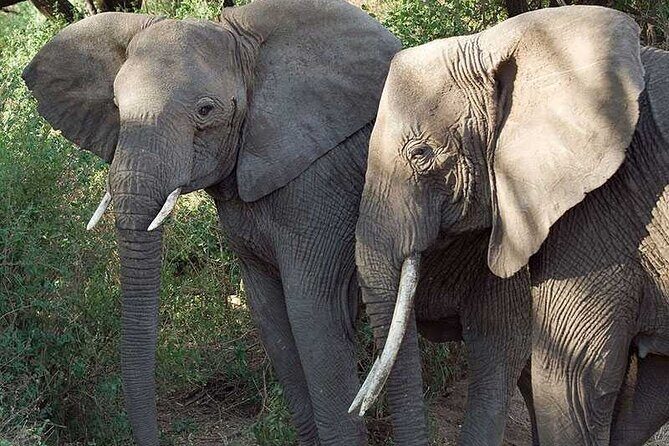
Amboseli is all about elephant country. The itinerary specifically calls out swamp grounds where elephants and hippos bathe in abundance—that’s the kind of behavior-focused wildlife viewing that feels more real than just spotting animals standing still.
You’ll also have the chance to see plains game, antelopes, and birds. Mount Kilimanjaro’s peak is mentioned as a possibility if weather conditions permit. That’s the honest way to frame it: you’re not paying for a guaranteed mountain view; you’re benefiting from the fact that the region often offers it when skies cooperate.
Lunch is catered as a picnic, and you return to camp for the night. Expect another full-day drive structure and plan to keep your energy steady with water and snacks if you’re the type who gets hungry between meals.
Day 6: Arusha reset day, plus possible Kilimanjaro views
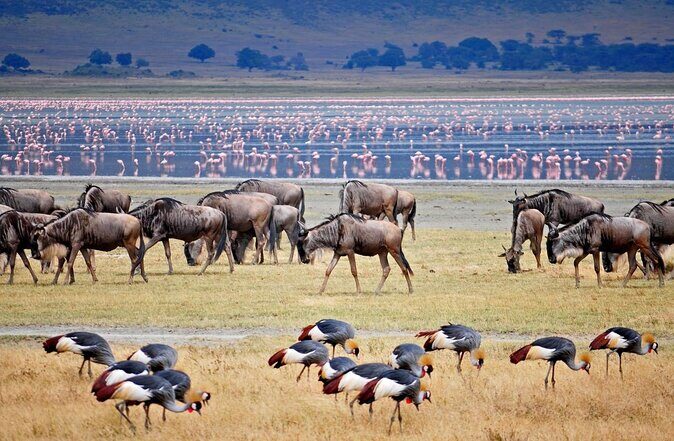
Day 6 shifts gears. You travel to Arusha, with a note that if weather permits you might get views of Mount Kilimanjaro. You also depart Amboseli through the Namanga border for immigration formalities, then board a shuttle bus to Arusha.
Drones Africa Safaris’ manager picks you up and drops you at your hotel, and you stay on a bed-and-breakfast basis. Dinner is on your own.
This day is useful in a bigger way than it looks. After several consecutive wildlife-heavy days, having a lighter schedule (especially dinner free) gives you a chance to do laundry, recharge, and mentally prepare for crater and Serengeti days ahead.
Day 7: Lake Manyara’s tree-climbing lions and flamingo flocks
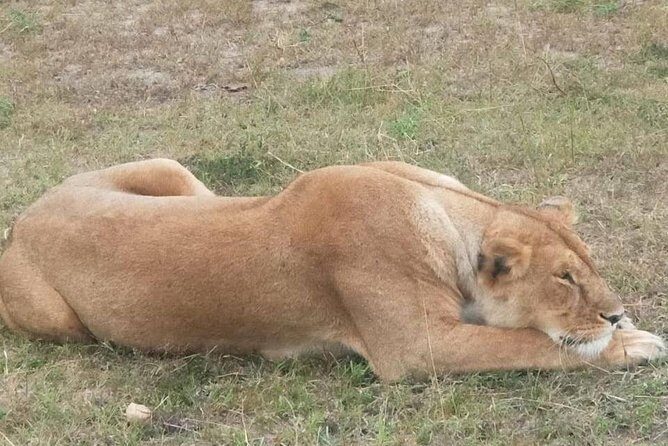
Lake Manyara is a change in vibe. You’ll head there with lunch en route, then do a game drive in a park known for tree-climbing lions and large flocks of flamingos.
That tree-climbing lion detail is why many people love Manyara: it’s one of those parks where the wildlife isn’t only about the big herbivores. If you’re hoping for variety, this stop helps deliver it.
You’ll stay overnight in fixed tents. That’s a step back toward safari sleep. Lake Manyara nights can feel cool, so pack layers even if daytime is warm.
Day 8: Ngorongoro Crater—2,000 feet down and back up again
This is the centerpiece day. You descend 2,000 feet (670 meters) into the crater floor with a picnic lunch. The main crater is described as 165 kilometers and packed with varied species.
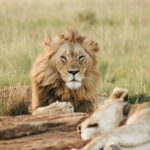
The itinerary lists animals like black-manned lions, rhinos, buffalos, and elephants, plus other grazing animals. In practice, Ngorongoro is about concentration. Even if you don’t see every species listed, the odds often feel higher because the crater creates a natural “viewing bowl.”
You’ll stop for lunch break at Ngoitoktok springs picnic site, then continue game viewing before dinner and an overnight at a campsite.
Practical consideration: crater viewing means you’re moving on a tight schedule. Bring patience for the pace and make sure your camera gear is secure and quick to access.
Day 9: Serengeti begins with Olduvai Gorge and ends with afternoon driving
You travel to Serengeti National Park via Olduvai Gorge. You’ll have lunch at the Gorge Museum and visit sites connected to prehistoric human discoveries by Dr. L.S.B Leakey. Even if you’re not a museum person, this stop adds context to the area beyond wildlife.
Then you do an afternoon game drive in Serengeti and sleep at Seronera camp. That camp name matters because it signals you’re positioned to access central Serengeti drives rather than pushing too far each day.
Tip for your own enjoyment: this is a day where you’ll want to stay present. The gorge stop can take your brain off wildlife mode, so remind yourself that Serengeti is where your focus needs to land again.
Day 10: Final Serengeti drive, then back to Arusha
Day 10 is another “last chance” day—after breakfast you do your final game drive in Serengeti, then leave the park and continue to Arusha with lunch en route.
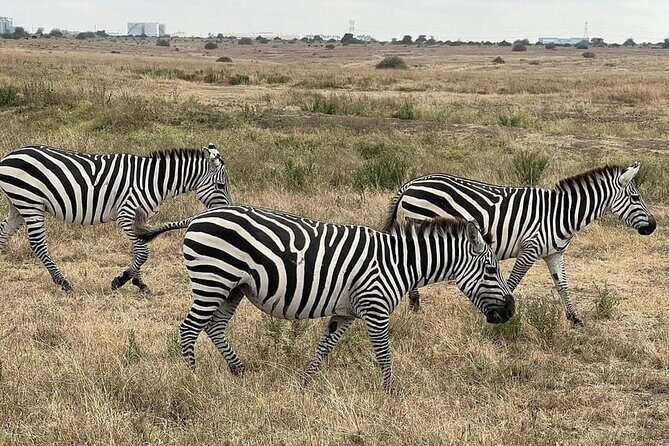
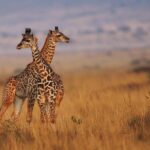
The itinerary calls out animals you might see: lions, zebras, elephants, and other animals. The wording is cautious, which is exactly what you want from a safari operator—wildlife isn’t a vending machine.
You’ll arrive in the early evening and stay at a budget hotel, with dinner on your own. This is a good night to plan something calm near your hotel—especially if you want an early start on your final day.
Day 11: Back to Nairobi via shuttle bus
After breakfast you’re picked up and dropped at a shuttle bus to return to Nairobi. This final day is simple by design: it’s a wrap-up transfer, not a “bonus game drive” style day.
If you’re continuing your trip in East Africa, this timing usually works well. You can end with Nairobi without losing your whole day to the road.
Price and value: is $2,400 a fair deal?
At $2,400 per person for an 11-day guided circuit, the real question is what’s covered. In this package, you get park entrance fees and included safari transport (Kenya van with hatch roof, Tanzania 4×4 Land Cruiser), plus parking fees. Meals are also largely covered: multiple days include breakfast and lunch, and dinner is listed for most park days. Drinking water is included throughout, while alcohol and soft drinks are not.
You also have a meaningful constraint: Nairobi accommodation is not included, and Olduvai Gorge visit is listed as not included. So your final budget depends on what you do with those gaps.
In plain terms, if you’re okay with camp-style lodging on safari nights and you want a guided route that hits several parks efficiently, the price can make sense. If you want full control over accommodation quality in every location, or you prefer private flexibility, you’ll likely feel the limits here.
Safety and hotel logistics: what to watch so the trip stays fun
Here’s the honest part. The feedback includes serious concerns about hotel reservation issues and a driver who reportedly behaved in unsafe ways—speeding, tailgating a vehicle, and phone use while driving. The tour company’s overall rating is strong, but those red flags are the kind that can turn a great safari into a stressful one.
Before you go, do a simple checklist:
- Confirm your lodging names and check-in details for each night.
- Ask which vehicle and driver you’ll be assigned to (and what rules they follow).
- Pack snacks and water, because meal timing is fixed and long drives happen.
- Stay aware in the car: if something feels off, say so right away.
I also suggest treating this as a “wildlife first” trip. When the guiding and driving are solid, the parks can feel almost unfair in how much they deliver.
Who this safari fits best (and who should consider alternatives)
This tour is a good match if you:
- Want major parks in one trip without organizing cross-border logistics yourself
- Enjoy guided game drives and like having someone help you interpret sightings
- Don’t mind a schedule with long drive blocks and mostly set meal times
- Are comfortable with camp and budget hotel nights rather than only high-end lodges
You might want a different style of safari if you:
- Prefer slower travel with more free time in each location
- Want guaranteed top-tier comfort every night
- Are particularly sensitive about safety standards and driver conduct
Final verdict: should you book this Kenya and Tanzania safari?
I’d book it if your priority is a fast, guided route through the big wildlife stops—Maasai Mara, Lake Nakuru, Amboseli, Lake Manyara, Ngorongoro, and Serengeti—with transport and park fees handled. The vehicle mix and the focus on guided game drives can make the trip feel efficient and rewarding.
I wouldn’t book it on autopilot. Use the included structure as a starting point, then confirm lodging details and push for clear safety expectations with the operator before you lock in. If those pieces check out, this is a strong way to see a lot of East Africa wildlife in 11 days—without needing to be a planner.
FAQ
What parks are included in this 11-day safari?
You’ll visit Maasai Mara National Reserve, Lake Nakuru National Park, Amboseli National Park, Lake Manyara National Park, Ngorongoro Conservation Area/Crater, and Serengeti National Park. There’s also an Olduvai Gorge stop on the Serengeti day.
What’s included in the tour price?
The tour includes park entrance fees, safari vehicle transport (safari van with hatch roof in Kenya and 4×4 Land Cruiser in Tanzania), parking fees, and meals listed across the itinerary (breakfasts, lunches, and many dinners). Drinking water is included; alcohol and other drinks are not.
Is Nairobi accommodation included?
No. Accommodation in Nairobi is not included. The itinerary includes pickups and a drop to a shuttle bus, but it does not include a Nairobi hotel night in the package.
Is Olduvai Gorge included?
Olduvai Gorge visit is listed as not included, even though the itinerary schedules a stop connected to the gorge and a museum-area lunch. Double-check what you’re paying for at the gorge on the day you arrive.
What vehicle do you use in each country?
In Kenya, you use a safari van with a hatch roof. In Tanzania, you use a 4×4 Land Cruiser.
How big is the group?
The tour has a maximum of 8 travelers, which is designed to keep the group manageable for game drives and transfers.