REVIEW · MOMBASA
Swahili Street Food Tour
Book on Viator →Operated by The AfricanFoodtrail · Bookable on Viator
Street food in Old Town hits fast. This Mombasa tour pairs Swahili culture with real bites from local vendors, guided through the streets and markets where the coast’s history still shows up in daily life. I like that you get a structured route with six tastings in about four hours, so you’re not wandering hungry and guessing what’s worth your money. One thing to consider: it’s a hands-on food outing, so you’ll want to come with a normal tolerance for walking and street-market smells.
I also like that the price is genuinely practical: food, drinks, and transport during the tour are included, which makes it easier to budget on the spot. If you prefer a quiet, sit-down meal with minimal movement, you may find Old Town streets lively and a bit chaotic compared with a restaurant. Still, that energy is part of what makes this tour feel grounded in how people actually live and eat.
In This Review
- Key highlights I’d plan around
- Starting at Fort Jesus: how the tour sets the tone
- Old Town Mombasa street stops: what 6 tastings feels like
- The Swahili connection: stories that make the food make sense
- What’s included in the $55 price (and why it’s easier to justify)
- Picking the right time slot: breakfast, lunch, or evening
- Group size and pacing: why max 10 people matters
- Practical tips for getting the most out of street food
- Should you book the Swahili Street Food Tour?
- FAQ
- How long is the Swahili Street Food Tour?
- Where does the tour start and end?
- How many food vendors will I visit?
- What’s included in the price?
- Are there different tour times?
- What kind of ticket do I get?
- How big is the group?
- What is the cancellation policy?
Key highlights I’d plan around
- Fort Jesus as your historical starting point (without going inside)
- Six local vendors in one 4-hour loop with multiple tastings
- Breakfast, lunch, or evening slots so you can match your day
- Food, drinks, and transport included in the $55 price
- Small group size (max 10 people) for easier conversation
- Mobile ticket for a straightforward check-in
Starting at Fort Jesus: how the tour sets the tone
The tour starts at Fort Jesus Museum, right in Mombasa’s Old Town area, and you use that landmark to get your bearings fast. You won’t go inside the fort, but your guide talks through why Fort Jesus matters and how it shaped the coast’s story. That matters, because street food isn’t just about what’s tasty. It’s about trade routes, cultural mix, and how people survived and prospered along the Indian Ocean.
From the start, the experience aims to do two things at once: keep you fed and help you read the neighborhood. As you move away from the fort area toward Old Town, you’re not just eating randomly. You’re getting a guided sense of where you are and why the food makes sense here.
You can also read our reviews of more food & drink experiences in Mombasa

Old Town Mombasa street stops: what 6 tastings feels like
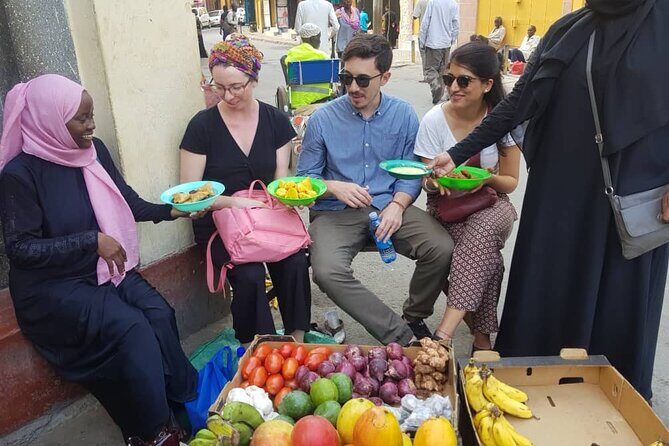
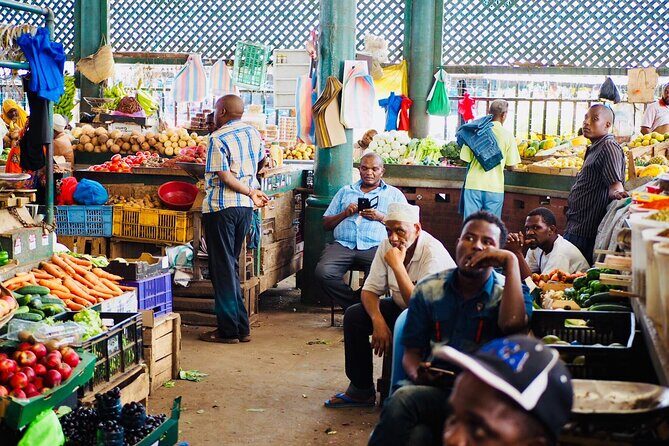
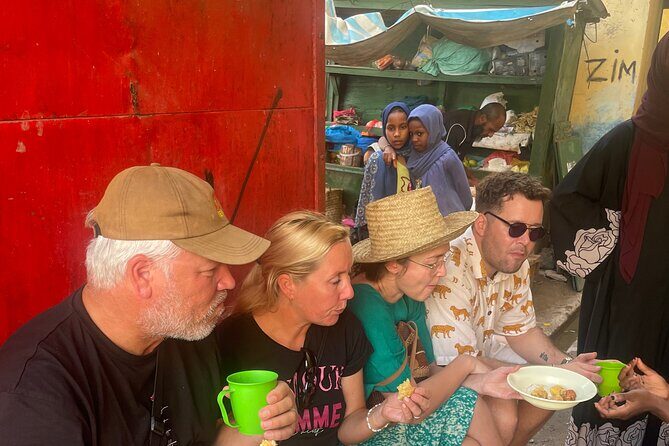
The heart of this experience is a guided route through Old Town Mombasa, built around about six local vendors you visit during the tour. Each stop is designed for a “try a few things” style of eating. That’s better than committing to one big meal if you want variety, especially on a half-day timeframe.
What I like about this setup is that it reduces decision fatigue. Instead of you trying to figure out which stall is safest or best, you follow the guide’s plan and sample what each vendor is known for. In the feedback about the tour, the guide approach is singled out as a big reason the tastings land well, especially for people who want more than just food.
Here’s what the food format usually means for you:
- You’ll likely taste multiple dishes across different stops, not one signature item over and over.
- You’ll get small-to-moderate portions often enough that you can keep walking.
- You’ll spend less time negotiating and more time learning what you’re eating and where it fits culturally.
A fair heads-up: if you’re very picky or you hate spicy or strongly scented foods, street-market style sampling can be tricky. You’ll still have choices at stops, but this tour is built around tasting different local delicacies, not sticking to one safe order.
The Swahili connection: stories that make the food make sense
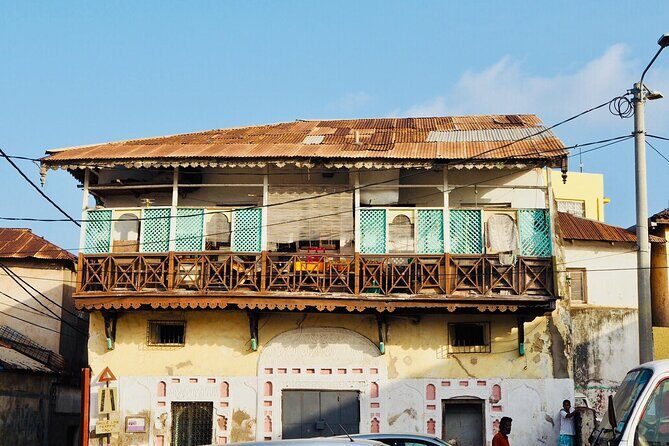
This is marketed as a Swahili street food tour, and it aims to connect the tastings to more than menus. Your guide ties what you’re eating to Swahili history, culture, architecture, and day-to-day way of life. That part is the real value add if you don’t want your time to feel like a snack run.
In Mombasa, the coast’s identity is visible in the built environment and in how people gather. So when your guide talks about the fort’s significance, then transitions into Old Town, the flow matters. You’re learning how the area developed, which can make why certain foods show up feel less random and more connected.
I also like that the tour doesn’t just focus on sellers. It encourages interaction with local food producers and vendors, so you’re seeing the food culture from the source side. That can help you notice ingredients, prep styles, and flavor patterns you might otherwise miss.
What’s included in the $55 price (and why it’s easier to justify)
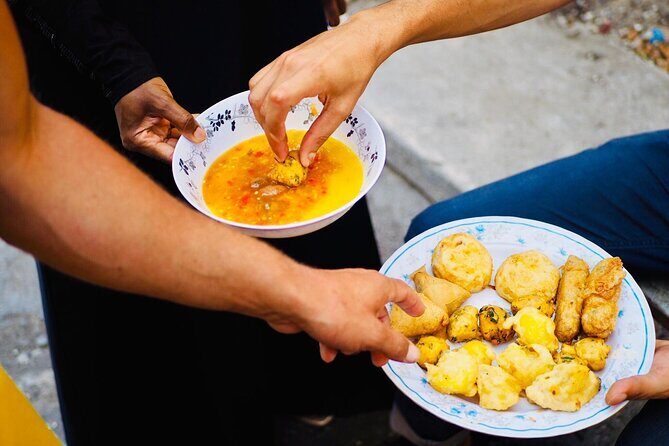
At $55 per person, this tour is not meant to be the cheapest thing in town. The question is what you get for that money. The tour includes:
- Cost of food
- Cost of drinks
- Transportation during the tour
- The guide-led experience across multiple vendors
For me, the key value is that you’re not paying extra at each stop. In many food tours, the price sounds decent until you hit the stalls and realize you’re still funding most of the meal yourself. Here, food and drinks are included, so you can treat the $55 as a set cost and plan your spending around it.
Another value point: you’re only out for about four hours, and you’ll visit several vendors in that window. That’s efficient for time, especially if your day in Mombasa is already packed with other plans.
Picking the right time slot: breakfast, lunch, or evening
You can choose between three tour slots: breakfast, lunch, or evening. That choice isn’t just about convenience. It changes the vibe of the Old Town streets and markets you’ll move through.
- Breakfast slot: Great if you like starting early and want lighter, morning-style bites. It also pairs well if you have other afternoon plans.
- Lunch slot: A solid middle choice when you want the most straightforward timing for a real meal feel without losing your evening.
- Evening slot: Often the best bet if you want a more day-to-night atmosphere and are comfortable eating while the area shifts into its evening rhythm.
Because the tour is about tastings at six vendor stops, you’ll want to match the slot to your appetite. If you pick breakfast and then plan to eat a big lunch right after, you might end up too full. If you pick evening after a light day, the tastings can land better.






Group size and pacing: why max 10 people matters
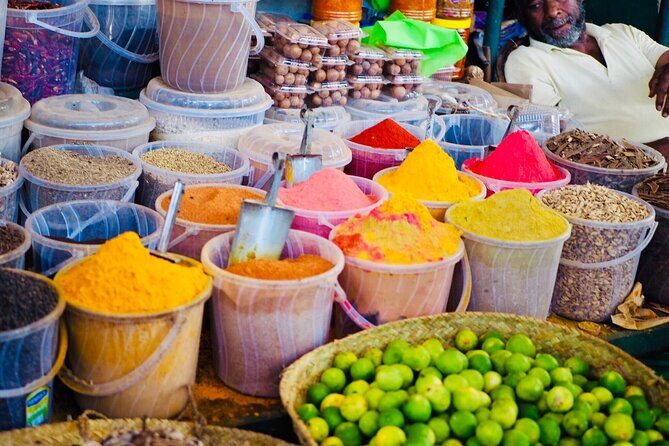
The group size caps at 10 people, which you’ll feel in how the tour moves. Small groups usually mean:
- Easier conversation with the guide
- Fewer long lines at tastings
- Less crowding as you stop and start
You’re also using a mobile ticket, and confirmation is received at booking time. That combination points to a smoother check-in and fewer last-minute hassles.
The tour ends back at the meeting point, so you don’t have to solve the “where do I go after?” problem mid-day. That makes it easier to stitch into a schedule.
Practical tips for getting the most out of street food
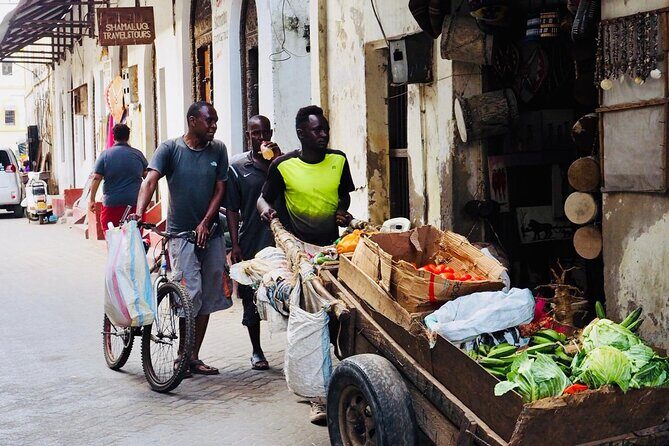
Even with a guide handling the route, you’ll enjoy the experience more if you think like a street-food regular for a few hours. Here are practical moves that fit this kind of tour:
- Come hungry but not empty-stomached. If you try to power through everything, you’ll miss the flavors your guide is pointing out.
- Ask what you’re eating. The best part isn’t only the taste. It’s learning what makes each dish Swahili-coastal and how it ties back to local life.
- Wear comfortable shoes. Old Town is walk-heavy by nature, and you’ll spend time moving between vendor stops.
- Bring a light layer. Coastal weather can change. You don’t want to sweat through the whole tour or get chilled when the breeze hits.
If you’re traveling with service animals, the tour allows them. Also, the meeting point is near public transportation, which is useful if you’re combining this with other Mombasa plans.
Should you book the Swahili Street Food Tour?
I’d book this tour if you want Mombasa food to come with context. The combination of six vendor tastings plus Swahili-focused explanations makes it a strong choice for first-time visitors to Old Town or anyone who wants their street food to come with meaning.
You might skip it if you prefer quiet, sit-down dining or if you know you don’t like sampling multiple dishes in a short timeframe. Also, if you’re extremely sensitive to street-level activity, aromas, and close quarters, street markets may not be your style.
One more smart move: because the tour is commonly booked about 30 days in advance, don’t wait until the last week to decide. If your schedule is fixed, lock in your preferred slot early.
FAQ
How long is the Swahili Street Food Tour?
The tour lasts about 4 hours.
Where does the tour start and end?
It starts at Fort Jesus Museum (P. O. Box 82412, Mombasa, Kenya) and ends back at the meeting point.
How many food vendors will I visit?
You will visit 6 different local vendors during the tour.
What’s included in the price?
The tour includes the cost of all food, drinks, and transportation during the tour.
Are there different tour times?
Yes. You can choose between 3 slots: breakfast, lunch, or evening.
What kind of ticket do I get?
You’ll receive a mobile ticket.
How big is the group?
The tour has a maximum of 10 people.
What is the cancellation policy?
You can cancel for a full refund if you cancel at least 24 hours before the start time. If you cancel less than 24 hours before, you won’t receive a refund.