REVIEW · NAIROBI
Giraffe Center and David Sheldrick Elephant Orphanage Day Tour from Nairobi
Book on Viator →Operated by Gracepatt Safaris · Bookable on Viator
Giraffes and elephants in one tight day. This tour strings together Giraffe Centre, the David Sheldrick Elephant Orphanage, and a hands-on stop at Kazuri Beads Factory, so you get animals plus a craft break in about six hours. I especially like how the schedule packs in the best viewing times, and how the group stays small enough to actually watch behavior instead of just passing through. One thing to consider: you may need to budget an extra Nairobi National Park fee to access the orphanage area.
You’ll start early, with pickup from your Nairobi hotel, then head to the Giraffe Centre where you can feed giraffes behind a protective wall and walk the Gogo River nature trail. Later, you’ll watch baby elephants being brought out for milk and then water play in the open area of the Sheldrick Wildlife Trust viewing zone. I like that the experience is built around real routines—feeding, walking, and learning—rather than constant rushing.
The craftsmanship stop at Kazuri Beads Factory is a nice breather. It’s also one of the few parts where you can slow down and understand the process end-to-end. Still, there’s a small logistics catch: if you need a specific language, don’t assume it will be available; in one case, a French-speaking party didn’t get French interpretation, and that can affect how much you understand.
In This Review
- Key things to know before you go
- A 6-hour Nairobi loop: pickup, small groups, and a realistic pace
- Giraffe Centre: Daisy’s story, calm feeding, and the Gogo River walk
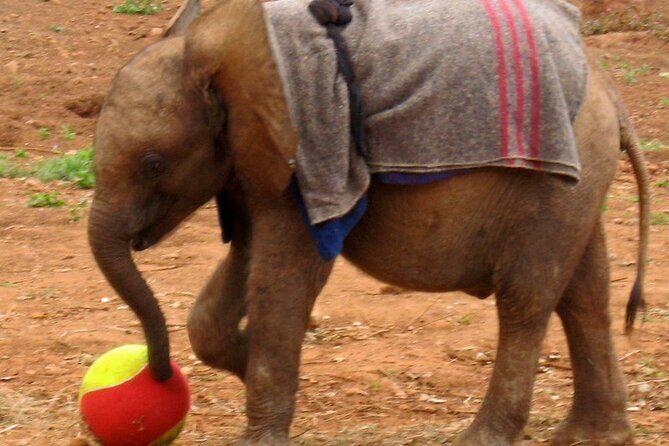
- David Sheldrick Wildlife Trust: milk feeding, rope-fence viewing, and baby-elephant play
- Kazuri Beads Factory: a clay-and-bead craft break that keeps the day balanced
- Price and park fees: what you’re really paying for
- Who this tour suits best (and who should think twice)
- Should you book the Giraffe Centre and Sheldrick plus Kazuri day tour?
- FAQ
- Do I get pickup from Nairobi?
- How long is the tour?
- What time does the tour start?
- What’s included in the price?
- Is lunch included?
- Is there an extra fee to access the elephant orphanage?
- How big is the group?
- Can I cancel for a full refund?
Key things to know before you go
- Small group (max 8) means easier spotting, calmer timing, and less crowd pressure while you watch animals.
- Gogo River nature trail at the Giraffe Centre is often the overlooked highlight, with chances to hear native birds.
- Sheldrick viewing window (11am to 12pm) is the core elephant moment: milk bottle feeding, then play time.
- Kazuri Beads Factory adds a creative, clay-and-glass-bead style workshop feel instead of only animal time.
- Park fee not included: plan for an extra Nairobi National Park charge to access the orphanage area.
- Lunch is flexible but extra: you can ask your driver to stop for lunch, but it’s at your own cost.
A 6-hour Nairobi loop: pickup, small groups, and a realistic pace
This is a day tour designed for people who want a lot of Nairobi-area highlights without building a complicated itinerary. You’re picked up from your hotel and returned afterward, and you’re traveling in a small group of up to eight. That matters because animal viewing spots can get hectic fast—smaller groups keep you from feeling squeezed, and it’s easier to get your bearings at each stop.
The tour runs about six hours, with a start time of 8:00 am. In practical terms, you’ll beat the heavier crowds at the first stop and still make the scheduled elephant window at Sheldrick. If you’re coming off a long flight or you’re not planning multiple tours in one day, this is a good length: enough time to see the big sights, not so long that you’re exhausted before the main moments.
One note on day flow: your middle stop lines up with Sheldrick’s regular viewing period from 11am to 12pm. If your plans in Nairobi are tight or you’re fighting traffic, start-day punctuality is your friend. You don’t want to arrive late and lose the best viewing time.
You can also read our reviews of more tours and experiences in Nairobi.



Giraffe Centre: Daisy’s story, calm feeding, and the Gogo River walk
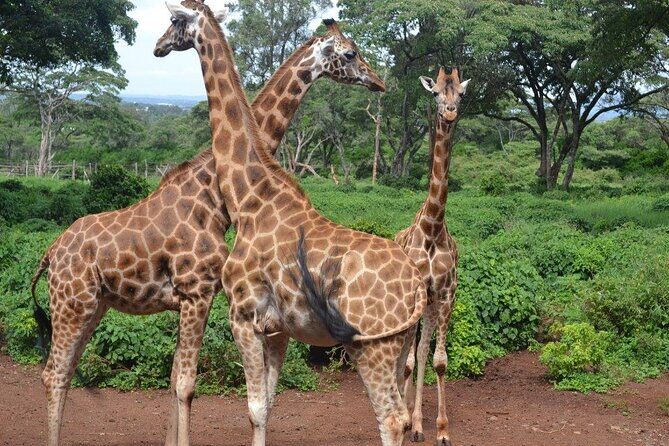
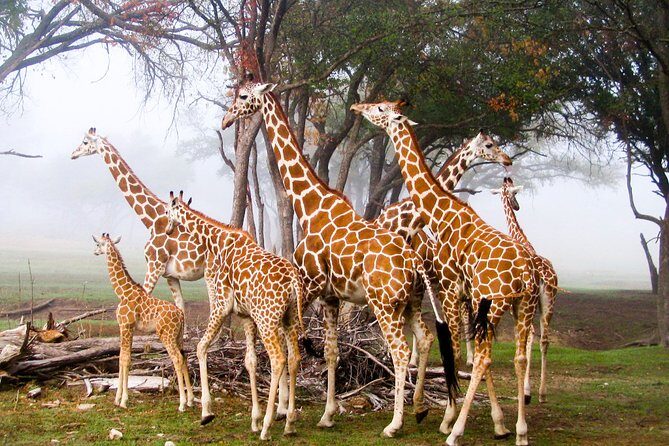
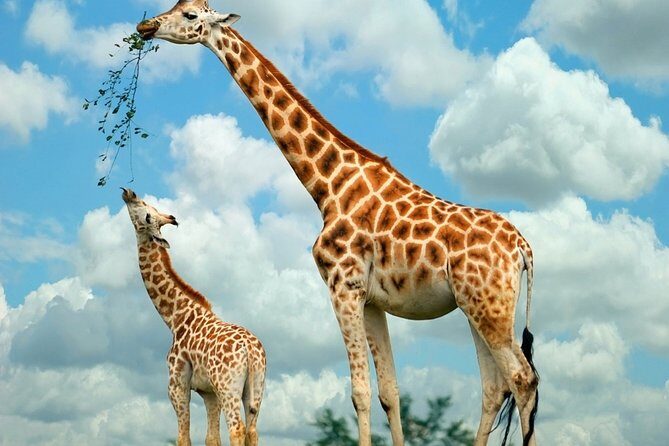
The Giraffe Centre is where the day gets gentle. You go first, and you’ll spend about an hour here. The center is tied to the African Fund for Endangered Wildlife, and it’s also known for Daisy Rothschild, a giraffe calf rescued from Soi on the Western Kenya border. Daisy and her family are part of a small group living in a semi wild setting at Giraffe Manor, and the Giraffe Centre visit connects that conservation story to what you can observe on the ground.
Here’s what that looks like for you during the visit:
- You’ll learn about giraffe behavior and traits as part of the conservation education at the center.
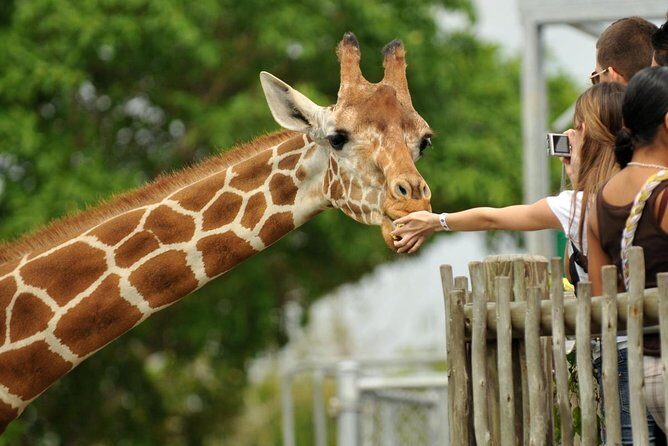
- You’ll be able to feed giraffes from the viewing area where they come up to a protective wall.
- You should plan to spend real time on the nature trail rather than treating it like a quick stroll.
The nature trail along the Gogo River is a big reason this tour feels more satisfying than a simple photo stop. The walk is where you can slow down and notice native bird song as you go. Even if you’re not a bird expert, it’s the kind of sensory detail that makes the visit feel alive instead of transactional.
Potential drawback: the giraffe viewing and feeding portion can feel fast if you’re rushing. Build in patience. Giraffes often approach at their own pace, and the best moments come when you give the interaction time to unfold.
If you care about photography, bring the right rhythm: camera ready, but don’t keep your lens glued to the screen. A few seconds of watching with your eyes first helps you catch behavior—how they move, how they react—before you frame the shot.
David Sheldrick Wildlife Trust: milk feeding, rope-fence viewing, and baby-elephant play
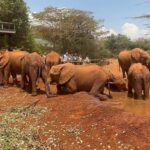
This is the emotional center of the day. You’ll drive to the David Sheldrick Wildlife Trust for the viewing period in the late morning, described as 11am to 12pm. The setup is an open area with a rope fence around the viewing zone, which keeps you separated while still letting you get close enough to see expressions and body language clearly.
What you can expect during that hour:
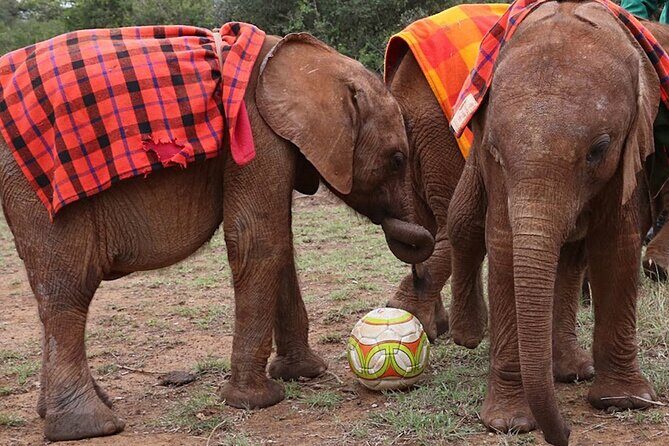
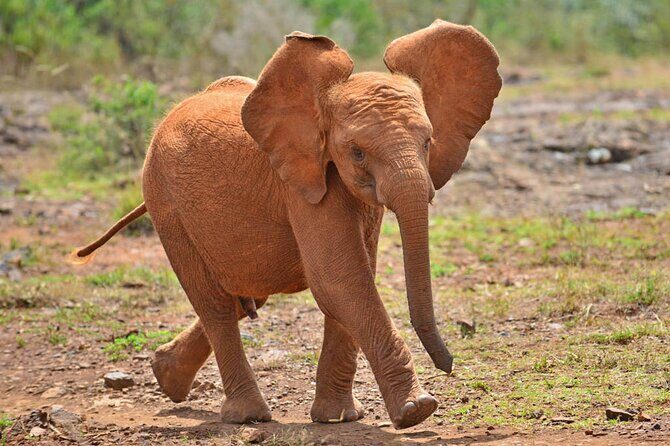
- The youngest elephants come out into the viewing space to greet keepers.
- Keepers stand ready with large bottles of milk.
- You’ll get a short window to watch each calf feed, then there’s time for water play.
- You can learn how old the calves were when they arrived, where they were rescued from, and what brought them into trouble.
This isn’t just watching a feeding routine. It’s the chance to connect a baby elephant’s story to the broader conservation goal. The information you get during the viewing can make the scene feel less like a show and more like a real rescue and rehabilitation process.
About photography: this stop is when you’ll want your camera set for fast action. Baby elephants move quickly—toward keepers, toward water, and through space like they own it. If you’re using a phone, check that your focus is set properly before the calves come out, because waiting for focus once they’re moving is frustrating.
Potential consideration: there’s an extra fee tied to Nairobi National Park access that is mandatory to access the elephant orphanage area. That’s not a small detail. It affects your true cost, so budget for it up front so you’re not surprised at the last moment.
Also, timing matters. If you miss the 11am–12pm window, you can lose the best chance to see the youngest calves. That’s why a smooth pickup and on-time arrival are more important here than at most tourism stops.
Kazuri Beads Factory: a clay-and-bead craft break that keeps the day balanced
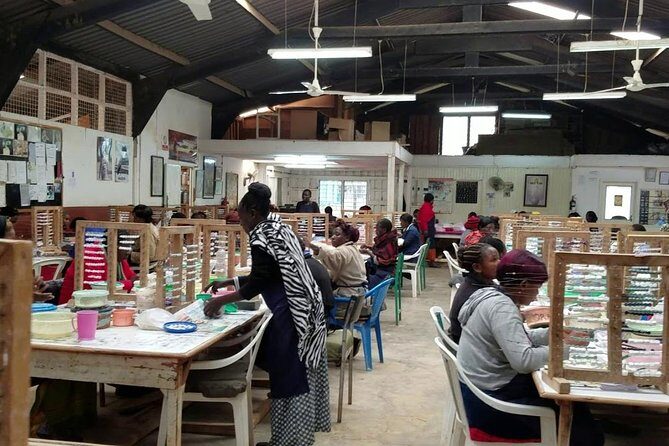
After the big animal moments, you head to Kazuri Beads Factory. This stop is about creativity and process. You’ll spend roughly an hour learning how their beads are made, from early stages to the finished product.
What I like about this part of the day is balance. After hours of animal viewing, you get something calmer: a structured explanation of how materials turn into finished beads. Even if you don’t buy anything, watching the steps makes the output feel real. It’s also a useful mental reset.
The practical setup is simple:
- You’re shown stages of the bead-making process.
- If you need lunch, your guide can take you to nearby restaurants, but it’s at your own cost.
A small drawback: since Kazuri is time-limited (about an hour), don’t expect a deep workshop where you’ll create your own finished piece unless that’s specifically offered in the experience you book. Here, the value is understanding the making process and seeing how the final beads come together.
If you’re the type who likes souvenirs with meaning, plan to look closely before you buy. A craft stop is the moment to slow down and choose pieces you actually like, because you’ve earned the right to take your time.
Price and park fees: what you’re really paying for
The listed price is $95.00 per person for the six-hour combo day tour. For Nairobi, that’s positioned as a value option because several things are bundled:
- entrance fees for the Giraffe Centre and the elephant orphanage viewing
- a professional driver guide
- small-group touring
- round-trip transport from Nairobi
But here’s the cost truth you should plan for: there’s an extra $45 per person Nairobi National Park fee that is mandatory to access the elephant orphanage. That means your all-in day cost can be closer to $140 per person before lunch and any optional stops.
Whether this still feels like good value depends on what you want from the day:
- If you want both the giraffe experience and the Sheldrick baby-elephant viewing, plus a craft stop, the combined format saves you from juggling separate tickets and separate transport.
- If your top priority is only the elephants, you might compare whether a separate, simpler itinerary would be cheaper for your needs. But you’d lose the Gogo River walk and the Kazuri process stop.
One more practical detail: lunch is not included. You can ask your driver to stop for lunch along the way, but it’s additional cost. If you want to eat somewhere specific, you’ll likely need to do that within the time your guide has available.
Finally, a quick reality check: one low-scoring account complained about not getting a chance to visit the orphanage and felt the communication wasn’t handled well. I can’t verify what happened, but the lesson is clear. Confirm the elephant stop timing and inclusion in your booking details before you go. Have your confirmation handy, and know the day’s stated schedule so you can spot problems early.

Who this tour suits best (and who should think twice)
This day tour works best if you want a high-impact Nairobi day without a DIY headache. The small group size helps, and the animal priorities are clear from start to finish.
It’s a strong match for:
- families and couples who want close-up viewing of both giraffes and baby elephants in one go
- photo fans who want specific viewing windows (especially the Sheldrick milk feeding time)
- people who like a structured day with pickup, transport, and entrances handled
- anyone who wants more than a drive-by animal stop, thanks to the Gogo River nature trail
It might not be ideal if:
- you’re very sensitive to schedule shifts and need absolute timing flexibility
- you speak a language that you’re expecting the guide to provide on demand; there have been reports of language gaps, so it’s worth clarifying language needs before departure
- you’re allergic to crowds or long lines; even in a small group, these are popular sites
A small tip: keep your expectations aligned to the style of each stop. At Giraffe Centre, you’re learning and feeding behind a wall, then walking a trail. At Sheldrick, the highlight is the short, lively milk-and-water sequence in the viewing zone. At Kazuri, the reward is process and craft education.
Should you book the Giraffe Centre and Sheldrick plus Kazuri day tour?
I’d book this tour if your dream Nairobi day includes all three: giraffes with a real story behind them, the Sheldrick baby-elephant viewing during the late-morning window, and a craft stop that keeps the day from turning into one long animal-only stretch. The small-group approach and round-trip transport make it feel simple.
Before you hit confirm, do three quick checks to protect your day:
- Budget the mandatory Nairobi National Park fee for the elephant orphanage area.
- Double-check that the Sheldrick viewing slot is locked into your booking for the stated time window.
- If language matters to you, ask your operator directly about interpretation during the stops.
If those boxes are satisfied, this is a well-shaped day: animals first, meaning built in, and a calmer creative finish.
FAQ
Do I get pickup from Nairobi?
Yes. The tour includes pickup offered from your Nairobi hotel and round-trip transport.
How long is the tour?
It runs about 6 hours.
What time does the tour start?
The start time is 8:00 am.
What’s included in the price?
The tour includes entrance fees for the Giraffe Centre and the elephant orphanage, a professional driver guide, and small-group touring.
Is lunch included?
No. Lunch is not included, but the guide can take you to nearby restaurants if needed for an additional cost.
Is there an extra fee to access the elephant orphanage?
Yes. You must pay an extra $45 per person for Nairobi National Park access to reach the elephant orphanage.
How big is the group?
The maximum group size is 8 travelers.
Can I cancel for a full refund?
Yes. You can cancel for free up to 24 hours in advance for a full refund.