REVIEW · MOMBASA
MOMBASA:FortJesus,OldCity,GiraffeOstrich,Oryx,Eland,WildTour
Book on GetYourGuide →Operated by John David Mwangi Irungu · Bookable on GetYourGuide
Fort Jesus plus giraffes sounds unlikely. I love the way Fort Jesus and the Old Town spice lanes fit together into one story, and I also like the chance to get very close to wildlife at Nguuni without turning it into a zoo visit. One drawback: entry tickets for Fort Jesus and Nguuni are not included, so you’ll need a little extra cash on top of the $40.
My favorite part is usually the guide, and in this one you’re in the hands of John David Mwangi Irungu, who keeps the pace easy and helps with photos and videos. You get pickup to the main stops, but you’ll be walking a lot on cobbles and in sun, so comfortable shoes and a hat really matter.
In This Review
- Key highlights worth planning for
- Fort Jesus and Old Town: why this combo works
- Fort Jesus: Portuguese stone at the harbor entrance
- What to watch for at Fort Jesus
- Old Town lanes, mosques, markets, and the Shiva Temple
- A practical note on the walking
- Moi Avenue Elephant Tusks: a quick landmark with meaning
- Nguuni Nature Sanctuary: walk near giraffes and more
- Entry tickets: the one extra cost you should plan
- The conservation story: from limestone desert to sanctuary
- Price and value: what $40 really buys
- When the day feels extra worth it
- Practical tips so your day goes smoothly
- Bring
- Don’t do these things (they’re listed as not allowed)
- If you’re thinking about timing
- Who this tour suits best
- Should you book this Mombasa day?
- FAQ
- Is Fort Jesus entry included in the tour price?
- Is entry to Nguuni Nature Sanctuary included?
- Do I get picked up from my hotel?
- Is transportation back to my hotel included?
- What should I bring for the day?
- Are there any rules about what I can wear or do?
Key highlights worth planning for
- Fort Jesus (UNESCO site) explained in plain language, with Portuguese-era details and later conflicts
- Old Town street-walking through coral-stone lanes, old mosques, residential houses, and market energy
- Spice market + Shiva Temple as part of the day’s cultural mix, not tacked on at the end
- Moi Avenue Elephant Tusks stop to connect the city’s landmarks to its identity
- Nguuni Nature Sanctuary walk with giraffes, ostriches, antelopes, and other animals (and rules that keep it respectful)
- Reforested quarry conservation story with a clear look at how land becomes habitat again
Fort Jesus and Old Town: why this combo works
Mombasa can feel like two cities at once: a coastal trading hub with layered history, and a living community where people still shop, worship, and move through narrow lanes. This tour is built to show you both in one day, which is exactly what I want on a first visit.
You start with Fort Jesus, a fortress that’s famous for a reason, then shift into the maze of old streets where you can see how the city’s past still shows up in daily life. It’s one of those rare itineraries where the wildlife stop doesn’t feel random—it’s a reminder that conservation matters right here, not just in faraway parks.
You can also read our reviews of more tours and experiences in Mombasa.

Fort Jesus: Portuguese stone at the harbor entrance
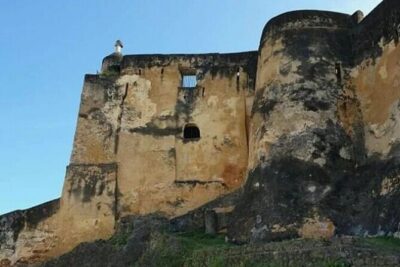
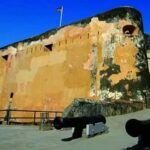
Fort Jesus sits on a coral ridge guarding the harbor approach, and the tour uses that location to make the whole place make sense. You’ll hear how the Portuguese built it in the 16th century to protect their presence along the East African coast, and how control of the fort kept changing hands as power shifted around Mombasa.
The site’s history isn’t tidy, and that’s part of what makes the stop engaging. You’ll also learn about Omani Arabs attacking the fort from 1696 to 1698, then later its use as barracks between 1837 and 1895. When the British protectorate was proclaimed on 1 July 1895, the fort was turned into a prison. Those timeline beats help you read the stone instead of just looking at it.
What to watch for at Fort Jesus
Entry tickets are not included, so plan for that cost ahead of time. Also, bring your camera—but be ready that flash photography may be restricted at certain sites, so it’s smart to set your settings before you rely on flash. You’ll be on your feet, so quick breaks help.
Old Town lanes, mosques, markets, and the Shiva Temple
After the fort, the tour moves into the old city’s street network: cobbled lanes, coral-stone walls, overhanging balconies, and doorways that feel like they lead to stories you don’t get from guidebooks. It’s the kind of walking where you slow down without meaning to.
You’ll see ancient mosques and residential houses shaped by centuries of coastal life. Then the tour shifts into markets—spice, fruit, and colorful fabrics—with a guide who can explain what you’re looking at so it doesn’t become only a photo stop.
One detail I like here is the inclusion of religious and cultural landmarks like the Shiva Temple. It gives context to the city’s mix of faiths instead of reducing Mombasa to generic “old buildings.”
A practical note on the walking
This part is short on “sit down and relax” moments. If you know you hate cobblestones or you tire fast in heat, bring it up early with your guide so you can plan slower segments. People over 70 are listed as not suitable, and that’s consistent with how physical parts of this day can be.


Moi Avenue Elephant Tusks: a quick landmark with meaning
Between old streets and wildlife, the tour calls in at the Elephant Tusks monument on Moi Avenue. It’s not a long stop, but it matters because it connects you to modern Mombasa branding and public memory—an anchor point you can use later when you’re exploring on your own.
If you only have a day, these “city landmark” moments help you build a mental map. You start to recognize where you are, not just what you saw.
Nguuni Nature Sanctuary: walk near giraffes and more
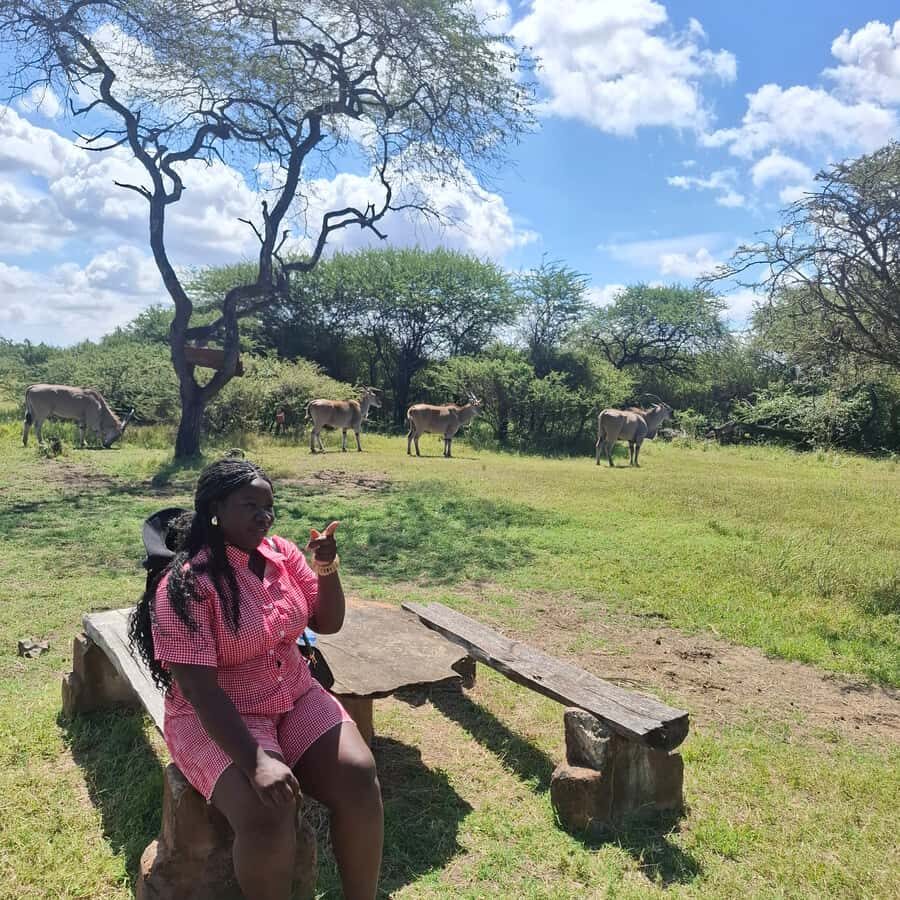
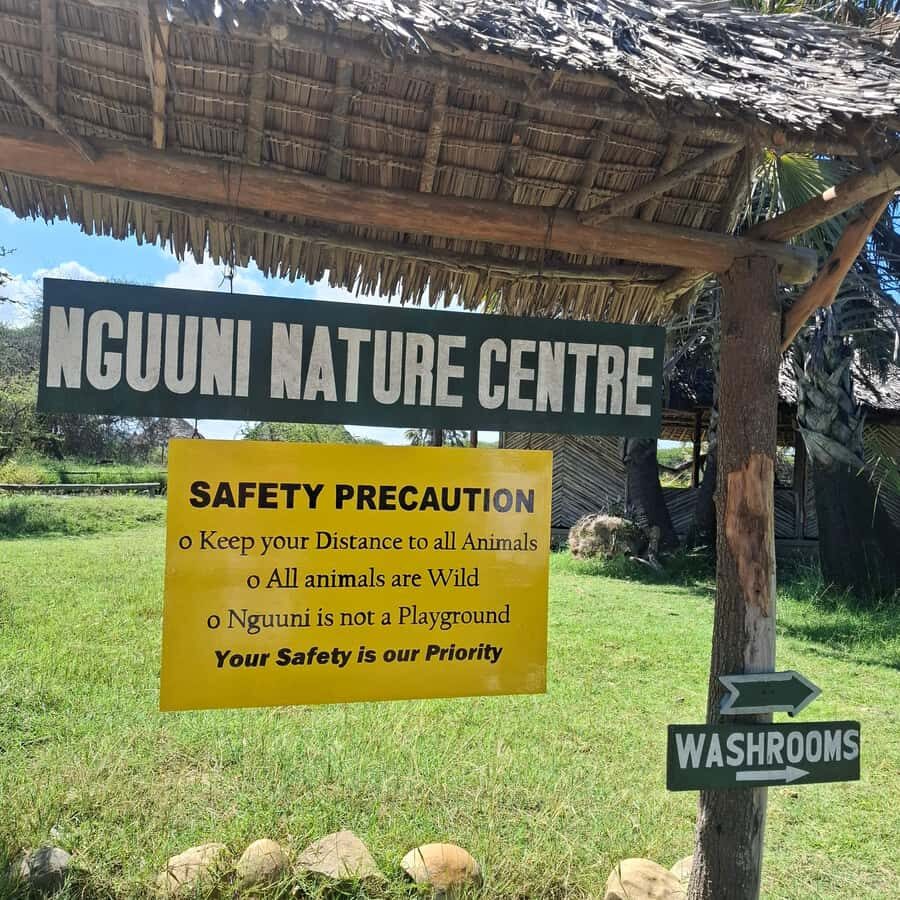
Then comes the heart-of-the-day contrast: Nguuni Nature Sanctuary. This is a former quarry area that’s been reforested, so you’re not just in an enclosure—you’re walking through a regenerated habitat where animals live with trees and food sources.
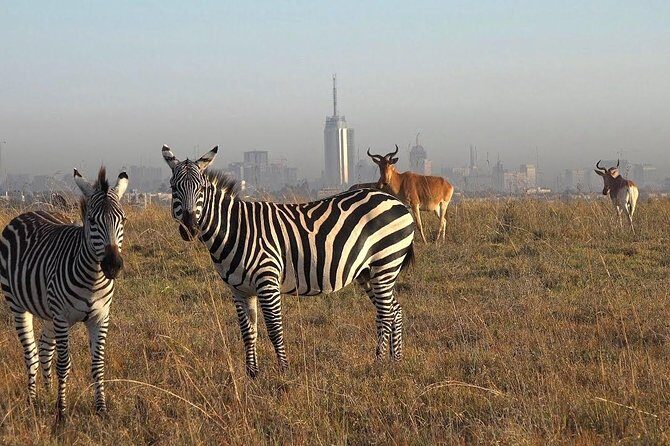
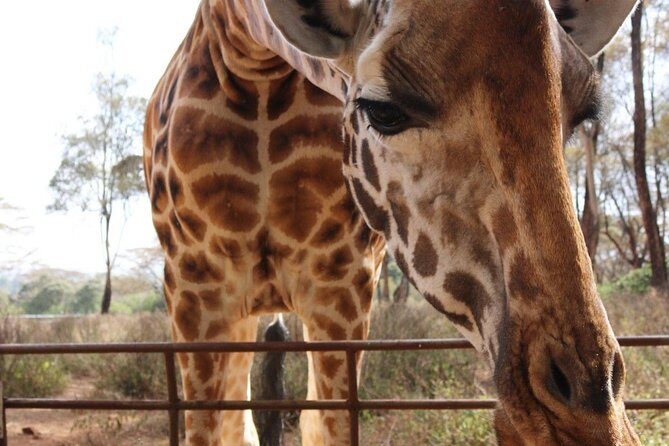
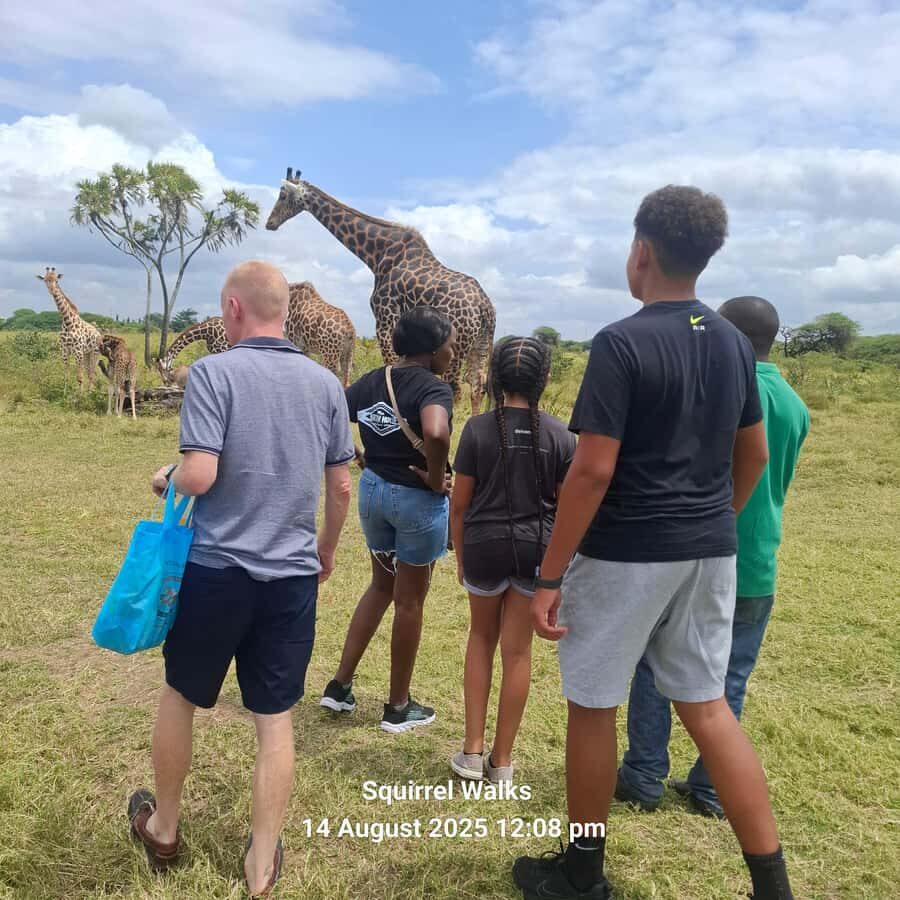
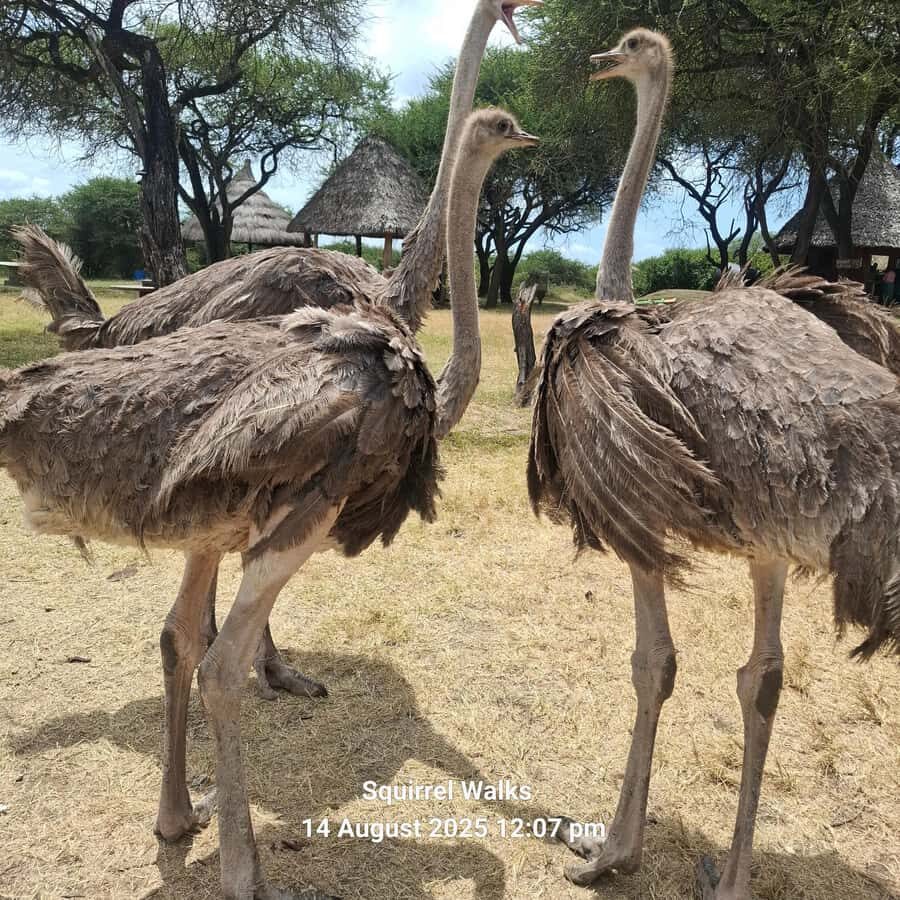
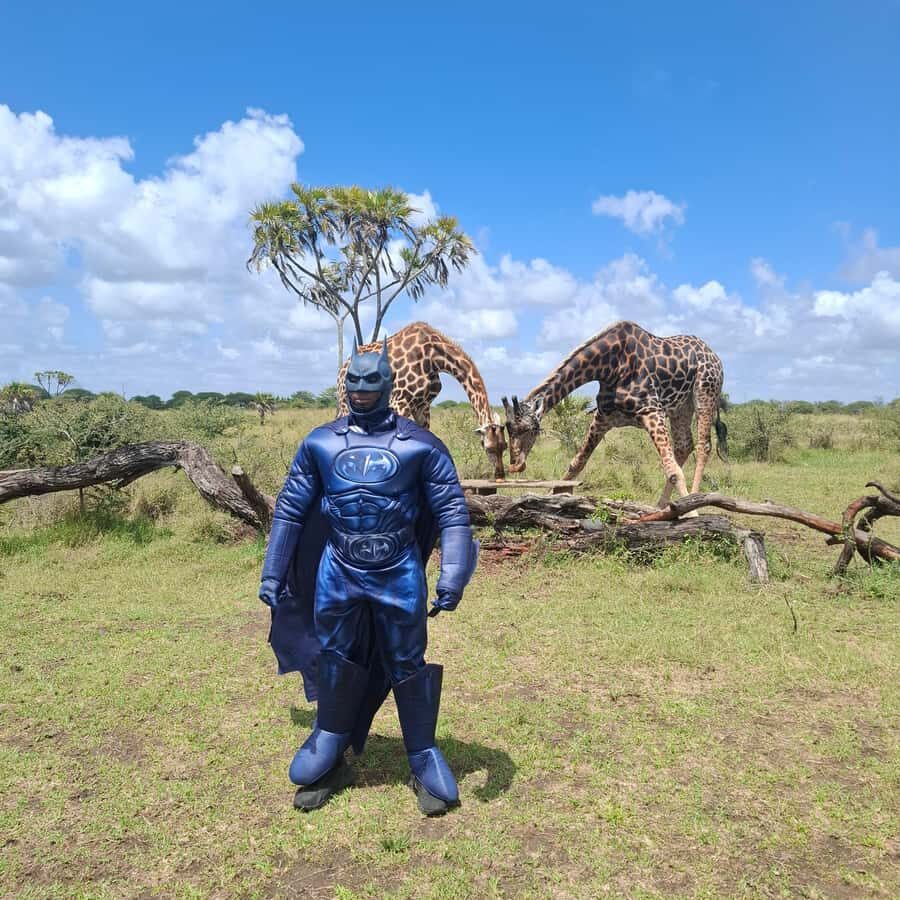
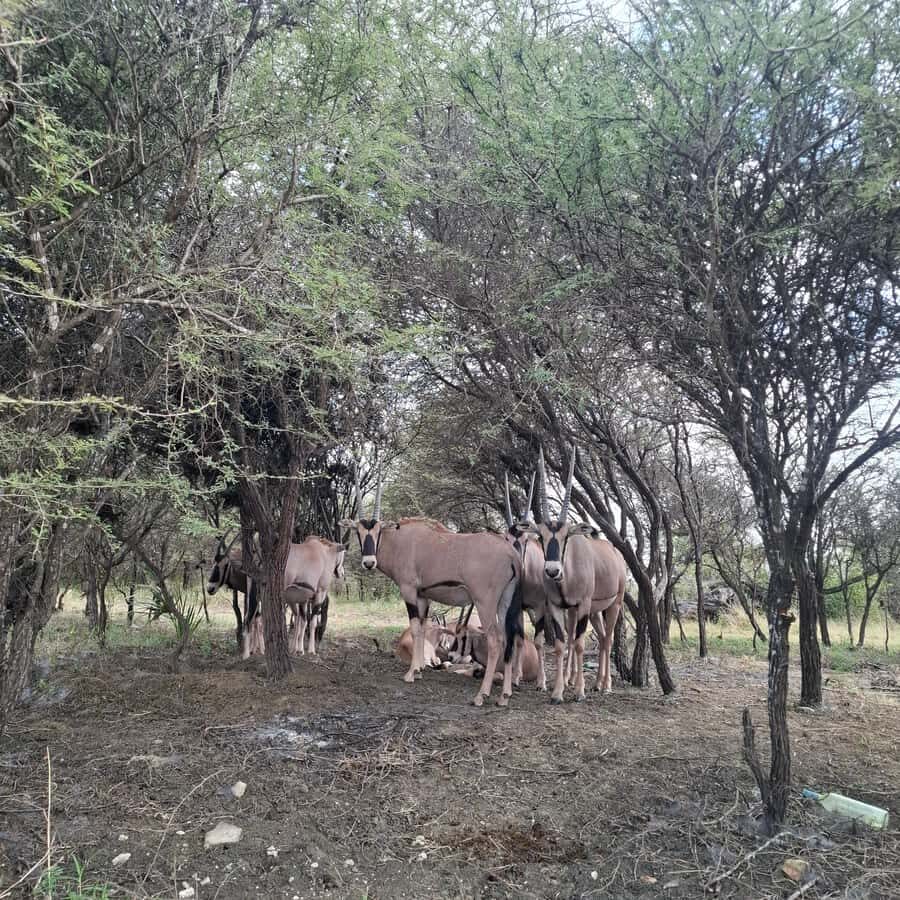
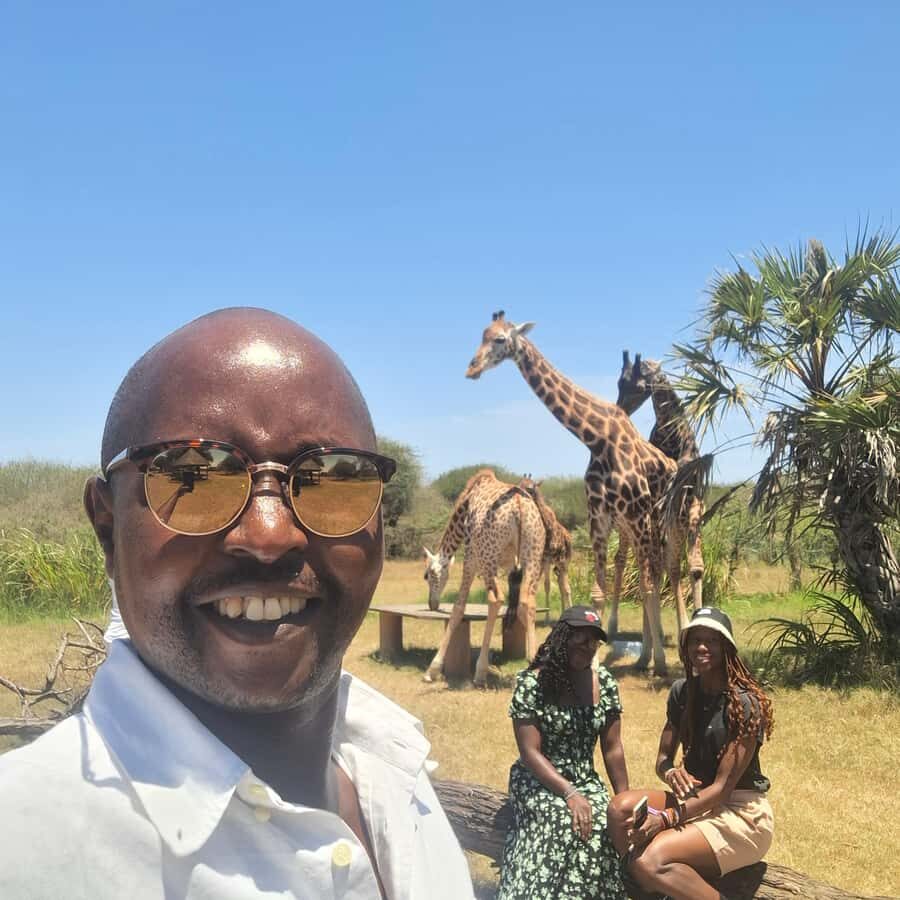
The tour includes a guided nature walk where you get the chance to see giraffes, ostriches, and antelopes up close. The format is designed around you watching and learning, not chasing animals or turning it into a spectacle. The rules reflect that: no riding the animals, and you have to keep your behavior calm.
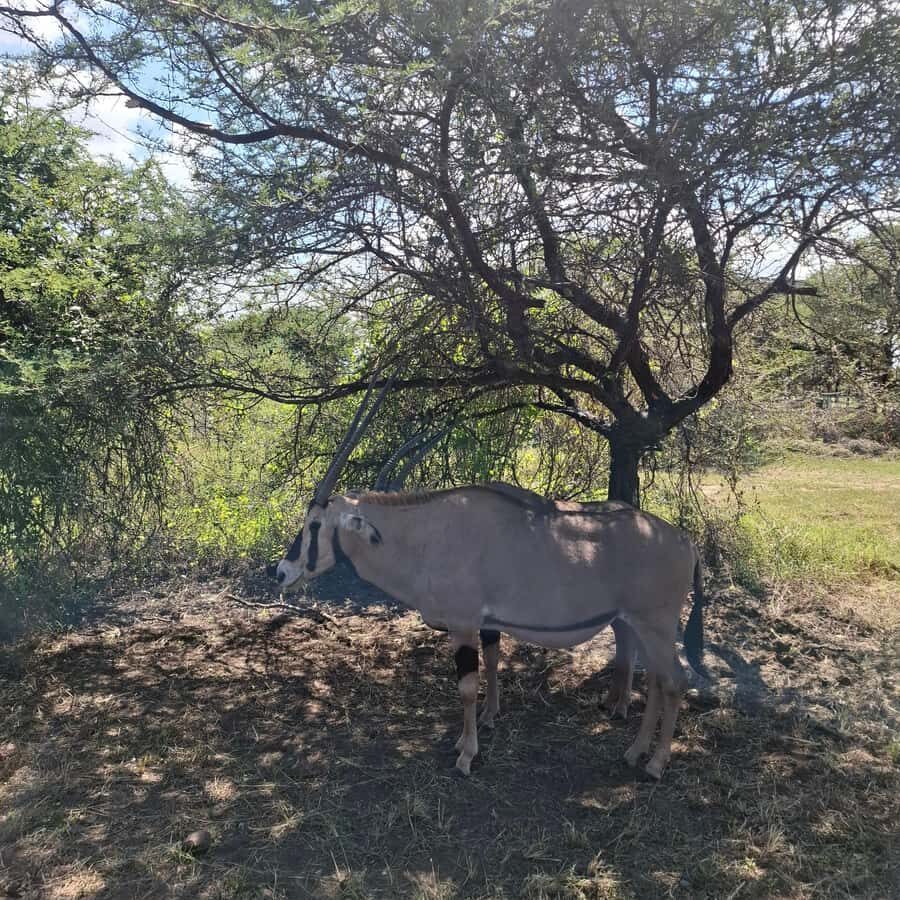
You’ll also hear about the wider animal mix in the sanctuary, which can include buffalo, crocodiles, smaller mammals, and birds. Even if you don’t spot every species every time, the setting itself is the point: it shows what conservation looks like when it restores land step by step.
Entry tickets: the one extra cost you should plan
Nguuni entry is not included, so budget for that before you go. You’ll want water for sure, and you’ll feel the sun more here than you do in Fort Jesus.
The conservation story: from limestone desert to sanctuary
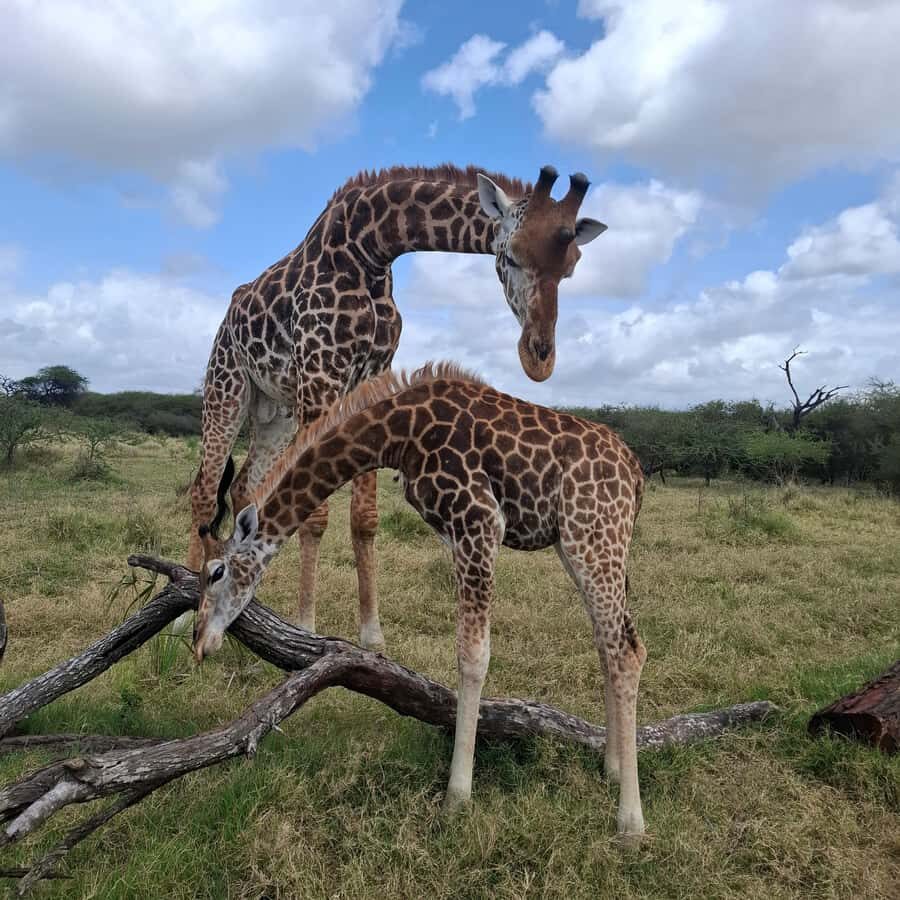
What I really liked about the Nguuni portion is that it’s not only a “see animals” visit. The guide explains the plant strategy used to get vegetation established in a limestone desert—pioneer plants that could survive harsh tropical sun.
You’ll hear how early efforts struggled at first (only a few plants took hold), and how species like damas, coconut palm, and casuarina played roles in getting the ecosystem going. Then it becomes a story of succession: wind and animals help distribute seeds, new plants arrive, and the quarry slowly develops into habitat.
If that sounds technical, don’t worry. The tour keeps the idea understandable by connecting plants, animals, and seed dispersal. For example, the guidance around fruiting ficus trees and seed dormancy gives you a reason to pay attention to what you might otherwise ignore—like why certain trees matter.
Price and value: what $40 really buys
At $40 per person, this feels like solid value for a full-day plan that combines two major experiences: Fort Jesus plus Old Town walking, and then a guided wildlife walk at Nguuni.
What makes it good value is the structure:
- pickup to the major sites
- local guide interpretation (history + culture, not just directions)
- stops that would otherwise take multiple trips to piece together
- entrance fees handled separately, which is common for big attractions
The tradeoff is predictable: you’ll still pay entry for Fort Jesus and for Nguuni Nature Sanctuary. So the true “all-in” price depends on those tickets. If you’re traveling on a tight budget, treat $40 as the guided-and-transport portion, then add the two entry costs.
When the day feels extra worth it
If you end up with a smaller group (or even a one-on-one feel), the guide can move at your pace and help with photos and videos without rushing you. The calm pace is part of why this tour works.
Practical tips so your day goes smoothly
Here’s how to set yourself up for an easier day in Mombasa.
Bring
- Comfortable walking shoes (cobbles are real)
- Water (you’ll want it at Nguuni and walking Old Town)
- Hat and sunscreen for sun protection
- Camera (and remember flash may be restricted at certain sites)
Don’t do these things (they’re listed as not allowed)
- No intoxication, alcohol, drugs
- No smoking indoors
- No littering
- Avoid ripped or loose clothing and high-heeled shoes
- Keep noise down and don’t light fires
- No nudity
- Don’t ride the animals
It’s a rule set that keeps the day respectful and keeps wildlife experiences from turning into chaos. Also, it helps you avoid getting stuck with a “wait, this doesn’t work” moment.
If you’re thinking about timing
The tour includes Swahili coffee or Swahili chai (tea) on afternoon tours. If you care about that extra touch, pick an afternoon slot. If you prefer earlier light for photos, choose a morning start and plan your own caffeine after.
Who this tour suits best
This is a strong fit if you want:
- a first-time orientation to Mombasa’s old-city layout
- Portuguese and East African harbor history explained in a clear way
- both culture shopping (spices, textiles, market life) and wildlife viewing in one day
It’s less of a fit if you:
- struggle with long walking on uneven surfaces
- need frequent sitting breaks
- are sensitive to hot sun (Nguuni can be exposed)
The tour is listed as not suitable for people over 70, which I’d take seriously if that applies to you.
Should you book this Mombasa day?
If you want a single day that blends Fort Jesus, Old Town lanes, and a conservation-based wildlife walk, I’d book it. The biggest reason is that it gives you context: you see landmarks, you understand why they mattered, and you leave with a clearer sense of the city as both history and present-day life.
Do check two things before you commit:
- confirm you’re comfortable paying entry tickets separately for Fort Jesus and Nguuni
- make sure you can handle steady walking and sun without turning the day into a slog
If that sounds like you, this is a very practical way to get your bearings fast—then you can spend the rest of your trip exploring on your own with a much better mental map.
FAQ
Is Fort Jesus entry included in the tour price?
No. Fort Jesus entry tickets are not included.
Is entry to Nguuni Nature Sanctuary included?
No. Entry tickets for Nguuni Nature Sanctuary are not included.
Do I get picked up from my hotel?
Yes. Pickup transportation is available to the tour sites.
Is transportation back to my hotel included?
No. Transportation back to the hotel is not included.
What should I bring for the day?
Bring comfortable shoes, a hat, sunscreen, a camera, and water.
Are there any rules about what I can wear or do?
Yes. High-heeled shoes are not allowed, and you also can’t ride the animals. Smoking indoors, intoxication, alcohol and drugs, littering, and making noise are also not allowed.